



“AI短剧真的能赚钱吗?”
“为什么别人的AI短剧播放量破百万,而我的却没人看?”
如果你是AI短剧的创作者,一定遇到过这样的困惑。
答案藏在“导演思维”里。
一、为什么AI创作者一定要有“导演思维”?
随着Veo、Runway、可灵、即梦等AI工具爆发,越来越多创作者开始尝试用AI生成短剧视频。但问题来了:
为什么你生成的画面总是散、不连贯、缺少情绪?
为什么别人做的AI短剧像电影,而你做的像PPT?
答案只有一个:你缺少导演思维。
AI可以帮你生成场景、角色、镜头,但“讲故事”这件事,必须你来拍板。导演思维,决定了你用什么方式讲故事、用什么镜头表达情绪、用什么节奏推动剧情。
简而言之,导演思维 = 用画面讲故事的能力。
二、导演思维的底层逻辑:不是“生成”,而是“控制”
导演思维,底层逻辑其实就三件事:
1. 控场:把控节奏与情绪波动
导演是节奏大师。快节奏还是慢节奏?情绪先升后落还是反过来?你得清楚。
2. 控镜:懂得用镜头说话
你要知道什么时候用近景制造亲密感,什么时候用广角拉开压迫感。镜头不只是“好看”,而是“有用”。
3. 控线索:设计信息的释放顺序
悬念、转折、隐喻、反转——导演决定观众看到什么、什么时候看到。
👇 举个简单例子:
- 同样一句话:“他回来了。”
- 如果配脚步声+特写门把手慢慢转动,是悬疑惊悚。
- 如果配夕阳+女主泪光闪动,是情感大戏。
- 如果配搞笑BGM+主角摔门而入,是喜剧反转。
这就是导演思维在起作用。
三、导演思维实战案例:AI短剧怎么用“导演逻辑”讲好一个故事?
我们用一个AI短剧《复仇者的眼泪》为例,拆解导演思维在AI创作中的应用。
(一)案例概述
🎬 故事概念:
昔日特工,为救爱人重出江湖,一场悲壮复仇即将上演。
📌 情绪节奏设计:
- 开篇:孤独隐忍(铺垫情绪)
- 中段:情感反差(激发共鸣)
- 高潮:动作爆发(情绪宣泄)
- 尾声:悲怆落幕(情感升华)
导演思维核心:
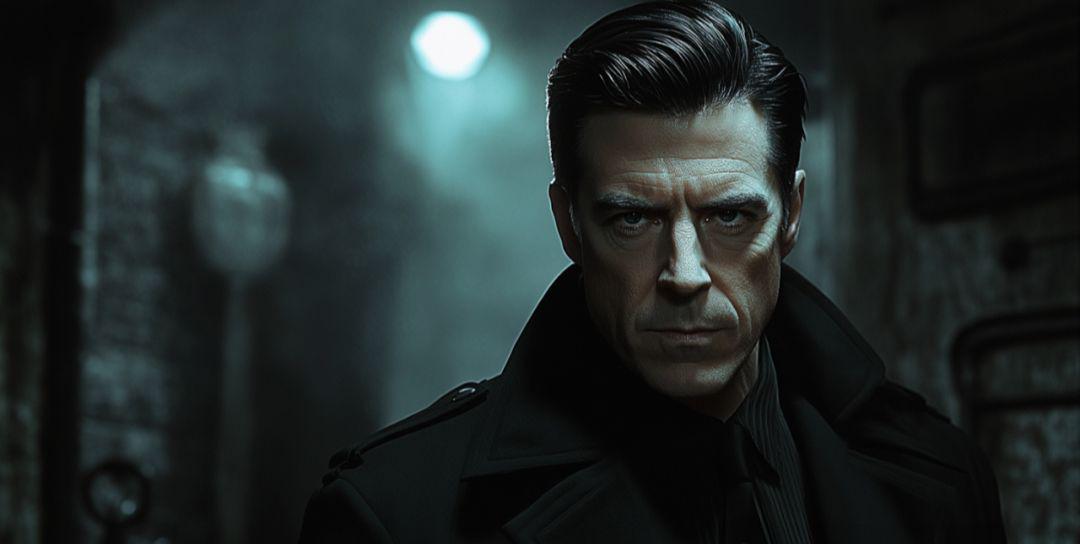
- 角色一致性:全程角色形象统一描述。
- 风格一致性:画面风格全片统一“cinematic neo-noir”。
- 情绪曲线:镜头与镜头之间的情绪递进与节奏控制。
(二)角色锚定词(全局一致性描述)
a man in a black trench coat, short black hair, sharp jawline, cold piercing eyes, rugged face, slightly stubbled beard, tall and lean build, cinematic appearance, realistic textures, neo-noir style
(三)文生图提示词:生成定格画面(用于图生视频起点)
【场景1|孤影归来】
a man in a black trench coat, short black hair, sharp jawline, cold piercing eyes, walking alone in a dimly lit city alley at night, wet asphalt reflecting neon lights, deep shadows, cold blue color grading, cinematic mood, ultra-detailed, realistic textures, neo-noir tone, cinematic neo-noir style, high contrast lighting, subtle film grain, anamorphic lens flare, muted color grading with selective highlights –ar 16:9
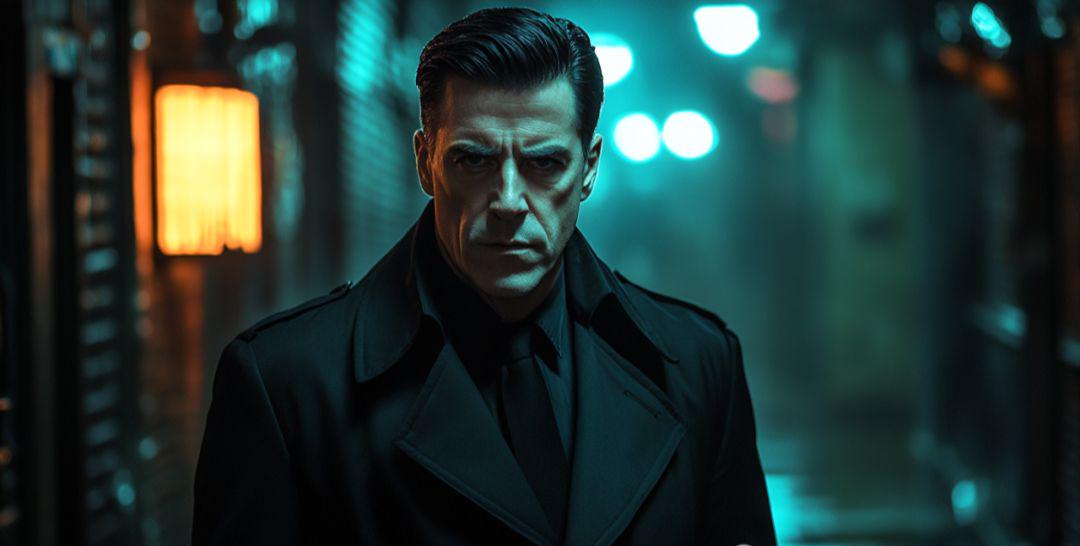
【场景2|回忆爱人】
a man in a black trench coat, short black hair, sharp jawline, cold piercing eyes, standing in golden sunlight, soft smile as he looks at a woman’s photo, warm soft focus, romantic bokeh background, emotional and nostalgic mood, cinematic neo-noir style, high contrast lighting, realistic textures, subtle film grain, anamorphic lens flare, muted color grading with selective highlights –ar 16:9
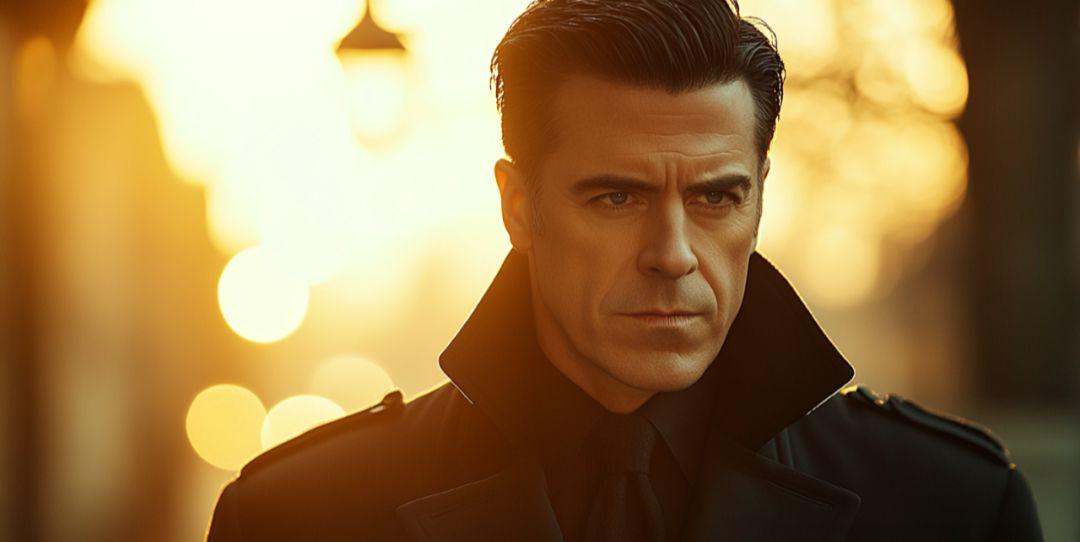
【场景3|武器装填】
a man in a black trench coat, short black hair, sharp jawline, cold piercing eyes, sitting at a dark wooden table, loading bullets into a handgun, close-up shot, metallic reflections, low-key lighting, cinematic thriller atmosphere, cinematic neo-noir style, high contrast lighting, realistic textures, subtle film grain, anamorphic lens flare, muted color grading with selective highlights –ar 16:9
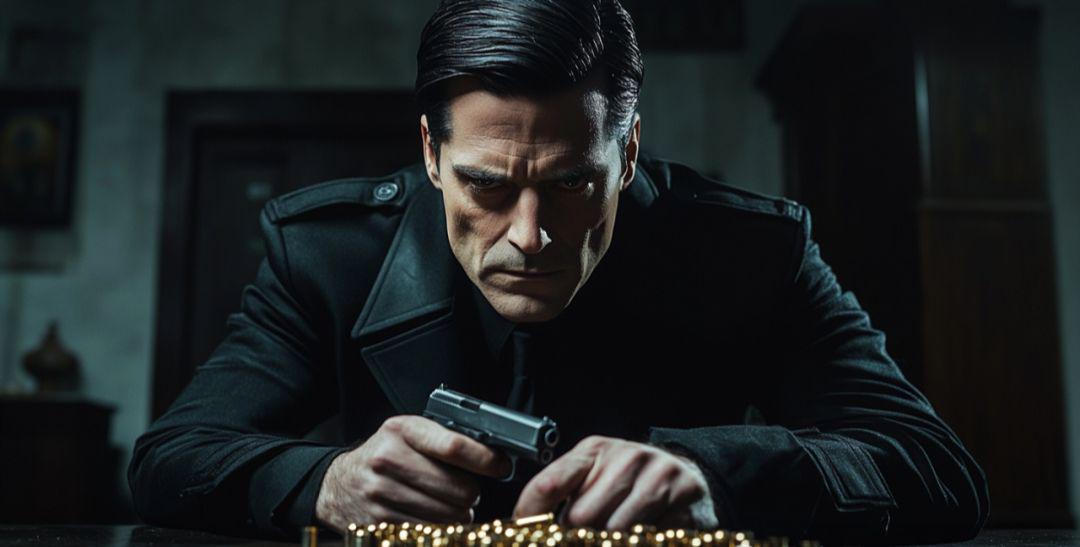
【场景4|最后对决】
a man in a black trench coat, short black hair, sharp jawline, cold piercing eyes, dodging bullets in an abandoned warehouse, slow motion action scene, debris flying, harsh backlighting, sparks, intense movement, cinematic dynamic shot, neo-noir tone, cinematic neo-noir style, high contrast lighting, realistic textures, subtle film grain, anamorphic lens flare, muted color grading with selective highlights –ar 16:9
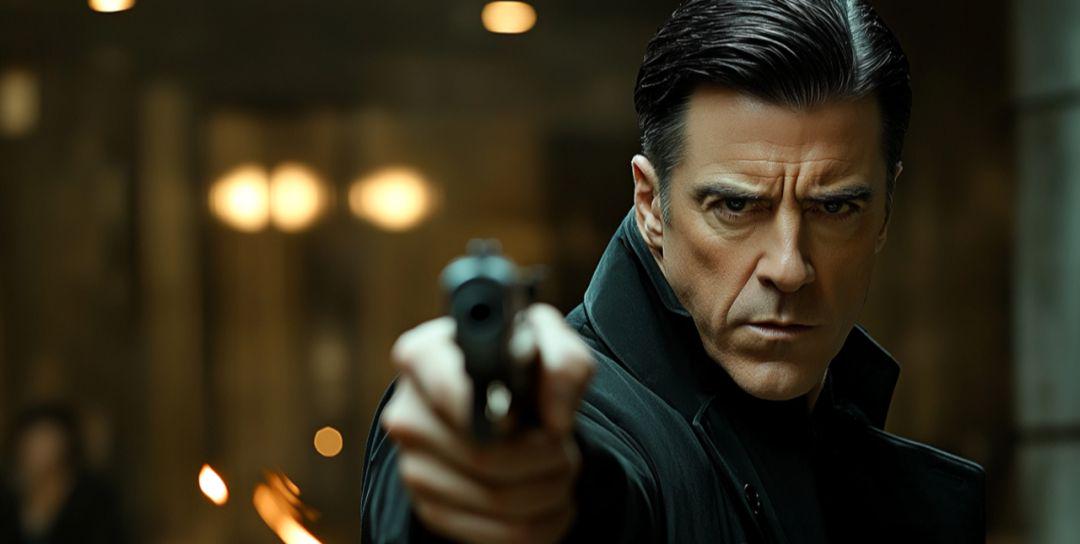
【场景5|眼泪落下】
a man in a black trench coat, short black hair, sharp jawline, cold piercing eyes, extreme close-up of a tear rolling down his cheek, rain pouring, soft cinematic backlight, hyper-detailed skin texture, emotional climax moment, cinematic neo-noir style, high contrast lighting, realistic textures, subtle film grain, anamorphic lens flare, muted color grading with selective highlights –ar 16:9
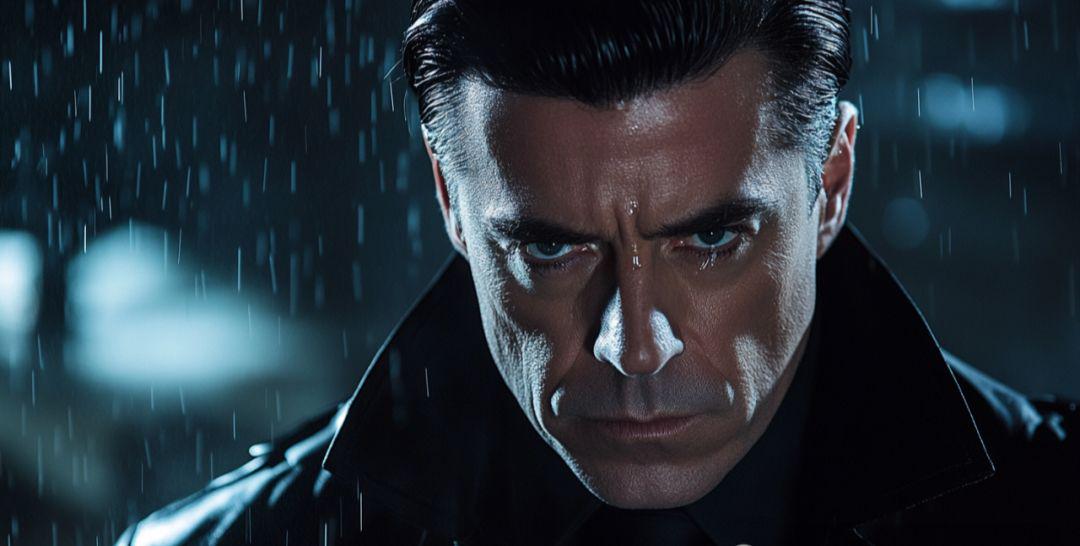
(四)图生视频提示词:将生成的画面“动态化”,结合运镜、动作与特效指令
【场景1→视频提示词】(孤影归来)
slow tracking shot following a man in a black trench coat walking through a dim city alley, slight handheld camera shake, reflections of neon signs on wet ground, atmospheric fog drifting, cold color grading, cinematic noir tone
【场景2→视频提示词】(回忆爱人)
soft dolly zoom in on the man’s face as he holds a woman’s photo in the sunset, lens flare gently sweeping across, background bokeh shimmering, emotional soft focus, warm light enveloping the scene
【场景3→视频提示词】(武器装填)
series of quick-cut close-ups of the man’s hands loading bullets into a gun, low-angle shots, metallic clicks synced with camera cuts, intense focus on precise hand movements, dark moody lighting
【场景4→视频提示词】(最后对决)
dynamic tracking shot circling around the man as he leaps behind cover, bullets ripping through the air in slow motion, flying debris and sparks, rapid camera whip-pans to follow action, high contrast lighting flashes
【场景5→视频提示词】(眼泪落下)
extreme close-up slow-motion shot of a tear rolling down the man’s cheek, raindrops falling in the background, soft cinematic backlight causing a glistening glow, subtle camera pull-back revealing the empty rain-soaked street
(五)镜头过渡提示词:插入场景与场景之间,形成完整视听节奏
【回忆与现实交替】
smooth cross-dissolve transition from warm sunlit memory scene to cold dark alley, color palette shifts from golden to bluish tones, emotional mood swing effect
- 使用位置:场景2(回忆爱人)结束 → 场景3(武器装填)开始前
- 作用:将男主角温暖的回忆(阳光与爱人的照片)平滑过渡到冷酷现实(准备复仇的动作),通过“暖色到冷色”的色调变化,制造情绪反差,强化观众的心理落差。
【动作爆发快切】
high-speed montage cuts of weapon assembly and sudden action burst, synced with impactful sound design, rhythmic editing pace
- 使用位置:场景3(武器装填)结束 → 场景4(最后对决)开始前
- 作用:将缓慢沉稳的武器装填镜头,通过快切节奏与强烈的声画冲击,瞬间转入战斗高潮,营造“静到动”的爆发力,提升节奏感。
【情感收束慢推镜头】
slow push-in camera movement on the man’s tear-streaked face, soft focus blending into a wide aerial shot of the empty rainy street, melancholic reflective mood
- 使用位置:场景5(眼泪落下)结尾
- 作用:在高潮后的情感释放阶段,用“慢推镜头+拉远空镜”,将主角孤独的情绪从个体升华到环境氛围(空旷街道、雨夜),形成视觉与情感的双重收束,给观众以余韵。
(六)全片风格锚定参数(已全部加入到每个场景的文生图提示词中)
cinematic neo-noir style, high contrast lighting, realistic textures, subtle film grain, anamorphic lens flare, muted color grading with selective highlights
这样做的好处:
- 保障全片风格一致性;
- AI每次解析提示词都能锁定“风格锚点”;
- 避免长视频/多镜头下的风格漂移问题。
(七)导演思维应用步骤(执行流程)
- 设计情绪曲线:隐忍→爆发→释然。
- 拆解情绪节点:确定5个关键分镜场景。
- 编写文生图提示词:每个场景用“场景+情绪+镜头语言+光影效果”描述。
- 图生视频动态化:运用视频提示词定义运镜方式与动作节奏。
- 镜头衔接设计:在情绪变化处加入过渡提示词,确保节奏流畅。
- 保持角色与风格锚定:所有提示词中始终加入角色与风格固定描述。
(八)镜头节奏时间轴表
|
|
|
|
|
|---|---|---|---|
|
|
|
|
|
|
|
|
|
|
|
|
|
|
|
|
|
|
|
|
|
|
|
|
|
|
|
|
|
|
|
|
|
|
|
|
|
|
|
|
(九)执行建议
- 文生图生成时,先锁定主角外形与风格。
- 图生视频阶段,重点调整“镜头运动方式”和“情绪节奏控制”。
- 分镜与分镜之间加入过渡镜头,避免画面跳切生硬。
- 可将提示词导入可灵、即梦、Vidu、Midjourney、Runway等AI工具一键生成分镜。
(十)总结
这就是一个完整的“导演思维驱动的AI短剧实战案例”,不仅有画面美感,更有节奏与情绪的逻辑控制。全片提示词中,始终保持“角色锚定词”和“风格锚定词”不变,确保全剧一致性。AI不是导演,你才是。用好导演思维,AI短剧才能真正打动观众。
四、导演思维的AI创作技巧建议
✅ 1. 从“情绪曲线”出发设计分镜
先想情绪,再选镜头,别反过来堆画面。
✅ 2. 每个镜头都要“有目的”
不是为了好看,而是为角色塑造、情绪推进或信息释放服务。
✅ 3. 避免信息“同时给“
比如人物登场和背景设定不要同时出现,要一前一后,让观众有节奏地接收。
✅ 4. 镜头衔接要顺
角色位置、运动方向、视线方向要保持一致,避免“穿帮”。
五、你不是在“生成短剧”,而是在“导演一部电影”
很多AI创作者有误区:觉得只要输入一堆提示词、场景、对白,AI就能自动拼成剧。
错!这就像演员自己演完、摄影师拍完,但导演根本没告诉大家讲的是什么故事。
AI不是导演,你才是。导演思维才是AI短剧的真正灵魂。
六、写在最后:你准备好成为导演了吗?
我们正处在“人人都是导演”的时代。但是否能拍出打动人心的短剧,不看你掌握多少AI工具,而看你是否有一套完整的导演思维。
用AI,不是为了取代创作,而是为了让导演的脑海画面真正落地。
👀 如果你还在“堆提示词”,那你只是“AI操作员”;🎬 如果你开始“用镜头讲故事”,你才是“AI导演”。
以上就是今天分享的内容,你学会了没?