


21 May, according to Bloomberg, withSoftBankGroup pair OpenAI The investment commitment is over $60 billion, and some insiders are starting to see itMasayoshi Son (Masayoshi SonTo Sam AltmannSam AltmanThe high level of confidence has become increasingly disturbing。
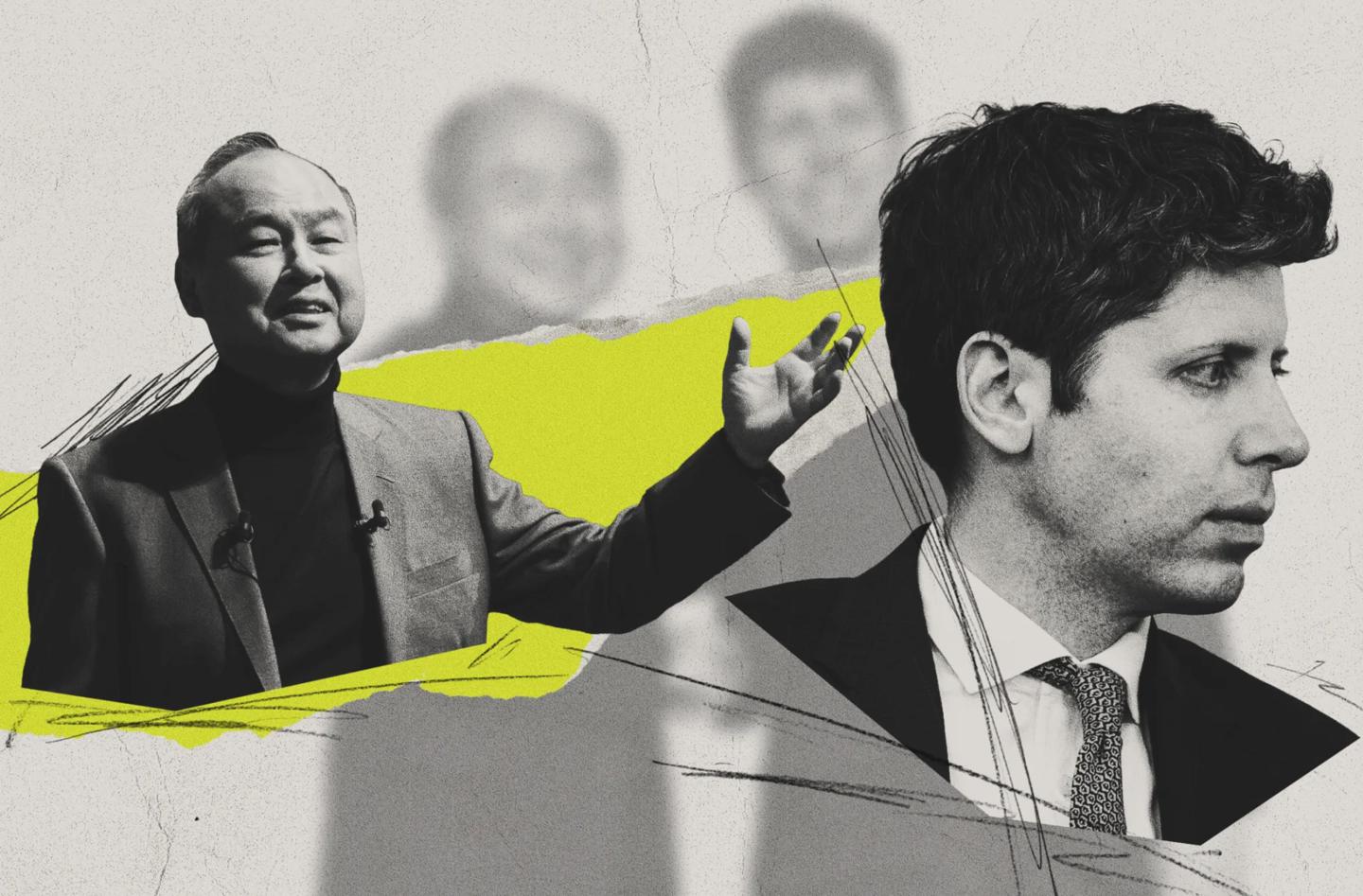
Last year, when soft silver started investing billions of dollars in OpenAI, some executives asked Sun Ju a question: What if this ChatGPT developer fails in extreme circumstances
According to the source, Sun Ju has repeatedly rejected such questions and is often impatient so that his subordinates do not refer to the matter。Sun Ju has expressed his belief that Altmann is leading the most important technological change of the century。
However, just as OpenAI was about to be listed early this year, the recent breakthrough by the rival Anthropic triggered a challenge from the financial market. Soft silver is a source of anxiety about OpenAI's expanding investment commitment。Currently, the total investment commitment of soft silver to OpenAI exceeds $60 billion。
At the same time, soft and silver executives are concerned about Sun's excessive confidence in Altman's “star chase”. They fear that the relationship between the two founders may be one-way dependent and potentially risky。
Too much investment in a company
Bloomberg interviewed about 12 knowledgeable individuals, including internal executives in soft silver. Interviews show that there is growing concern within the soft silver bank about Sun's relationship with Altman。
A key concern mentioned by these sources was that Sun Journey concentrated too much soft and silver capital on a company that had recently faced multiple business, reputation and legal problems。
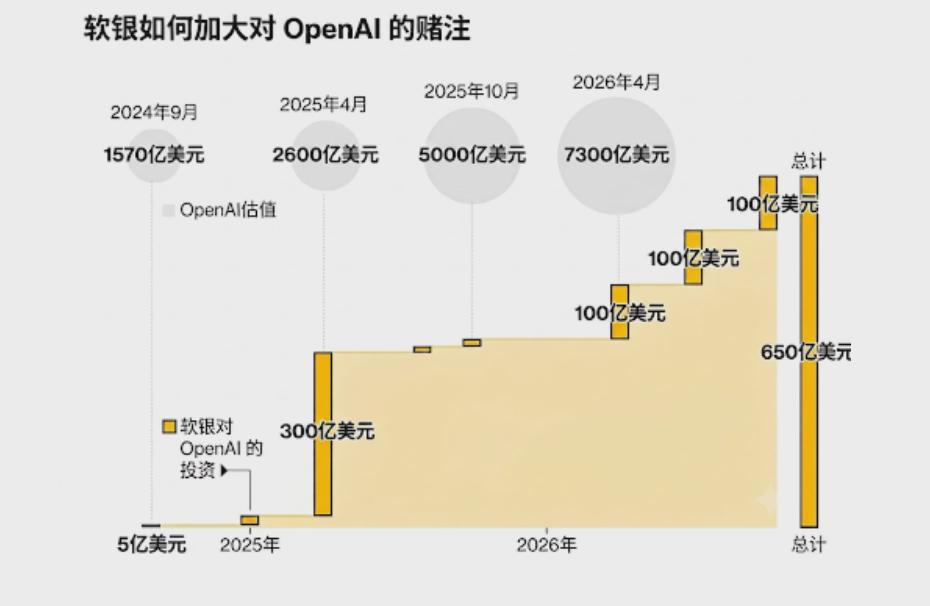
Soft silver investment for OpenAI
The firm ' s reliance on OpenAI has been further exacerbated by the sale of multiple assets, including the shares of British Weeda, an AI chip manufacturer, and the lack of investment in other competing AI models。Although they are a minority within the soft silver, some executives fear that the silver will repeat the disastrous outcome of WeWork. In the same year, Sun Justice over-appreciated to another very attractive WeWork founder, who eventually admitted to ignoring risk signals, resulting in soft silver accounting for loss of record in excess of $14 billion。
And this time, the bet is much bigger。
Soft silver states that it has “high confidence” in OpenAI and its leadership. In a statement, the company stated: “Soft Silver and OpenAI have established a strong strategic partnership and share their views on the direction of AI and the global inputs needed to achieve this.”
In another statement, OpenAI stated that the two companies had a “good relationship” and that “soft silver and OpenAI are one of the closest partners”
Currently, at least on paper, soft money is benefiting from this investment。Last week, the company published an annual profit increase of more than three times, reaching a record 5 trillion yen (approximately $32 billion), most of the proceeds from the increase in OpenAI valuation. But Sun's motivation for justice is not limited to short-term financial returns, and he hopes that soft silver will be at the centre of the next major technological leap. From the very beginning, he believed in Ortmann's plan to develop what is known as AGI. AGI is an advanced, human-level AI that can accelerate a breakthrough in science and medicine that could have taken decades。
"We're looking at the long-term development of the next 30 years, and the AI revolution is just beginning. We want to be a valuable business entity at the centre of this revolution.”
Supporters of Sun Justice stated that OpenAI remained a pioneer in AI services and that many technology investors had indicated that soft silver was not the only company to bet heavily in AI. “The more they invest, the greater the return.” The investment company Tenacity Venture Capital, founder and general partner Ben Narasin, said, "If you don't play, you can't win. And once we are in this game, we must take real risks.”
Competition risk
If OpenAI is able to achieve a value of more than $1 trillion in IPO, Sun Justice will have the opportunity to welcome the Second High Light. Previously, he had received a very good return for his investment in Aribaba。
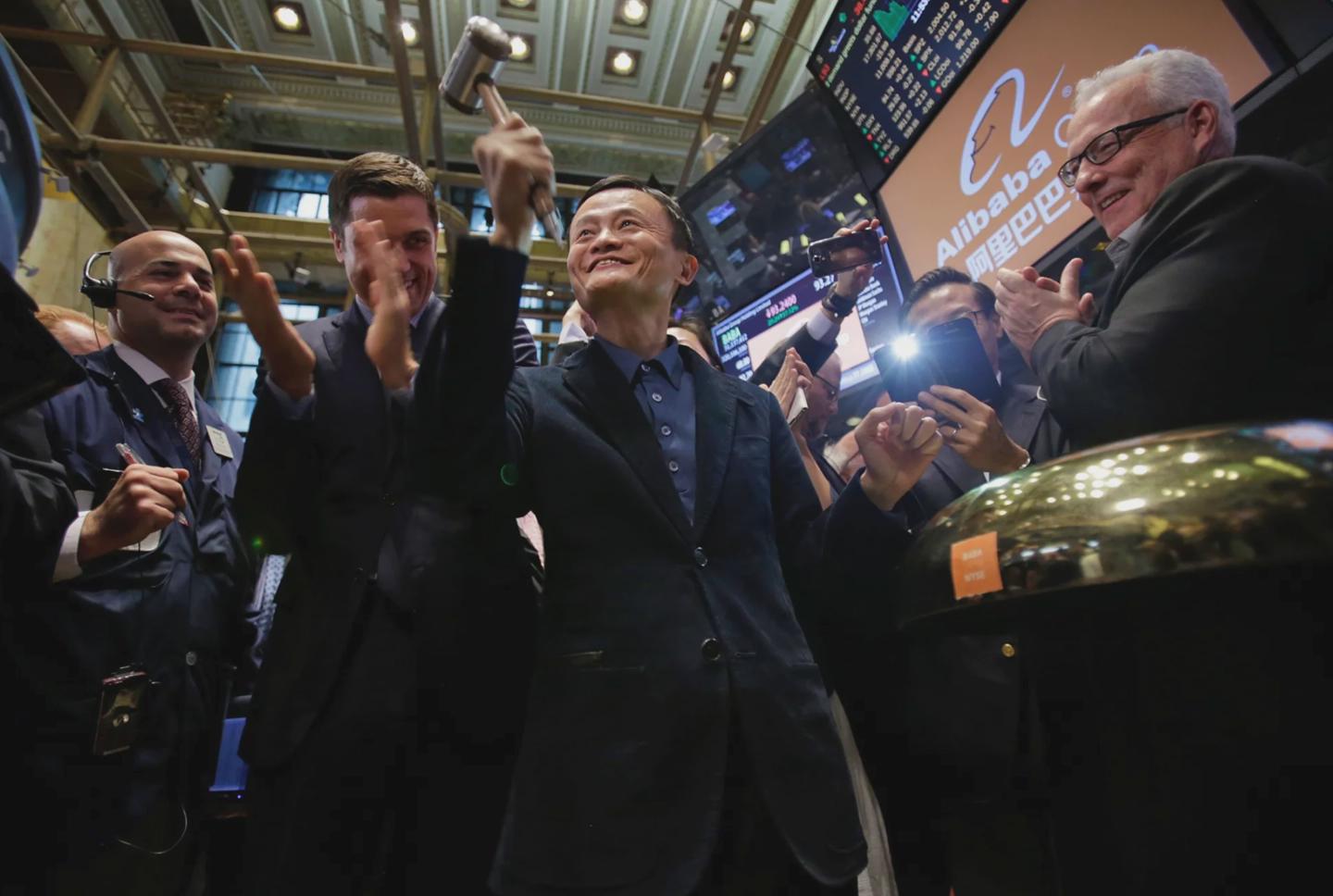
Sun Ju has successfully invested in Ali Ma Yun
HOWEVER, GIVEN THE INCREASING COMPETITION, THIS HEAVY IPO IS NOT A NAIL。This post is part of our special coverage Global Voices 2011Its newly launched Mythos model is said to be able to detect and exploit loopholes in a range of key software. Gemini of Google is also catching up and showing off on scientific research and reasoning。
According to sources at the end of last month, Anthropic is considering offers from investors that could double its valuation to over $90 billion, thus surpassing OpenAI as the highest-valued AI start-up company in the world。
After a record high last October, soft and silver stock prices have fallen above 201 TP3T, and investors are concerned that OpenAI will remain in the lead. In March this year, billboard Global revised its outlook for soft silver, arguing that its large-scale bet on OpenAI could deplete liquidity and weaken the credit quality of its assets. According to sources at the beginning of this month, after some creditors hesitated, soft silver had reduced the $10 billion bond loan scheme secured by the OpenAI shares held。
The managing partner of Menlo Park Capital, a soft silver former employee of Habib Imam, stated that investing in WeWork and investing in OpenAI had a number of things in common, including leadership by key people and radical spending to achieve a grand vision. He said that for Sun Justice, the latest investment was not just a bet on OpenAI, but “a bet on an AGI view of the world”, “You can't fight the world view”。
Some believe that this is precisely the problem. A number of internal sources have stated that they fear that Sun Justice will become fascinated by its founders and accept its radical expansion。
Unable to influence OpenAI decision-making
Even though OpenAI holds shares in excess of 10%, it does not have a seat on the board or even an observer seat. This shareholding usually ensures access to board seats。
OpenAI, a not-for-profit organization with a unique governance structure, has no external investors, including Microsoft and Amazon, on the board. It is also unclear whether Sun Ju has ever sought access to the Board。
However, some insiders of soft silver remain concerned that it lacks decision-making influence over a company on which it relies. In addition to the chip design company ARM (soft silver holding approximately 90% shares), OpenAI is a key pillar in the current soft silver investment map. In the hold-up of the current second phase of the main fund ' s vision fund, OpenAI took over and contributed major investment returns to the previous fiscal year。
This limited influence is a source of concern for the insiders, especially when they are used to seeing the masters give orders. In Japan, Sunjustice is widely regarded as a highly visionary entrepreneur and an “outsider”, an identity that stems in part from his Korean background and from the continuous challenge to Japan’s traditional institutions and established critics in his career。
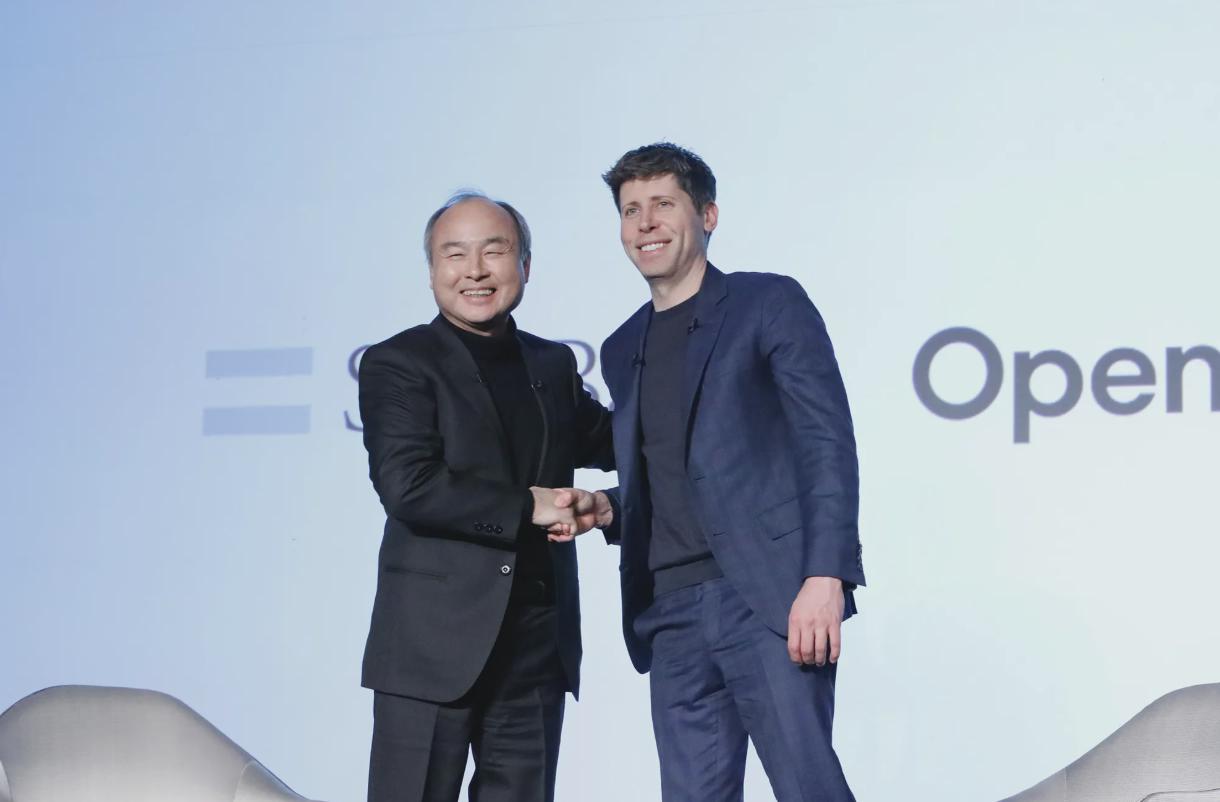
Sun Justice and Altman
Sun Ju has been praised for promoting Internet penetration in Japan by introducing affordable broadband services in 2001. In the same year, he threatened to burn himself in front of the Communications Ministry of Japan building in order to force the former telecommunications monopoly to open “last kilometre” of access. In 2006, he spent $15 billion to acquire the struggling Japanese subsidiary of Vodafone, which had proved to be right in the face of critics’ scribble, and then turned the operator into a cash-flow engine by taking the iPhone exclusive。
No resistance
Some investors believe that soft silver should have been pegged in the AI field by investing in competitions such as Anthropic and OpenAI. But the soft silver CFO has indicated last week that there are no such plans。
He said: “Although we do not exclude any possibility, we believe that we should move forward through a very strong partnership with OpenAI in the generation of AI.” He added that the most recent round of OpenAI financing also included significant investments by other companies, such as Amazon and Weidar。
According to some sources, a series of high-level departures from soft silver over the past decade, including the withdrawal of some of the leading external board members, including the founders of the sale company Tadashi Yanai, and the founders of Japanese electricity, Shigenobu Nagamori, meant that there had been little resistance to the increasing investment of soft silver in OpenAI。
Yuko Kawamoto, an external board member and corporate governance expert, resigned in 2021 and in her memorandum of separation she urged that more objections should be accommodated by the soft bank. She wrote in her resignation letter published on the soft silver network: “It would be a good thing if, throughout the soft silver group, opposition or, if necessary, differing views could become more generally an obligation.” Kawamoto Yuko did not respond to the request for an evaluation。
Consolidating investment achievements
THOSE CLOSE TO SUN JUSTICE STATED THAT HIS COMMITMENT TO ALTMAN STEMMED FROM HIS DESIRE TO CONSOLIDATE HIS ACHIEVEMENTS AND TO MAKE UP FOR THE LOSS OF THE INITIAL AI INVESTMENT BOOM. SUN JUSTICE HAS OFTEN DESCRIBED HIS LIFE AND CAREER AS A SERIES OF COUNTERPRODUCTIVE BATTLES. HE WAS DIAGNOSED WITH CHRONIC HEPATITIS B WHEN HE WAS YOUNG, AND EFFECTIVE TREATMENT WAS NOT YET AVAILABLE. AT THE COMMERCIAL LEVEL, HE ALSO SHOWED RESILIENCE, DESPITE THE COLLAPSE OF THE INTERNET BUBBLE IN 2000 AND THE DRAMATIC SETBACKS OF VISION FOUNDATION. ON EACH OCCASION, HE RETURNED WITH A BIGGER BET。
Outside Japan, Sun's past investment in justice was sometimes seen as unstable, while his famous Aribaba bets were seen as a one-off success。
“Ari Baba is a rare investment in his career.” The management partner of Menlo Park Capital, a venture capital company, Imam indicated. He added that there was a different bet in the AI area, where “no single investment could sustain the return on the entire portfolio over two decades, as was the case with Ali Baba”。
Even in Japan, there are critics who see Sun Justice as an unreliable investor who often pushes up valuations by making huge commitments. Sun Justice himself often does not avoid such a challenge. He has often described his career as a series of “unattainable dreams” that come true because he chooses to ignore the losers。
Richard Kaye, a long-term investor in soft silver and asset management, believes that being misunderstood is one of the key drivers of Sun's justice。
“Did Sun Justice still feel that he was not understood, perhaps misunderstood by Western markets or even by Japanese markets? I think the answer is yes. Kaye means yes。