



August 14th, according to Business Insider, Canadian-American investorsY Combinator CEO Garry Tan, in a podcast programme released yesterday, suggested that the founders of the start-up company should not be unduly worried about the cost of AI Token’s consumption, but should adopt the “Tokenmaxing” strategy to gain competitive advantage by investing heavily in AI intelligence。
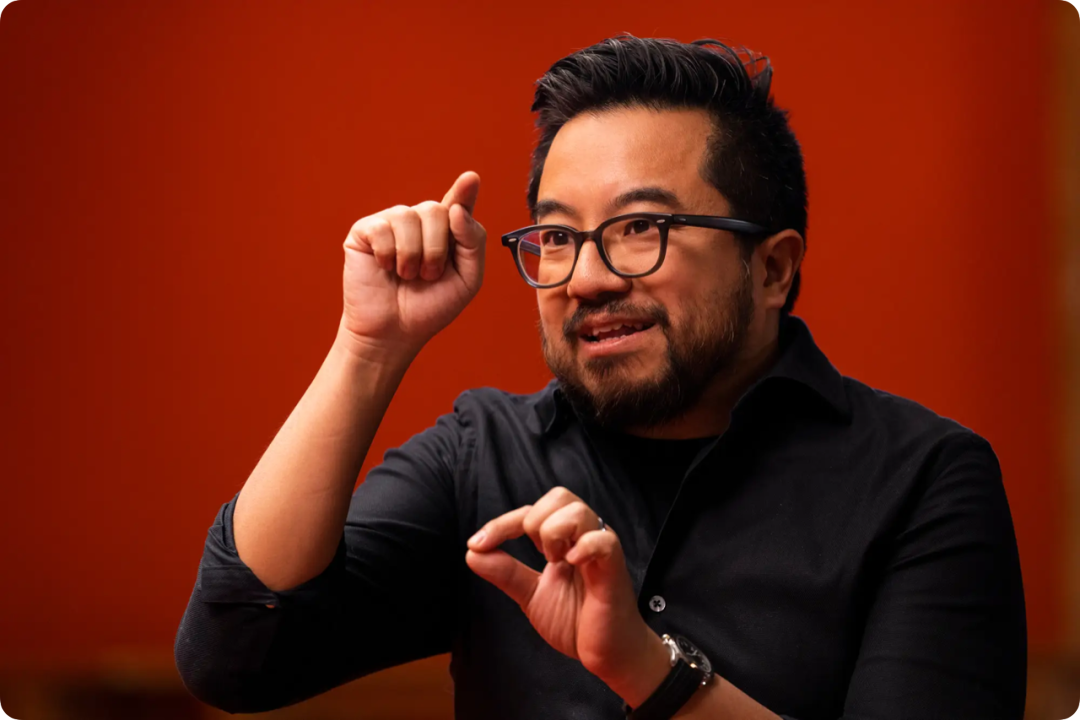
Garry Tan says that the founders should allow their own use of AI Token in large quantities, even if this entails high expenditures. In his view, by loading 800,000 or even 1 million Token to run AI smarts, the founders could experience in advance the ability of AI to become universal only in 2028。
ALTHOUGH THE COST OF THIS "FULL POWER" AI SMART BODY MAY BE AS HIGH AS $50,000 TO $100,000 PER YEAR (APPROXIMATELY 36.3 TO 72.5 MILLION YUAN YUAN), THIS EXPERIMENTAL INPUT IS WORTHWHILE FOR CEOS OR FOUNDERS。
In response to high costs, Garry Tan proposes a transformational logic: once an AI smart body succeeds in a mission, the founder should turn its "skillify" into a reusable command. He describes this type of Markdown command document as "staff who can perform perfectly" and can be called repeatedly and indefinitely。
At present, there is a clear disagreement in Silicon Valley over Tokenmaxing. Unlike Garry Tan's support, Uber's Chief Technical Officer Praveen Neppalli Naga said on platform X last week that as companies begin to focus on AI cost data, the era of pursuit of Token consumption is coming to an end, and the next phase will shift to efficient use。
The CEO Scott Wu of the AI Programming Tool also mentioned in June that token consumption measures for engineer performance were misleading and that the industry should revert to the evaluation of actual output。