



The news of September 10thUSAThe NSA and others issued a joint statement accusing six ChinasAI(AI) ENTERPRISES ARE NOT AUTHORIZED TO DISTILL AMERICAN MODELS TO EXTRACT PROPRIETARY KNOWLEDGE, WHICH THEY CLAIM WILL STEAL AMERICAN ARTIFICIAL INTELLIGENCE STRATEGIES。
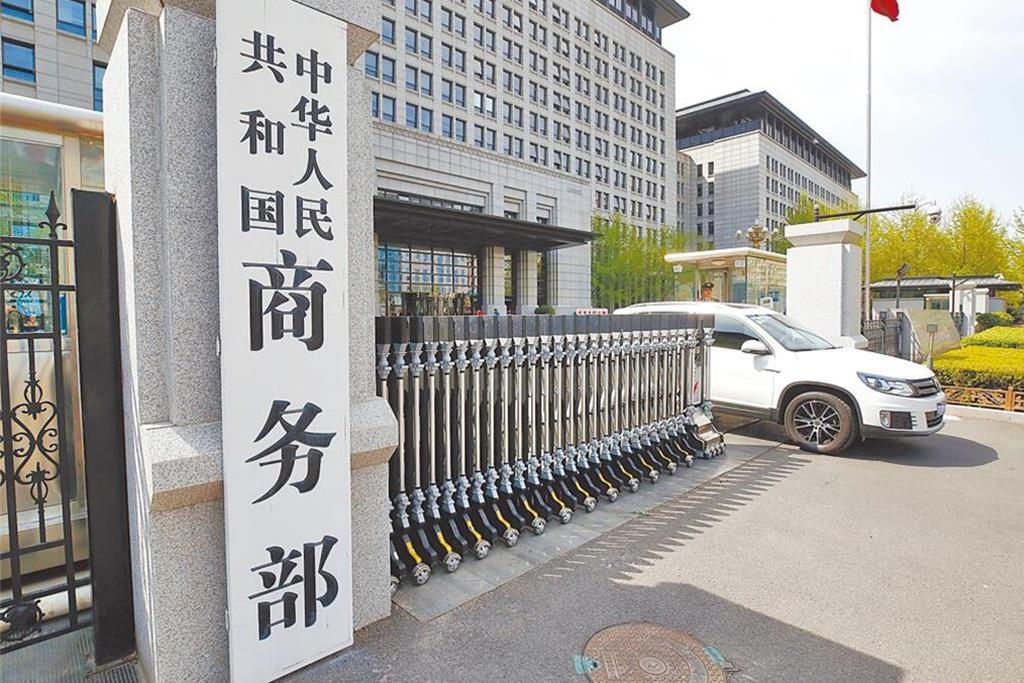
according toMinistry of CommerceOn the official web, a press spokesman for the Ministry of Commerce responded to journalists about the release of a security bulletin on the Internet related to distillation activities by Chinese artificial intelligence companies in the United States。
1AI WITH THE FOLLOWING TEXT:
Ask:On September 8th, US National Security, Cybersecurity and Infrastructure Security, and the Federal Bureau of Investigation issued a joint announcement accusing China's artificial intelligence firms of distilling the United States of “industrial scale”, acquiring American front-line modelling capabilities and proposing related defensive measures to American companies. May I ask China's comments on this
Response:We take note of the situation. China believes that the allegations made by the United States concerning the “industrial scale” distillation model used by China's artificial intelligence enterprises are unfounded and cannot be justified. By doing so, the United States has politicized, instrumentalized and applied double standards to normal technical and commercial issues in the distillation industry. The United States announcement is yet another example of its monopoly on scientific and technological hegemony and the ability to compute in the area of artificial intelligence, which is a disincentive to competition. China firmly opposes this。
Retortment is a common practice of learning from one another among models in the field of artificial intelligence and is essentially a neutral technological tool that is being used by global modeling firms, including corporate firms. Such technological means can help models to improve learning efficiency and achieve more efficient use of human knowledge, and are positive for countries in developing artificially intelligent industries, unleashing the potential of artificially intelligent technologies, bridging the development divide and more broadly benefiting developing countries and society at large。
The United States approach is a classic double standard. With regard to artificial intelligence, China encourages open-source and cooperative sharing, and the Chinese open-source model is open to global enterprises, including US enterprises, to facilitate the development of relevant models. A large number of distilled Chinese models were also disclosed in the US-business model development report. The United States side has repeatedly and unilaterally accused Chinese enterprises of distilling “industrial scale” and obfuscating industry practices into attacks, reflecting both American anxiety and double standards。
The United States approach is typical of an industrial monopoly in the name of combating distillation. The United States, through a public announcement by the security services, has tied the interests of individual enterprises and capital to national security and has used State power to interfere in normal commercial activities. We note that individual United States artificially intelligent firms abuse their competitive advantage by setting hegemony clauses such as broad geographical limits in user agreements. The American side's allegations of distillation seem to be an endorsement of these hegemony clauses。
The United States approach is typical of using State power to maintain the monopoly of scientific and technological hegemony and computational power to curb competition. Since this year, US executives and legislatures have repeatedly threatened to impose sanctions on the distillation of Chinese firms, with the aim of stifling competition, preserving America’s monopoly on numbers and data, winning only in the United States, not in humans, turning the global resource of artificial intelligence, which should be openly and fairly accessible, into a monopoly for a few firms, and preventing others from participating in the inclusive sharing of the benefits of artificial intelligence innovation。
At present, the large-scale modelling industry is at a critical stage of technological overlap, risk overlap and growth. As a large country, China and the United States should address the challenges and risks in the area of artificial intelligence in a proactive and responsible manner. The two heads of State have agreed to an intergovernmental dialogue of artificial intelligence, and China is ready to engage in constructive and professional discussions with the United States on the basis of the principles of equality and mutual benefit, cooperation and win-win relations. But if the United States, in the name of the fight against distillation, acts against Chinese artificial intelligence companies, China will take firm measures to counter them. It is hoped that the United States and China will move in the direction of dialogue and communication in order to manage risk and promote the global benefits of artificial intelligence。