



You may have written a very strong message:
Who's the character, what's it look like, what's the environment, what's the style, what's the color
BUT IT'S STILL GOOD, AI
Why?
Because you only told AI what to draw
I didn't tell him how to shoot
Photography is never as simple as putting the subject in
What really determines the image is the lens, the angle, the distance, the radium, the focus..
All these photographic parameters, they influence the space, vision, atmosphere and narrative of the image
This lesson begins with the most easy to ignore, but with the most immediate impact:
Camera Angle
Just learn the three parameters of camera angles, camera type, radial setting
YOUR AI IMAGE WILL GO FROM "LIKE ILLUSTRATIONS" TO "LIKE PICTURES."
From Image Generation to Like Real Film
I. Why is the camera angle determining the trueness of the picture
In photography theory, it's not the subject, it's the location of the camera, and the photographer Henry Kattier-Bresson says:
"Photography, just put the camera in the right place
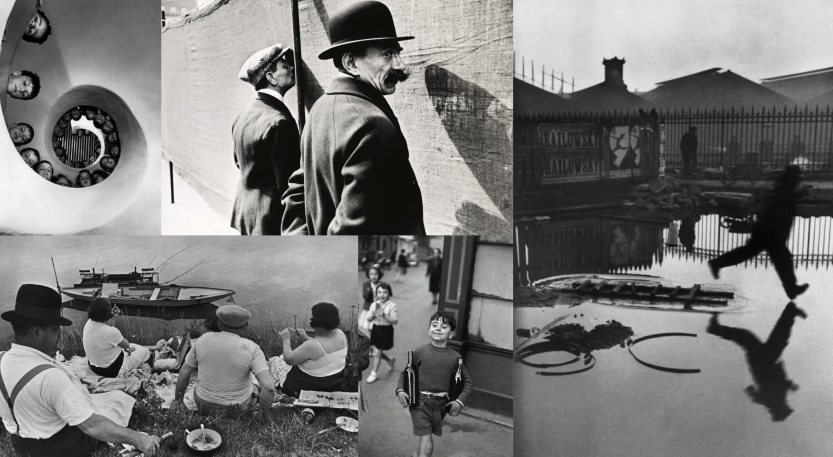
(Photo by Henry Kattier-Bretson)
MOST OF THE QUESTIONS IN AI ARE:
There's no camera view
IN OTHER WORDS, IT DOESN'T LOOK LIKE A PHOTOGRAPHER STANDING IN A CERTAIN POSITION, IT'S MORE LIKE A PICTURE OF A "SEEING GOD'S PERSPECTIVE." AI'S DEFAULT ANGLE IS MOSTLY A PARLANCE + CENTER + MEDIUM DISTANCE, WHICH IS A SAFE BUT EXTREMELY MEDIOCRE PARAMETER THAT ALLOWS THE IMAGE:
Lack of visual focus + no narrative + no relation + no real space depth + no sense of photography
SO, TO GET THE AI "FROM THE MAP TO THE PHOTO," YOU HAVE TO TELL IT:
Where's the cameraman's station? What angle, what camera, what radium
Let's start with three photographic parameters
II. THREE MAJOR PHOTOGRAPHIC PARAMETERS INCREASE THE IMAGE QUALITY OF AI BY ONE DIMENSION
Parameter 1: Camera Angle
The camera angle is not as simple as “a little higher, a little lower”, and it determines the quality of the image, its psychological implication, its narrative and its spatial structure, from three most basic, most commonly used professional perspectives:
1 Eye-level Angle - Natural, real, intergenerational
The cameraman is at the same height as the victim
Effect:
It's the most natural picture
Audiences entering the scene with a first-person perspective
It's for decorative, human, street, product presentation
Most of the work is in the light, because it's the closest to the world
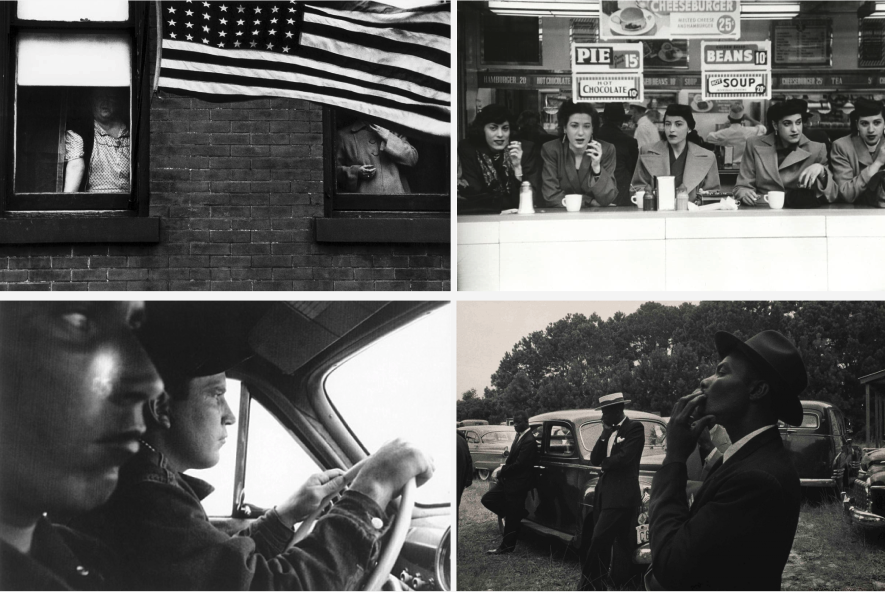
(Bresson, Robert Frank)
WHAT DOES AI SAY
i mean, i'm not sure if i'm gonna be able to do that, but i'm not sure if i'm going to do that
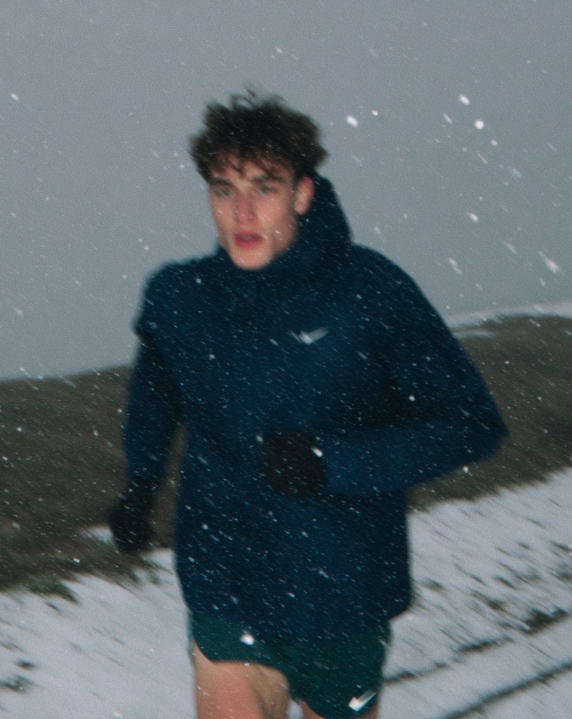
(Photography of a handsome young man in running form, armed bets at 90 notes, and only brightly leaving forward, eyes closed 10 metres ahead, changing plain plains in plain sight, facing low speed, low distance-angles
If you want a picture, like a picture, like a real life, to be seen
2 Low Angle - Power, air, epic
Camera below main height, from bottom to top. This is a very common angle in movies and commercial photography. He can make the subject "powerful" and it's more important to make the atmosphere "dramatic" at once, and it can make buildings, people and vehicles huge. Look at Nolan movies, big posters, super-engineered movies, almost all of them using a lot of angles
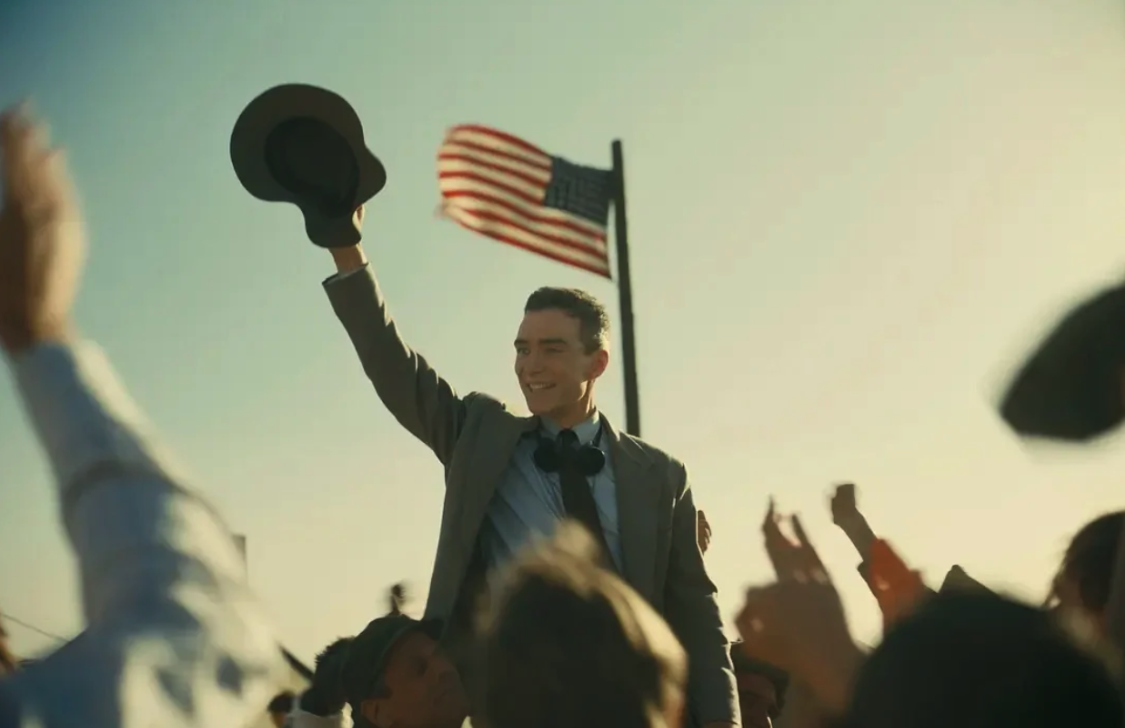
♪ In the movie Oppenheimer ♪
WHAT DOES AI SAY
now, if you don't mind, you'll be able to make a difference
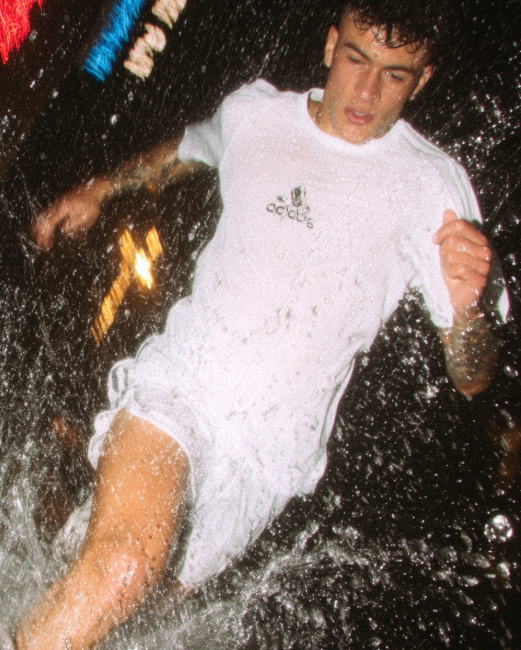
(Photography of a handsome young runner mid-train in the rain, walking through the plain plain ocean, Capturing at the height of the skylights is an easy task to achieve and achieve progress, an easy task for the future.)
If you want the picture to be "cool and impactive," use a low angle
High Underview - Order, Theatre, Visual Extremism
The camera is higher than the subject, it's called a view from the top down, and it allows the scene to be more informative and wide-ranging, but it makes the subject "small and fragile" and it makes it very easy to create visual tension and it has a "God's Perspective" drama, which is a very common angle for fashion photographers, Mario Testiño, illustrator Tim Walker
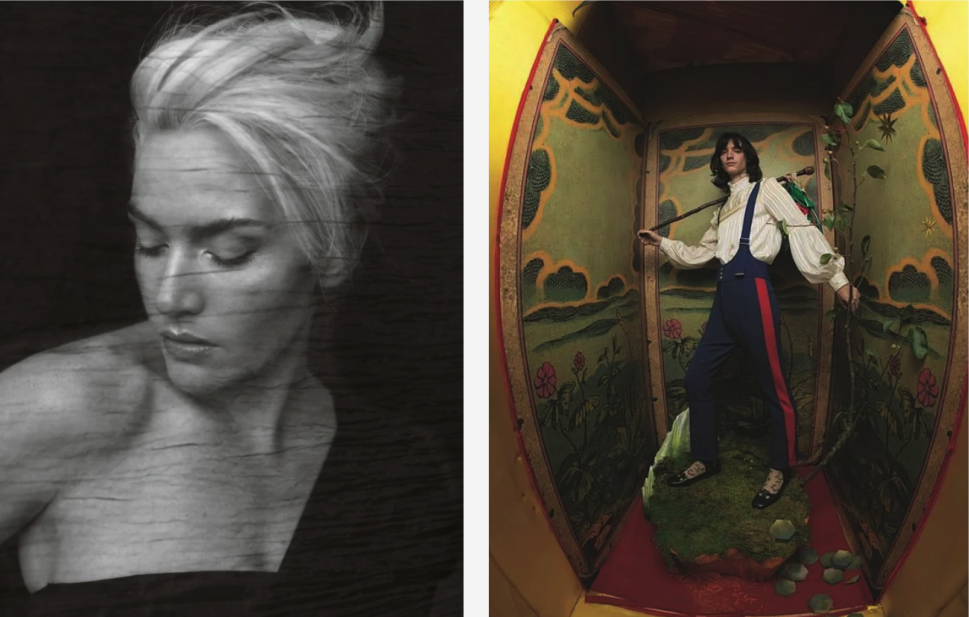
On the left, Mario Testiño, on the right, Tim Walker
WHAT DOES AI SAY
it's just that i'm not the only one in the world who's got a problem with this
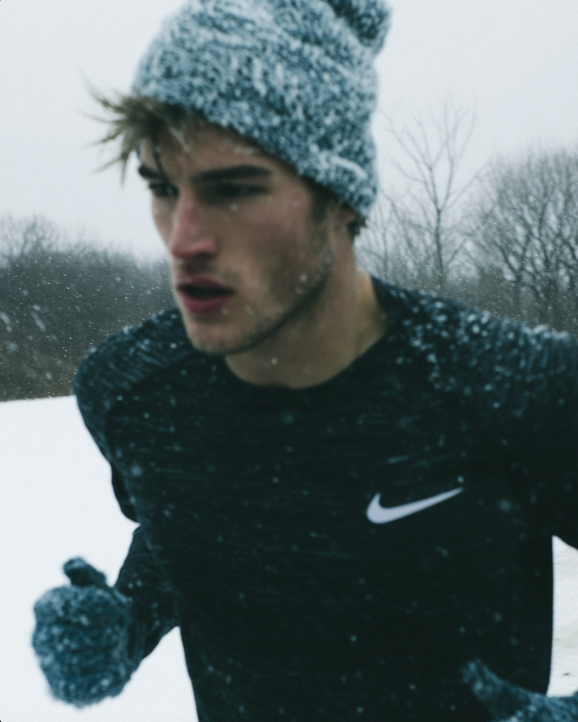
(Ai) Generating effects of a handsome young man running jogging in winter, wealing laid plain natural weather
If you want to make it more artistic, more dramatic, more organized, you look down。
From the angle:
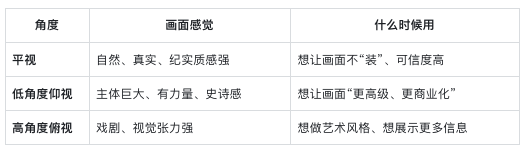
YOU'LL FIND, "AI'S REAL SENSE, MOSTLY FROM AN ANGLE."
iii. Focal Length styles the picture, not just "good"
In the photography, the focus section determines how the camera looks at the world
AND IT ALSO HAS THE FUNCTION OF "DETERMINING THE WORLD'S VIEWING" IN AI DRAWINGS
Many imagine the lens only “numbers are different”, but the focus is not the number, but the principle of perceiving, the spatial structure of the image, the sense of distance between objects, the relationship between the subject and the environment, and the way in which the viewer enters the picture。
YOU TELL AI WHAT TO DRAW, IT'S JUST “CONTENT INFORMATION”; BUT WHEN YOU TELL IT WHAT THE FOCUS IS, IT UNDERSTANDS HOW YOU WANT TO LOOK AT IT. THAT'S WHY MOST OF THE AI IMAGES ARE STRANGE -- BECAUSE THEY LACK A CLEAR VISION LOGIC, WHICH IS DETERMINED BY THE FOCUS。
We start with the basic physical principles of photography:
The shorter the focus, the wider the perspective, the greater the space, the greater the visibility and the greater the environmental narrative; the longer the focus, the narrower the perspective, the condensed background, the closer the scenery, the more focused, quieter and more focused the picture。
In other words, the focus is not a series of numbers, but a different way of “dissemination”
1 wide angle 24–35mm -- space-sensitized, film-sensitized
A wide-angle lens will bring a greater spatial distance, making the front-and-forward view more distinct and effective: a better view of space / a more visible view / greater prospects, a more distant view / a more "film image"
35mm, for example, is the favorite of countless photographers. bresson, mount sen, vivian mayer, almost all used 35mm。
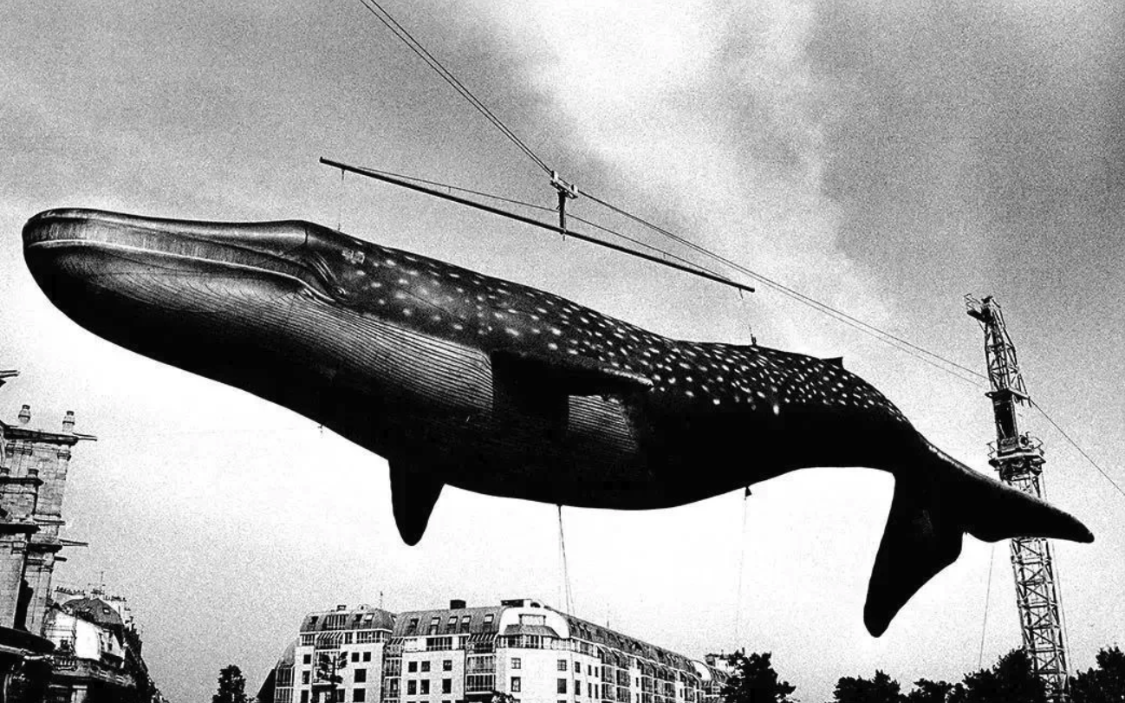
(Sensan Avenue photography)
AI HINT:
35 millimeters photography, wide-viewed, non-physical style
2 standard focus 50mm - nearest human eye, most real
50mm is called a “standard lens” not because it is ordinary, but because its perspective (about 40°) is the closest to the sense of spatial compression and perceiving in the natural observation scene. Photographers Garry Winogrand and Henri Cartier-Bresson are using 50 mm in large quantities, the core reasons being:
It captures "the truth without exaggerating."
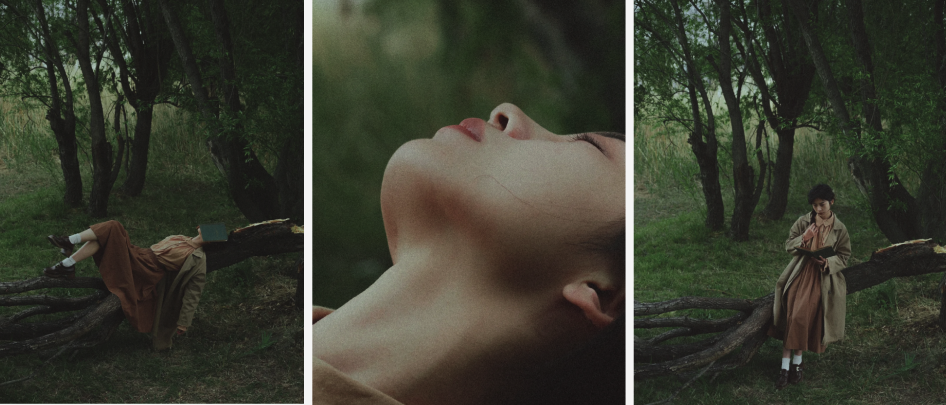
In a street shoot, 50 mm would hardly change the face of the subject, nor stretch or flatten space, so it would be particularly good for an AI -- especially when you want it to look like a real photo。
a 50mm photo by little red bookmaker, uncle cat diary
Tips:
50 millimeters, natural products of the world
3 medium long focus 85mm -- humans are a godly instrument, their background is fascinated and soft
Almost all commercial photographers tell you:
"If you don't know what to shoot with, with 85mm, it never goes wrong." 85mm has a stronger sense of compression, which makes the face more tight and five officials more rigid, while the background is soft and soft like butter, which is the focal point of the most “good people” in the photography. Photographers Peter Hurley, Annie Leibovitz's classic advertist, mostly in the 85-135mm zone, because it makes the subject high。
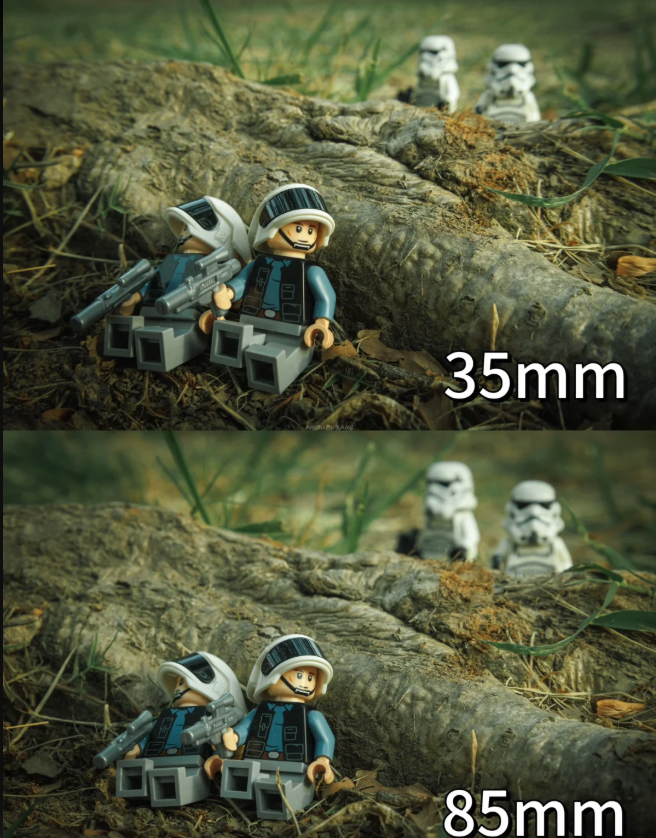
Image effect:
– It's a much more beautiful background
– The subject is clear and more commercial
– Faces are more rigid and less deformed
– Space has been reduced to a moderate degree, making the picture more stable and more “priced”
AI HINT:
85mm portrait leaves
4 Ultra-wide angle, fish eye -- strong visual impact
if 50 mm is naturalism, 85 mm is commercial beauty, it's anti-traditional, powerful, young visual expression。
24mm, 18mm, 14mm will magnify the prospects, and the background will be pulled away, resulting in “exaggeration”, especially for the topic of currents, streets, sports, and futures. And the fish eye pulls the picture and turns it into a styled tension. Many popular brands and street photographers (e.g. Goldie Williams) use this to create “shock screens”。
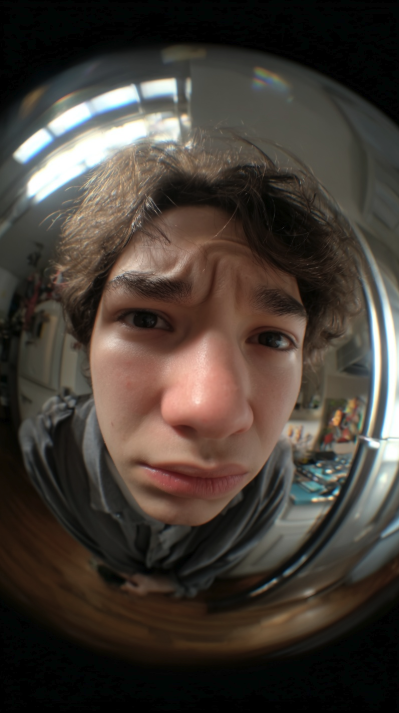
The subject's face is warped by the extreme wide-angle range
It is appropriate to exaggerate, fashion, rejuvenation, art。
i'm sorry, dear, but i'm sorry
IV. How exactly do you write a lens in a hint? (Replicable directly)
Basic
35mm lens50mm lens85mm portrait lensfisheye lens
Professional
with a 35mm full-time relationship, subsidiary relationship, 50 mm standing agreement agreement, 85mm reporting process, shared control, control, control, control, control, control, control, control, control, control, control, control, control, control, control, control, control, control, control, control, control, control, control, control, control, control, control, control, control, control, control, control, control, control, control, control, control, control, control, control, control, control, control, control, control, control, control, control, control, control, control, control, control, control, control, control, control, control, control, control, control, control, control, control, control, control, control, control, control, control
Advanced
35mm final length, full-frame wide peaceful, foreground to background physical harmony, non-physical depending
85mm medium telephoto leaves, background communication, subject organization, general portraiture service
V. The golden law of lens + angle combination (extra-war)
THE ANGLES AND FOCUSS HAVE TO BE WRITTEN TOGETHER TO MAKE AI FULLY UNDERSTAND HOW TO SHOOT。
Here's your formula:
1. The most natural and realistic photographs:
+ 35mm lens + f2.8
2. Advertising at the highest level:
+ 85mm lens + f1.8
3. The most filmed environmental figure:
+ 35mm left + f2.8 + cinematic depth
4. The most dramatic art style:
high-angle shot + 50mm lens + f5.6
VI. Implications and corrections
error one: write only close-up/ portrait
AI WILL CREATE STRANGE FACES BECAUSE IT DOESN'T KNOW YOU WANT:
A wide-angleded figure
Standard figure
Mid-long focus of business people
It should read:
if you're going to be able to help me, close-up portrait shot with 85mm lens, f1.8
Error two: The camera focus is in the wrong direction
You want a movie feeling and you write:
85mm
Results:
It's a bad background
Too much air
Lack of space for stories
It should be:
35mm cinematic lens
Error three: Shape with a wide angle
Trying to create a natural face, it's weird because of the default wide angle。
Amendments:
i don't know what you're talking about
The camera determines the style, the focus section decides the narrative
IN ORDER FOR AI TO BE A PHOTOGRAPHER, YOU HAVE TO UNDERSTAND THE LOGIC BEHIND THE CAMERA:
35mm "story telling"
50mm for "realizing."
85mm, "building beauty."
Fish eyes are responsible for "making shock"
AI IS NOT NOT GOING TO FILM, BUT YOU DIDN'T TELL IT "HOW TO LOOK AT THE WORLD." THE LENS IS THE VISUAL LANGUAGE. PEOPLE WHO KNOW THE CAMERA, THE HINT IS NEVER BAD