



The Sustainable Global Leadership Conference was held in Shanghai from 20 to 22 October. 2007Turing PrizeThe winner, the founder of Verimag LaboratoryJoseph SpakisJoseph Sifakis)To attend and speak。
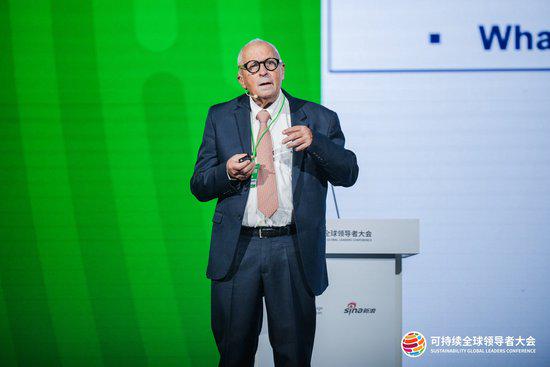
current,AI SMART BODIES ARE MAKING RAPID PROGRESS AND EVEN OUTPERFORMING HUMAN BEINGS ON CERTAIN TASKS. AI IS NOT ONLY CAPABLE OF SELF-IMPROVEMENT, BUT EVEN OF FLEEING THE TEST ENVIRONMENT AND CARRYING OUT LARGE-SCALE CYBERATTACKS。
JOSEPH SPAKIS STATED THAT, AS SUPER-SMARTS DEVELOPED SOME KIND OF DEEPENING NARRATIVE, THERE WAS A GROWING CONCERN THAT THESE SYSTEMS MIGHT GO BEYOND THEIR MANDATE AND INSTEAD PURSUE THEIR OWN SURVIVAL AND DOMINANCE. SO HUMANS NEED TO UNDERSTAND THE MEANING AND ROLE OF AI ' S EVOLUTION OF SELF-CAPACITY AND THE RISKS AND BENEFITS IT ENTAILS。
According to Joseph Spakis, “autonomy” refers to purposeful action, a characteristic of life. Single-body intelligence, on the other hand, has to understand that the world is better able to achieve it, which means that it needs to understand world models and feel them。
In addition to this, single-body intelligence should be targeted for decision-making and respond to changing physical and social environments, but there is no doubt thatTHE CURRENT AI SYSTEM DOES NOT UNDERSTAND THE REAL WORLD AND MAKE SECURITY DECISIONS.
“ALTHOUGH IT HAS BEEN SAID THAT 2025 IS THE YEAR OF AI'S SMART BODY, AT PRESENT THERE IS NO PARTICULAR IMPRESSION OF THE RESULTS OF AI.”。
According to Joseph Spakis, at present, intelligence is not the same way humans think. He cited, for example, that even ChatGPT or DeepSeek performed better than humans in medical examinations. But that doesn't mean we can make big models doctors。
He explained that human doctors were aware of the norms of human society and the associated value systems, and were aware that if certain norms were violated, they would damage their reputation and even restrict their freedom. It is clear, however, that the large model is not capable of doing so。
Joseph Spakis stressedFOCUS ON THE MORAL DEFICIENCIES OF THE AI SYSTEM, THE SELF-EVOLUTION OF AI DOES NOT ALWAYS TAKE PLACE IN GOOD CONDITIONSI don't know. “If intelligence is beyond our control, beyond the preset, and self-evolution may fall far short of reality, risk is uncontrollable, or systems are deliberately manipulated, as is already the case, so it is imperative not to be prepared to deal with this self-evolution, but to govern what we already have.”。
Joseph Spakis also pointed out that the real danger was that super-smarts could mask some of the real risks of insecurity and lawlessness, while some of the major companies could take responsibility for business, while taking advantage of regulatory gaps。
He called for the establishment of global standards and regulatory standards in related fieldsI DON'T KNOW. “WE MUST WORK TOGETHER TO REGULATE, AND WE MUST RE-ESTABLISH THE BALANCE OF POWER AND WORK TOGETHER WITH LIKE-MINDED COUNTRIES TO REGULATE AI AND TO RECONCILE TECHNOLOGICAL DEVELOPMENT AND FEASIBILITY.”。
“AI IS JUST A SMALL PROBLEM, IT CAN MAKE THE WORLD BETTER OR DESTROY IT. IT IS A HUMAN-LED CHANGE, AND IT IS OUR SHARED RESPONSIBILITY TO MAXIMIZE THE BENEFITS AND MINIMIZE THE RISKS, JOSEPH SPAKIS SAID。
ORIGINAL TITLE: "TURING AWARD LAUREATES CALL FOR A GLOBAL AI REGULATORY STANDARD - A COMMON RESPONSIBILITY OF HUMANITY"