



November 3rd, MSI Omdia ACCORDING TO THE LATEST ANALYSIS, AS THE INDIVIDUAL AI INTELLIGENT BODY DEVELOPSAI glassesCompetition will further extend from hardware to model capabilities, cross-equipment and cross-service integration, with differences premised on the provision of reliable, practical experiences that mobile phones are difficult to achieve。
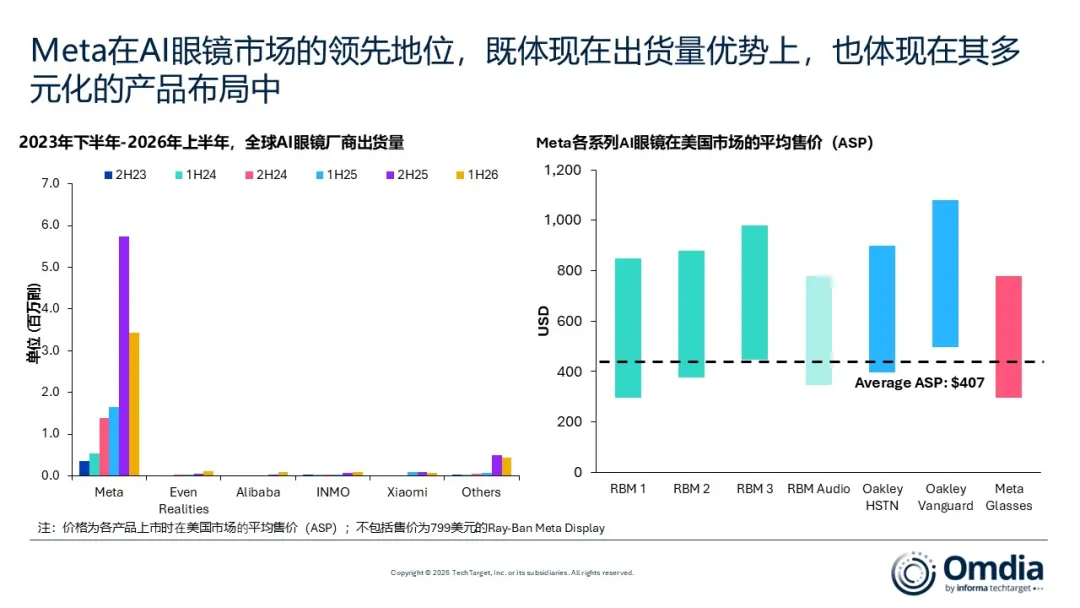
Using the Meta project as an example of the introduction of an individual intelligence body, Muse, into AI glasses, it is noted that free of hand-held interactive and first-view visual information helps the intelligence to understand the user ' s intentions and the environment and to reduce the user ' s burden of explaining the demand; tasks can then be handled by equipment or clouds, and other services can be coordinated。
In the Agency ' s view, this immediate and natural interaction may give consumers the willingness to entrust more day-to-day tasks to intelligent bodies, including those that were not previously assigned to cellular voice assistants。
But reliable enforcement, clear secure borders and consumer confidence in access to personal data are prerequisites for the expansion of smarts; past privacy disputes in Meta can make confidence-building more difficult。
The competitive path proposed by Omdia is not limited to large companies with self-study models: Other hardware manufacturers can work with AI service providers such as OpenAI to compete with differentiated hardware。