



最近,AI短剧火遍全网。从“拍我AI”到“Seedance”,从即梦到Vidu,从可灵到海螺AI,人人都能当导演。但你有没有遇到这种情况:
剧情没到一半,人物换脸了;镜头剪出来像PPT翻页;风格散乱,前后像两个作品。
很多人觉得是技术不行,其实80%的问题,是因为你没用“框架思维”在做短剧。
今天我就给大家讲清楚:
什么是AI短剧的“框架思维”?框架思维的底层逻辑是什么?
实战案例教你如何用框架思维做出高完成度短剧(附提示词)。
一、什么是“框架思维”?你不搞懂,短剧做10遍都废
“框架思维”简单说,就是在动手前,先搭好一套骨架,保障剧本、角色、镜头、风格从头到尾统一。
AI短剧不比真人拍片,导演和剪辑全靠你一人。框架搭不牢,AI理解错了,不换脸都算它敬业。
框架思维包含三层:
- 叙事框架:故事从哪里开始,高潮在哪,如何收尾。
- 视觉框架:角色长什么样,风格调性(冷暖色调、写实or二次元)统一。
- 镜头框架:每个场景用什么镜头语言表达(推拉摇移、景别变化)。
用一句话总结:框架是导演思维的底层代码,能让AI“理解”你到底想拍什么。
二、为什么AI短剧特别需要框架思维?
- 对抗AI的“发散性”弱点: AI擅长天马行空,但缺乏聚焦与逻辑。框架就是缰绳,约束AI的胡思乱想,让创意服务于核心故事。
- 提升创作效率: 明确框架后,AI生成更有方向,减少无效修改,从“反复试错”到“精准生成”。
- 保障故事吸引力: 短剧的核心是“爽点”、“冲突”和“节奏”。框架思维确保这些关键元素被精准设计并前置,牢牢抓住观众。
- 实现规模化生产: 有了成熟框架,就能快速复制成功经验,批量产出高质量短剧,抢占市场。
三、框架思维的底层逻辑:从“全局”到“局部”,用好这三步
1. 先定“全局锚点”——确定作品的“骨架”
这是你对AI下的“全片命令”,包括:
- 剧情主线(复仇?爱情?悬疑反转?)
- 风格锚点(电影质感?日漫风?赛博朋克?)
- 主角形象(面部特征+服饰+性格关键词)
提示词模板
全局锚点提示词(文生图):cinematic, dark noir tone, sharp contrast lighting, young female detective with short black hair, wearing a leather trench coat, urban night scene, realistic textures
这一步,就是把AI的“理解力”框死在你的设定里。
2. 再搭“场景模块”——每个场景是骨架上的“关节”
场景模块是指:
- 每个关键情节点的场景设定(如:暗巷追逐、密室质问、天台对峙)
- 场景镜头风格(如:低角度仰拍制造压迫感)
提示词模板
场景模块提示词(图生视频):low angle tracking shot of female detective running in a dimly lit alley, neon signs reflecting on wet pavement, intense chase sequence, handheld camera movement
这一步能保证你的短剧在节奏上是流畅的,镜头风格是统一的。
3. 最后做“细节一致性”——把骨架上的“肌肉皮肤”补齐
- 主角在不同场景中的姿态、情绪(高冷、愤怒、恐惧)
- 道具、服装细节不能乱(手枪的型号、项链颜色)
提示词模板
细节一致性提示词(图生视频):close-up of female detective’s face, cold and determined expression, subtle scar on left cheek, gripping a black Glock pistol, wind blowing her hair slightly, cinematic depth of field
这一层细节,是让观众从头到尾“信”你这个角色的关键。
四、实战案例:用框架思维做一部《断崖边的交易》
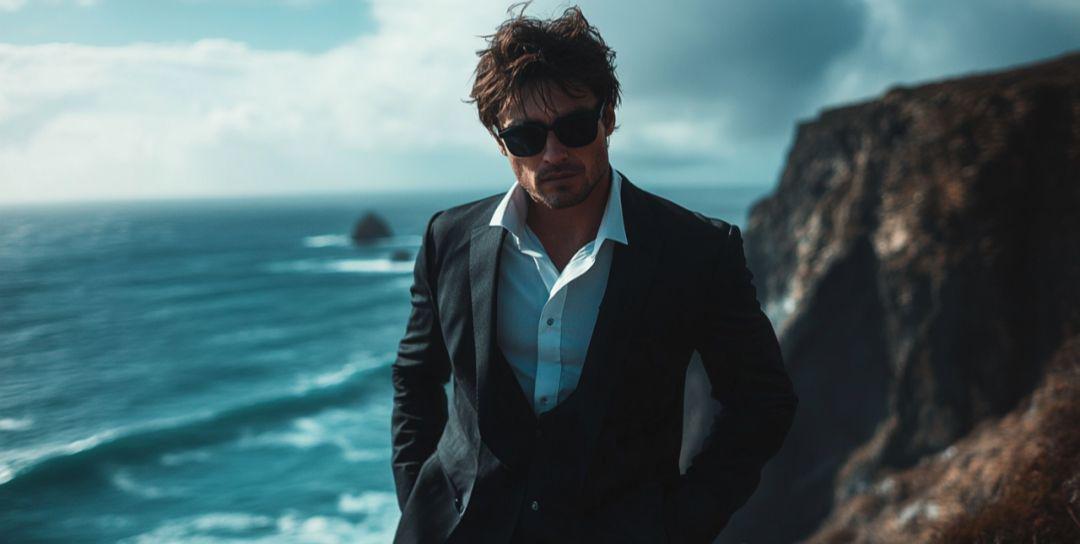
剧情概述:一名西装男子在悬崖边与神秘买家交易情报,风格冷峻、压迫感强,结尾反转——男子其实是卧底,警方从远处监视。
1、全局锚点(文生图提示词)
作用:锁定全片风格+主角形象统一。
- cinematic, high contrast lighting, cold blue-gray color tone, male agent in a sharp black suit with dark sunglasses, standing at cliff edge, rugged coastal landscape, wind-blown hair, intense atmosphere, photorealistic, moody shadows, 35mm lens depth of field
2、场景模块设计(图生视频提示词)
场景1:悬崖边对峙
- medium shot of male agent standing at cliff edge, facing a mysterious figure in long coat, ocean waves crashing below, camera slowly dolly-in, wind ruffling their clothes, intense face-off, overcast sky, cinematic lighting contrast
场景2:手提箱交换(特写)
- close-up of agent’s gloved hand opening a silver briefcase, revealing confidential documents, shallow depth of field, subtle lens flare, tension-filled atmosphere, handheld camera shake
场景3:警方监视(远景)
- wide shot from elevated angle, agents in tactical gear watching through binoculars from hidden vantage point among rocks, long lens compression effect, muted color palette, ocean spray in background, steady cam slow zoom-in
3、细节一致性提示词(图生视频微调)
角色表情与动作
- close-up of male agent adjusting his sunglasses with a smirk, sharp jawline highlighted by side lighting, wind moving his tie, cinematic shallow depth of field
场景氛围补充
- over-the-shoulder shot of agent holding a document with cliff and crashing waves blurred in background, desaturated color tone, subtle camera sway to mimic wind pressure
4、全片风格锚定参数(每个场景都要附加)
- photorealistic cinematic style, cold color grading (blue-gray), moody high contrast lighting, consistent character design (black suit, sunglasses, sharp jawline, short textured hair), dynamic camera motion, 35mm lens depth of field
核心提示:
- 文生图:用于生成主角全局定妆与场景基础(确保角色形象不跳脸、不变装)。
- 图生视频:在图生视频提示词中强制加入“全片风格锚定参数”,避免前后风格断裂。
- 每个分镜提示词中都要有主角外形描述+场景氛围描述+镜头运动语言。
5、最终场景提示词(图生视频提示词)
将全局锚点提示词、细节提示词和风格锚定参数全部整合到每个场景的提示词中,做到“一条提示词=直接能用”,以便能直接用于AI工具(如可灵、Vidu、Midjourney、Veo 3、Runway),确保角色和风格全片一致。
场景1:悬崖边对峙
medium shot of a male agent with sharp jawline, short black textured hair, wearing a tailored black suit and dark sunglasses, standing at the edge of a rugged cliff, facing a mysterious figure in a long coat, ocean waves crashing violently below, wind ruffling their clothes, intense face-off moment, cinematic high contrast lighting, cold blue-gray color tone, moody shadows, photorealistic textures, 35mm lens depth of field, photorealistic cinematic style, consistent character design (black suit, sunglasses, sharp jawline, spiky short hair), dynamic dolly-in camera movement, realistic wind effects on clothing

场景2:手提箱交换(特写)
close-up shot of the male agent’s gloved hand (black leather glove) opening a silver briefcase, revealing confidential documents under soft spotlight, subtle lens flare on the metallic surface, shallow depth of field focusing on the agent’s fingers gripping the case latch, cinematic high contrast lighting, cold blue-gray color grading, photorealistic detail on textures (glove stitching, metal reflections), consistent character identity (agent in black suit with silver chain necklace), cyber-noir cinematic style, dynamic handheld camera shake for tension, 35mm lens depth of field

场景3:警方监视(远景)
wide elevated shot of tactical agents hidden among rocky outcrops, observing through binoculars, in the background the male agent (sharp jawline, black suit, sunglasses) stands by the cliff edge, ocean waves crashing below, muted color palette with cold blue-gray tones, long lens compression effect, photorealistic textures on rocks and tactical gear, cinematic high contrast lighting, dynamic zoom-in camera movement towards agents, atmospheric mist drifting across scene, consistent visual style with global anchor (cyber-noir cinematic look, high contrast shadows, consistent character design with tailored black suit and spiky short hair)

场景4:神秘买家撤退(中景侧拍)
side tracking shot of the mysterious buyer (long dark coat, face partially hidden under wide-brim hat) walking away from the agent towards a black SUV parked near the cliff edge, ocean backdrop with dramatic lighting, reflections on car surface, cold blue-gray color tone, cinematic high contrast shadows, photorealistic textures on coat fabric and gravel ground, consistent scene style (noir cinematic look), steady cam movement, character visual consistency (male agent remains static in frame, black suit, sunglasses, sharp jawline, spiky hair visible from behind)

场景5:反转揭晓(特写)
close-up of the male agent adjusting his sunglasses with a subtle smirk, faint scar visible on his left cheek, intense side lighting casting sharp jawline shadow, wind moving his tie slightly, cold blue-gray cinematic lighting, shallow depth of field focusing on facial details, photorealistic skin texture and suit fabric, cyber-noir visual tone, consistent character design (spiky short hair, silver chain necklace), slight camera push-in for dramatic effect

场景6:警方出击(动态远景)
wide action shot of tactical agents emerging from cover, sprinting towards the agent and buyer, ocean waves in the background, dynamic low angle camera tracking their movement, photorealistic gear details (vests, helmets), cinematic high contrast lighting, cold blue-gray tones, environmental dust kicked up from footsteps, consistent character placement (agent by cliff edge, black suit, sunglasses, sharp jawline), cyber-noir cinematic visual style, smooth dolly camera movement following action

提示词结构总结:
每个场景提示词都包含了:
- 角色外观锚定(黑西装、短发、墨镜、下颌线等)
- 动作+镜头语言描述(dolly-in、handheld、side tracking等)
- 光影与色调(冷蓝灰色调、高反差光影)
- 细节一致性(手套、手提箱、项链、脸部特征)
- 风格锚定参数(photorealistic、cyber-noir、cinematic style)
6、剪辑成片

五、总结:用框架思维,你能让AI短剧“一次成片”
AI短剧做得烂,80%不是AI不行,是导演(也就是你)没把“框架”搭好。
记住这三步:
- 先定“全局锚点”——统一故事、风格、角色。
- 再搭“场景模块”——每个场景按模块设计镜头语言。
- 最后补“细节一致性”——表情、道具、服饰一个都不能乱。
学会框架思维,AI短剧对你来说不是“拼运气”,而是“拼实力”。
以上就是今天分享的内容,你学会了没?