



At the Akutagawa Prize ceremony on Wednesday, Rie Kudan, 33, the winner of the Japanese Literature Prize, confessed that about 5% of her novel "Tokyo-to Dojo-to" is through ChatGPT.ChatGPTGenerated. The novel is about a high-rise prison in futuristic Tokyo and the architects' intolerance of criminals.AIis an important theme in the novel.
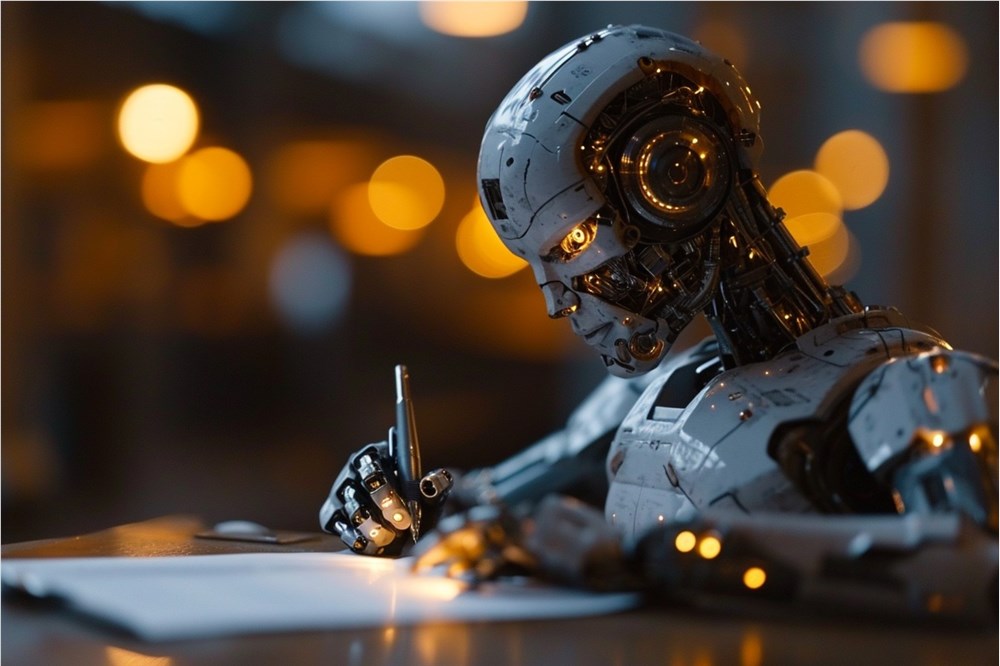
Source Note: The image is generated by AI.
Rie Kudan said that ChatGPT helped her realize her creative potential. At the awards ceremony, she confessed: "In creating this book, I actively utilized the likes of ChatGPT."Generative AI." She estimates that about 51 TP3T of the novel's content was extracted directly from AI-generated sentences.
In addition to using AI in her work, Rie Kudan sees AI as a source of inspiration and a companion in her creative process. She reveals that she often communicates with the AI, pouring out inner thoughts that she 'can't talk about with anyone else.' In some cases, ChatGPT's answers have even inspired dialogues in her novels.
Unlike some artists who worry about copyright infringement by AI companies, Asahi sees AI as a complement to human capabilities. She says she hopes to maintain aNotableWriters such as John Grisham, Jodi Picoult and George RR Martin, the author of Game of Thrones, as well as the Writers Guild, have contrasting views.
NotableHorror author Stephen King shares a similar view with Rie Kudan, believing that AI is a supplement to human skills and is incapable of creating truly creative moments. King doesn't feel threatened by AI systems being trained on his work.
Rie Kudan's experience presents a different view of generative AI as a useful tool for human creativity rather than a threat to past works. This may represent the possibility of a future in which literary creation and AI coexist harmoniously.