



BEIJING, July 10 (Xinhua) -- According to the Financial Times, theNvidia CEO Jen-Hsun Huang (Jensen Huang is scheduled to visit China to reaffirm the company's commitment to the Chinese market. The company plans to launch a new model designed specifically for the Chinese market as soon as September of this year. AI Chips.
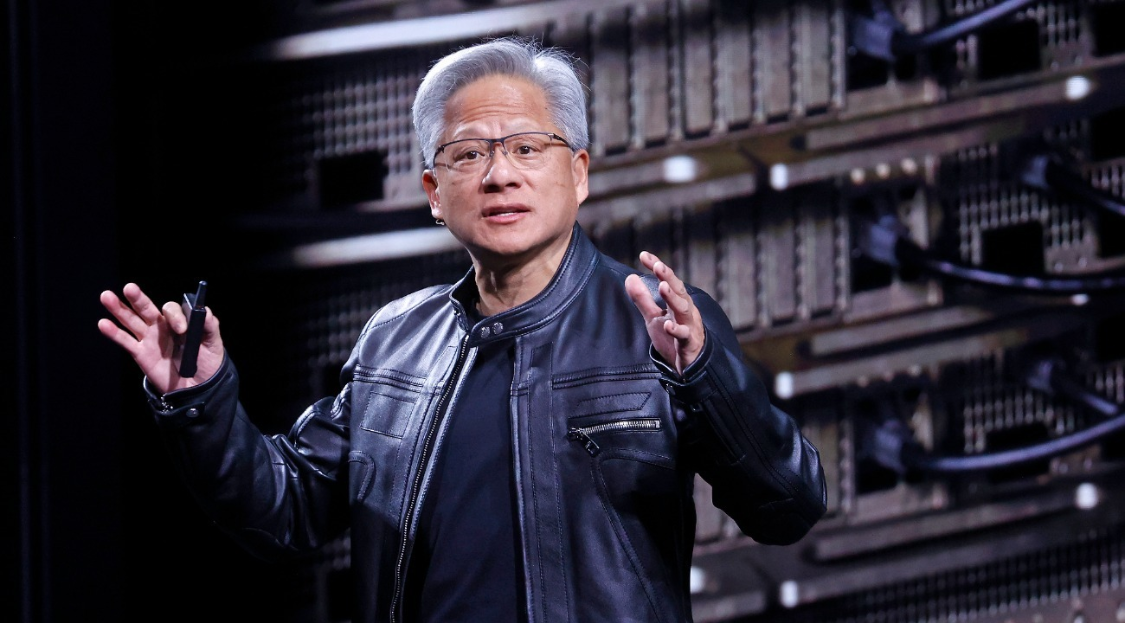
NVIDIA's new China-specific chip is a downgraded version of its existing Blackwell RTX Pro 6000 processor, modified to comply with U.S. President Donald Trump's tightened export control regulations, according to people familiar with the matter. The chip will strip out some of its most advanced technologies, such as high-bandwidth memory (HBM) and NVLink, an interconnect technology used to speed up data transfers.
Sources close to the situation say thatJen-Hsun Huang plans to attend the China International Supply Chain Promotion Expo, which opens next Wednesday in Beijing.In April this year, Huang Jen-hsun met with Vice Premier He Lifeng during his visit to China. In April this year, Huang Jen-hsun had met with Vice Premier He Lifeng during his visit to China.
Jen-Hsun Huang is expected to reaffirm Nvidia's commitment to the Chinese market, even as multiple rounds of U.S. export restrictions have cost the company billions of dollars in lost business.
In May, Jen-Hsun Huang criticized the U.S. for "failing" to control exports of AI chips to China at the Computex show in Taipei. On Wednesday local time, Nvidia became the first company to surpass $4 trillion in market capitalization. The company's shares suffered a setback earlier this year as the US tightened export controls. But then, as investors are optimistic about the development of the global AI market, NVIDIA shares have fully rebounded.
New Special Edition Chip
NVIDIA's new China-specific chip won't go on sale before September because NVIDIA needs to get assurances from the Trump administration that the chip won't violate new export restrictions and can't be blocked shortly after launch. The chip's specifications could still change, depending on the outcome of NVIDIA's discussions with Washington.
Demand for the new chip is not expected to be as high as for the previous H20. The NVIDIA H20 was actually banned from export in April of this year, causing NVIDIA to initially take a $5.5 billion impairment loss.
For NVIDIA, launching new products developed specifically for the Chinese market and ensuring continued availability requires building a large inventory. If there is uncertainty about U.S. export policy, this will pose a financial risk to NVIDIA.
According to NVIDIA's FY2025 annual report, China is its fourth largest market, with revenue of $17.1 billion, or 13% of its total sales.
response
A spokesman for NVIDIA declined to comment on plans to redesign its chips for the Chinese market.
"China has one of the largest developer communities in the world, and the open source base models and non-military applications they develop are used globally. While security is critical, every such application should ideally run smoothly on a U.S. AI platform." The spokesperson said.