



November 15thOpenAI Chief Executive Sam Altman published an internal memorandum in September 2025, revealing his plan to build up to 250 GW by 2033. This post is part of our special coverage Syria Protests 2011It's the whole thingIndiaAnd its 1.5 billion citizens need electricity to powerIts CO2 emissions will also be double that of ExxonMobil, which, according to the report, is currently the “largest non-State carbon emitter” on the planet。
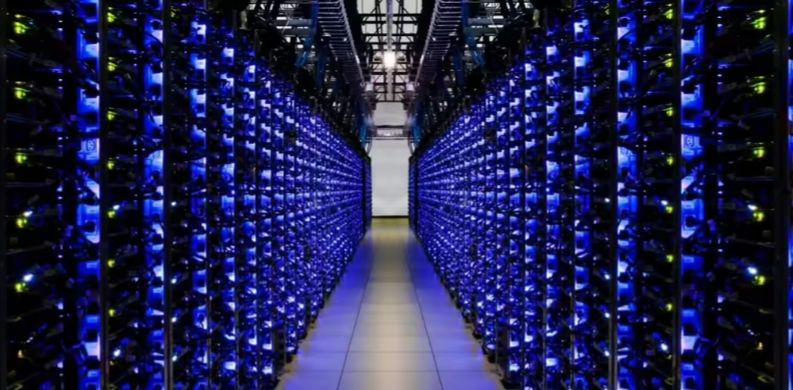
DivideData CenterIn addition to its own carbon emissions, the author Alistair Alexander estimates that 250 guivals are capable of supporting the operation of about 60 million GB300 GPUs. This means that in order to keep the system going, OpenAI needs to purchase about $30 million GPU a year. According to Alexander, this is based on the fact that these GPUs operate at full capacity of 365 days a year, 24 hours a day, and thus have a shorter life; it should be noted, however, that the GPU's commonly called “two-year life cycle” refers mainly to its economic value cycle - that is, with the release of a new generation of products, the value-for-money ratio of the old model declines rapidly. In any case, the total amount of GPU required to sustain OpenAI's ambitious vision remains alarming。
It is worth noting thatThese estimates are for OpenAI, a company; other technology giants are also large-scaled with their own AI data centres. For example, the XAI team under Elon Musk plans to deploy the equivalent of 50 million HK$ H100 AI GPU by 2030, which is expected to be accompanied by approximately 5 Giva power supply. Such large-scale global capital heat surges are exacerbating power supply constraints, pushing up electricity prices and leading to a decline in the quality of electricity used by the population; moreover, their impact on water resources cannot be ignored, as large computing systems rely on astronomical digital-level cooling。
Alexander went further upIn-depth examination of the environmental costs of the chip manufacturing chainI don't know. The huge demand for the AI processor market and the billions of dollars of firm-driven procurement commitments have led to the explosive growth of the global crystal plant (fab): over the past two years, 97 new round-shops have been launched globally, with the generation of power (TSMC) and Samsung as giants. Similar to data centres, these chip plants consume huge amounts of water and electricity; even worse, the production process of advanced chip production often involves many toxic chemicals。
According to the report, power demand is expected to reach at least 1 kiva - equivalent to 750,000 households in Taiwan - by a single crystal round plant located in Taiwan alone; the daily water use at the plant will be as high as 100,000 tons, equal to the total daily water use of about 196,000 residents of Taiwan. SHARPS, a trade union for the semiconductor industry in Korea, disclosed that Samsung factory workers suffered from multiple cancers, all of which were confirmed to be associated with chemical substances exposed to the workplace。
1AI UNDERSTANDS THAT THE POWER STRUGGLE OVER ARTIFICIAL INTELLIGENCE IS PUTTING UNPRECEDENTED PRESSURE ON THE EARTH ' S LIMITED NATURAL RESOURCES, FAR BEYOND THE DATA CENTRE LEVEL, AND CUTS ACROSS THE ENTIRE INDUSTRIAL CHAIN: FROM THE PRODUCTION OF CUTTING-EDGE CHIPS TO THE EXTRACTION OF RARE EARTH AND OTHER CRITICAL RAW MATERIALS. SCIENCE AND TECHNOLOGY ENTERPRISES ARE INVESTING TENS OF BILLIONS OF DOLLARS IN THE COMPETITIVE EXPANSION OF HARDWARE AND INFRASTRUCTURE TO STRENGTHEN THEIR CAPACITIES; AT THE SAME TIME, COUNTRIES ARE CURBING THE TECHNOLOGICAL PROGRESS OF COMPETITORS, INCLUDING THROUGH TRADE BARRIERS。
The report concludes with a warning: "When the chief executive officers of Silicon Valley are burning down how much more computing power is needed to keep artificial intelligence going, the real question we should ask is, how much more artificial intelligence can this planet withstand?"