



On November 17th, according to a report by the co-founder todayJapanTHE UNIVERSITY OF JIJI RESEARCH TEAM RELEASED AN AI-BASED "FACED BEAR" AI PredictionMap, designed to predict the probability of human encounters with bears in 19 regions of Sapporo City, Akita County, Japan。
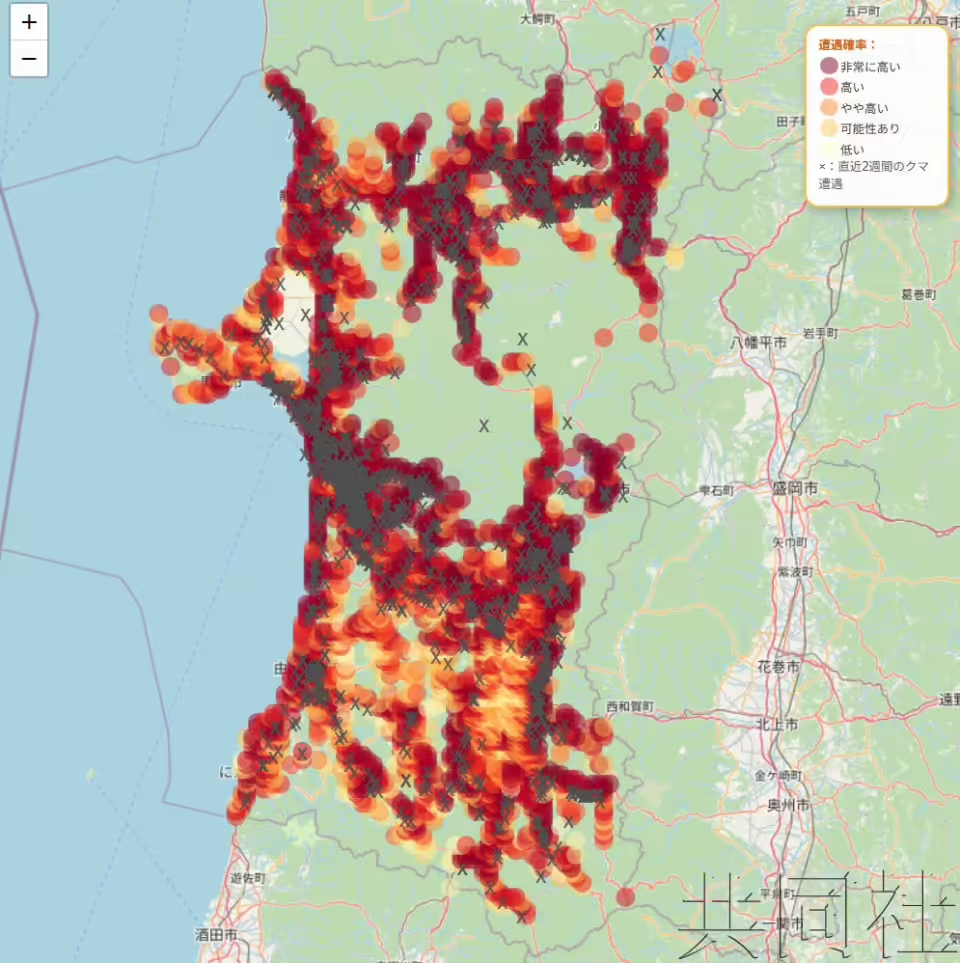
THE STUDY WAS LED BY ASSISTANT PROFESSOR OF DATA SCIENCE, MS. DEEPAWA AND OTHERS. USING RECORD-KEEPING DATA FROM BEARS OVER THE PAST 1-3 YEARS, THE TEAM DEVELOPED AN AI METHODOLOGY FOR PREDICTING RISKS TO HUMAN BEARS, TAKING INTO ACCOUNT MULTIPLE FACTORS SUCH AS FOREST COVER, ENVIRONMENTAL CONDITIONS, ROAD NETWORK LAYOUT AND POPULATION DISTRIBUTION。
Based on the results of the analysis, areas at higher risk are usually located on foothills, along rivers (note: possible hideouts or mobile routes for bears), around mountain roads and in areas with a high level of population ageing。
Based on this projection methodology, the research team produced visual maps. Maps reduce the probability of bear encounters per square kilometre grid unit to a total of five levels, and use different colours for marking. The forecast map was made public on October 20, 2025。
The specific areas covered by the map include Sapporo City, Qingseng County, Shangang City, Akita County, Yamaya County, Miyagi County, Fukushima County, Xinjiang County, Nagano County, Tamma County, Saiyu County, Tokyo, Shanyu County, Fushan County, Ishikawa County, Fukui County, Xiu County, Kyoto Prefecture, for a total of 19 administrative districts。