


November 20 news.《The New York Times"On Wednesday, the Chinese are still pushing."USAof AI Research。If not for the talented Chinese researchers entering the United StatesSilicon ValleyCOMPANIES WILL LAG BEHIND IN GLOBAL AI COMPETITION。
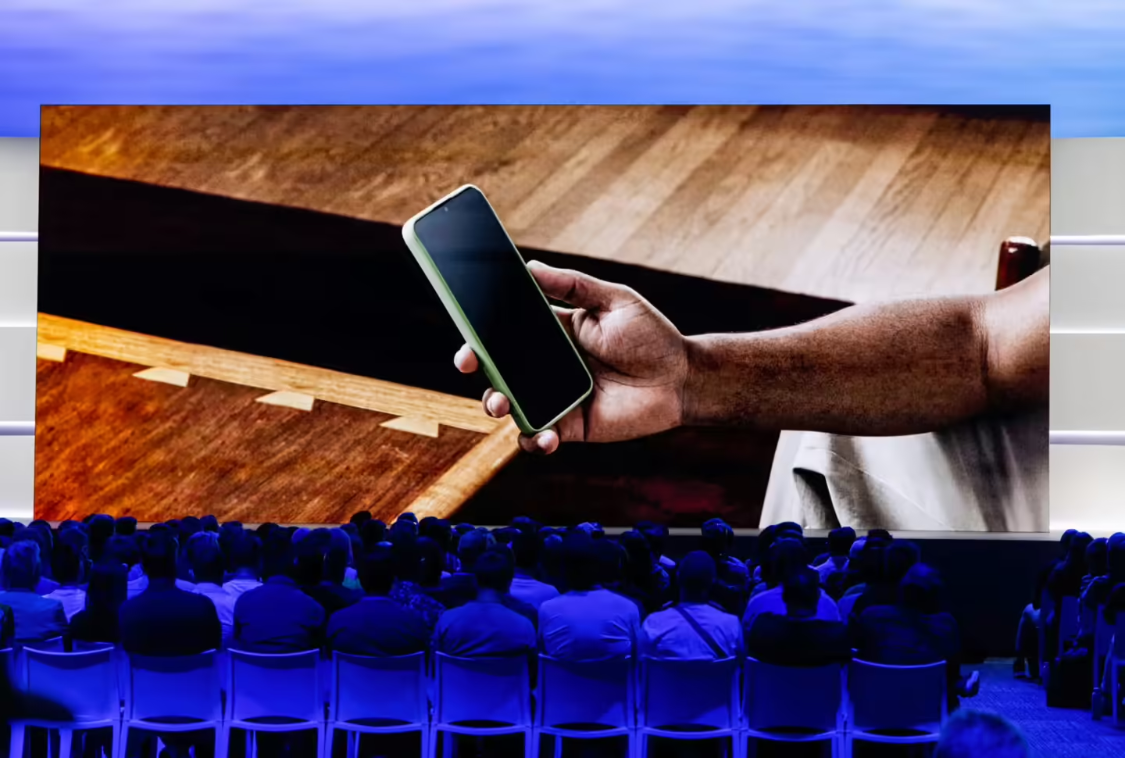
In June this year, when Meta CEO Mark Zuckerberg announced the establishment of a super-intelligence laboratory, he introduced 11 AI researchers who joined this ambitious project, whose goal was to build an AI stronger than the human brain。
This 11 researchers are immigrants educated outside the United States. According to a memo read in The New York Times 7 Born in China。
ALTHOUGH MANY US CORPORATE EXECUTIVES, GOVERNMENT OFFICIALS, AND EXPERTS HAVE BEEN PORTRAYING CHINA AS THE “ENEMY” OF US AI’S RAPID DEVELOPMENT FOR MONTHS, MANY OF THE PIONEERING RESEARCH THAT HAS EMERGED IN THE US IS ACTUALLY DRIVEN BY CHINESE TALENT。
Chinese talent plays an important role
TWO RECENT STUDIES SHOW THAT FOR MANY YEARS, RESEARCHERS BORN AND EDUCATED IN CHINA HAVE PLAYED AN IMPORTANT ROLE IN THE BEST AI LABORATORIES IN THE UNITED STATES. ALTHOUGH THE TRUMP GOVERNMENT HAS TIGHTENED ITS IMMIGRATION POLICY, IT IS STILL PROMOTING IMPORTANT AI RESEARCH IN INDUSTRY AND ACADEMIA。
These two studies, from different agencies, show the detailsTHE EXTENT TO WHICH THE UNITED STATES SCIENCE AND TECHNOLOGY INDUSTRY CONTINUES TO RELY ON ENGINEERS FROM CHINA, ESPECIALLY IN THE AI AREA。The findings also provide a more detailed perspective on the continuing cooperation between the two countries。
IN 2020, A STUDY BY THE PAULSSON FOUNDATION, WHICH WORKS TO PROMOTE CONSTRUCTIVE RELATIONS BETWEEN CHINA AND THE UNITED STATES, ESTIMATED THAT CHINA ' S AI RESEARCHERS MAKE UP NEARLY ONE THIRD OF THE WORLD ' S TOP AI TALENT, MOST OF THEM WORKING IN AMERICAN COMPANIES AND UNIVERSITIES。
According to a new study by the Carnegie Endowment for International Peace, the vast majority of these Chinese researchers are still working in United States institutions. In 2019, the top 100 Chinese researchers who had served in American universities or enterprises, and who have been working in the United States for the first time in the last year of the year, were able to learn about the situationThere are 87 people who are still working in U.S. universities or enterprises。
“The US AI industry is the largest beneficiary of Chinese talent,” said Matt Sheehan, the analyst who wrote these two studies, “There are so many top Chinese researchers who work in the United States. As the Institute has shown, they chose to remain in the United States despite the tensions and obstacles they have faced in recent years.”
There is still considerable cooperation between China and the United States. Another study by AlphaXiv, which assists people in tracking and using the latest AI research, shows that since 2018, the two countries have conducted joint research more frequently than any other two countries in the world。
Without Chinese, Silicon Valley will fall behind
Analysts like Shean believe that the benefits of recruiting and working with Chinese talent far outweigh potential risks. They feared that if the Trump Government were to tighten further its policies against Chinese talent in the United States, this could seriously undermine the development of United States research。
“(Restrict Chinese talent) is considered a real threat to the leading position of United States companies in the AI field.” Helen Toner, interim executive director of the Center for Security and Emerging Technologies at Georgetown University, said that。
If the talented Chinese researchers do not flow to the United States, Silicon Valley will lag behind in global competition, that is, behind Chinese companies。
“Student in Mandarin”
Even before Zuckerberg started actively recruiting members of the new super smart lab, Meta's AI work was highly dependent on Chinese talent. According to three people who are familiar with Meta AI team culture, there is a need for more information on the issueNew employees in the Meta AI sector are often told with jokes that they need to know two languages: the first is Hack, which is a self-study programming language; the second is Chinese Mandarin。
This year, Meta applied for 6300 H1-B visas, which allow enterprises to employ skilled personnel from other countries. According to the United States Civil and Immigration Service, this number is second only to the Amazon. AlphaXiv data show that since 2018 Meta has also published at least 28 important research papers in cooperation with Chinese institutions。
According to a new study by AlphaXiv, companies like Apple, Google, Intel and Salesforce have published interesting research papers in cooperation with Chinese institutions since 2018. Microsoft has already established a research institute in China, has cooperated more with Chinese institutions than with any other company, and has published at least 92 important papers with Chinese researchers。
Many Chinese researchers have indicated that learning and working in the United States has become more difficult in recent years. They often had difficulty obtaining visas and were cautious about leaving the United States because they feared that they would not be able to return without success。
Research by the Carnegie Endowment for International Peace, however, shows that some of the leading Chinese researchers have returned to Chinese research institutions after some time working in United States institutions. At the same time, tensions within some United States companies have increased. Last month, a Chinese researcher, Yao Sun-woo, stated in his blog that he had left San Francisco Enterprise Anthropic to join Google, partly because Anthropic executives openly labelled China a serious security threat。
Dr. Yao Sun-woo wrote: “I strongly object to these anti-Chinese statements. I'm sure most people in Anthropic would disagree, but I don't think I can stay in this environment.”