



Just passed Gemini 3.0, Nano Banana blew up again..
Maybe a lot of our little friends haven't figured out yet
- Nano Banana = Gemini 2.5 Flash Image
- Nano Banana Pro = Gemini 3 Pro Image
First Gemini 3.0 Pro on the front end, then Nano Banana Pro on the design, Google
In order to help me get a quick shot at the Nano Banana Pro, I put together a number of official practical courses, including:Prompt wordThe program and the developer's program, which is a complete guide to Nano Banana Pro, are intended to help you。
It's been going on over the weekend, and it's just a little bit of a big thing, and here's some of my use cases (all the effects of a hint). Before you start, you can look at some of my games and feel the strength of the model。
Nano Banana Quote Full Guide
I want to know AI GraphicsThe first is to pass the test of a core principle:Learn to paint scenes instead of stacking keywords。
The current model has a strong linguistic understanding. Compared to a series of broken words (Tag), it is often better to produce consistent and better-quality images with a strong narrative and elaborate paragraph。
We're going to split the planGenerate from zero,Image Editingas well asBest practicesThree parts。
Part I: How to generate high-quality images from zero
The following six strategies will help you to control exactly where the results are generated。
1. Photo-level reality (Photorealistic Scenes)
You have to think like a photographer if you want to make a real picture. Explicit in hintsPort angle, lens parameters, fluorescent methodas well asDetails Texture.
- Prompt template:
- A photorealistic [shot type] of [subject], [action or exception], set in [environment]The scene is settled by [lighting development], creating a [mood] i'm sorry, Captain [camera/lens details]i'm sorry [key textures and details]The image should be in a [aspect rateo] i don't know, forget.
- Chinese interpretation: a written version [ Lens Type] The subject is [subject] I'm on it [Action or expression] , the background is in [Environment] I don't know. Context by [light description] Lighten up, make it [Chattering] I don't know. Use [Camera / lens parameters] Shoot, stress [Key Textures and Details] I don't know. Picture scale is [Long width ratio] .
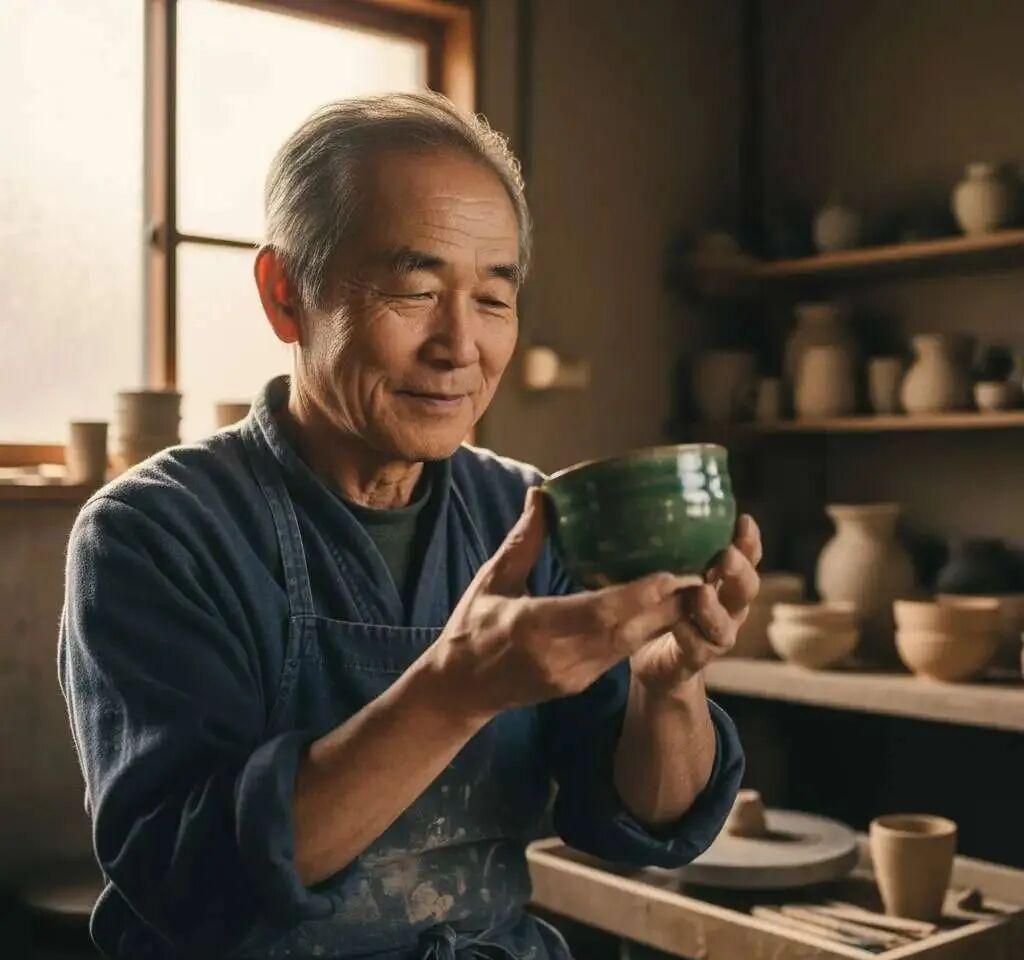
- Real-world case:
- It's just that I'm not the only one in the world who's got a problem♪ A Japanese pythonist's super-stated portrait... ♪
2. Stylished Illustrations & Stickers
When making stickers, icons or materials, it must be clearart styleand specifyTransparent backgroundI'm not sure if I can do this。
- Prompt template:
- A [style] hey, sticker of a [subject]it's not like i'm going to have to [key caracteristics] you know, i've got to go, and a.. [color palette]The design should have [line stile] and [shading still]The background must be transparent.
- Chinese interpretation: one [Shows] The sticker, the subject is [subject] possess [Key features] and [ Palette ] I don't know. Design should include [Line Styles] and [shading] I don't know. The context must be transparent。

- Real-world case:
- A kawaii-style sticker of a happy red band..(A Kawali-style happy panda sticker...)
3. Accurate Text in Images
Gemini and others are very good at text processing. You need a clear description Text ,Font Style And the whole sense of design. Complementing these tools is more effective。
Gemini 3 Pro Image Preview
- Prompt template:
- Create a [image type] for [brand/compept] with the text[text to render]"in a [font stone]The design should be [style description], with a [color scheme].
- In Chinese: [brand/concept] Create [ Picture Type] , with text [Text to render] ", font is [Phone Style] I don't know. The design should read [Styre Description] , the color scheme is [Choose] .
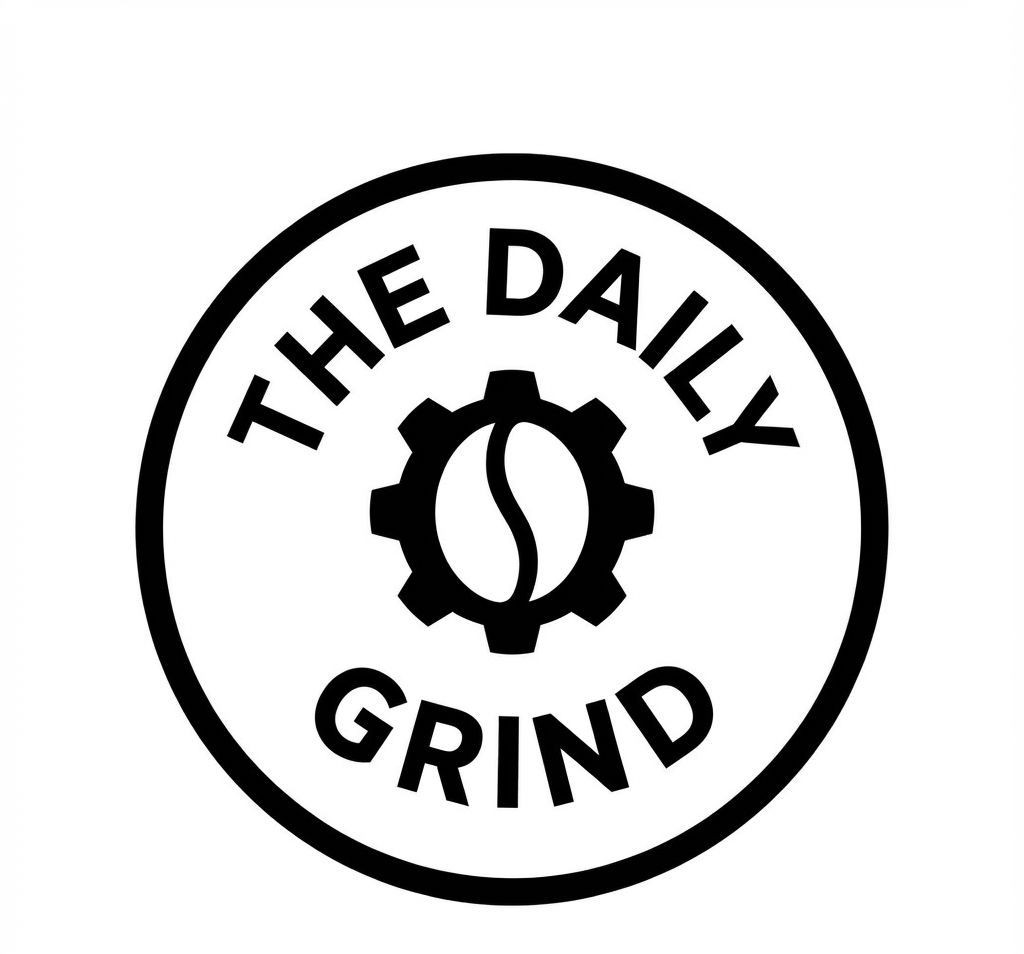
- Real-world case:
- Create a mobile, multi-immedialist logo for a Coffee shot called "The Daily Grind".."For a coffee shop called "The Daily Grind"
4. Product Models and Commercial Photography
The Gospel of Electricians and Advertising. By descriptionProfessional light(like three dots of light) andHigh Resolution, can produce very high-quality product maps。
- Prompt template:
- A high-resoludion, studio-lit programme photograph of a [product description] on a [background surface/description]The lighting is a [lighting setup] to [lighting process]The camera angle is a [angle type] to showcase [specific feature]Ultra-realistic, with Sharp Focus on [key detail]. [Aspect rateo].
- Chinese: A high-resolution, film studio light [product description] Product photography [Background/face] Go on. Adopt [light settings] To Reach [Whispers] I don't know. Camera angle: [Angle type] to display [Specific function] I don't know. Overwhelming. Clear focus [Key Details] . [Long width ratio] .
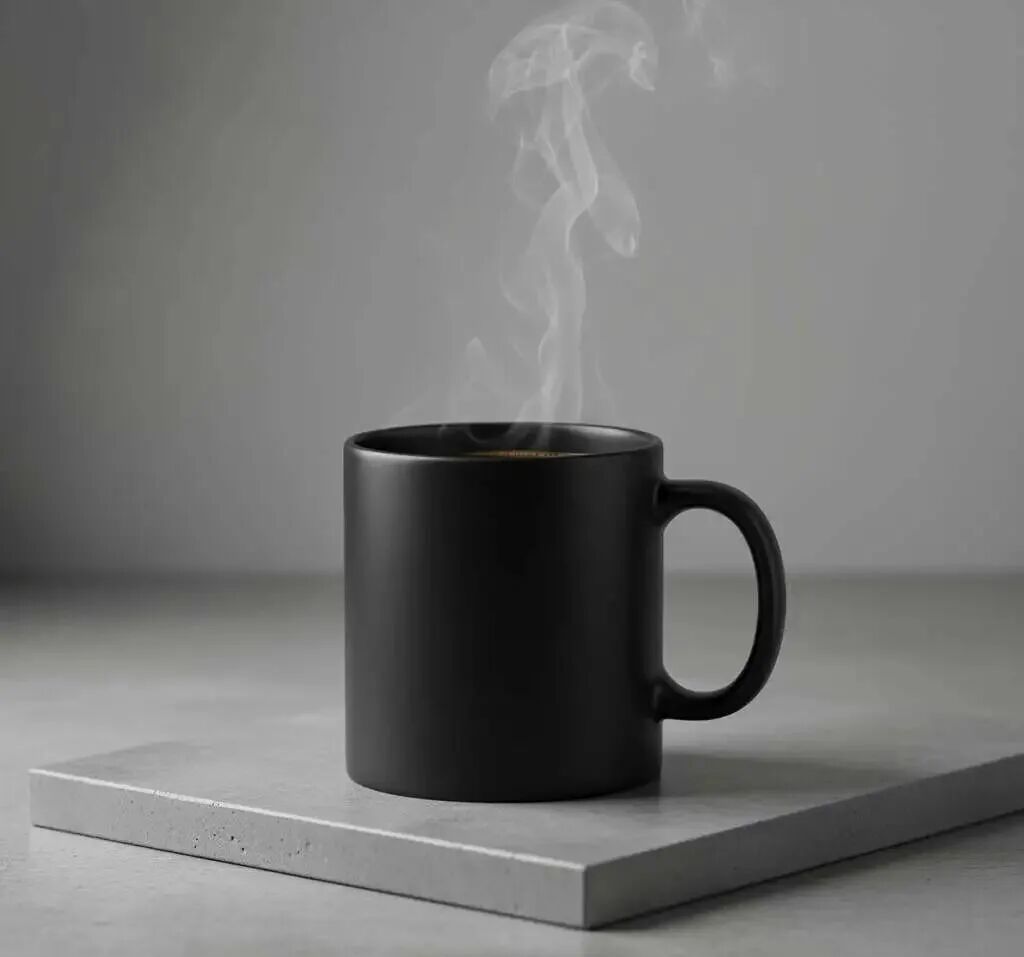
- Real-world case:
- A high-resoludion, studio-lit program photograph of a multi-muralist special cooffee bug.."A very simple pottery coffee cup with high-resolution studio products..."
5. Ultimate simplistic and phrasing design (Minimalist & Negative Space)
It's a good background map for PPT, website Banner or marketing posters, usingNegative SpaceSets a place for text layout。
- Prompt template:
- It's a multi-impressive relationship [subject] i'm sorry, i'm sorry [bottom-right/top-leaf/etc.] the background is a last, empty [color] soft, subtle nighting. [Aspect rateo].
- In Chinese: A very short picture [Down right/up left] There's one [subject] I don't know. The background is huge [Colour ] The canvas, leave a lot of negative space. Lights are soft and delicate。 [Long width ratio] .

- Real-world case:
- I'm not sure if I'm gonna make itA very simple picture showing a fine red map..
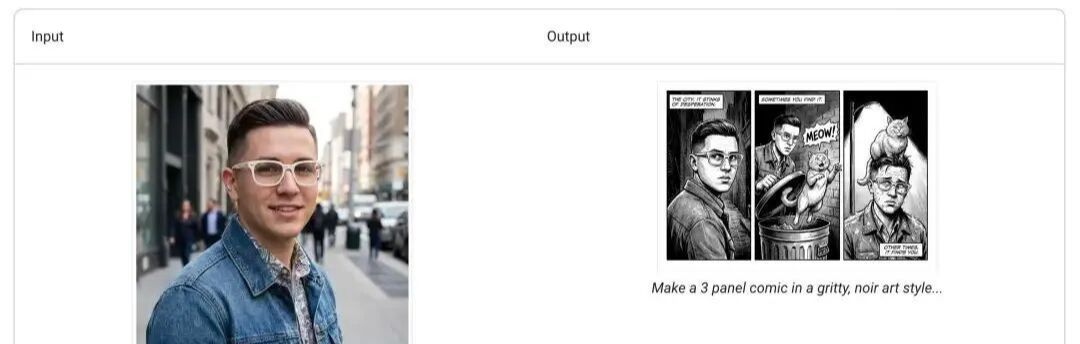
6. Comic comics and lenses (Sequential Art)
Use model pairsRole consistencyAnd the understanding of the scenery, and the production of the Dogue comic or storyboard。
- Prompt template:
- Make a 3 Panel comic in a [style]Put the character in a [ type of scene].
- English [Shows] Make a 3-gram comic. Place the role in [Scene Type] middle.
Part two: Edit images like a painter
Besides being non-existent, we can upload reference maps requiring model modification, synthesis or style migration。
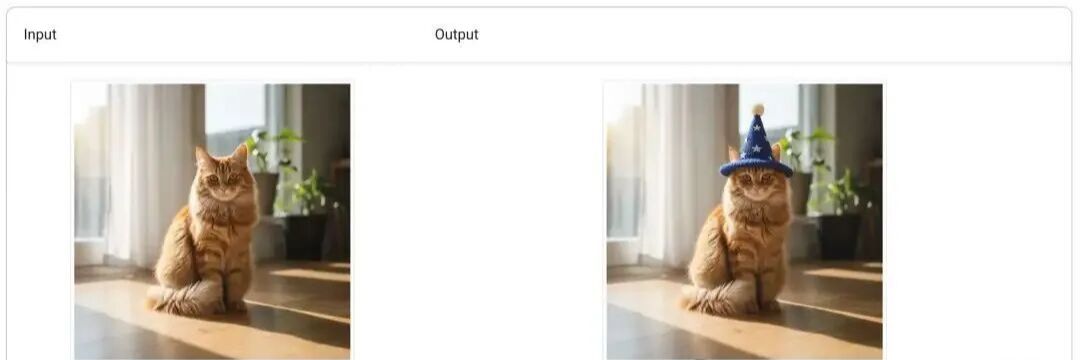
1. Adding and Deleting Elements
Upload pictures, tell the model what you want to add and what you want to decrease. The model automatically matches the photocopy and visualization of the original map。
- Prompt template:
- Using the protected image of [subject]please [add/remove/modify] [election] i'm sorry, I'm sorry, I'm sorry, I'm sorry [description of how the change should include].
- English interpretation: by [subject] Pictures, please be present [Add/removal/modification] [Elements] I don't know. Ensure changes [Description of the mode of integration] .
2. Local recalibration / semantic (Inpainting)
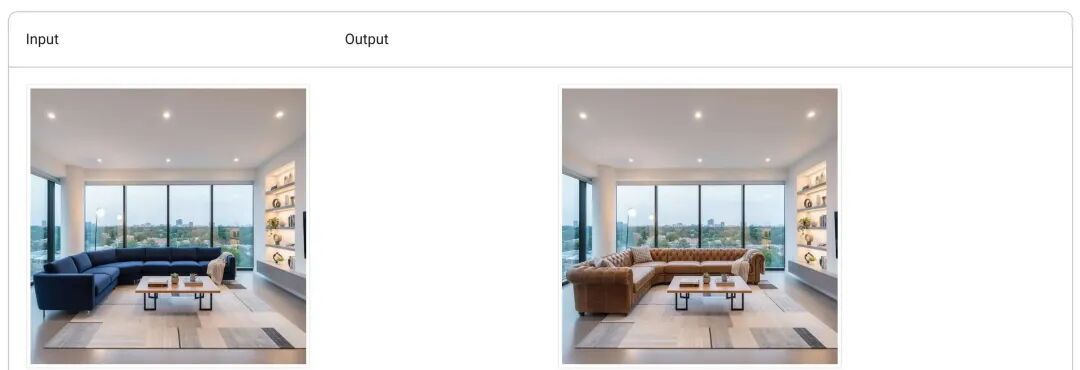
It's like drawing a mask in a natural language. You can specify that only one part of the chart (e.g. the sofa) is modified, while the other parts remain unwieldy。
- Prompt template:
- Using the protected image, change only the [specific element] to [new element/description]Keep everything else in the image exactly the same, serving the orginal style, nighting, and respect.
- In Chinese: Using the images provided, only [Specific elements] Change to [New element/description] I don't know. Keeps all other contents of the image completely unchanged and maintains the original style, light and structure。
Style Transport
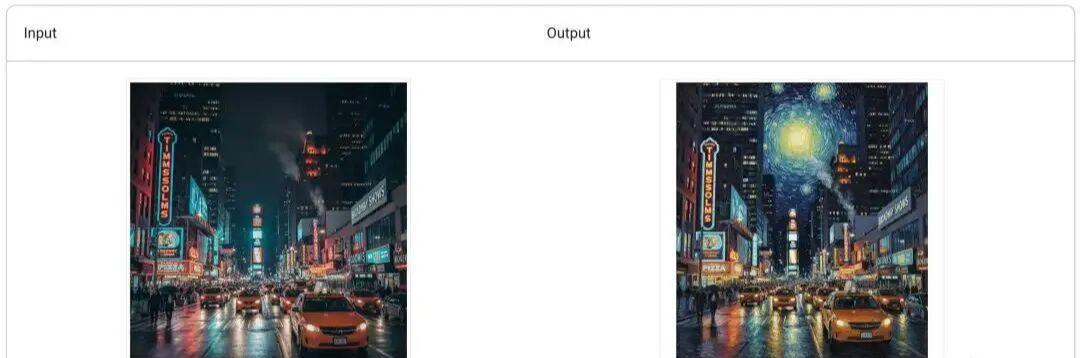
I'm going to change the original photo to "The Painting Wind." You can ask the model to turn a picture into a painting or a Sabpunk style, but keep the original image。
- Prompt template:
- Transform the assisted photograph of [subject] into the artistic story of [artist/art article]Preserve the original company but bring it with [description of stylistic appeals].
- Chinese interpretation: to be provided [subject] Photo To [Artist/artistic style] The art style. Keep original drawings, but use [Styre element description] Rendering。
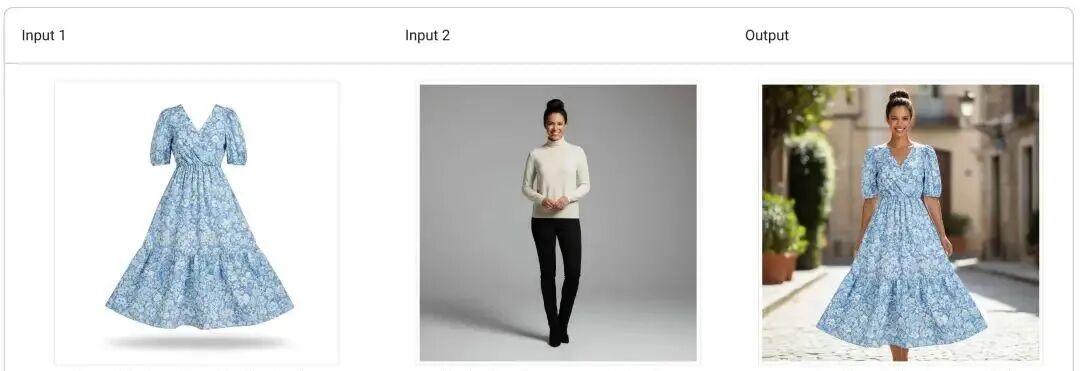
4. Advanced synthesis (Advanced Common)
THIS IS THE "PUZZLE" FOR THE AI VERSION. YOU CAN PROVIDE MULTIPLE PICTURES, EXTRACT THE ELEMENTS OF THE A AND PUT THEM IN THE BACKGROUND OF THE B。
- Prompt template:
- Create a new image by comparing the elements from the assisted images [election from image 1] and place it with/on the [election from image 2]The final image should be a [description of the final scene].
- In Chinese: Create a new image in conjunction with the elements in the picture. Ripping [Elements of Figure 1] And put it in [Elements of Figure 2] Up/by. The final image should be one [Final scene description] .
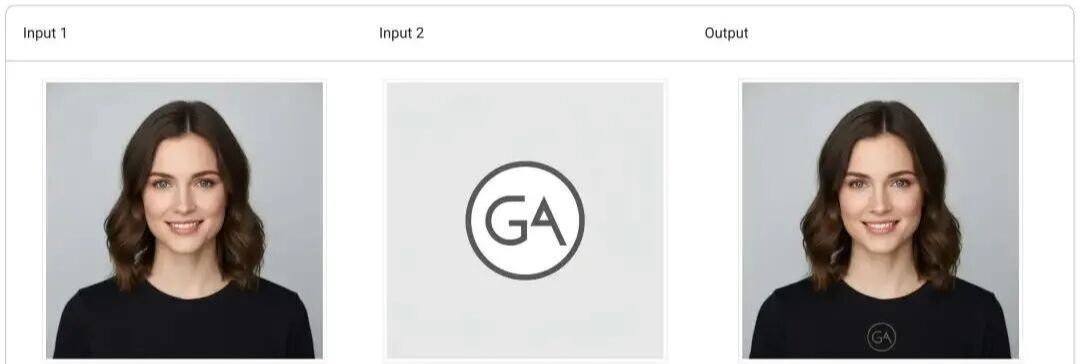
5. Retention of high-security details (High-fidelity Datail)
When you need to change a person's background or a product's environment, you have to stress thatRetain key featuresNo change。
- Prompt template:
- Using the protected images, place [election from image 2] i'm sorry [election from image 1]Ensure that the oceans of [election from image 1] i'm sorry, but I'm sorry [description of how the election should include].
- In Chinese: Using the images provided, will [Elements of Figure 2] Place [Elements of Figure 1] Go on. Ensure [Elements of Figure 1] The characteristics of the project remain completely unchanged. The added element should [Integration Description] .
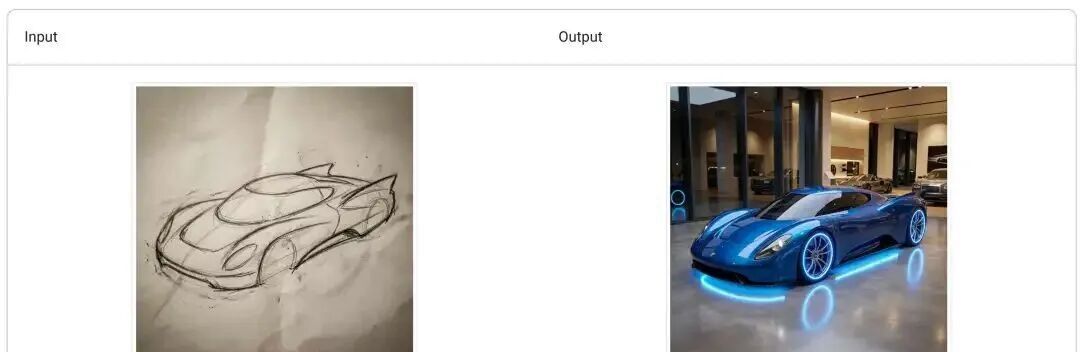
Bring something to Life
Soul painter's salvation. Uploads a rough sketch to make the model a fine completed map。
- Prompt template:
- Turn this rough [medium] it's not like i'm going to have to do this [subject] you know, into a [style description] keep the.. [specific features] from the skatch but add [new messages/materials].
- In Chinese: [subject] Rough [Media such as pencils/ball pens] The sketch becomes a piece [Styre Description] Photos. Keep in the sketch [Specific characteristics] , but add [New detail/material] .
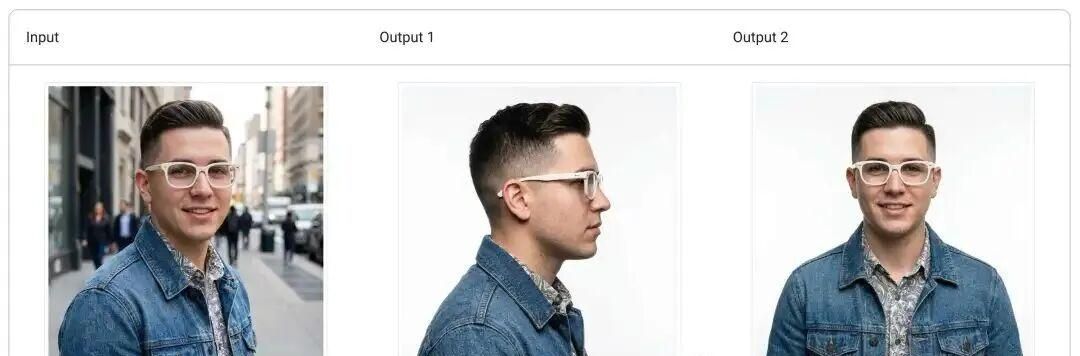
7. Role Consistency and 360 Degree Perspectives
Through multiple rounds of dialogue, one actor is given different perspectives. The trick is:Use the graph generated from the previous round as an input reference for the next round。
- Prompt template:
- A student portrait of [person] i don't know [background], [looking forward/in policy looking right/etc.]
- Chinese: One [man] exist [Background] In front of the studio [Face forward/side-to-right/such] .
Part III: Best Practices for Progress
In order to change the work from “fine” to “shocking”, please follow the following principles:
Be Hyper-Specific
- Control lies in the details. Let's not just say, "The phantom armor," and try to say, "The elf deck, designed for a high-collar design, with a shoulder armor like a falcon wing."。
Provide Context and Intent
- Tell the model what you're doing and the results will be very different. For example, "Design a Logo for a very simple top-end skin-care brand" would certainly work better than the "Design a Logo" sentence in the dry bar。
Iterate and Refine
- Don't expect a ghost. The mode of dialogue is used to fine-tune: “Fine, but a little warmer” or “still, make the role look more serious”。
Step-by-step
- In the face of a complex scene, the instructions are taken in step, as is the case with students: “First, draw a clouded forest background at dawn. Then an ancient stone, full of moss. Finally, put a shining sword on the stone table."
Semantic Negative Prompts
- Instead of saying “no car”, it would be better to give you a positive picture of what you want: “an empty street with no sign of traffic”。
Control the Camera Language
- Think like a director. Usewide angle (wide-angle), microspace (macro), low altitude (low-angle) It's like a word to determine the image's image。
Nano Banana Pro Developer Full Guide
If the previous version of the Flash, the main part of the game, was called "Fightless" and "extremely priced," the Pro version was lit Thinking, Search Searching and 4K Output The skill tree。
It's time to get to work on more complex creative tasks
This section will take you to dig into the advanced features of Nano Banana Pro and teach you how to pass Gemini Devloper API Play it around:
- Nano Banana Pro
- Project Environment
- Client Initialization
- Basic generation (classic play)
- The Thinking Process
- Search Landing
- HIGH RESOLUTION 4K IMAGE GENERATION
- Multilingualism
- Advanced Image Mixed Technology
- Pro-only presentation
Try Nano Banana Pro in Google AI Studio
While ordinary users can experience Nano Banana Pro directly in Gemini App, for the developers, it’s not the same as for the developersGoogle AI Studio It's the best training ground。
Here you can quickly build a prototype, test Prompt, and experience all available AI models without writing any code. This is also the starting point for building applications through Gemini API。
How to start: Access aistudio.google.com, login with Google account number and find it in the model selection Nano Banana Pro (Gemini 3 Pro Image)。
Attention: Unlike Nano-Banana, Pro VersionThere's no free levelI don't know. This means that you need to choose an API Key that has started the billing function (see Project Settings below for more details)。
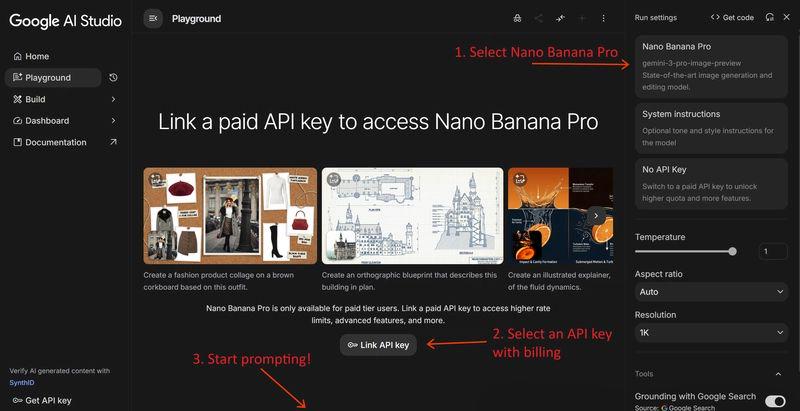
- Small trick: You can also do Remix directly through the Ai.studio/apps application of the "Vibe Code" or browse through the code of the existing application。
Project Preparation (Project Setup)
To keep up with this practical guide, you need to have three things ready:
- One from Google AI Studio API Key。
- A billing account has been set up for your project。
- Installed for Python or JavaScript/TypeScript Google Gen AI SDK。
If you're already a senior player in Gemini API, these configurations are old enough to skip this section and get to the next chapter. If you've just got it, don't rush
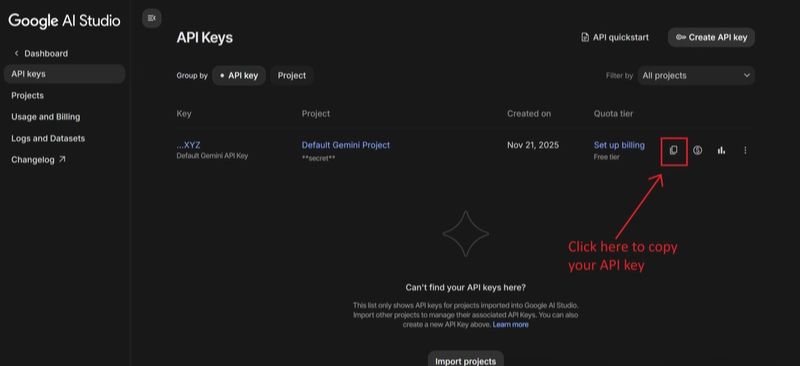
Step A: Get API Key
When you first log in to AI Studio, the system usually automatically creates a Google Club project for you and generates API Key。
Opens the API Key management page and clicks the Copy icon to save your key。
Step B: Opening billing
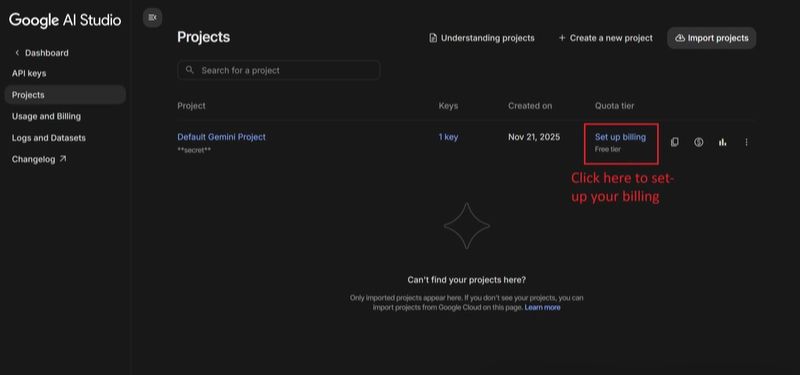
AttentionThe Nano Banana Pro model does not have a free tier (Free Tier)I don't know. This means you have to bind the payment in Google Cloud。
Or API Key Management Page, click next to the item Set up Billing(sets the billing), just follow the screen tip。
- Nano Banana Pro is expensive
- To be honest, Nano Banana Pro does cost more than the Flash version, especially when producing 4K pictures. As of the time of this release, a 1K or 2K resolution image needs to be generated $0.134, AND A 4K PICTURE WANTS $0.24(This does not include token costs for input and text output)。
- Pro tip:If you're not demanding real-time sex, you can use it Watch APII don't know. It may take 24 hours to get the results, but it can help you SAVINGS ON GENERATION COST OF 50%.
STEP C: INSTALL SDK
Select your programming language for installation。
Python:
pip install-U google-genai
# hand-loading of Pillow library to facilitate follow-up of pictures
Pip install Pillow
JavaScript / TypeScript:
@google/genaiNote: Python SDK will be used mainly for the presentation code that follows. If you're a front-end developer and you want to use Nano Banana in JavaScript, you can use this JS Notebook (https://ai.studio/apps/bundled/get_stard_image_out?fullscreenApplet=true) to get the corresponding code clip。
3. Initialize the client
If you want to experience a Pro model, you need first to bind the corresponding model ID: gemini-3-pro-image-preview。
from Google import principle
From Google.

# Initialising Client
Client = genai. Client

# Settings Model ID
PRO_MODEL_ID = "gemini-3-pro-image-review"
4. Basic Generation: Re-reading the Classic (Basic General)
Before exploring those fancy high-level functions, we start with a standard production process。
Two key parameters are noteworthy:
- ♪ i'm so sorry ♪: decide what format the model returns. You can choose to return text and pictures at the same time (Text, Image), or just to return pictures (Image)。
- i don't know what to say: Control the proportion of pictures generated。
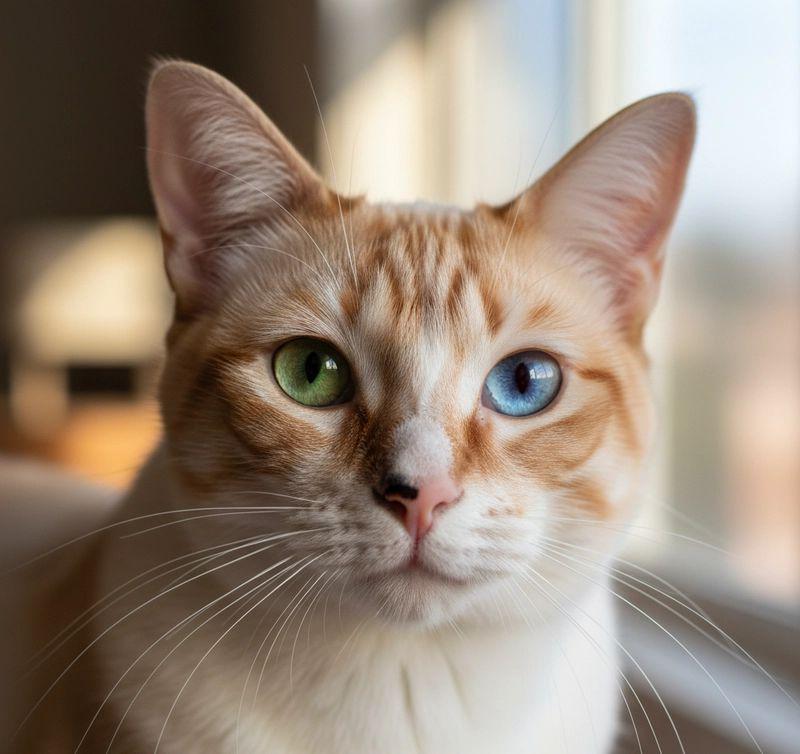
"Create a potoptic image of a same cat with a green left eye and a blue right one"
# optional ratio: "1:", "2:3", "3:2", "3:2", "3:4", "4:3", "4:5", "5:4", "5:4", "9:16", "16:9", "21:9"
"16:9"

= clint.models.generate_content
Photo by Flickr user model=PRO_MODEL_ID
I don't know.
Config=types. GeneralContentConfig
# If only a picture is needed, this can only be filled ['Image']
['Text', 'Image']
ImageConfig
I'm not sure if I'm going to be able to do this.
I'm not sure.
I'm not sure.
I'm not sure.

# save generated pictures
For part in response.
If image: = part.as_image():
I'm sorry, I'm sorry
- tip: In addition to a single call, you can use **Chat Mode (dialogue mode)**. If you need multiple rounds of dialogue to change pictures over and over again, I strongly recommend this approach. Specific use can be made of this 8th case - “Polyglot Banana”。
5. The process of reflection
Nano Banana Pro is not just drawing, but thinking. This means that it has the ability to logically deduce complex, if not obfuscated, phrases (Prompt) before creating images. And the best part is, you can look at its brain circuit
If you want to start this function, you just have to set include_thoughts=True in the middle_config。
Look at the following code example:
"Create an unusual but realistic scope that might go private"
"16:9"

= clint.models.generate_content
Photo by Flickr user model=PRO_MODEL_ID
I don't know.
Config=types. GeneralContentConfig
# Key Points: request both text (thinking process) and images
['Text', 'Image']
ImageConfig
I'm not sure if I'm going to be able to do this.
This post is part of our special coverage Syria Protests 2011.
Thinking_config=types.
Include_thoughts=True# to start thinking mode
I'm not sure.
)

# to save pictures and print the reflection process
For part in response.
If part.
(f "Thought: {part.text}”)
If image: = part.as_image():
I'm sorry, I'm sorry
If you run this code, you'll see the following output as if you can hear the monologue in the model:
- ##
- I'm now focusing on the camel. The goal is to portray them as daily commuters on the busy La Paz bus in Bolivia. My idea was a retro-style bus full of passengers who thought it was fun. The details of the images will highlight the fact that one of the camels is looking out the window and the other is interacting with the passengers, while the people around are busy taking photographs。
- [Generating Images]
- ## VISUALIZATION CONCEPT
- I've been completely immersed in this setup. The first priority is to control the "unusual but true" level. Key elements have been established and the picture is being shaped。
This transparency has greatly helped us to understand how models break down and interpret your needs. It's like you're sitting next to a human painter and telling you how he works
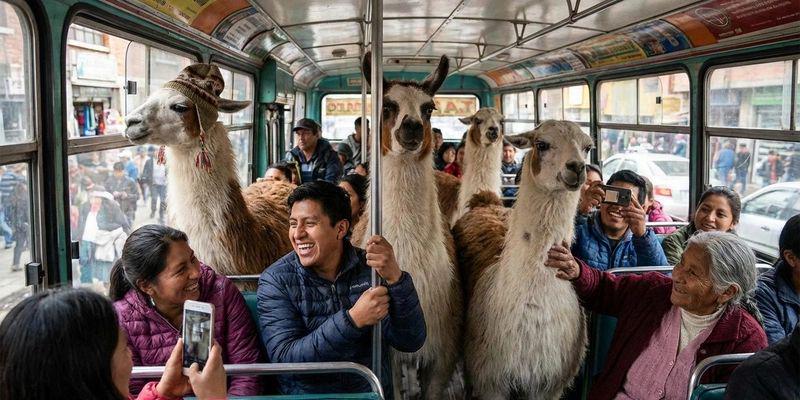
Next steps:Now that we have seen how the model is "thinking,"Do you want me to show you how to use this Log information to optimize your Prompt backwards
It's about.. Nano Banana Pro Description of advanced functions of the model. At your request, I recast it as a logically well-flowed blog that is in line with Chinese-language reading habits。
6. Search Grounding: The magic of access to real-time search
One of the most subversive functions of the Nano Banana Pro, is it Searching for tracers Capacity。
Do not think the model can only be "endorsed" -- Nano Banana Pro will not be trapped in outdated training data. It directly calls Google Search's real-time data and generates images that are both accurate and time-effective. Want a weather map now? No problem。
For example, we can just let it go 5 days of weather forecasting for the future of Tokyo Visibility, and even sweetly, draws daily advice:
"Visualize the current weather forecast for the next 5 days in Tokyo as a clean, modern weather start."

= clint.models.generate_content
Photo by Flickr user model=PRO_MODEL_ID
I don't know.
Config=types. GeneralContentConfig
['Text', 'Image']
ImageConfig
"16:9",
This post is part of our special coverage Syria Protests 2011.
# Core Configuration: Enable GoogleSearch Tool
_Other Organiser
I'm not sure.
I'm not sure.

# Save Image
For part in response.
If image: = part.as_image():
No, I'm not.

# Note: Data sources must always be displayed
(response.candidates [0].grounding_metal.search_entry_point.rendered_content)
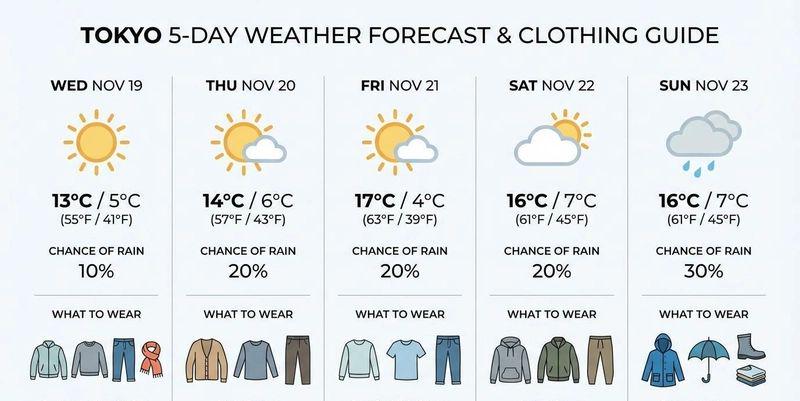
- The blogger's tip: Pay particular attention to compliance, when using search-generated content, the source information must be displayed。
- grounding_metal
Go Big or Go Home
Sometimes, big is good. Nano Banana Pro provides raw materials if you need high-level print materials 4K RESOLUTIONSupport.
the code is very simple to achieve by specifying the image_size parameter:
"A photo of an oak tree exporting every season"
Resolution = "4K" # optional: "1K", "2K", "4K". Note: Case sensitive, capitalised

= clint.models.generate_content
Photo by Flickr user model=PRO_MODEL_ID
I don't know.
Config=types. GeneralContentConfig
['Text', 'Image']
ImageConfig
Assect_ratio = 1:1,
Image_size=resolution
I'm not sure.
I'm not sure.
I'm not sure
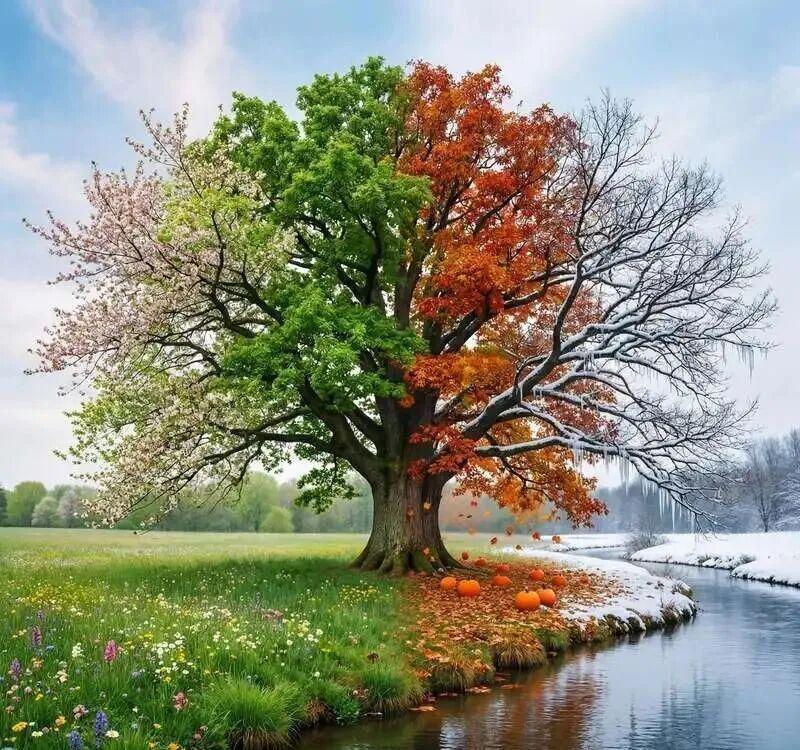
- Cost early warningToken generated by 4K will be more expensive in terms of consumption and cost, and when used in the production environment, be weighed against actual needs。
8. Polyglot Banana: multilingual capacity to break language barriers
It's not just a painter, it's a linguist. It supports the creation of text in images in more than a dozen languages and can even translate directly into text in images. You can think of it as a visual version of the General Translator。
Scenario I: Generate information charts in Spanish
We first let it produce a chart for primary school students explaining Einstein's general relativity and requesting the use of Spanish:
# Generate Spanish-language information diagrams
"Make an information exciting Einstein's theory of General Relativity capable of a 6th grader in Spanish"

i'm sorry, but I don't know what you're talking about.
Config=types. GeneralContentConfig
ImageConfig
)

# Save Image
For part in response.
If image: = part.as_image():
I'm sorry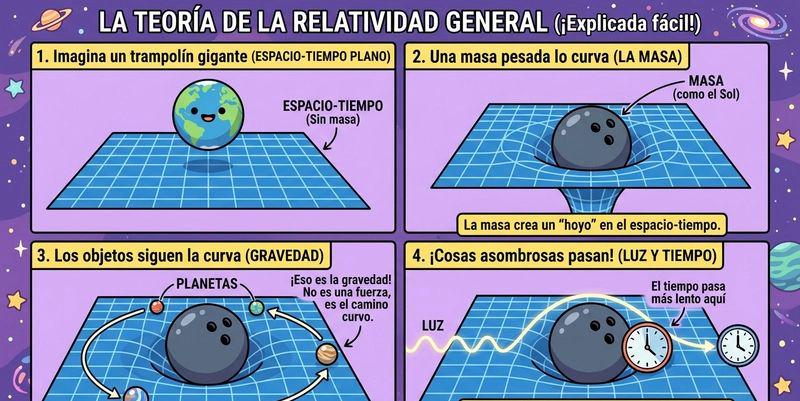
scene two: change one key to Japanese
Then, we don't have to rephrase the details of the picture, so that it can be translated directly into Japanese and remain the same:
# translated into Japanese
"Translate this information in Japan, keeping everything else the same"
= chat.send_message

# Save Image
For part in response.
If image: = part.as_image():
I'm sorry, Image
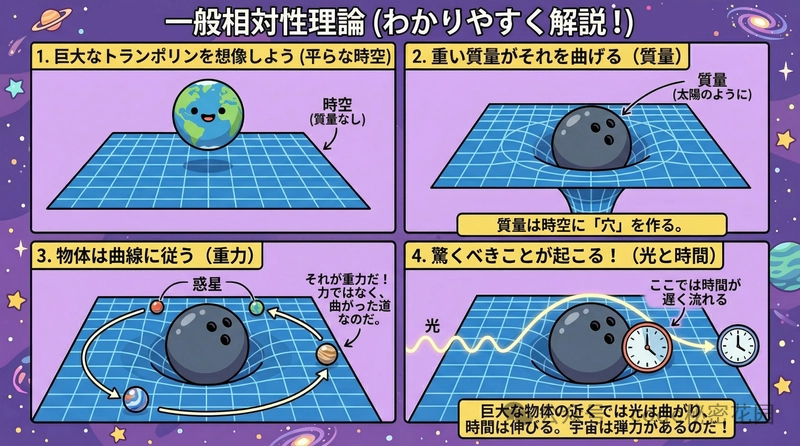
This combination of punches takes off with the productivity of the cross-language content。
9. Twisting
If the Flash model is like a three-man group, with three images at the most, then Pro is just having a party -- it can eat at once 14 pictures!
It's not just an increase in numbers, it means a whole new game: you can easily create complex collages, or you can show your entire product line in the same Prompt。
Let's see what the code says:
# Mixed Multiple Pictures
= clint.models.generate_content
Photo by Flickr user model=PRO_MODEL_ID
Comments=[]
One TP5T: Take an office photo of these people. They're making faces.
"An office group photo of these people, they are making funny faces."
PIL.Image.open.
PIL.Image.open.
1 TP5T... can be plugged into a maximum of 14 graphs.
I don't know.
I'm not sure.
# save generated pictures
For part in response.
If image: = part.as_image():
"group_picure.png"
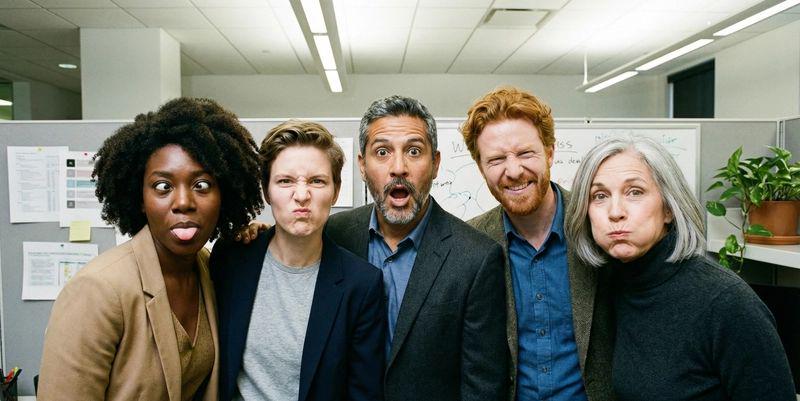
- Experience: While Pro Models can handle 14 maps, I suggest that if you ask for a very high level of integrity of a person's face**, then keep the number to a level that you want Within 5I don't know. To tell you the truth, five people are in the same position, and that's enough for a party
Showtime
Some operations are unique to Nano Banana Pro. The following demonstrations could turn your mind
Personalized pixel art (with enhanced search)
Prompt:
- "Search the web then general an image of physical poise, detailed pixel art that shows the career of Guillaume Vernade"
- (Go on the Internet and create a fine pixel art map of the same axle view that shows the career of Guillaume Vernade. I'm not sure
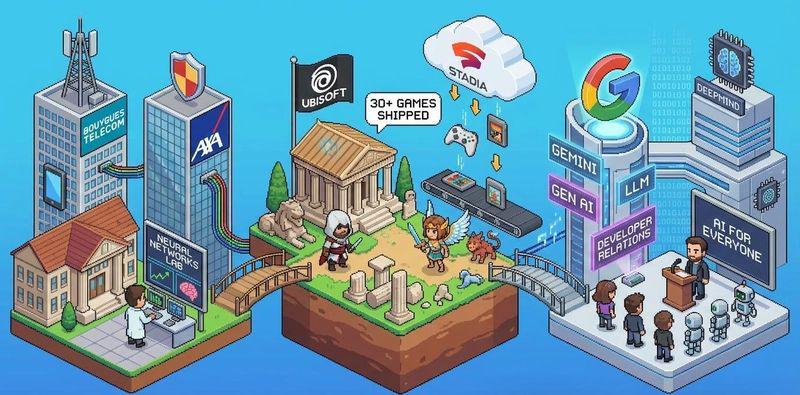
The technology behind it:It's used here Search Growing Capacity. Models are not made up, but go to real-time access to the person ' s particular résumé, digest and then visualize the real information in a particular artistic style (pixel wind)。
Complex Text Integration
Prompt:
- "Show me an information about how sonnets work, using a sonnet about bananas writing in it, along with a long-term economy of the pom
- (Give me an information chart on the mechanism for the operation of Sonnet, which contains a 14-word poem on bananas, plus a long literary review. The style wants that fine retro aesthetic. I'm not sure
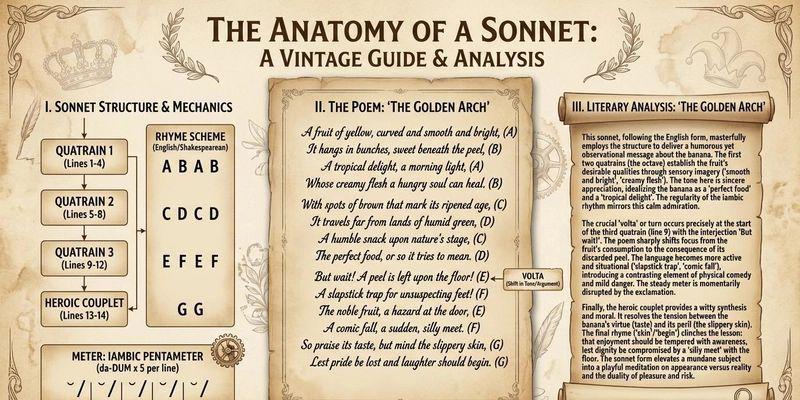
The technology behind it:It's very strong: not only can models improvise a coherent, long text, but they can also make itPerfect layout embeddedTo complex layouts. It's not a simple text, it's a real design。
High-Fidelity Mockups: presentation of high-facility materials
Prompt: "A photo of a program for the Broadway show about TCG players on a nice theiraterseat, it's programme and well made, glossy, we can see the cover and a page showing a photo of the stage."(A PHOTO OF A BROADWAY SHOW OF THE SHOW, PLACED ON A FINE THEATER SEAT, A PLAY ABOUT TCG PLAYERS. IT REQUIRES A PROFESSIONAL, WELL-WORKED AND RADIANT IMAGE WITH A COVER AND A PAGE WITH A STAGE PICTURE. I'M NOT SURE
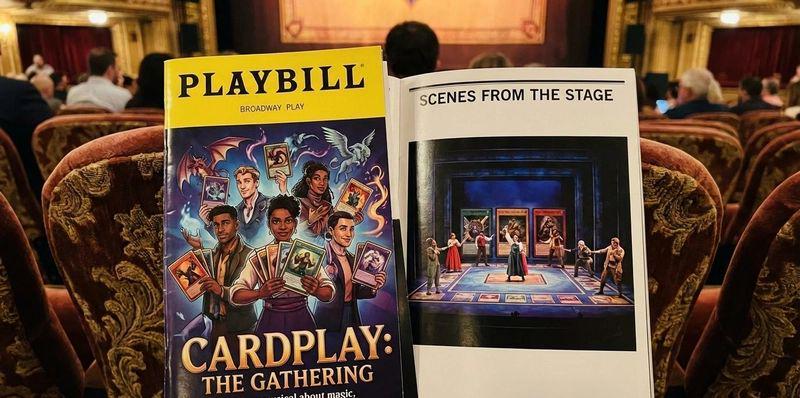
Nano Banana Pro can generate a photo-precision, texture and texture print, Mockup, which is well suited for the presentation of proposals for programme design。
Play Nano Banana series: Best practices and Prompt techniques
If you want to dry up the potential of Nano Banana and Nano Banana Pro, you must know the following Prompt laws:
- Details determine success (Be Hyper-Specific): The more you describe the subject, the color, the light and the image, the more you control the result. Rather than giving a vague concept, it would be better to precisely define each pixel。
- Proveide Context and Intent: Tell the model what this is for, or what kind of emotions you want to convey. Once the model understands the context, its performance is often more spiritual。
- Iterate and Refine: Don't expect a soul. Using the dialogue capacity of the model, as with the designer, incremental fine-tuning based on the results of the previous round until satisfactory。
- Dismantling complex tasks (Use Step-by-Step Industries): Don't try to finish in one sentence in the face of a complex and ambitious scene. Dismantling Prompt into a clear and sequenced sequence of steps to guide the model step by step。
- Positive Framing: tell the model what you want, not what you want. the positive description of “no cars” is usually better than the negative hint of “no cars” and “no traffic-free streets”。
- Control the Camera: think like a director. specialized photographic or film terminology is used to guide the design, such as "wide-angle", "macro" or "low-angle perspective"。
- Use search traceability: When you need a model to call real-time data, the instructions must be clear and specific. Instead of using the vague phrase "to generate a data map for the last game", it is better to order directly:searchThe data from the last game of the Lyon Olympic Team were produced and made into information charts”. Don't let the model guess, give it clear action instructions。
- Use Batch API downside efficiency: If you have a lot of non-real-time demand, Batch API is the only option. It may last 24 hours, but it saves you 50% The cost of generating a higher Quota quota。
Conclusion
Nano Banana Pro (i.e. Gemini 3 Pro Image) opens a new horizon for AI image generation. It's not just a drawing tool, it's a smart assistant who can think, can search, and can render 4K. It's an easy tool for professional creators and technologists。