



On March 11th, yesterday, the National Internet Emergency Response Centre (INC) issued its official Twitter public number on OpenClaw Safely appliedRisk Warning》.
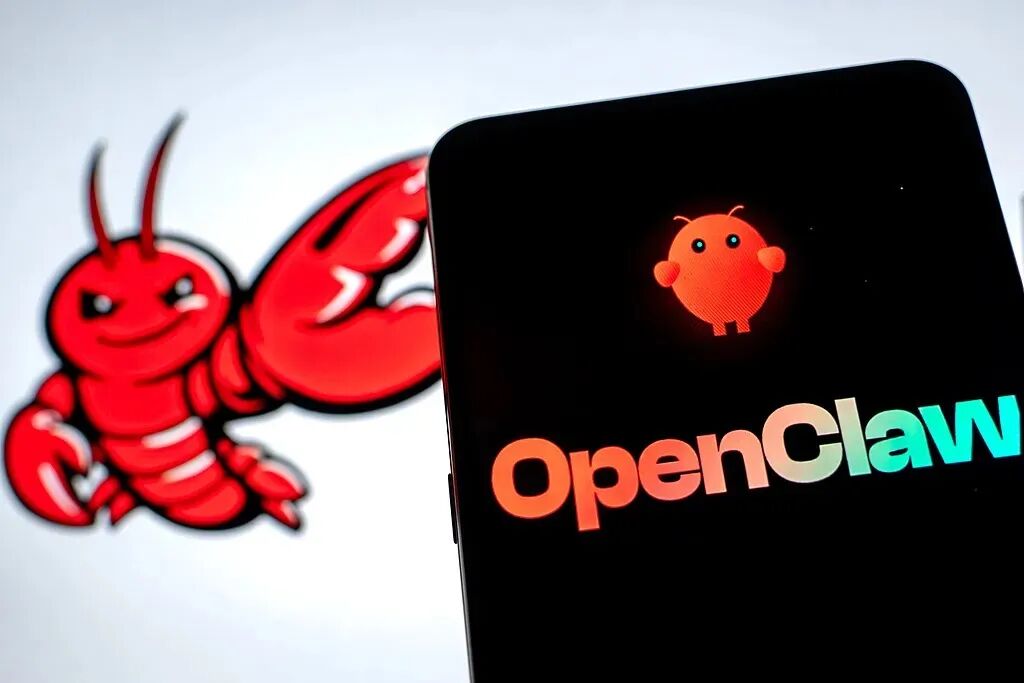
1AI HAS THE FOLLOWING TEXT:
- Recently, OpenClaw (“Little Lobster”, used under the name Clawdbot, Moltbot) has been downloaded and used in flames, and mainstream cloud platforms in the country have provided a single-key deployment service. This smart body software directly controls the computer according to the natural language command. In order to achieve its “self-administered” capability, the application has been granted higher system privileges, including access to local file systems, access to environmental variables, access to external service application programming interfaces (API) and installation of extensions. However, because of the extreme fragility of its default security configuration, the attackers can easily gain full control of the system once they find a breakthrough。
- In the preceding period, a number of serious security risks had arisen as a result of the inappropriate installation and use of the OpenClaw smart body:
- “Injecting” risk. Cyberattackers can induce OpenClaw to read the web page by constructing hidden malicious instructions in the web page, which could lead to its being induced to leak user system keys。
- “Opportunity” risk. As a result of an erroneous understanding of the user's operational instructions and intent, OpenClaw may completely delete important information such as e-mail, core production data, etc。
- 3. Risk of poisoning of functional plug-ins (skills). Several functional plug-ins applicable to OpenClaw have been identified as malicious plug-ins or potential security risks, which, when installed, allow for malicious operations such as the theft of key keys and the deployment of wooden horse back door software, turning the equipment into a “shell chicken”。
- 4. Risk of security loopholes. To date, OpenClaw has openly exposed several high school-risk loopholes that, if used in bad faith by cyber-attackors, could lead to serious consequences for system charges, privacy information and the disclosure of sensitive data. For individual users, it can lead to the theft of sensitive information such as privacy data (such as photographs, documents, chat records), payment accounts and API keys. For key industries such as finance, energy, it can lead to the leakage of core business data, business secrets and code warehouses, and even paralysing the entire business system, with incalculable losses。
- It is recommended that relevant units and individual users, when deploying and applying OpenClaw, take the following security measures:
- 1. Strengthen network control and do not expose the OpenClaw default management port directly to the public network, and secure access services through security controls such as identification, access control, etc. (a) Strict segregation of the operating environment and the use of technologies such as containers to limit the excessive authority of OpenClaw
- 2. Strengthen voucher management to avoid the explicit storage of key in environmental variables; and establish a complete operational log audit mechanism
- 3. Strictly manage the source of the plugins, disable the automatic updating function and only install an extended signed-validation program from a credible channel。
- 4. Continuous attention is paid to patches and security updates, with timely updates and installation of security patches。
statement:The content of the source of public various media platforms, if the inclusion of the content violates your rights and interests, please contact the mailbox, this site will be the first time to deal with.