



DID YOU FIND OUT THAT MANY OF THE PHOTOS PRODUCED BY AI, ALTHOUGH THE LIGHT WAS PERFECT AND THE SKIN WAS DELICATE, FELT SOMETHING WAS WRONG
Because they're perfect. The person is always looking at the camera, the expression is always a standard smile, and the context is always a perfect fissure — it's like a fine set in a cinema, but not like real life。
Now social media (e.g. Little Red Book, Instagram) is no longer a big picture, but a "float." The viewers want to look at those moments that seem to have been inadvertently recorded: the flashes of walking, the side of looking down at the phone, and even the moment of the image。
And this lesson, we're going to challenge a very difficult task: how to use a complex, long hint to get AI to model the iPhone hand-to-hand sense of poaching。
We'll break down a super-real case and teach you how to write it step by step。
FIRST TIER: SET “ANTI-AI” CAMERA EQUIPMENT AND BEHAVIOUR
AI, BY DEFAULT, IS AN EXPENSIVE ONE-WAY CAMERA (DSLR), ALWAYS SEEKING SHARP CLARITY. IF YOU WANT TO SIMULATE YOUR SENSE OF LIFE, YOU CAN TRY TO DOWNGRADE YOUR DEVICE AND TELL AI THAT IT'S A "CAPSHOT" BEHAVIOR。
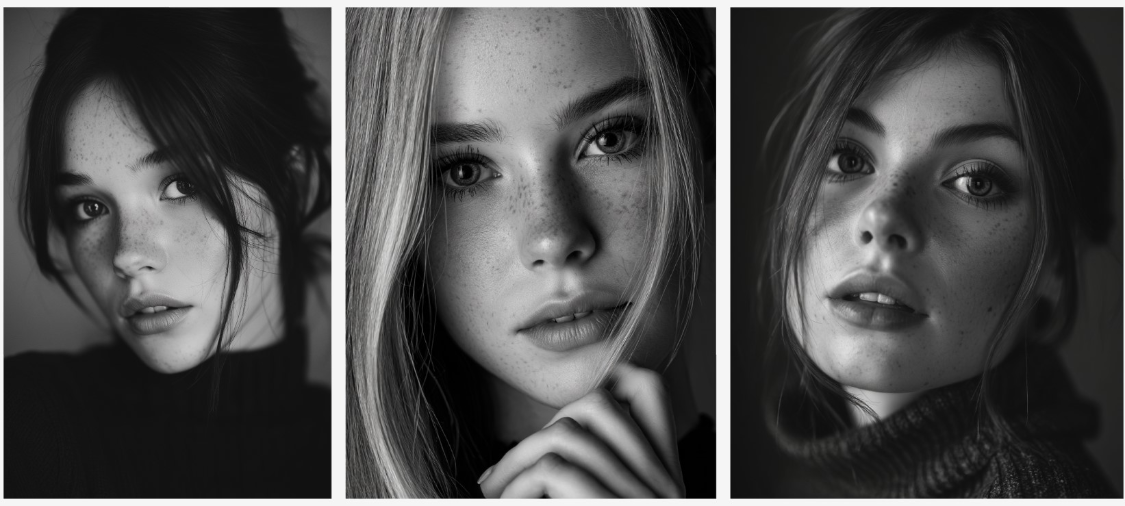
Original: High Quality portrait
Stepwise (add to the core of this class):
iPhone-style: Tell AI I don't want a one-sided view, I want a real sense of the phone。
Candid shot/Secretly photographed: This is the core word of capture, and AI immediately reduces the “coherence” of the person and makes the attitude more natural。
Slightly shaky / Saftly blued due to motion: A little dynamic blur is the soul of truth, which breaks the stillness of AI。
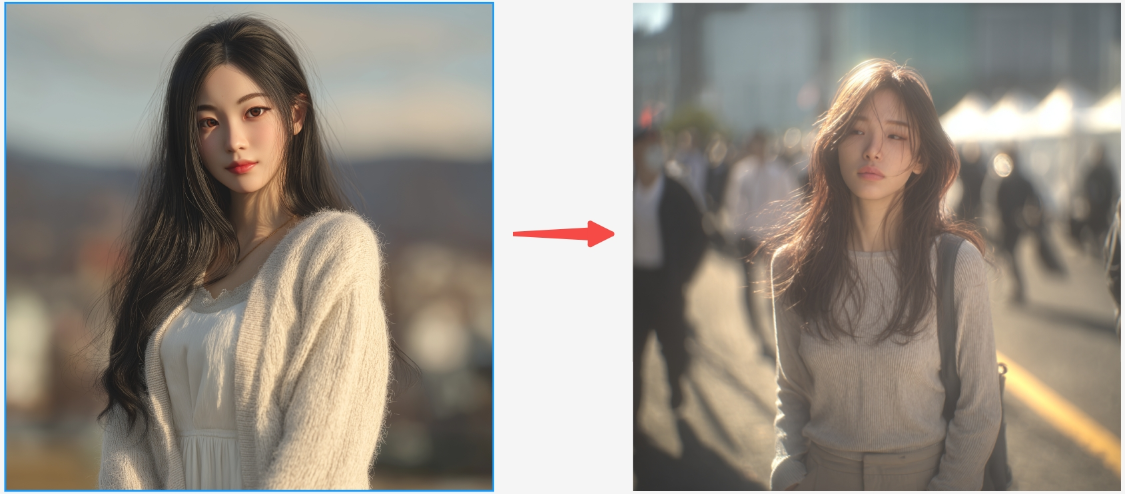
We're going to make "not perfect." The perfect picture is made, and the imperfect picture is the life。
Definition of media: Do you want a photograph or a painting
MANY TIMES IT'S WEIRD BECAUSE AI DOESN'T KNOW IF YOU WANT A "PHOTO" OR A "3D RENDERING" OR A "OIL PAINTING." SO IT MIXES THESE STYLES, AND IT BECOMES "NATURE."。
You need to "lock" the physical properties of the image by defining a photographic film or a rendering engine。
Photofilm Stock - Gives the image "The Soul of the Filter"
In the photography world, different films have a completely different colour. Adding these names to the hint is more useful than writing a hundred words of retrograde style。
Kodak Portra 400: Humans like the Star. It's nice to have it back. It suits people, lives。
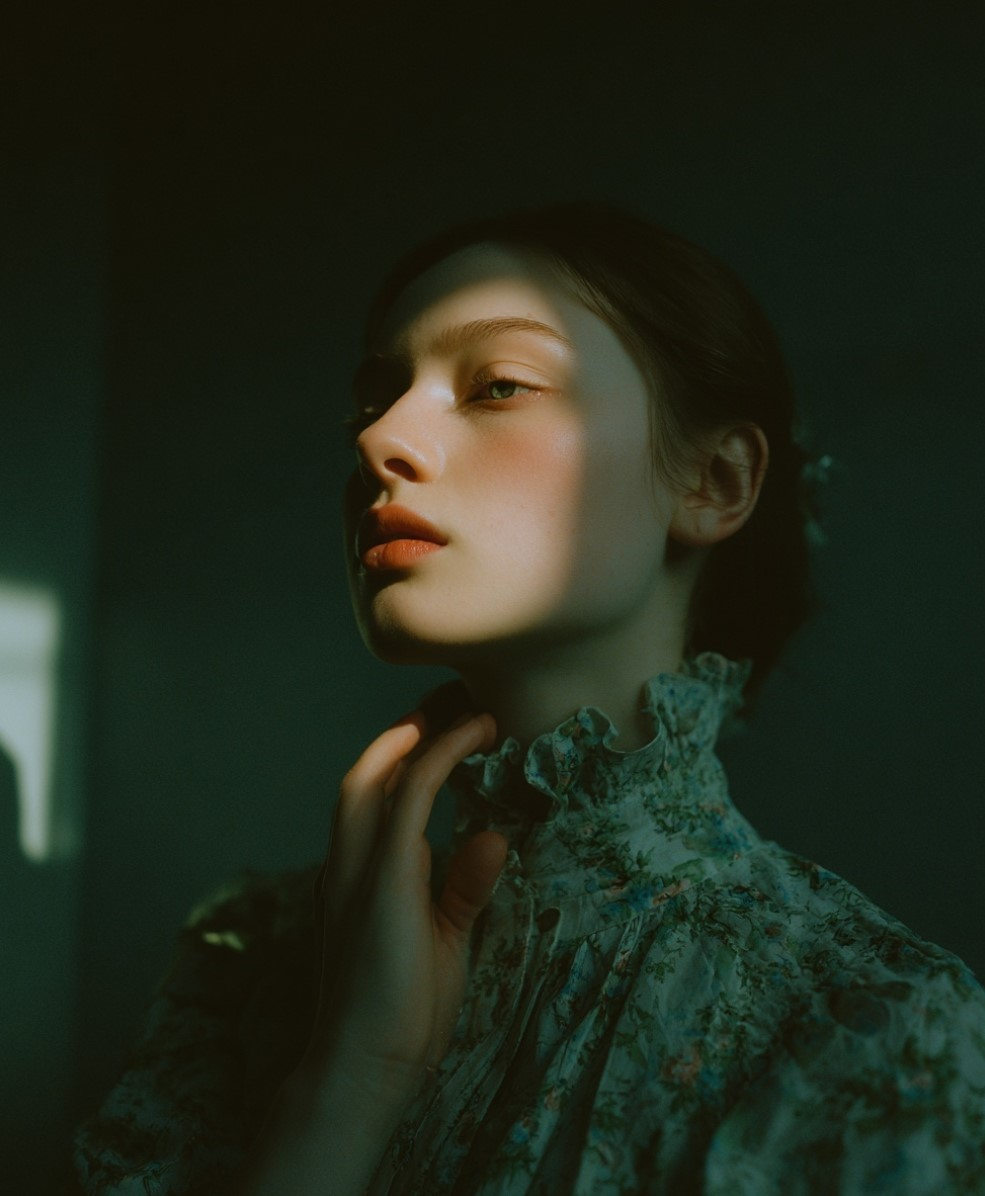
Fujifilm Pro 400H: Cold, green and blue. It's perfect for the solar system, the cold, the landscape。
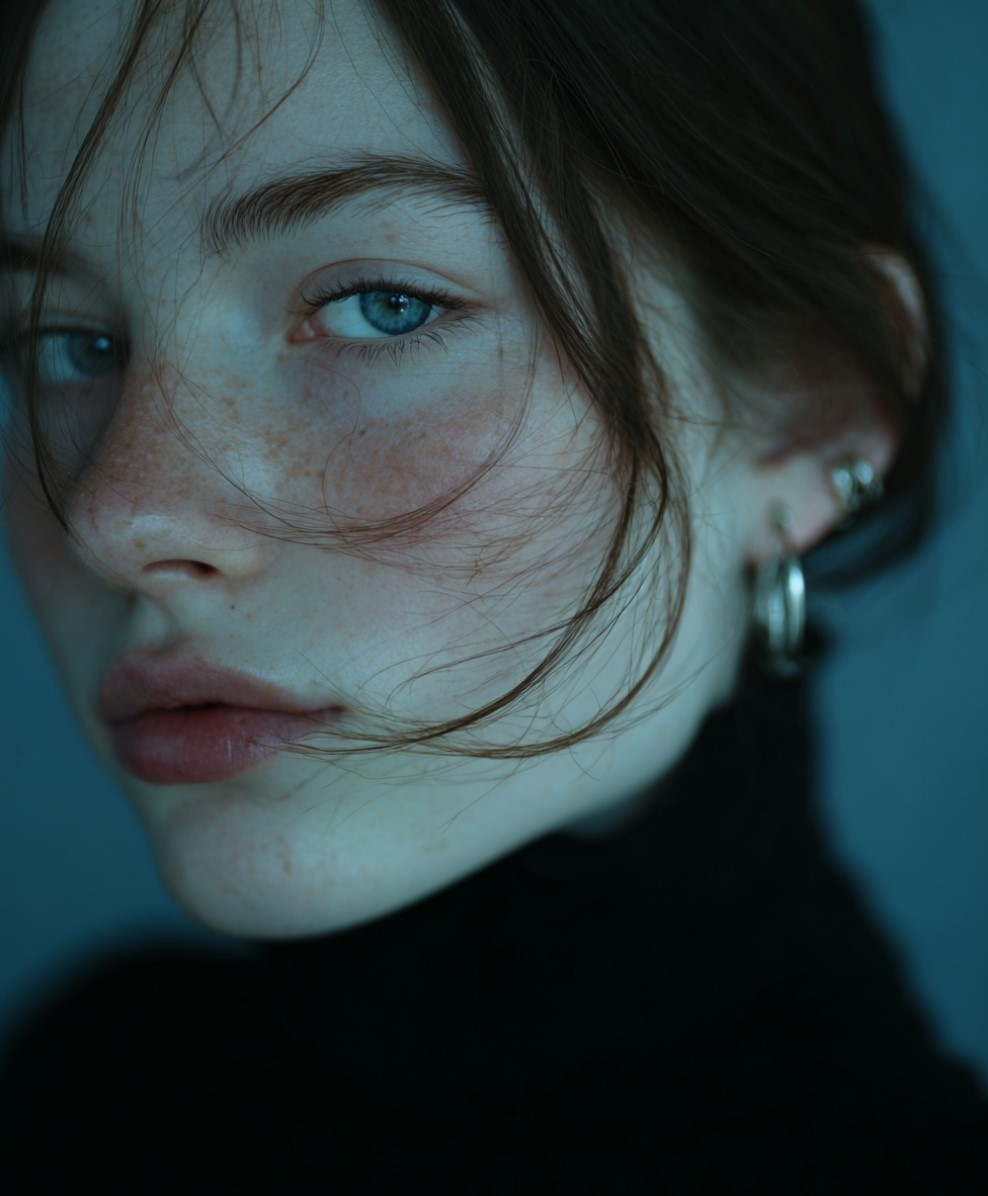
Kodak Gold 200: Warm, saturated, retrogenic. It's a nostalgia, street, summer。
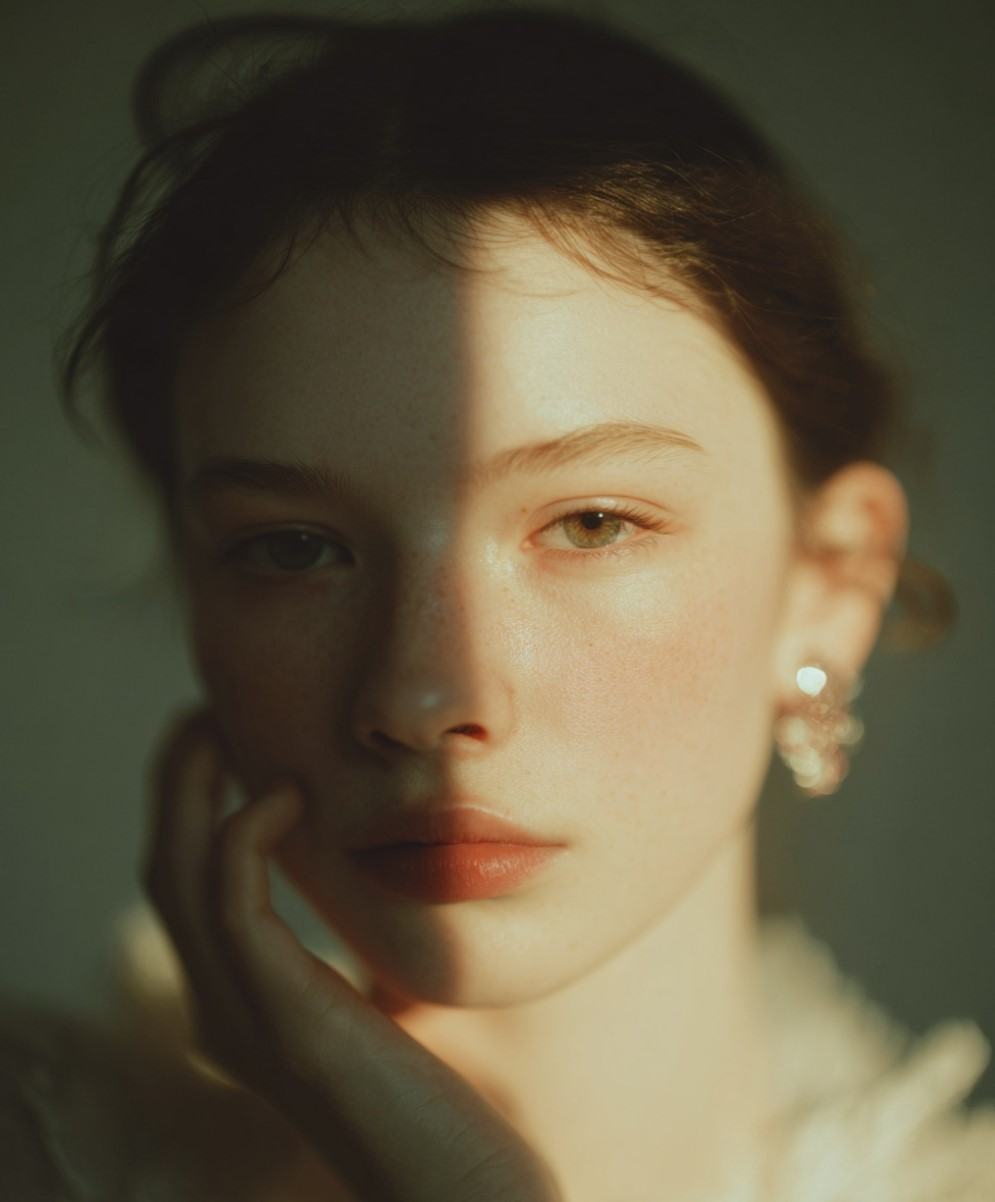
Cinestill 800T: It's a great movie。
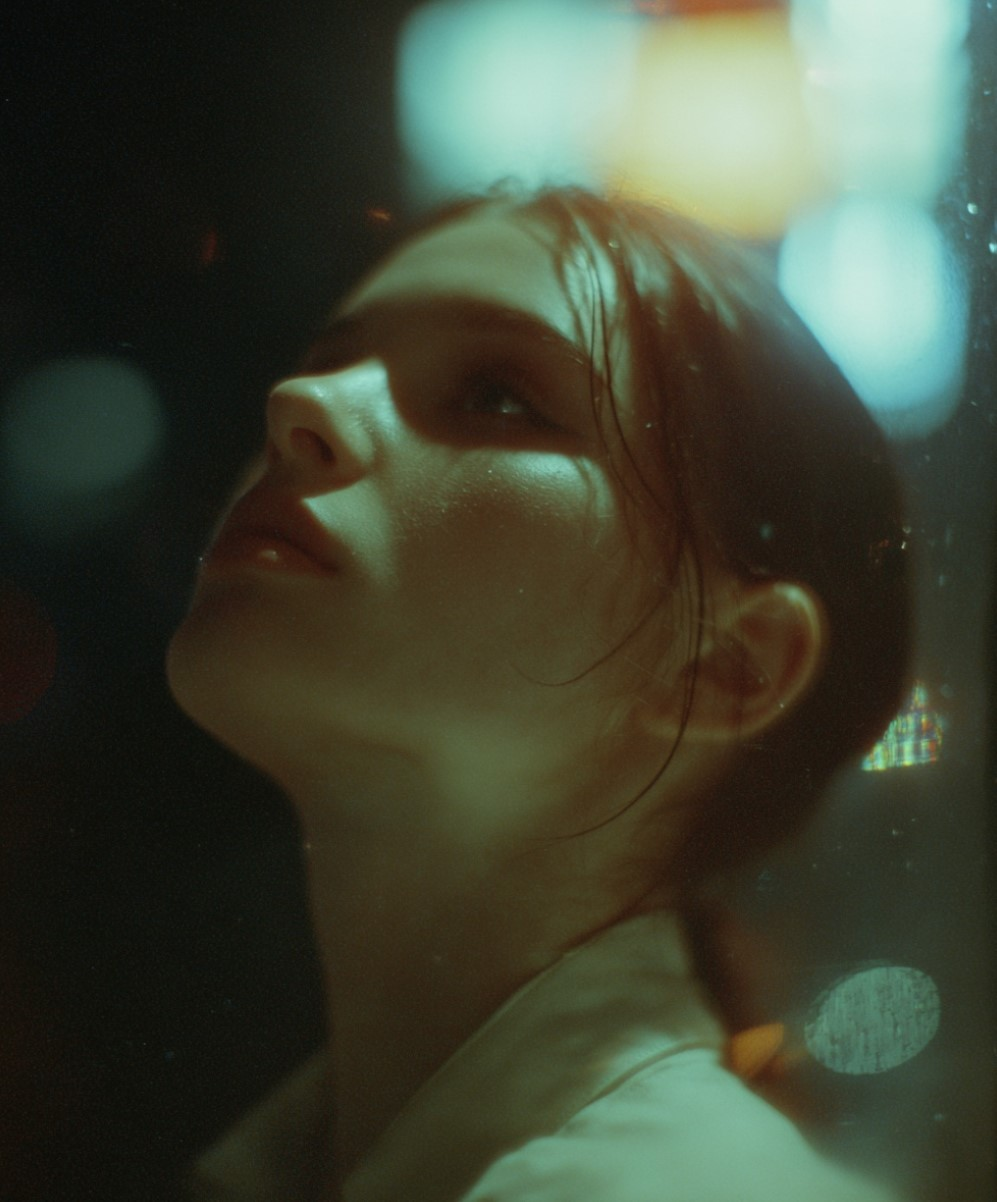
It's in the field:
boot on Kodak Portra 400, film plain, vintage acetic
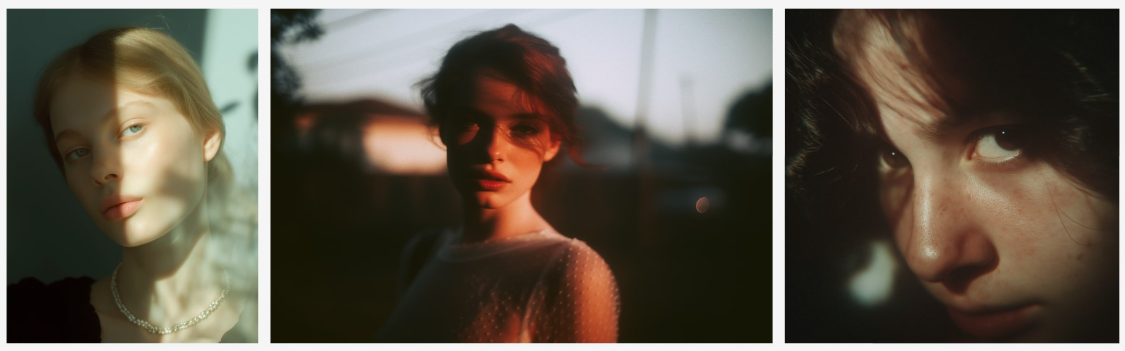
Digital style - pursuit of extreme clarity and science fiction
IF YOU WANT THE KIND OF BUSINESS AD THAT'S MORE REAL THAN REAL, OR THE 3D STYLE, THEN DON'T USE THE FILM WORD, BUT THE ENGINE WORD。
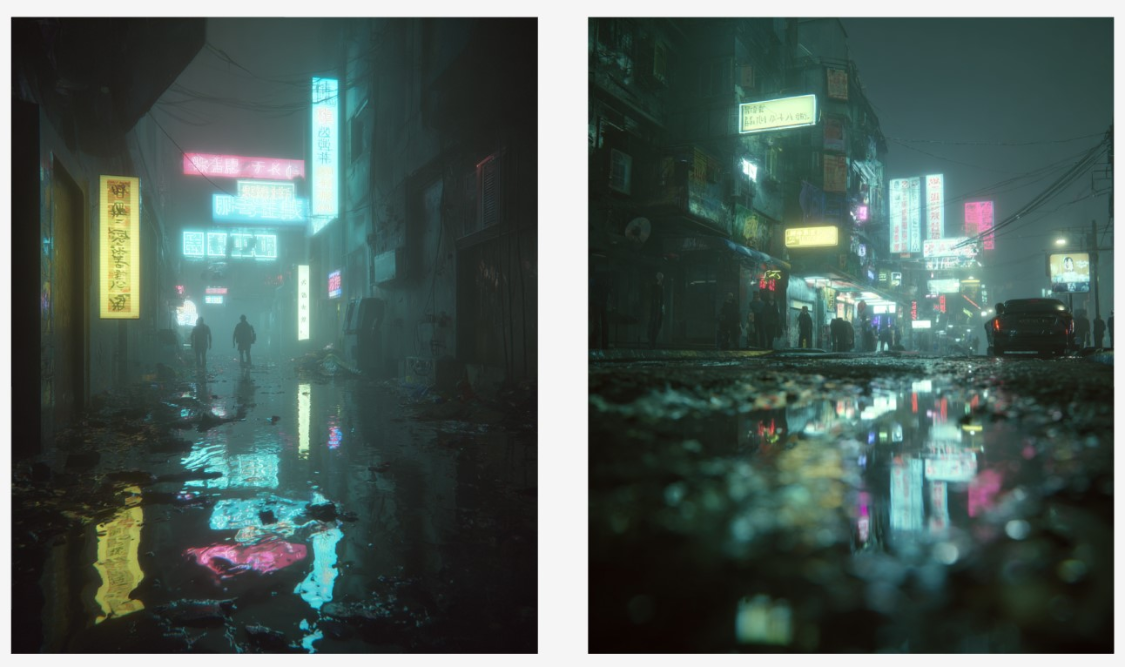
Unreal Engineering 5 / Octane Render: represents extreme photo computations, usually used in science fiction, product design, super-realistic scenarios。
Ray Tracing: Emphasis on the real sense of reflection and refraction。
It's in the field:
Cyberpunk street, non-lights reflection, Octane render, long-detailed, 8k resolution
III. Styled “magic spell”: artists and aesthetics
In addition to making the picture real, sometimes we need to have the "modernity" of the picture. The most efficient way is not to describe style, but to borrow style。
1. Directors/artists
AI HAS STUDIED HUNDREDS OF MILLIONS OF MAPS AND "KNOW" MASTERS。
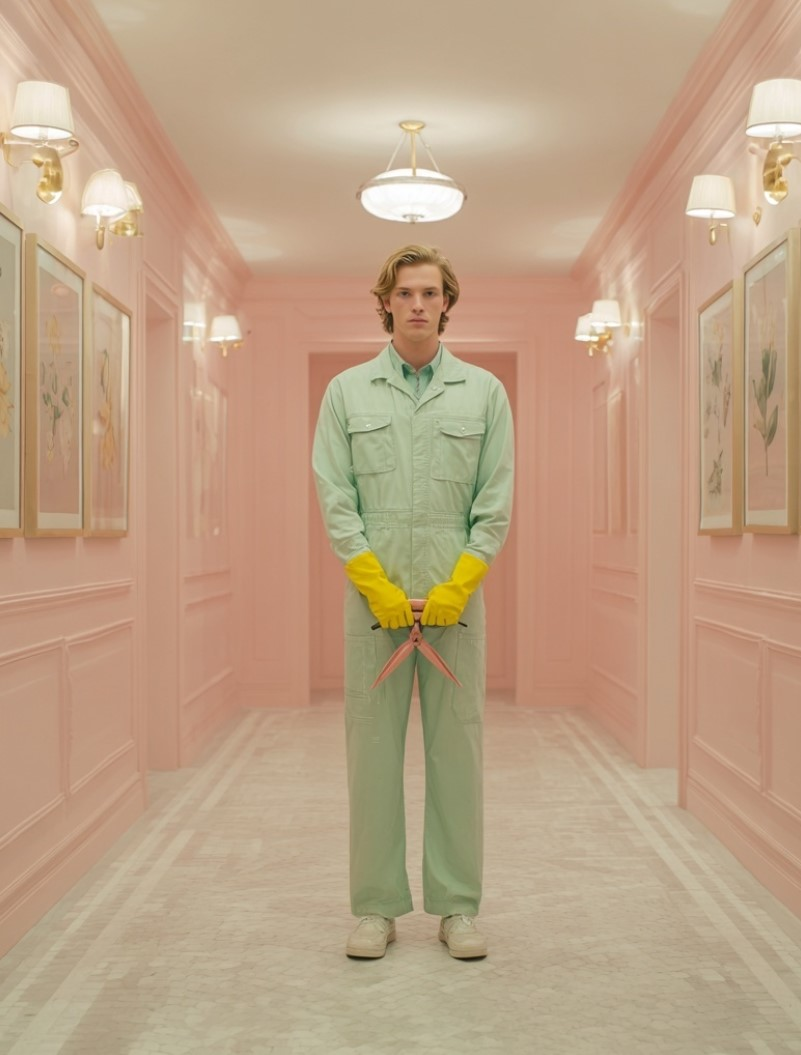
Want to have an elegant, symmetrical, saturated color? Wes Anderson Stille
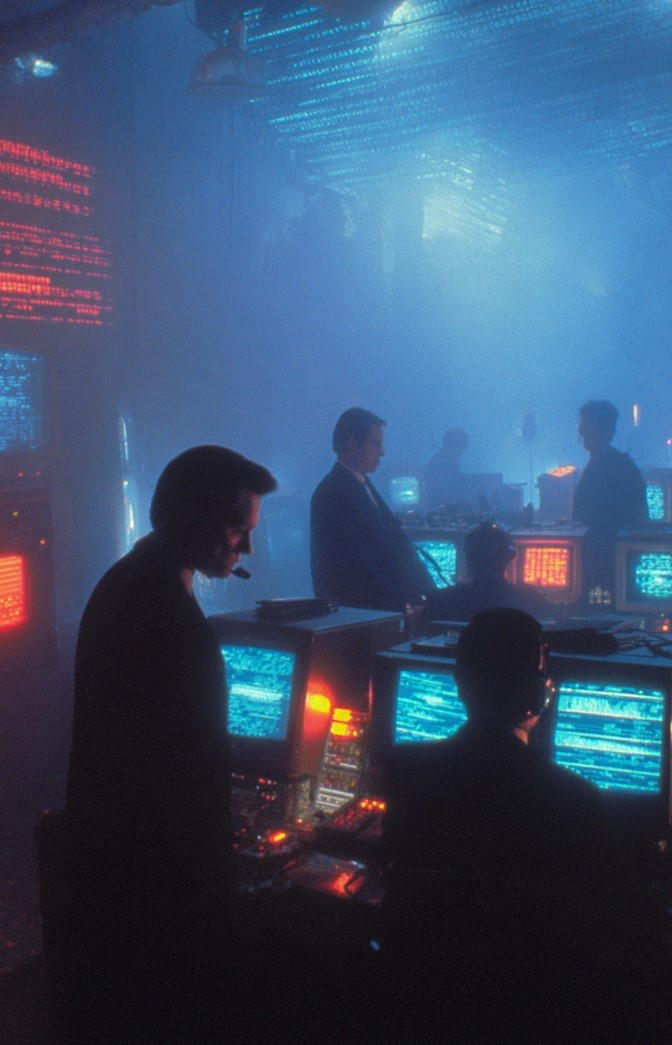
You want Saberpunk, high-comparison neon? — Blade Runner 2049 aesthetic
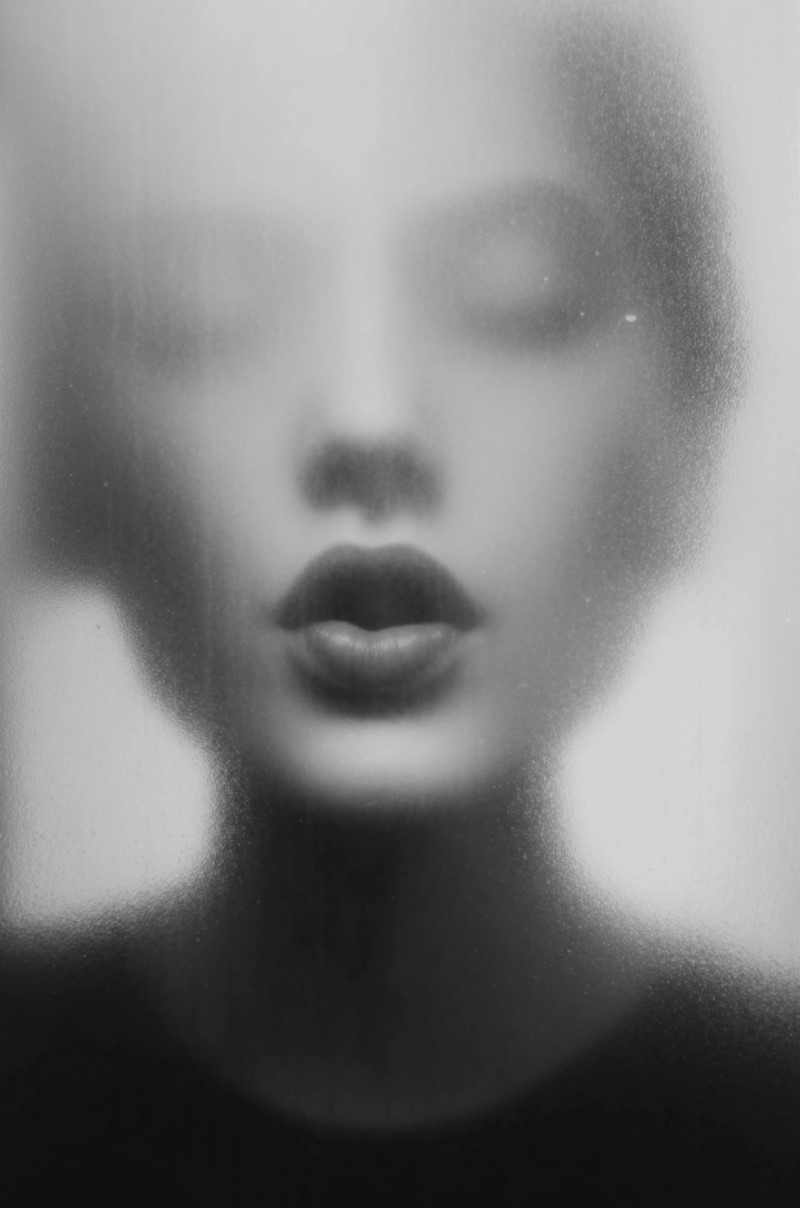
You want extreme brevity and confidance? — Hiroshi Sugimoto
A guide to the pit: do not pile it up for piling. Don't write in the style of Van Gogh and Cyberpunk, which will divide AI. One core aesthetic at a time。
2. Common aesthetic keywords (Aesthetic Keywords)
Minimalist (simplistic): clean, advanced, white。
Brutalist (grainist): Cement, concrete, geometry, coolness。
Ethel: Soft light, dream, fairy。
Gritty (brush/hard man wind): high contrast, dirty, dark and real。
Core Formula Upgrade
In conjunction with the first three classes, we now have a really complete "master's hint formula":
[subject description] + [concept location] + [light logic] + [photo-photo perspective] + [symmetry and sense]
Consolidated case presentation:
Let's say we're going to create a "woman on the street."。
White: A beautiful girl standing in street
Master's writing:
And for the sake of God, for the sake of God, it's not possible to do so, for the sake of God
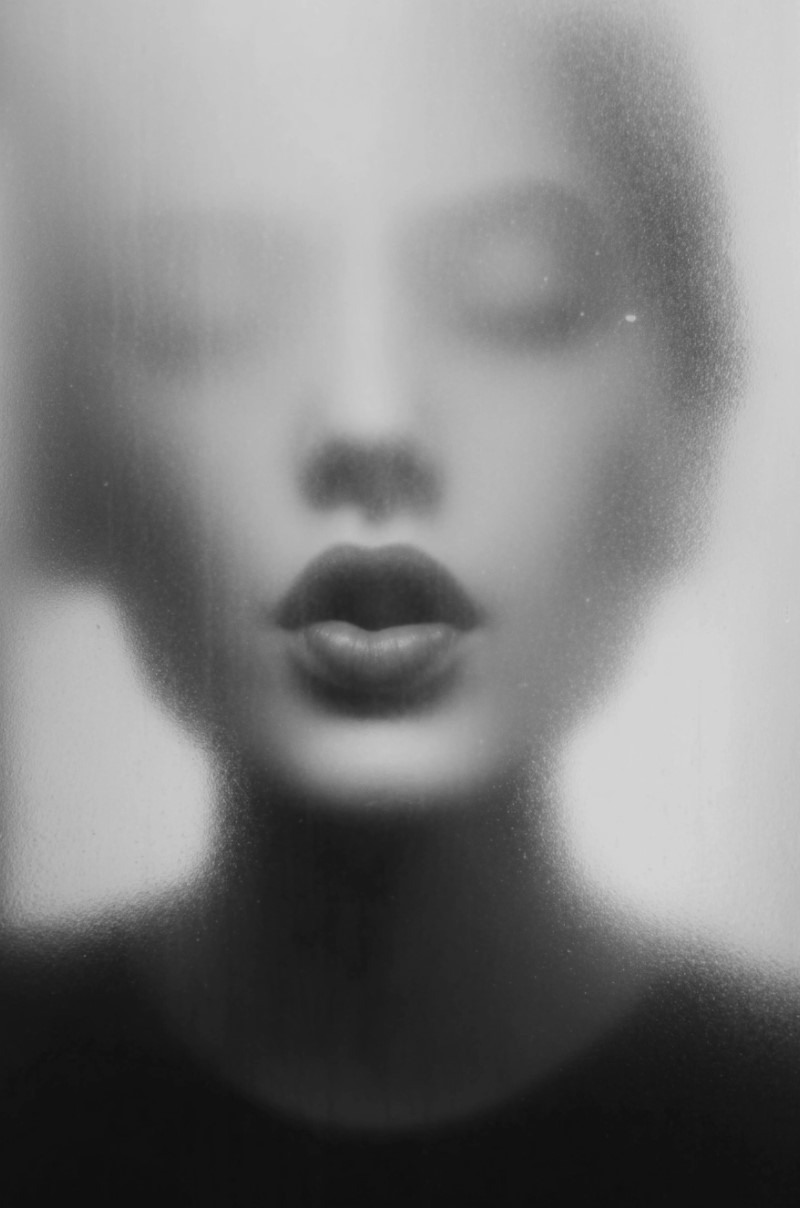
Parsing: the last of these phrases, realistic skin texture (real skin sense), soft Kodak Portra 400 grain (soft Kodak Portra 400 granular sense), long-shot feeling (long-focus lens sense), directly eliminates the plastic smell of AI and drags the image into the detective film of the 1980s。
End of story: summary of heart
This lesson is actually saying one thing: perfection is boring, and vices are interesting。
many of our classmates were working so hard to write their hints that they got a soulless "fake face." a true master dares to add "dust" to the hint, "particle" and " wear"。
Attention to the subject:
Don't be greedy: film and 3D rendering is in conflict, don't write Octane render and Vintage film together, AI will be confused。
Order is important: although MidJourney is less sensitive to sequence, it is suggested that the style text be placed in the second half of the introduction as a "motion" of the whole picture。
Try a different "film": go to Google and search Kodak Portra vs Gold for the difference, you find the new continent。
After-school work:
Try to create two maps, all of which are "A Apple-Eat Girl":
Figure I: Seeking an extraordinary sense of business photography (using 85mm, Octane Rinder, Studio lighting, flawless skin)。
Figure II: Seeking extreme humanism (use 35mm, Kodak Gold 200, natural skin texture, freckles, messsy hair)。
By comparing these two images, you can see at once how the style changes narratives。