



IT'S NOT LIKE YOU'RE WRITING BAD TIPS, IT'S YOU
No control over negative hint (reverse hint)
AI, NATURALLY, LIKES TO PUT THINGS IN THE PICTURE: BRIGHT SPOTS, FAKE LIGHT, DIRTY TEXTURE, PLASTIC SKIN... THESE ARE ALL YOU WANT TO "CUT OFF THE NOISE."。
So the core of this section is:
CUTTING OFF THE BAD HABITS OF AI AND MAKING THE IMAGE HIGH
We learned in three steps:
Cut "Dirty."
Cut the plastic sense
Cut "Fake light."
Each part contains: the principles, the typical examples of bad graphs, how negative phrases are written, the effects of field tests
Chapter I: Cutting off the "dirty feeling" - clear the air first
1.1 THE BASIC MECHANISM OF AI - “FIND IMAGES FROM NOISE”
It's called a dirty sense, which means that there's a lot of noise, particles, fog, mist, texture or meaningless light in the picture, and they're accidentally superheavy, making the picture look dull and unrealistic。
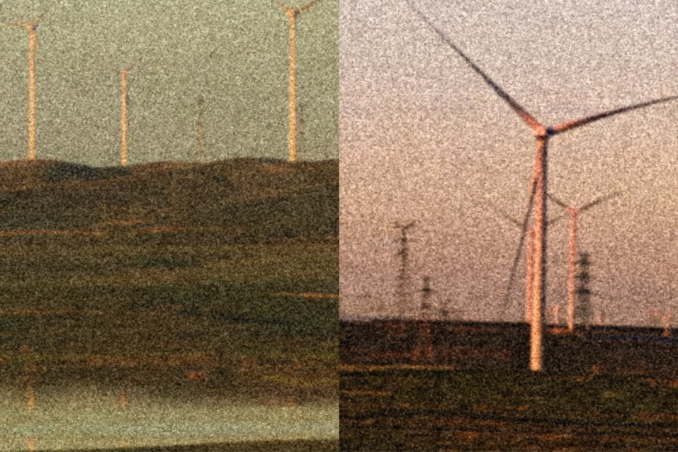
It's more dry
In principle, these elements are by-products of a model that automatically completes the whole scene information, in order to fill in its inadequate understanding of space depth, real light field and materials
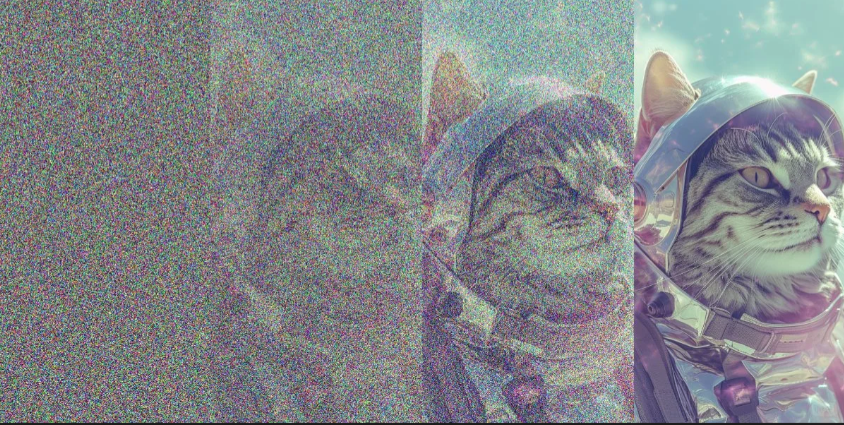
AI PaintingBasic processes
AI USES NOISE AND FOG TO SIMULATE “AIRSET”, BUT ACTUALLY DESTROYS CLARITY AND QUALITY。
Whether you use SD, Flux, Midjourney or any proliferation model, the bottom principle is the same:
Mr. Modeling makes a complete "random noise" picture
every traverse explains the noise to texture, photo, structure
The final harvest is a stable image
But here's a key point..
If the hint is not sufficient to bind the model, the model will automatically compensate for the "undefined part"。
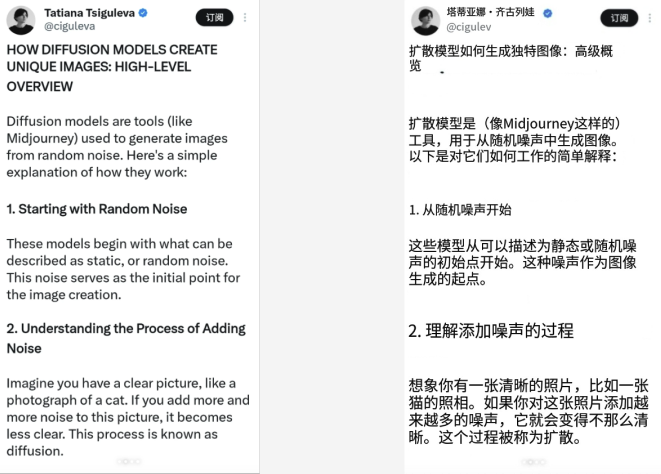
The rationale for the AI painting: In short, it is through training that the model is presented with a clear target image step by step from a random noise map。
The models are not meant to be "destroy maps," but to satisfy the logic that it learned about "real photographs should have a lot of details."。
But the problem is, most of the details it adds up to are fake
In other words, the more it gets, the worse it gets. That's why many people write more and more, more and more。
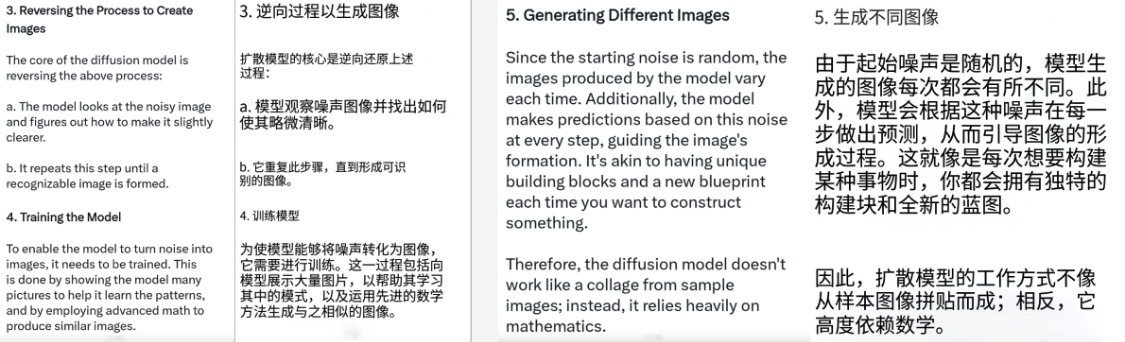
The whole process was not created on paper, but, like the sculpture in Michelangelo's eyes, to survive and gradually reveal the image that was hidden in the stone
1.2 What is the essence of the words
ONE SENTENCE: ALLOW AI TO AVOID THE WRONG DIRECTION WHEN “CONCENTRATING THE IMAGE” AND CONCENTRATE ITS RESOURCES ON THE RIGHT BACKBONE. THE ROLE OF THE PHRASE IS THREEFOLD:
(1) Removal of default wrong compensation (dirty, oil, false light)
WITHOUT THESE WORDS, AI WILL CONSTANTLY ADD ADDITIONAL DETAILS TO MAKE THE IMAGE "DIRTY" "OVERSATURATED" "PLASTICS"。
(2) Increasing the Pureness of the Image (Hilarchy Purity)
When the picture is no longer full of meaningless noises and false textures, it becomes clear and high-level。
(3) Raise the main logic to make light / space / material more real
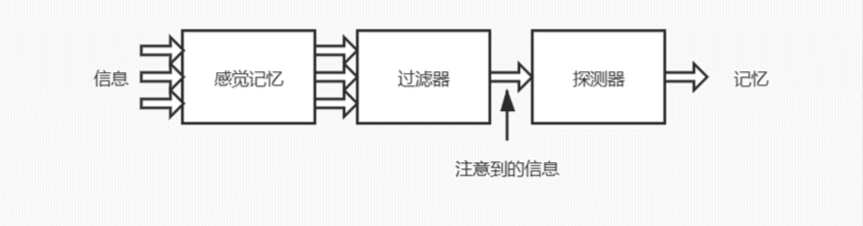
Broadbent's 1958 “Notice filter model”
In visual psychology, advanced images are not "filled with details."
It's: clean, simple, clear, clear
Because the information processing capacity of the brain is limited, screening is required in the face of a wide range of information incentives received, filtering out irrelevant information and reducing the “overweight” burden of the brain。
So we can't have a lot of details, focus, be your subject, or your color
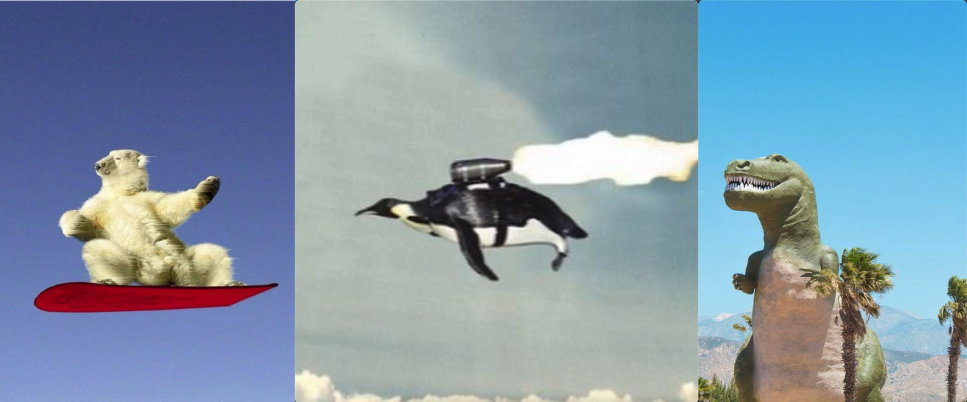
can these images capture your attention at first sight? it's actually made out of awe
CUTTING OFF THE WRONG COMPENSATION IS BRINGING THE IMAGE OF AI CLOSER TO THE "PHOTOGRAPHER CHOICE" RATHER THAN "AI ERROR."。
A simple example:
YOU GET AI TO DRAW A GIRL IN A ROOM AND NOT WRITE ANYTHING, AND AI WILL GIVE YOU TEXTURES LIKE SUSPENDED LIGHT SPOTS, AIR PARTICLES, FAKE FOG, WATER VAPOUR. IF THERE WAS WOOD FURNITURE IN THE ROOM, IT WOULD ALSO STRENGTHEN THE WOOD TO THE POINT WHERE IT WAS NOT REAL AND WOULD GIVE THE EDGE OF THE OBJECT AN UNNAMED LIGHT。
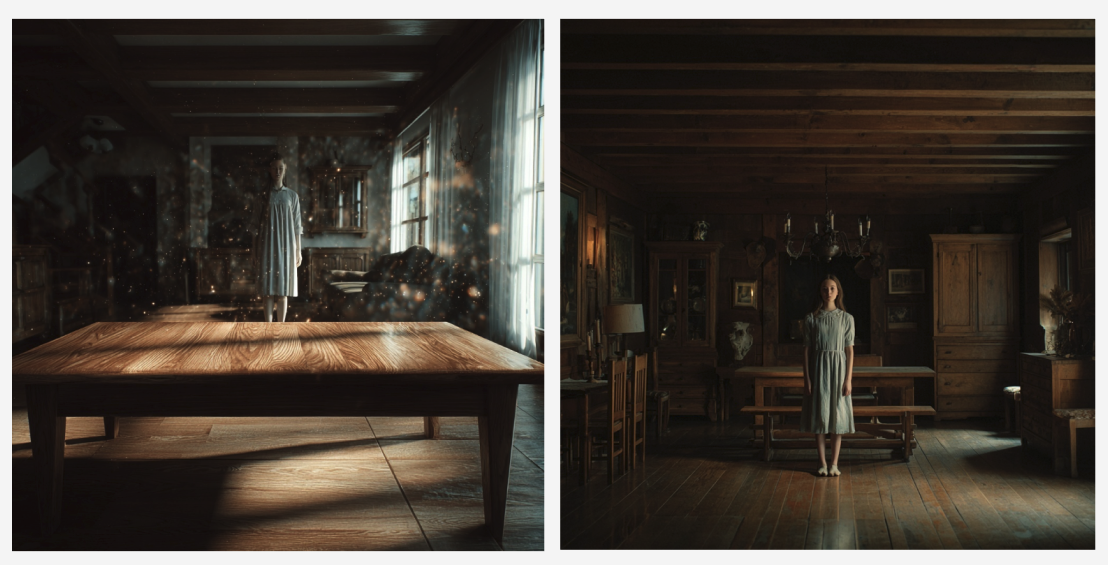
Left: Uncut Right: processed photos
It's not what you let it add, it's what the model automatically does。
THEREFORE, THE PURPOSE OF CUTTING OFF THE SENSE OF DIRTYNESS IS TO MAKE THE AIR MODULE NOISE MODULE, TEXTURE ENHANCEMENT MODULE, LOSE PRIORITY THROUGHOUT ITS GENERATION AND ENABLE AI TO RETURN TO A MORE REAL LIGHT LOGIC。
It does not have to write many words, but rather, it says, "The module that does not make the picture so valuable if the model is closed."。
You can add a hint:
dirty notes, must parties, heavy classes, funggy haze, unnecessary texture, low-equality observations, HDR-like halos, heavy bloom, noisy background, etc., to reduce the weight of air noise, clean up unnecessary interference and make the subject and the light more natural and stable
You don't have to write it all, three to five of it。
THE REAL KEY IS NOT NUMBER, BUT DIRECTION: YOU TELL AI THAT YOU DON'T WANT AIR NOISE, YOU DON'T WANT THE PICTURE TO BE CLOUDY, YOU DON'T WANT THE TEXTURE, YOU DON'T WANT THE FOG. IN THIS WAY, IT CONCENTRATES ITS ENERGY ON THE SUBJECT ITSELF, RATHER THAN RUSHING INTO THE AIR FOR SPECIAL EFFECTS。
CHAPTER 2: CUT THE "PLASTIC SENSE" - AI'S MOST COMMON AND UGLY MISTAKE
MANY PEOPLE SAY THAT THE AI IS "FAKE" AND IT'S NOT ABOUT CONTENT, IT'S ABOUT MATERIAL. THIS “PLASTIC SENSE” IS NOT A PROBLEM OF VISUAL STYLE, BUT A DEVIATION FROM THE MODEL ON “REFLECTIVE SIMULATION”。
In real photography, the reflective strength of different materials, the sharpness of the edges, and the radiant changes are completely different. Professional photographers provide light for skin light, metal light, fabric light based on material characteristics。
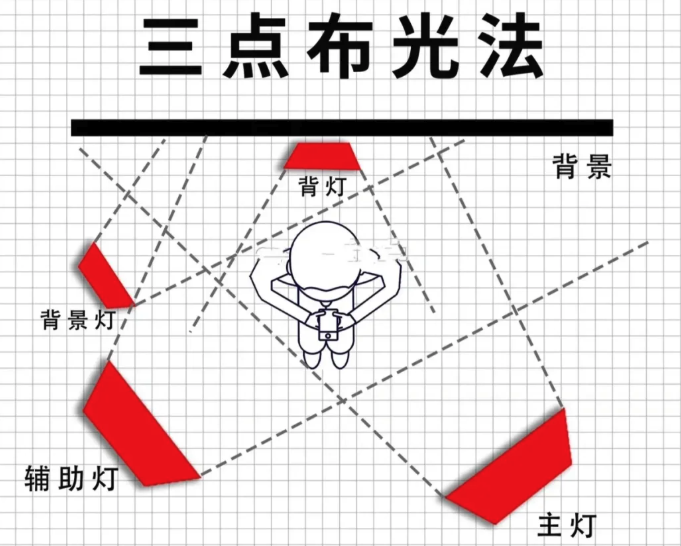
Classic Three Point Shining
AND AI, WITHOUT REAL MATERIAL PHYSICS, UNDERSTOOD THE LIGHT AS "LIGHT = GOOD," AND THE WHOLE PICTURE WAS FILLED WITH BRIGHT EDGES, BRIGHT PIECES, BRIGHT SPOTS。
FOR EXAMPLE, THE T ZONE OF THE HUMAN BODY IS THE MOST EASILY REINFORCED BY A MODEL TO "LIGHT SPOTS," AND THE WRINKLES ON THE FABRIC CAN EASILY BE ADDED BY AI TO "METALLIC REFLECTION" AND THERE CAN BE STRANGE RADIANCES ON THE EDGE OF THE GLASS。
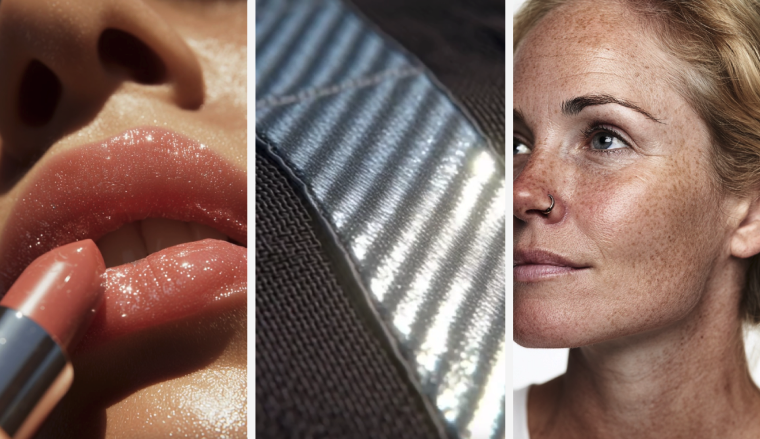
ai's plastic sense
These details are stacked to make the image look like a failed pelvis, with an unreal skin, an unmasked fabric and a cheap object。
Cut off the sense of plastic, so that the reverse hint tells the model: do not use the wrong reflection model to explain the light, do not simulate the non-existent high light, do not reinforce the material edge。
The key to operationalization is to lock down the weight of the "wrong reflection module" and to move the model to a more natural material simulation。
You can join:
i'm sorry, but i'm sorry
Common words:
i'm sorry, but i'm sorry
Chapter 3: Cutting the third layer - fake light
IT'S JUST THE PART OF AI THAT'S THE EASIEST TO GET INTO TROUBLE。
AI WILL DO TWO TERRIBLE THINGS:
The light is blurry into fog
♪ Hard spot where you shouldn't ♪
THE LIGHT IN AI'S HEART IS: BIG AND SOFT, BRIGHT AND BLURRY, STUCK IN THE AIR WITHOUT FOLLOWING THE STRUCTURE OF THE OBJECT, WITHOUT DIRECTION, AND THE AI MODEL TENDS TO AUTOMATICALLY GENERATE DRIFTING LIGHT, LIGHT ON THE EDGES OR DISPERSING LIGHT ON THE LIGHT, WHICH IS MEANT TO SIMULATE SPACE LIGHT BUT ACTUALLY CONTRADICT OPTICAL LOGIC。
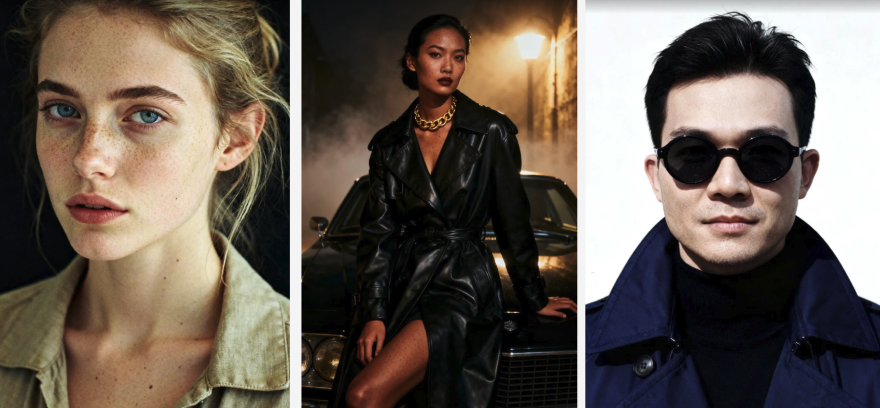
light of the ai images generated in the context of a general tip
THE PRINCIPLE IS THAT REAL LIGHT FOLLOWS THE RULES OF LIGHT SOURCE, MATERIAL, ANGLE, DISTANCE, ETC., AND THE LIGHT BINDS THE SURFACE OF THE OBJECT AND CREATES A REASONABLE SHADOW, WHILE AI AUTOMATICALLY GENERATED LIGHT, WHICH IS USUALLY UNSOURCED, UNBOUND, DRIFTING AND DISARRAY, LEADS TO A LACK OF CLARITY OF THE CONTOURS OF THE SUBJECT。

the ai effect of adding a luminous text
You'll see a lot of people on the edges of their hair, and there's a lot of light on the edges of their hair, and there's no light on the edges of their clothes or furniture, and the whole picture is covered by a thin fog。
In combat, the following may be added to the message:
negative words, such as negative glow, halo edges, make light bloom, soft fog light, exceptive highlight bloom, misty diffusion, make models suppress unnecessary light and force light to follow object structure。
Cut:
♪ all right, let's go ♪
AFTER CUTTING OFF THE FAKE LIGHT, THE SUBJECT IS CLEAR, THE LIGHT IS CLEAR, THE SENSE OF SPACE AND THE SENSE OF STEREO IS RAISED, AND THE PICTURE IS NATURAL AND ADVANCED. IT'S THE MOST CRITICAL FACTOR IN THE IMAGE, AND IT'S WHERE AI CAN GET OUT OF CONTROL。
THE ESSENCE OF THE FALSE LIGHT: AI MISCONSTRUES THE ATMOSPHERE AS THE FOG LAYER
What we have to do is not darken the picture, but:
Let the light return to physical rules。
Operational methods (full version of process strictly reusable)
Here's what I've been using for myself, not only to make words more effective, but also to make the final image more uniform and more like a series of works。
Step 1: Write "Pretty straight" - no filter, no style
You only write: Subject + scene + light orientation + photographic parameters + structure + style theme
For example:
a young woman standing in a best clearing, wearing an off-white dress.
i'm sorry.
it's not like you can't say that
Do not write "high-clean, super detailed, 8k, sharp face" or "photo, real, overwritten"
Step 2: Add the word "grouping" - add by problem type
Example:
no, no, no, no
you know, i'm not sure i'm gonna be able to do that,
i'm sorry,
♪ hallo low, bloom effective, dreammy low, mitzvah
If you want to be more precise, you can group the tests:
I'm just cutting the dirty feeling
Only plastic
Only fake light
Cut All
This allows you to see which of the most influential types, and eventually to form your own style template。
Common error zone: Why were your previous clippings invalid
Mistake I: Consider the word "remediation" rather than "pre-structure"
Many are:
It's not good
In fact, the words should be:
WHEN YOU WRITE A HINT, YOU DEFAULT ON THE ADDITION OF A HINT TO DENY AI A CHANCE TO MAKE IT UP
That's the difference。
ERROR 2: TOO FEW WORDS TO OVERWRITE THE AUTOMATIC COMPENSATION FOR AI
For example:
no, no grainno halo
It means too little to the model。
What you're going to write is a group of dirty senses, a group of plastic senses, a group of fake light, a system, not a word。
Mistake three: No layering, too much to write in the right hint
The more messy the positive, the more uncertain the model becomes and the more messy it becomes. The real professional method is: a positive control framework, a word-control quality。
Wrap-up: Cut words — the core secret of the image's sense of superiority
CUT WORDS ARE NOT SIMPLY NEGATIVE, NOR ARE THEY ARTICLE-BY-ARTICLE, BUT RATHER A CONTROL BASED ON AI ' S PRODUCTION LOGIC, PHOTOGRAPHY AND VISUAL AESTHETICS。
By cutting off the dirty senses, the plastic senses and the fake light, you can return the picture to a state of cleanness, truth, close to the photography logic, and make the light, the material, the spatial sense and the subject more natural。
High-end images are essentially the result of subtraction, and the quality you want is not by adding more effects, but by cutting out interference。
BY CUTTING WORDS, YOU'RE IN CONTROL OF THE AI IMAGE, AND YOU CAN MAKE THE RESULTS STABLE, NATURAL AND VALUABLE WHILE KEEPING CREATIVE FREEDOM. AND EVERY TIME YOU PLAN TO CUT WORDS BEFORE IT'S GENERATED, IT'S THE CORNERSTONE OF A SENSE OF EXCELLENCE, AND IT'S THE KEY STEP IN MAKING YOUR AI IMAGE MORE PROFESSIONAL, MORE MANAGEABLE AND MORE BEAUTIFUL。