



IN AI IMAGE GENERATION, THERE IS A KEY BUT OFTEN OVERLOOKED MECHANISM:
Lou's great。
It allows the model to automatically modify your hint to the result of "most stable, typical, safe."。
IT SOUNDS LIKE A GOOD THING, BUT IT'S THIS KIND OF "OVERSTABILIZATION" THAT MAKES MANY PEOPLE'S IMAGES MORE, MORE, MORE, MORE, MORE, MORE, MORE, MORE, MORE。
IN ORDER TO MAKE MORE RELAXED, ARTIER, MORE ROBUST WORKS, YOU HAVE TO LEARN TO MAKE AI SLIGHTLY UNSTABLE WITHIN CONTROL。
This process is called Robustness Breaking --
IT'S NOT A MESS, IT'S AN AI THAT JUMPS OUT OF THE DEFAULT SET, RECREATES THE NEW AESTHETIC PATH。
The course will teach you three core skills:
The images are out of control, the light out of control, the style out of control。
WITH THEM, YOU CAN GIVE AI A MORE NATURAL, REAL, HIGH-LEVEL VISUAL EFFECT。
Ready, we're getting into the class。
WHY ARE YOU WRITING MORE HINTS, MORE AI
AI VISUAL MODELS HAVE A NATURAL TENDENCY TO:
As long as your hint is clear and stable enough, it automatically pushes the picture to the statistical “safest answer”。
Safety means consistency
Consistency means templateization。
templateing eventually turns into: whatever you write, it gives you a "same vibe."。
What do you mean, "safe answer"
It's:
Maps are stable, centered, light is even, colour is clear, scene is clean, moody, style is predictable
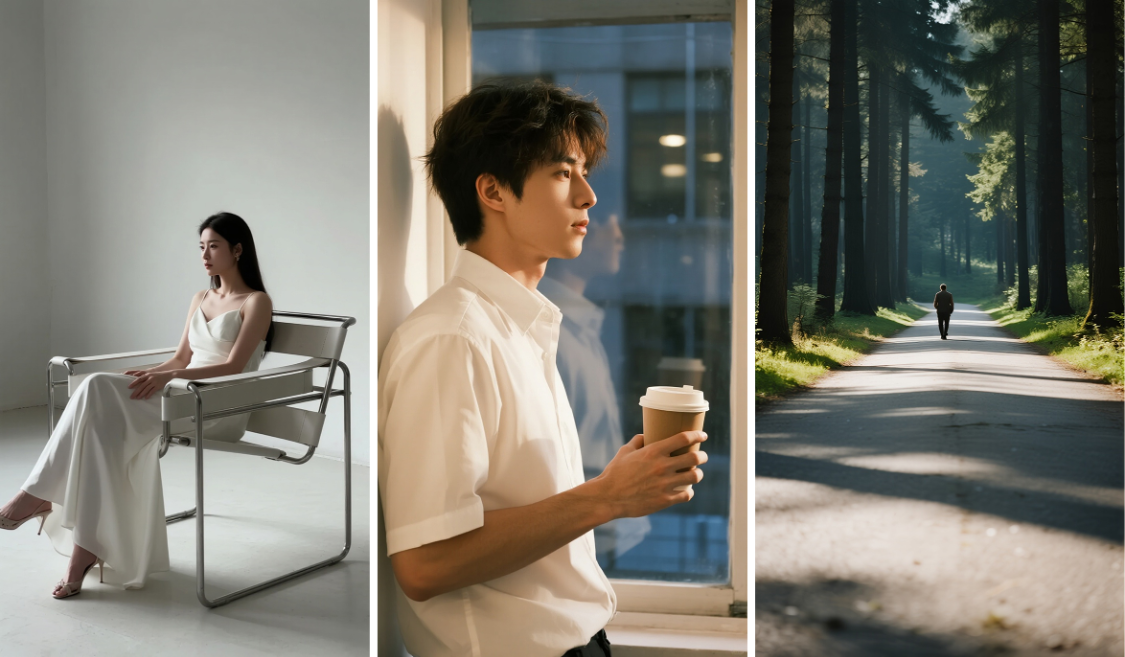
Safe answerAI Image
AND THESE HAPPEN TO BE THE MOST "CONFIDENT" AREAS OF THE AI MODEL。
If you do not give it a destructive factor, it does not hesitate to push all the generation there。
SO THE MORE ACCURATE YOU WRITE, THE MORE THE IMAGE LOOKS LIKE AI。
The more you try, the easier you fall into its aesthetic trap。
What do you mean? Why does it matter
Robustness simply says:
The model remains capable of stable output in the face of interference。
The more you write, the more steady the model。
THE MORE STEADY YOU WRITE, THE MORE IT LOOKS LIKE AI DREW IT, NOT THE REAL WORLD YOU THINK IT IS。
Lu's great destruction is deliberately making the model less stable。
Keep it “uncertainty” in the process of generation, allowing for a slight but reasonable deviation of the picture。
This deviation is not out of control, but a high level of “incomplete predictability”。
For example, women are the main subjects:
When you write:
Soft light
AI WILL GIVE YOU THE SAME LIGHT AS A TEXTBOOK。
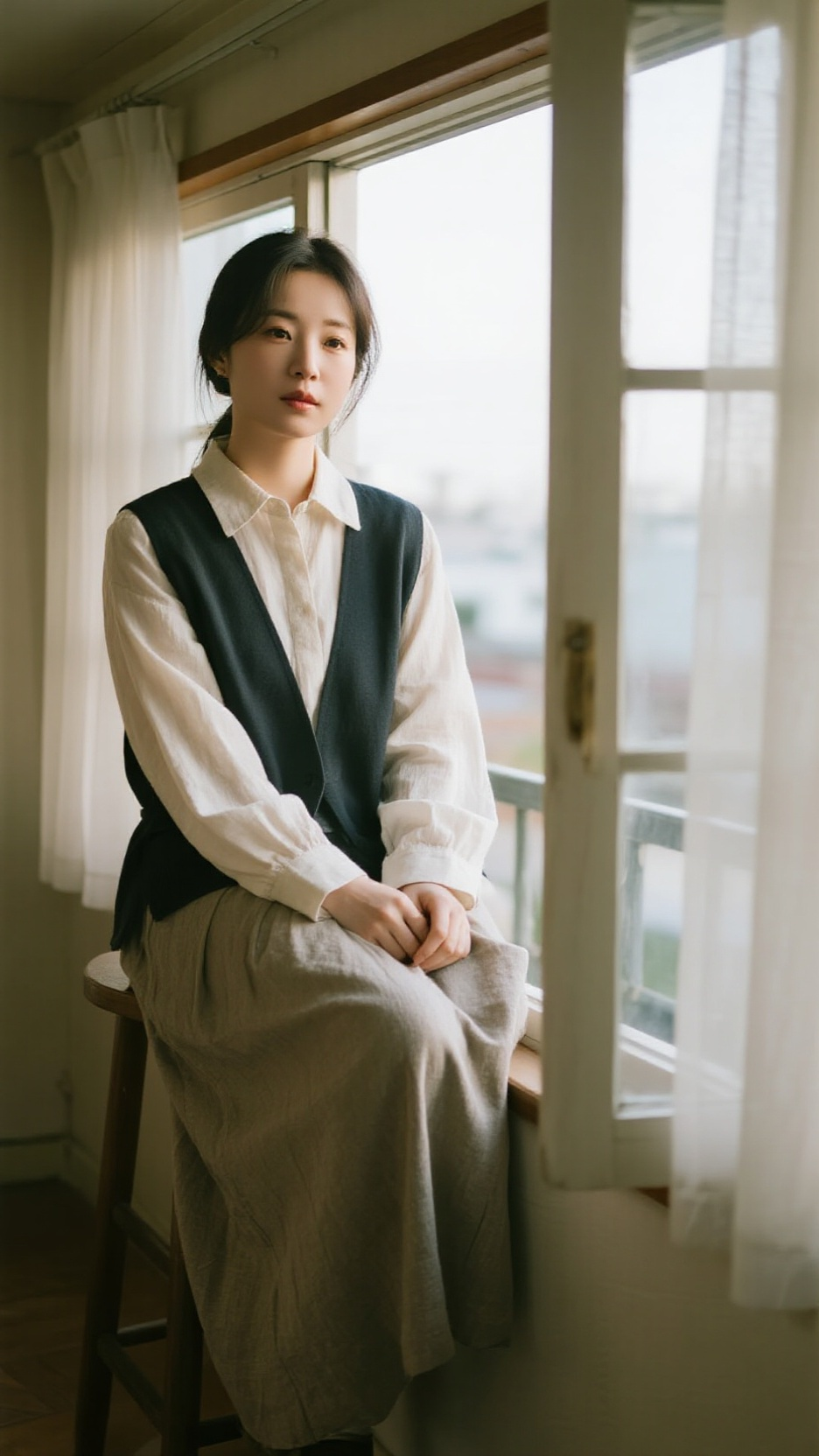
But when you write:
Soft light, but with a hint of unorganized natural scattering, like the light just after the claudes have been pushed forward by the wind
AI WILL PAUSE -- IT'S STARTING TO BE UNCERTAIN。
This is the moment of great destruction。
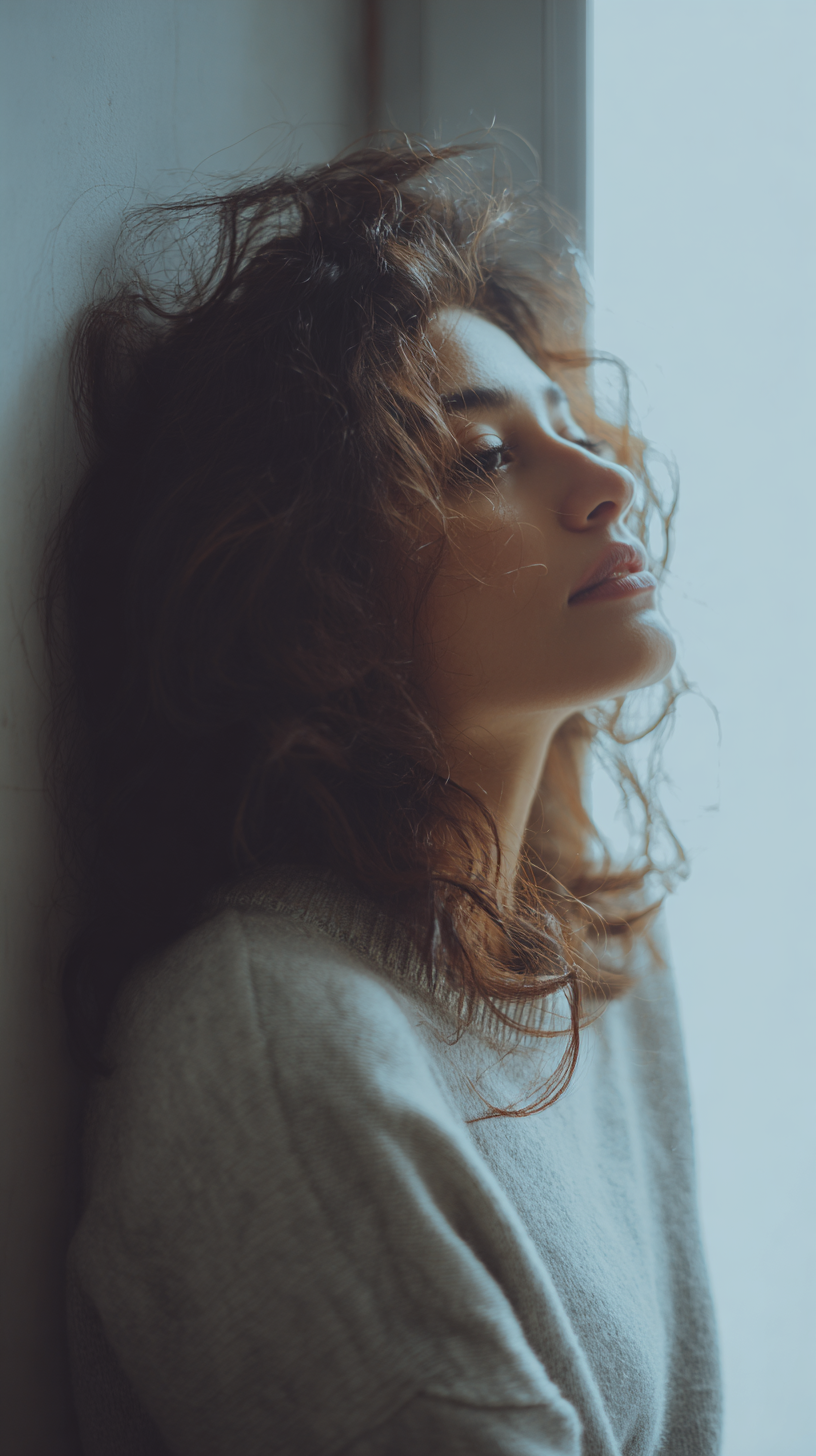
At this point, the model enters "Recalculation"。
At this moment, it creates a degree of confusion closer to the real world。
It is closer to the visual experience of human photographers, directors and painters。
Why is “out of control” a higher level of control
Because perfection is never natural。
Nature always carries a flaw, a deviation, an accident。
Photographers will deliberately keep the focus insufficiently precise, press down the light ratio, and make the background confusing。
The director will deliberately give the camera a slight shake, a leak of light, and a variety of colors。
The painters will keep the edges of the pen, the unevenness of the colours, and the marks of the blades。
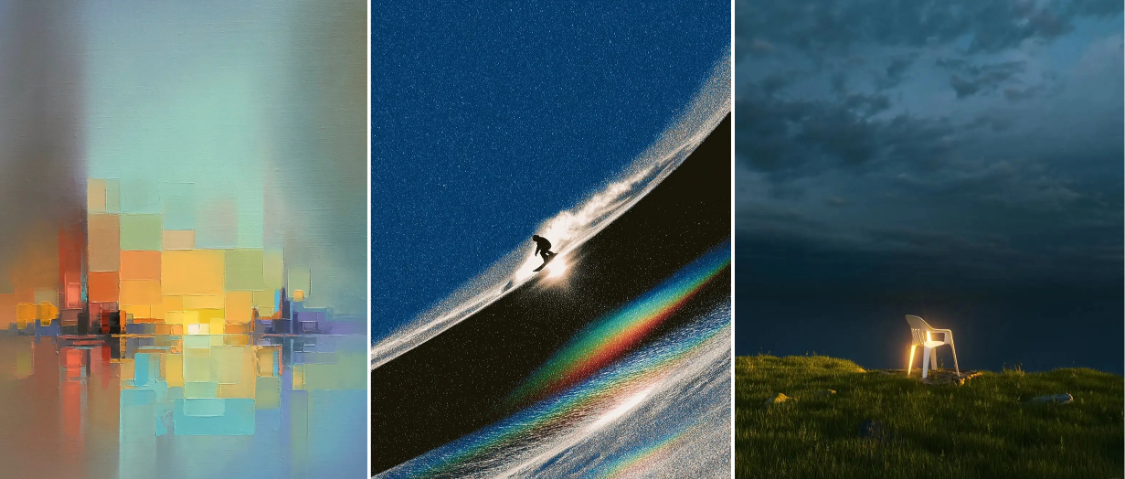
Figure 1 is an artist's work. Figure 2.3 is a photographer's work
These details are not “unable to do so”。
It's “intentionally”。
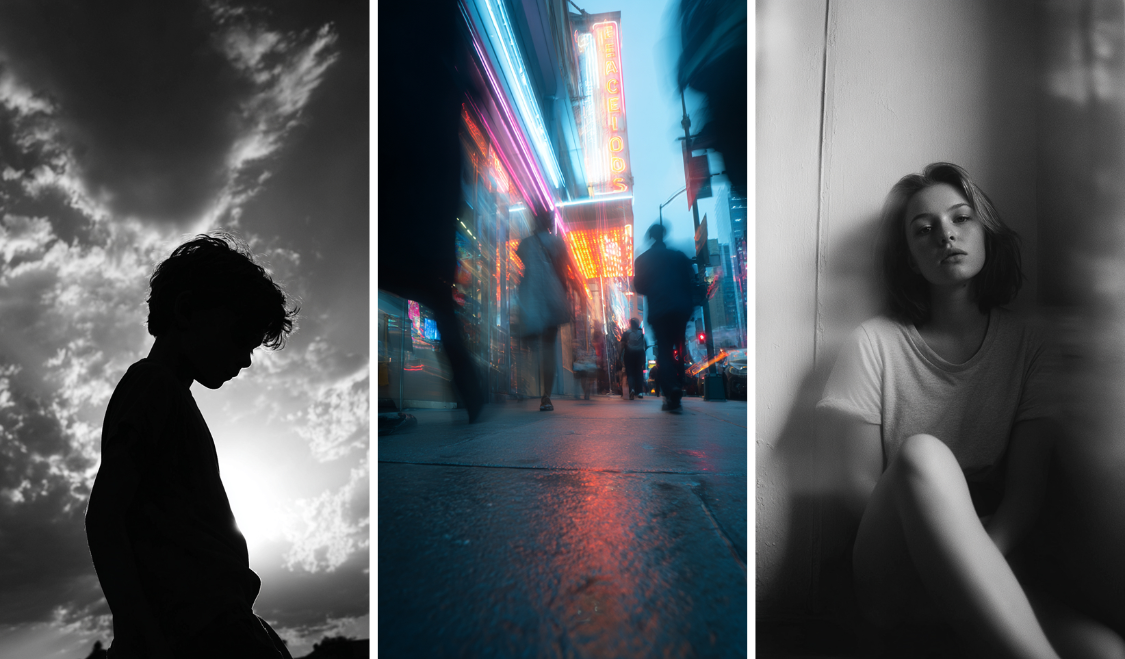
emotional, with a picture of an "unperfect with tension" ai
AI ACQUIESCES IN THE ABSENCE OF SUCH “INTENTIONAL”。
It will only take you to the end of clean, straight, aligned, aesthetic averages。
SO WHEN YOU WANT TO MAKE THE IMAGE OF AI MORE REAL AND MORE "THE QUALITY OF THE PERSON," YOU HAVE TO CREATE IN THE HINTS A MODERATE OUT OF CONTROL。
It's out of control. It's not fabricated。
They are:
It controls direction, but not detail。
Just like you told the model, "Be natural," you don't know what she's doing, but you know she's not gonna do it。
SO IS AI。
You have to make it “not completely certain”, but “the basic direction is right”。
Three core methods of 04 04 | 04
THERE ARE ONLY THREE CORE TECHNIQUES, BUT THEY ARE ENOUGH TO ENHANCE THE NATURALIZATION OF YOUR 80%:
Method 1: Structural destruction
Instead of using a standard image, the picture is transposed, tilted, shielded, foregrounded。
Method 2: Light damage
AI, WHICH LIKES TO DESTROY DIRECTIONAL LIGHT, REFILL LIGHT, CONTOURS, IS MOST INTERESTED IN STABLE OUTPUT LIGHT, MAKING "NATURAL IMPURITY LIGHT."。
Method 3: style damage
Lets styles eject from the unified template, for example, by adding simulated noise points, missing edges, confusion of materials, slight misalignment。
These three methods of destruction can be used independently or in combination with a stronger “naturalization drive”。
Especially in business maps, combination techniques keep the picture both manageable and non-rigid。
05-Technology I: Getting the image out of control (but not losing direction)
THE AI MODEL IS THE BEST AT OUTPUT OF THE "STABILIZATION DIAGRAM"。
But not every picture of the real world is a central one, nor is it a three-point cut-off point。
Real graph features include:
The main subject is not absolute, the person is slightly left/right-righter than expected, the outlook is sometimes covered, the background is not completely clean, the line is slightly tilted and the view is not a textbook model
IF YOU WANT THE PICTURE TO BE NATURAL, YOU HAVE TO LEAD AI TO SIMULATE THESE "REASONABLE INCOHERENCES."。
You can add words like this:
The subject is brightly off position by a few millionaires, with a view that seems to be like it was technically captured, light foreground occulusion (leaves/light spots/glass replays), an imperfect habitat line with a bright tip that does not include the image, and a natural ship of the line of sight at the moment the matter is pressession
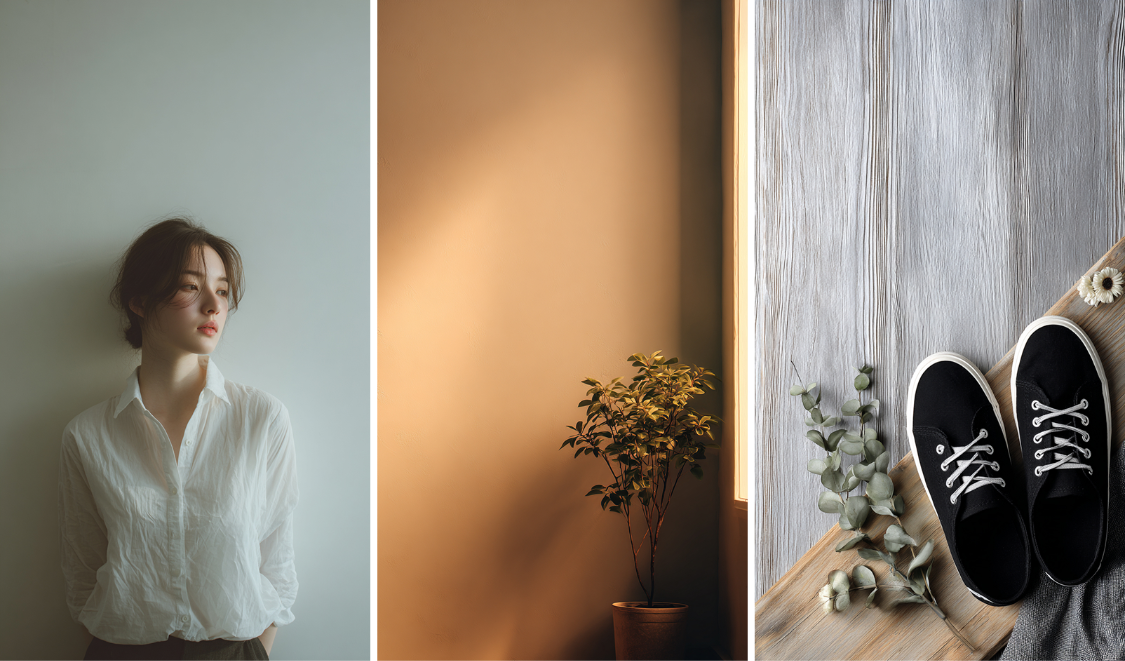
These three pictures are examples of the pattern, indicating the main drift and the white trend
These words make the model less “stable center” and make the image more human。
06-Tech II: Getting the light out of control
LIGHT IS THE EASIEST PART OF "AI TASTE" BECAUSE AI DEFAULT LIKES:
Even brightness, beautiful light, controllable shadows, clean environments, formulaized temperature balance
But the light of the real world has never been so gentle。
The light is reflective, it's dispersing, it's eclectic, it's glowing, it's running in the air。
You can destroy the light's “excessive rationality” by selecting the few copies you need:
Add uneven light
The light has a bit of irregularity, with local slight overexposure or the bright reflective spots, and the protected light carries the colorcast of the environment
Add environmental impact light
There is a bit of humidity in the air, making the light to Scatter brightly; it's like the moment when the clauds part, and the light hasn't fully stabilized yet yet
Add a little "unreal."
There is a very fair halo at the Edge, not obvious but present; a faint light bill that only counts in real results
For example, the following figure:
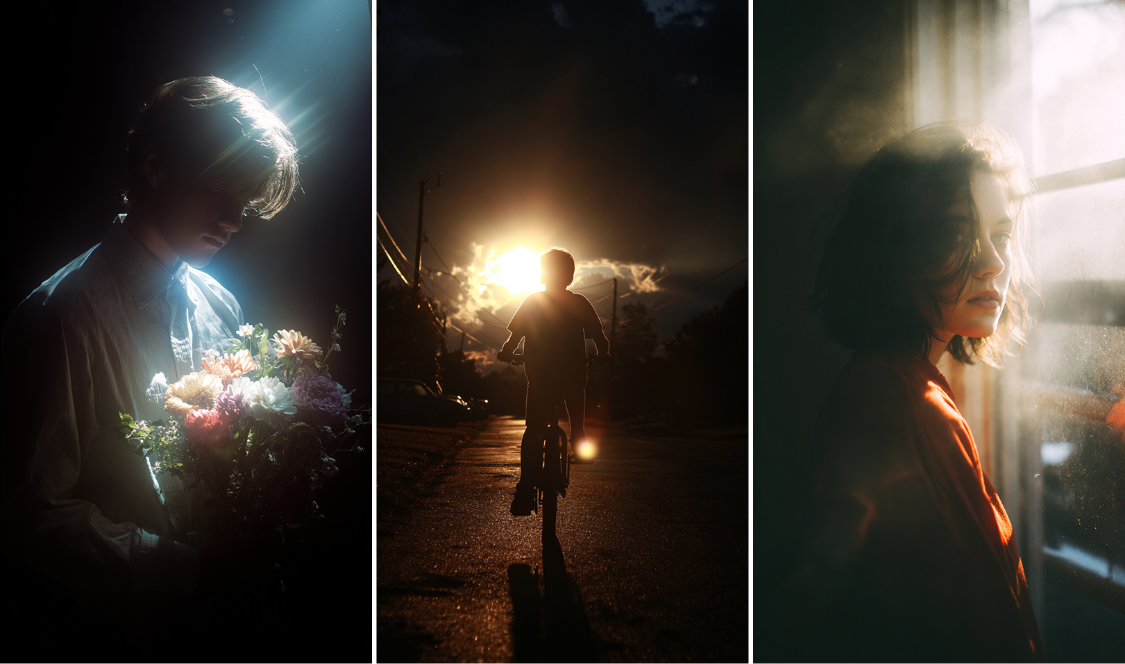
The light is out of control, the source of chaos, the example of flashing, unstable brightness
THESE LIGHT WORDS WILL SIGNIFICANTLY REDUCE THE AI TASTE OF THE IMAGE。
07 |T3: GETTING STYLE OUT OF CONTROL
AI'S FAVORITE THING:
Style consistency。
It's like-temperature, it's like-temperature, it's like-skinned, it's like a plastic。
But that's not how human creation works -- the aesthetics of human beings contain a lot of little style noise。
You can disrupt style by adding the following words (select a few copies you need):
Smallly fall off rather than being naturally cut, which are of the natural kind, with a bit of style drift and not necessarily optional
For example:
TEXTURE DEVIATION + COLOUR DRIFT + EMOTION / ARTISTIC AI IMAGE
These words will not destroy the subject, but will make style more like “real filming/creation results”。
08 |3 skill combination method
The real powerful picture is not a point of “destructing the image” or “destructing the light”, but a three-fold picture that simultaneously provides a light degree of uncertainty, allowing the whole picture to enter the “natural state”。
Below is a grouping template (which you can use repeatedly):
1 Map Base + Image Damage
The caractors 35% of the conflict, lightly to the left, with a light transition operation in the Foreground to make the picture more natural.
2 Light Benchmark + Light Destruction
The setting sun is backlit, but the light has an incompletely still scattering, and there is a bit of humidity in the air.
3 style benchmark + style damage
Overall soft field, but the gray is not completely unusable, with a light natural situation.
WHEN AI IS "NOT FULLY CERTAIN" ON THREE DIMENSIONS AT THE SAME TIME, IT OFTEN PRODUCES ONE IMAGE --
It's lax, real, chaotic, emotional, no plastic。
It's the most important visual quality of business, film, fashion, and life
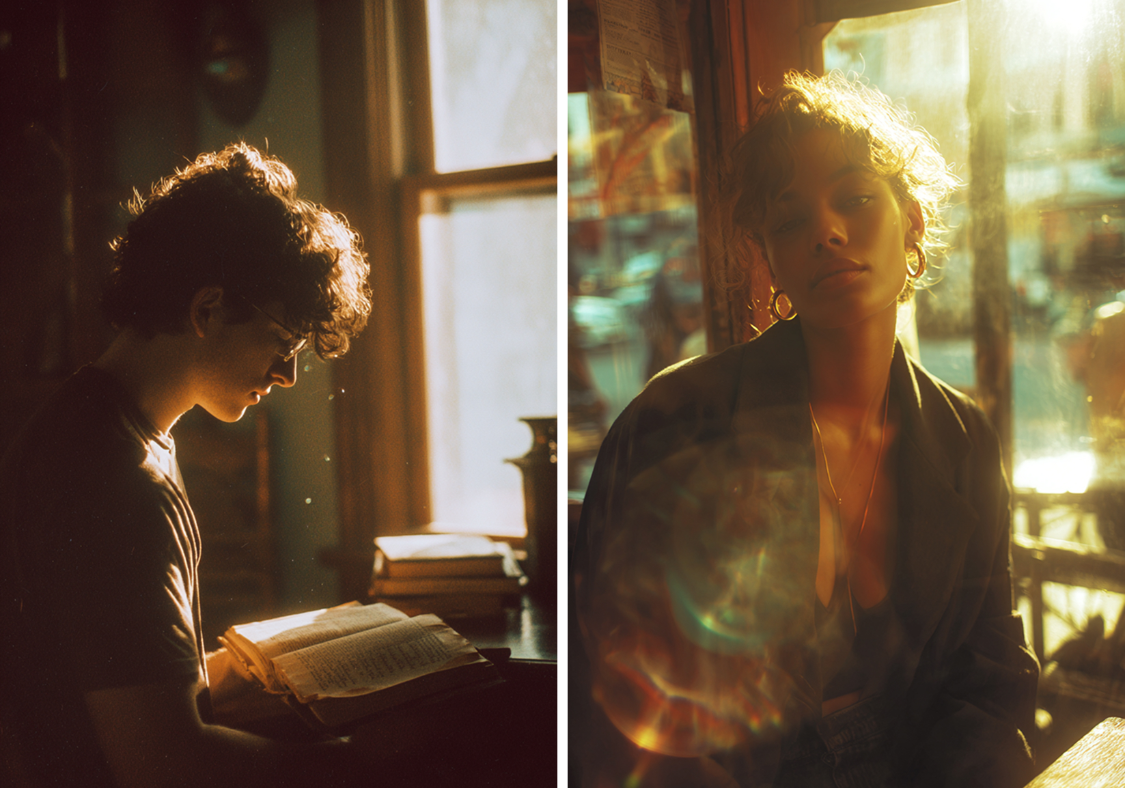
Film Wind / Retrophoon
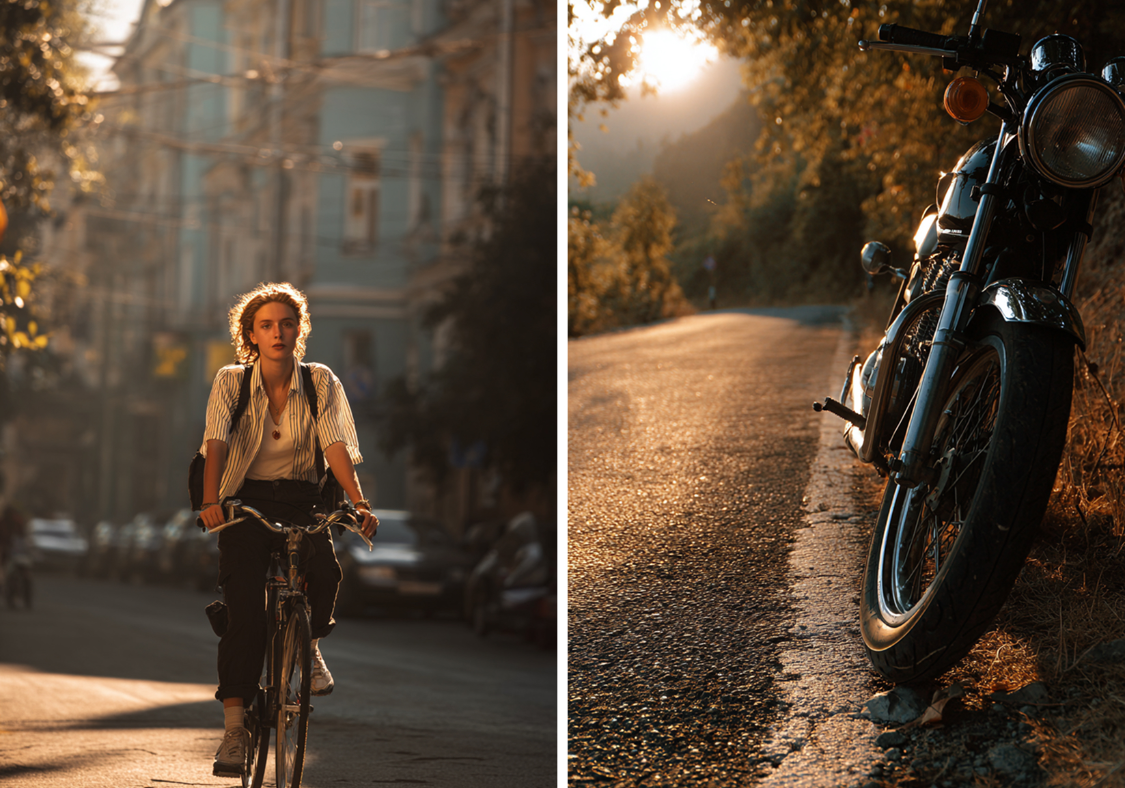
Realism photography
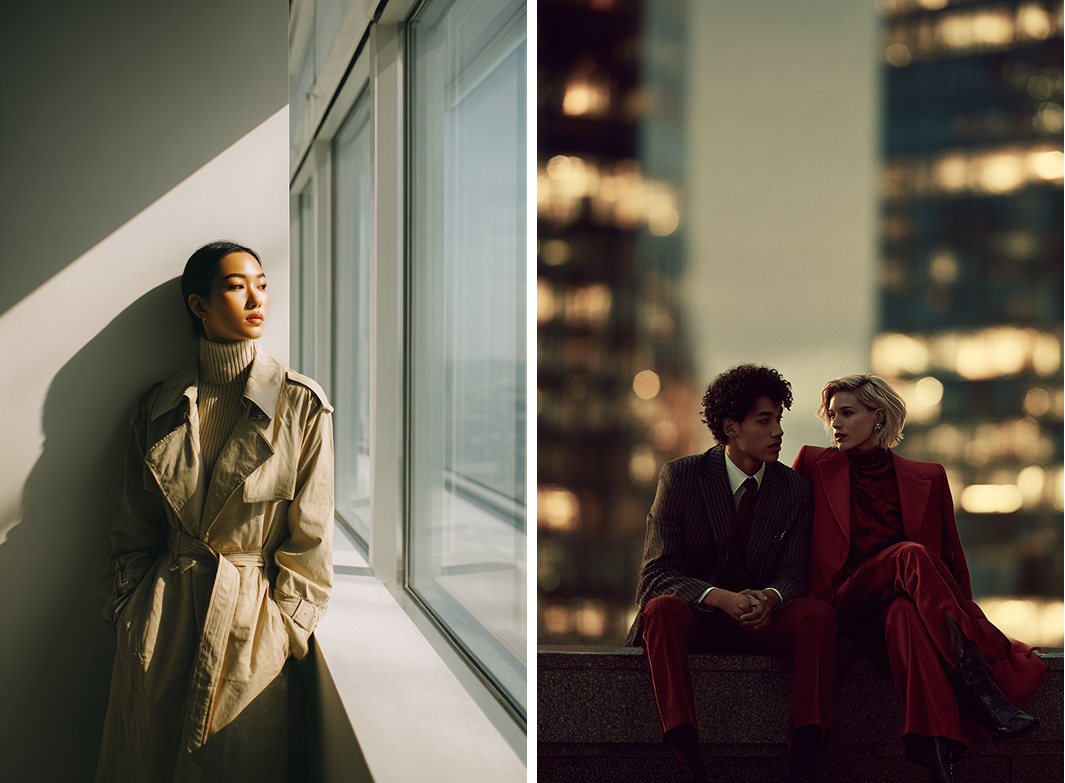
Advanced fashion/ magazine sense
The misdemeanor of the 09th Luxury Splash
Mistake 1: Unwritten = Out of control
Scrambling reduces the quality of the picture, not the art。
Correct:
Out of control is a “controllable deviation”, not a spade。
Mistake 2: The more writing, the more art
THE LONGER THE HINT, THE MORE THE AI STABILIZES AND THE MORE THE TEMPLATE。
Correct:
The more precise the destruction, the closer the art。
Mistake 3: The style must be strong
Overstyping = templateization。
Correct:
Art comes from light uncertainty rather than strong style filters。
TEN WORDS: WHEN THE AI MODEL STARTS TO GET OUT OF CONTROL FOR YOU, YOU REALLY CONTROL IT
When you learn to take advantage of Lu's sexual destruction, you find:
AI IS NO LONGER A “MEANING TOOL” BY WORD。
It's starting to become a visual partner with you。
YOU'RE NO LONGER STUCK IN THE "STANDING" "MECHANICAL" "AI TASTE."。
You're no longer anxious to find the "natural" touch。
YOU'RE EVEN GONNA START ENJOYING AN AI KIND OF "LIKE A LITTLE WONDER WHAT IT'S GONNA GIVE YOU."。
WHEN AI CAN CREATE YOU A LOOSE, IMPERFECT, BREATHING IMAGE
Your work will rise to a higher level。
You're not the one who wrote the hint
IT'S "THE DIRECTOR WHO GUIDES THE VISUAL CREATION OF AI."。
That is the meaning of section 8。