



Many students use the tools of Nano Banana Pro, dream AI, or cologne, conch, etc., to encounter an extremely painful bottleneck:
I'M FILLED WITH ALL SORTS OF SEEMINGLY HIGH-QUALITY WORDS -- "FILM-CLASS PHOTO, 8K RESOLUTION, MASTER MASTERPIECES, WIDE-ANGLE LENSES, CLOSE-UPS, VERY HIGH-LEVEL DETAILS."
WHY IS THE PICTURE STILL FILLED WITH A CHEAP "AI SWING"
It's not because you don't have enough tools, it's not because you don't have enough words。
It's because you don't even know what kind of emotion you're supposed to be in。
WHETHER IT IS A PICTURE-GENERATED MODEL OR A LARGE VIDEO-GENERATED MODEL, THEY ARE ALREADY ABLE TO UNDERSTAND THE PHOTO LOGIC BEHIND THE NATURAL LANGUAGE. WHEN YOU PILE CONFLICTING CAMERA INSTRUCTIONS IN YOUR HINTS, OR USE THE WRONG FOCUS TO EXPRESS THE WRONG EMOTIONS, AI'S BRAIN WILL BE CONFUSED, AND EVENTUALLY YOU WILL BE ABLE TO PUT TOGETHER A "SUTURE MONSTER."。
TODAY, FROM THREE CORE POINTS OF VIEW, WE WILL TEACH YOU THE TRUE CHARISMA OF THE LENS LANGUAGE AND TURN YOUR AI IMAGE FROM “MACHINE GENERATION” TO “DIRECTOR CREATION”。
Method I: Control of psychological distance with “species”
Photo Size determines the “virtual position” of the audience in the picture. Different scenes create a very different psychological distance between the audience and the character in the picture, thus generating different emotions。
When we write the hints, the most taboo is to mix "Long Shot" and "Close-up" with "Close-up" without logic, or to use only one view throughout。
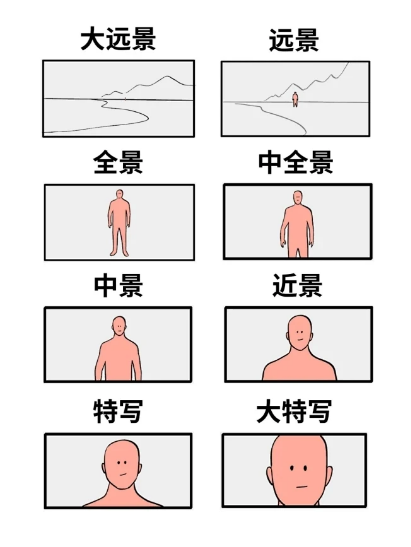
1. Long Shot: De-involvement of Emotions
Principle: Vision will significantly reduce audience emotional participation. When the person's share in the picture becomes smaller and the environment is dramatically larger, the person turns from a “story character” to a “visibility element in space”. This is psychologically called “emotional de-involvement”。
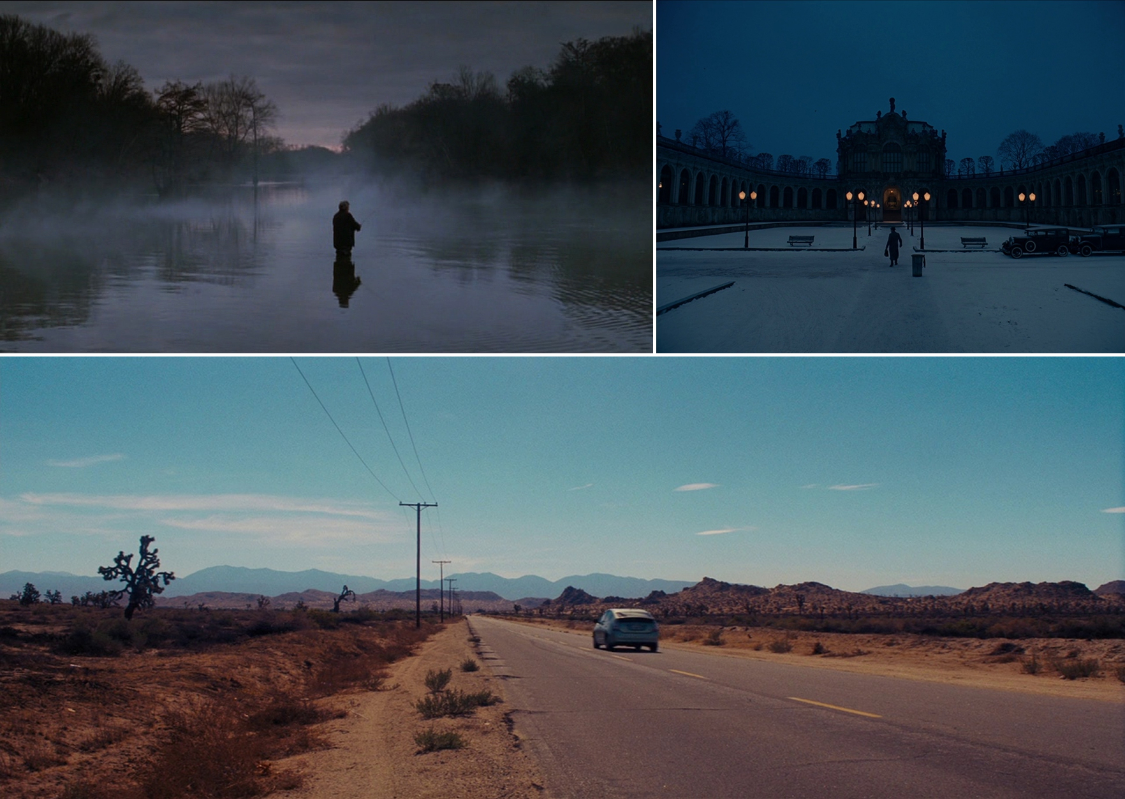
Panorama in Video
Solitude, smallness, powerlessness, epicism, destiny。
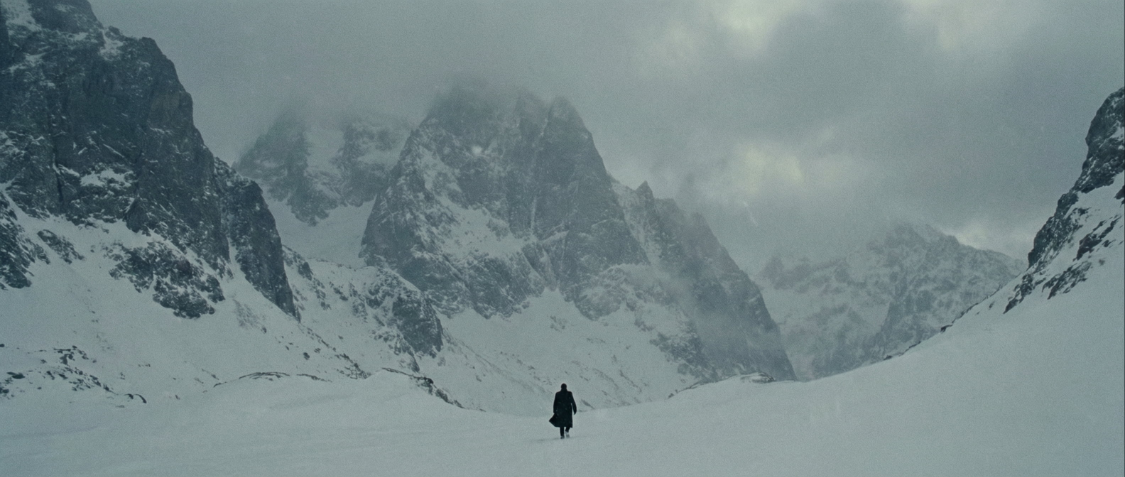
Prompt: Extreme long shot, an immensity mountainland under an overcast global sky
The negative case: trying to express the ecstasy of a man after a grand prize, using vision。
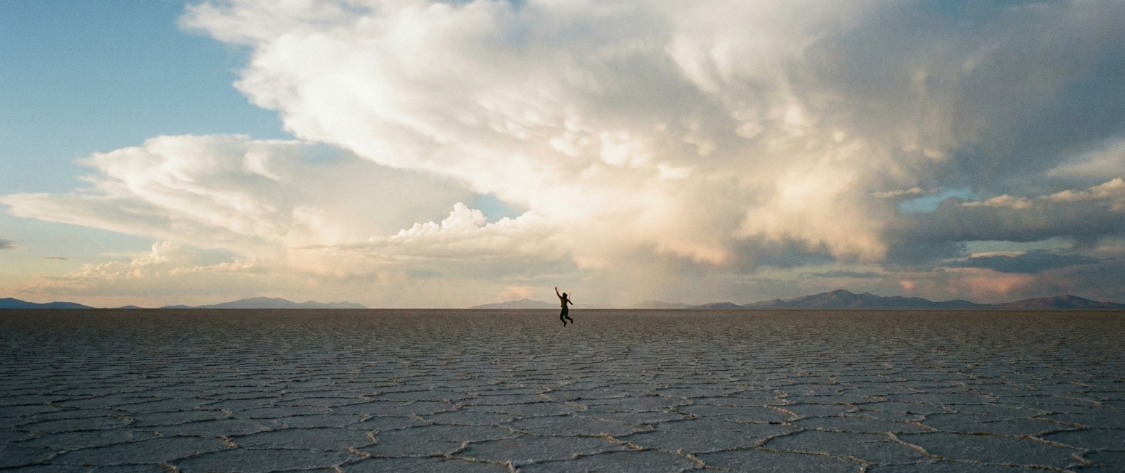
Reason for failure: Vision weakens facial expression and body language. The audience is too far away from the role to feel ecstasy at all. It just feels empty。
The right way: to use a vision to strengthen the oppression or inclusion of people in the environment。
Prompt word template:
[environmental subject description], [small human action description], excepte long shot (extreme extreme vision), side establishing shot, tinmatic character (mislight character), edifice, feeling of loneliness and destiny, 16:9
Example of hint:
1.1 Expression of “extreme loneliness and destiny”
Scene description: a person in a vast natural environment emphasizes the smallness of the human being and the oppression of the environment。
The film begins with a low level of emotion, a search for self。
English introduction (recommended):
A girlic, imposting an overcast, gramomy
In Chinese:
the polar-vision lens, a tiny solo person in dark winter clothes, travels on huge, endless glacier snowfields. far away is a huge, oppressive mountain range, and the sky is dark. extreme loneliness, pettyness and destiny. film-level color, cold-tempo, broad-banded. –ar 21:09
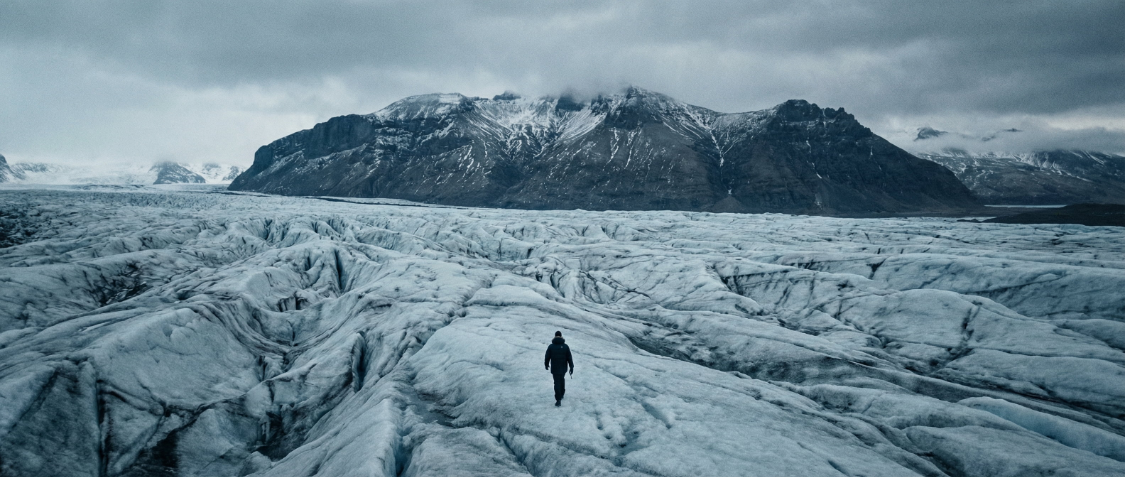
1.2 Expression of “desolation and powerlessness of the last”
The scene description: the ruins of the collapse of civilization, emphasizing the silence of the environment and the helplessness of survivors。
Photos of the application: Wasteland style, post-disaster, memoirs。
English introduction (recommended):
Nature has taken over crumbling skyscrapers
In Chinese:
a great vision overlooking the ruins of a modern metropolis covered with plants and destroyed. nature reoccupied the rocky skyscrapers. in the future, a small survivor stands on the edge of a broken bridge, looking at the scene of destruction. soft, low saturation colours, a melancholy atmosphere, a cloud of light. –ar 21:09
Presentation of “natural piety and tranquillity”
Scene description: The emphasis on the beauty of nature, the man is only the adornment, and emotions are peaceful and objective bystanders。
It's a documentary style, a traveler's style, a beauty only。
English introduction (recommended):
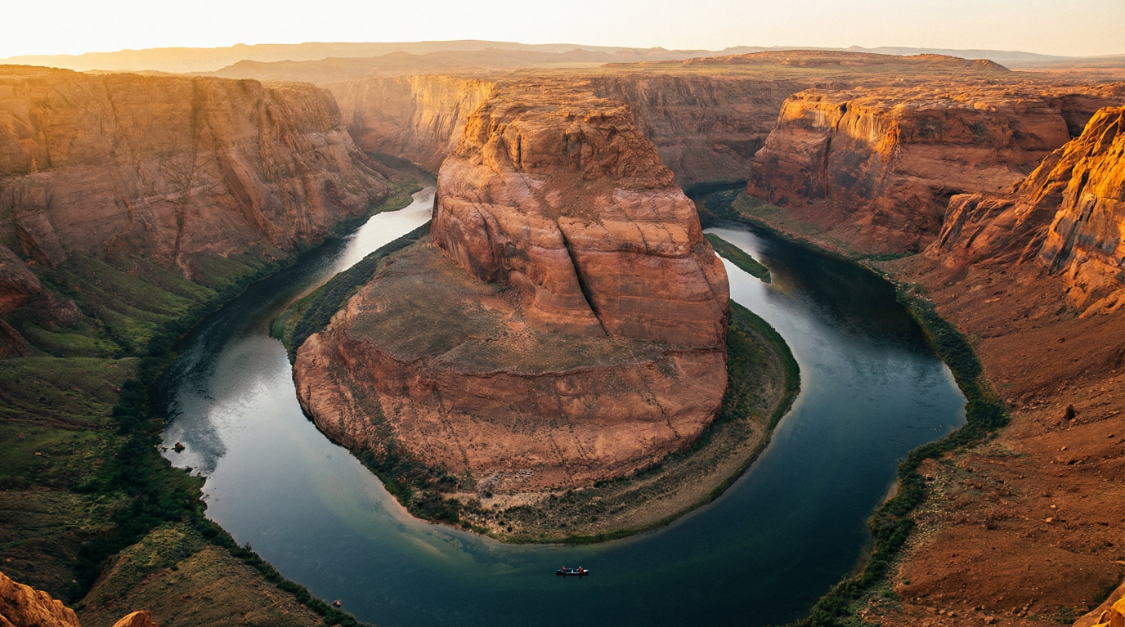
A very wide landscape photograph of a majestic, wining river canyon at sunrise
In Chinese:
a very broad view of the river canyon at sunrise. the golden light is on the peak. a small canoe carrying two people on the water below is just a tiny spot. historic size, amazing view, peaceful and peaceful atmosphere, photo-level truth, high-level texture. –ar 16:9
2. Midview (Medium Shot): Best vehicle for narrative
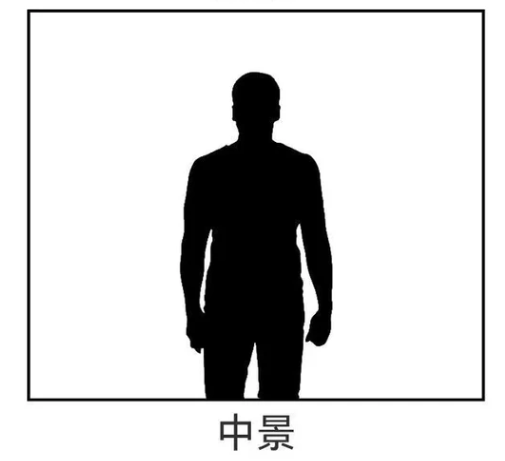
The principle: Midview (usually stuck to a person's knee or waist) is the closest to real social distance in our real lives. It is a perfect balance point — one that allows viewers to see both the upper limbs and the body of the person and the environment in which the person is to be seen. (Note: If it's stuck above the chest, it belongs to the view Media Close-Up, and the mood is more focused on the face. I'm not sure
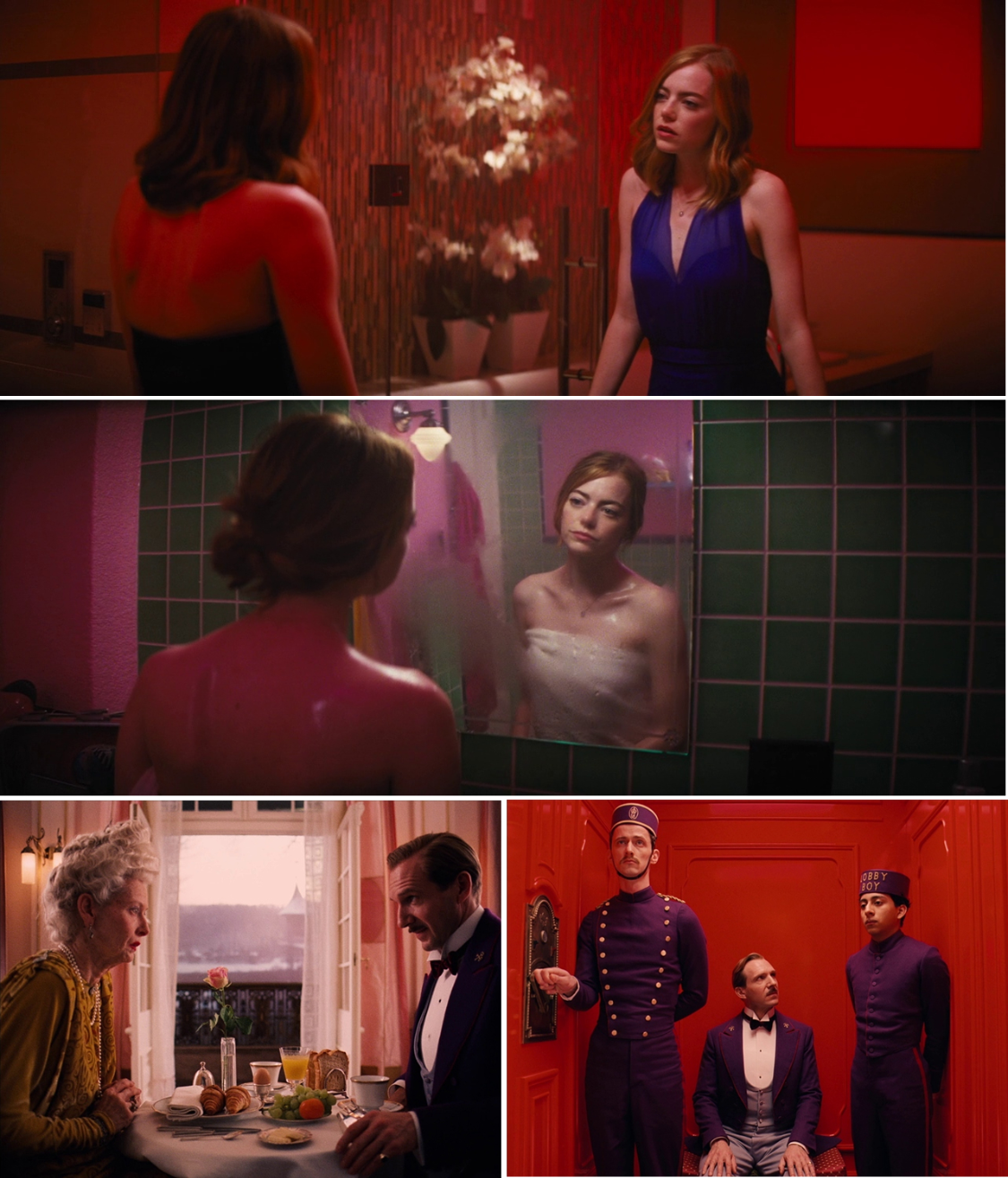
Middle Screenshot of the Video
Applied emotions: daily dialogue, expediency, smooth narrative。
The negative case: the medium scenario is used throughout the process when there is a need to display a wide range of battlefields, or when there is an extreme collapse of the role。
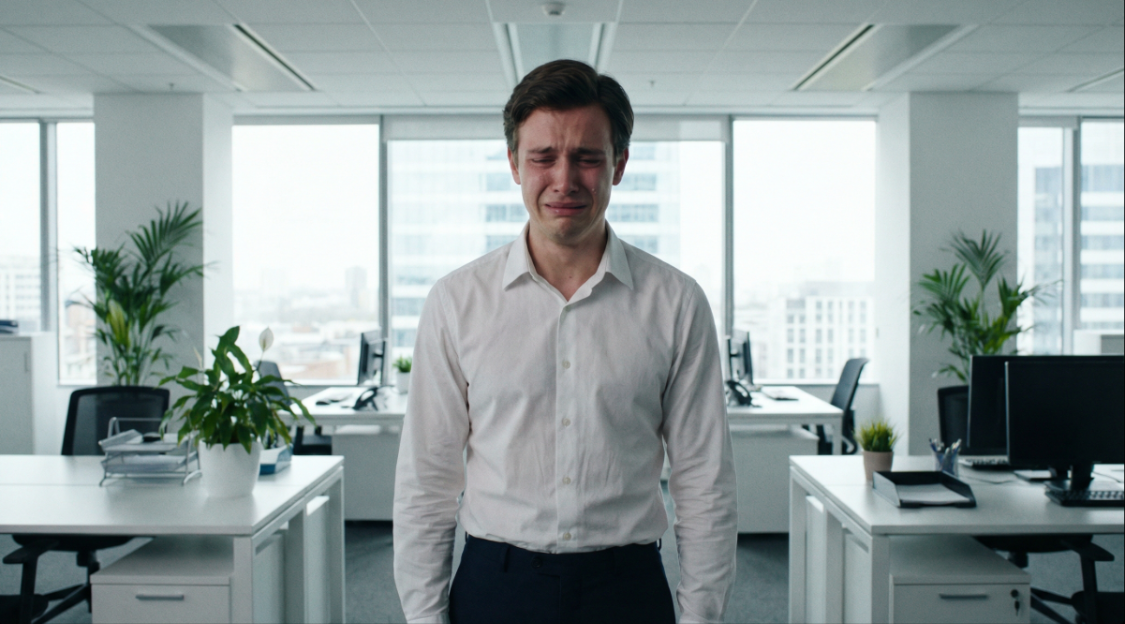
Prompt: Medium scene, stuck above the person's waist. A high-quality movie picture. A young man is experiencing a devastating emotional breakdown and crying in despair. He stood in the centre of a very neat, ordinary modern office. The camera objectively recorded his upper body, showing clearly the desk, green-planted and bright windows around him. Although he was extremely sad, his micro-expressions on the face were completely diluted and emotional inflammation was lacking due to the distance and environmental information. High detail, clear focus, bright and flat light, 8k resolution。
Reason for failure: Inadequate emotional tension in the medium view. It's too flat, with no vision, no impact, and it's easy to make an orgasm look like a comedy。
The right way: as the bottom line of narrative, tell who did what somewhere。
Prompt word template:
Median shot (median scene), wait up (half body), [person appearance and dress], [person's ongoing action], explicit background, depth of field, every day atmosphere, natural lighting.
Example of hints
2.1 Presentation of “smooth day-to-day narrative interaction with environment”
Scene description: Emphasizing a strong sense of order and form, people and the environment have interesting visual balances。
Why use a medium view: only a medium view perfects the physical action of the lower half and above, while retaining sufficient background information to present the particular scene。
English introduction (recommended):
A stylish young man in a yellow vintage standing behind a colorful retro habitat decision
In Chinese:
midview, over the waist. a young man dressed in a yellow red suit was standing behind the front desk of a colorful retronomy hotel. symmetrical, macalon, wes anderson. he had an antique key in his hand and looked directly at the camera. flat, high detail. –ar 16:9

2.2 Transmission of “a curable atmosphere and emotions”
Scene description: a two-dimensional animated frame with nostalgia and beauty colours, referring to the relationship of a person to a particular point of time。
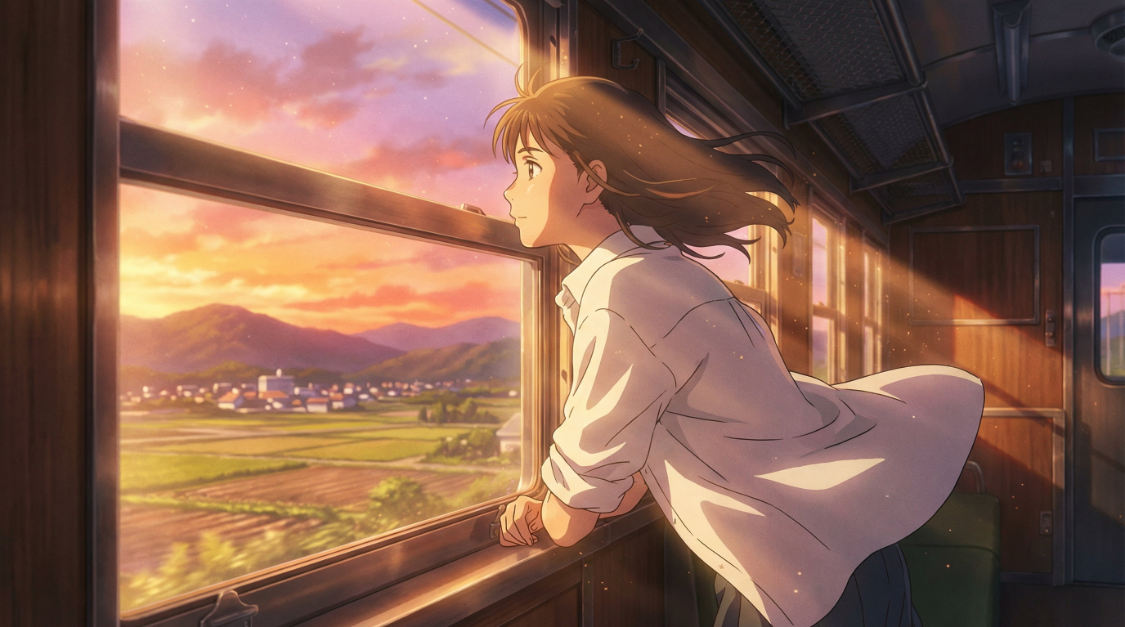
Why use a medium view: to be able to capture the body language of a person's reliance on a window, while the light and view outside the window enter the picture and bake the atmosphere。
English introduction (recommended):
Medium shoots of a young girl leaving a train for a golden hour
In Chinese:
movie-class motion picture frame, new haicheng style. the mid-scenes, a young girl leaned by the train window at sunset in the summer. she was wearing a loose white linen shirt, floating in the wind. dust particles fly in strong light. nostalgia, dream focus, high-level context. –ar 16:9
2.3 Expression of “intimate and warm companionship”
Site description: The pet card visual or living Vlog, which shows the sweet interaction between people and pets。
Why use the medium view: this distance is exactly the safe distance from which the hand can be touched, which is a complete record of the touch movement and the relaxing of the person and the pet。
English introduction (recommended):
A young woman sitting on a cozy living room floor, generally pinging a fluffy Ginger cat on her lap
In Chinese:
medium scene, sit. a young woman sat on a comfortable living room floor, bathed in a warm afternoon sun, gently touching a hairy orange cat on her leg. the day-to-day comfort atmosphere, soft natural windows, shallow view, pet-card photography style, high quality. –ar 16:9

3. Close-up (Close-up): emotional ultimate amplifier
The principle: The close-up is the amplifier that strips off all environmental interference and puts the role's emotions directly on the face of the audience. It can break psychologically safe distances in an instant and force a sense of empathy, tension or oppression。
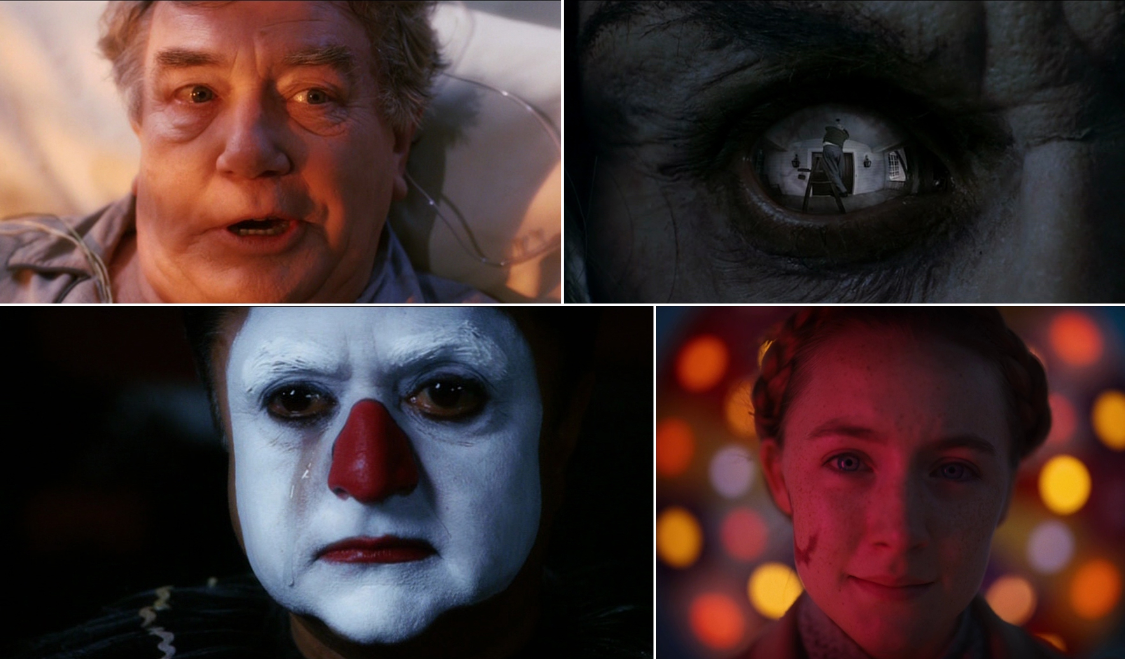
A close-up shot in a video
It's a very sad, scary, micro-expression shock, intense oppression。
On the other hand, the video starts without any mattress, giving a role in the extreme close-up (Extreme Close-up) that sheds tears。
Reasons for failure: Without a front-end vision or medium-view environment and personal relationships as a stepping stone, the sudden appearance of a feature would make the audience feel hard, strident and even creepy, and would not produce a true common sense. Growing-up images are by no means more specific。
The right way: to use it as a weapon of emotional orgasm at a critical time。
The gentleman made a close-up shot:
Tips:
He is looking through a small crack
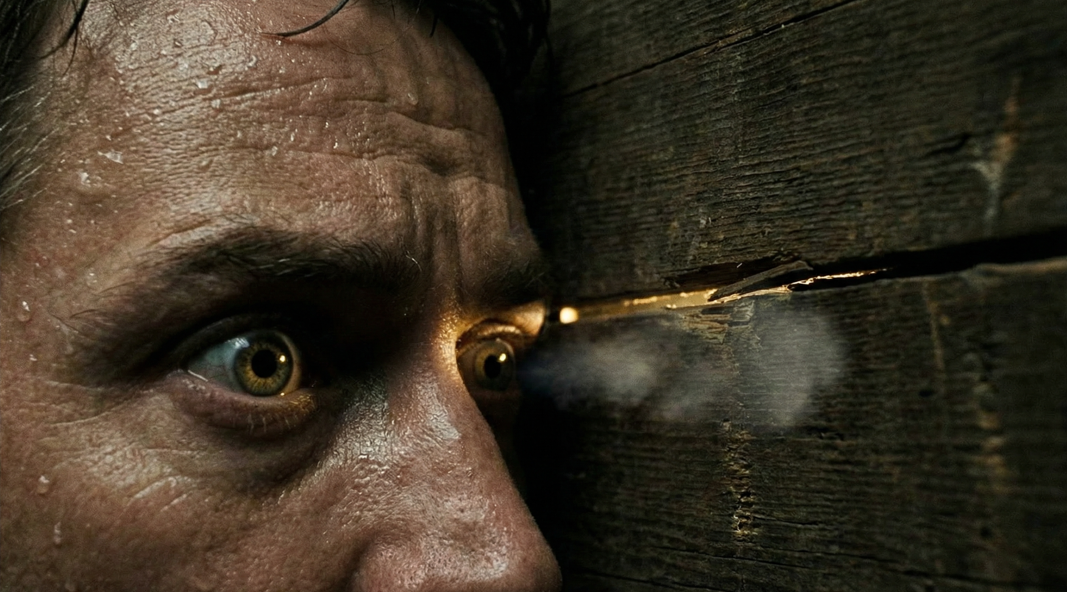
Video Cues
a 15-second continuous video series with a sense of tension suffocating. [0-4s] panorama: dark and dusty barn. a heavy door squeaks slowly and leaves a long threat shadow in the cold moonlight. the camera slowly draws in. [4-8s] cut to the center view: a man who's afraid of sweat is hiding by a rough wooden wall and his hands are shaking. low-light light, slight hand-held camera shake. [8-11s] cut to the ground: heavy mud boots pounce slowly on the squeaky floor and approach the lens. [11-15s] last compact climax (reference image style): sweaty faces on the head of a wood, nervous eyes peeping through the luminous cracks, a warm light through and a weak breath fog. extremely stressful, rough film granular sense。
Method II: Control spatial oppression with a “focal section”
Many of the students who write hints like "Wide Angle Lens" and "Telephoto Lens" but do not know how much "clear" or "loading" the focus is at the root of the image, but rather the visual structure。
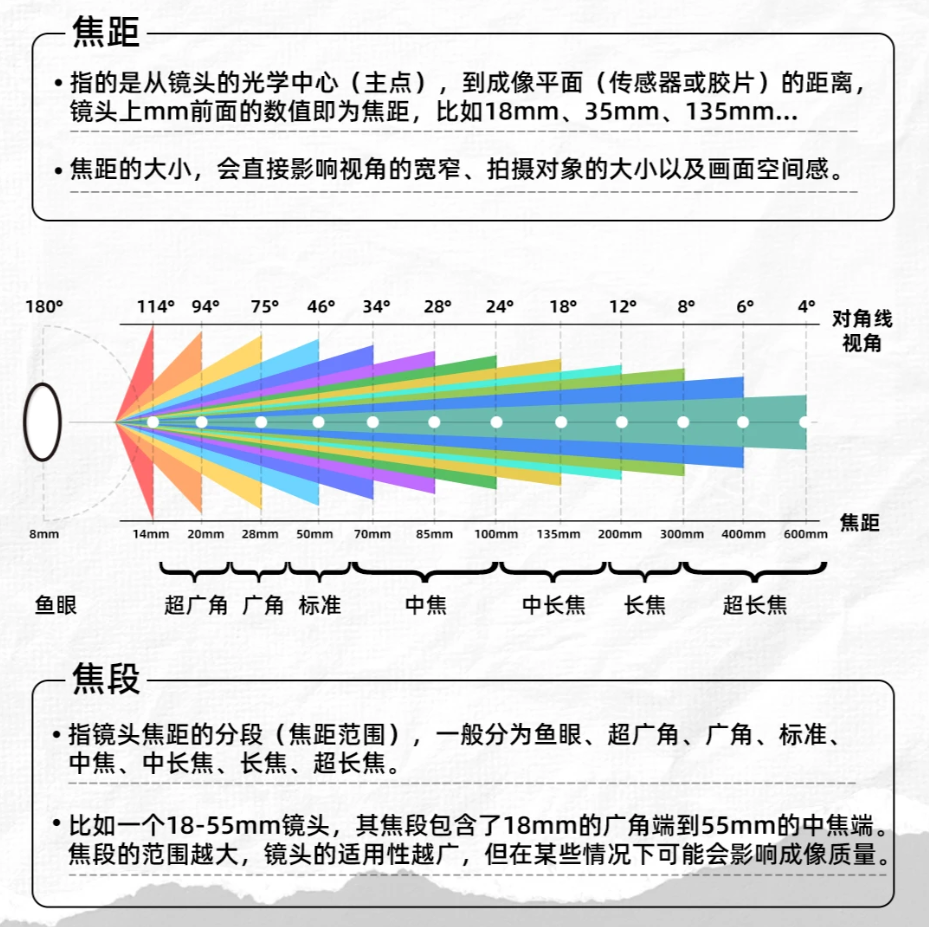
A.I.C.C.E.D. (8mm – 200mm total resolution)
In AI tools (e.g., Nano Banana Pro, Midjourney), input of focal-point values that change absolutely not just " zoom in or out of the picture " , but in perceiving relationships and physical deformations. With the following five gold focal areas, you've got the "physical engine" of the AI image。
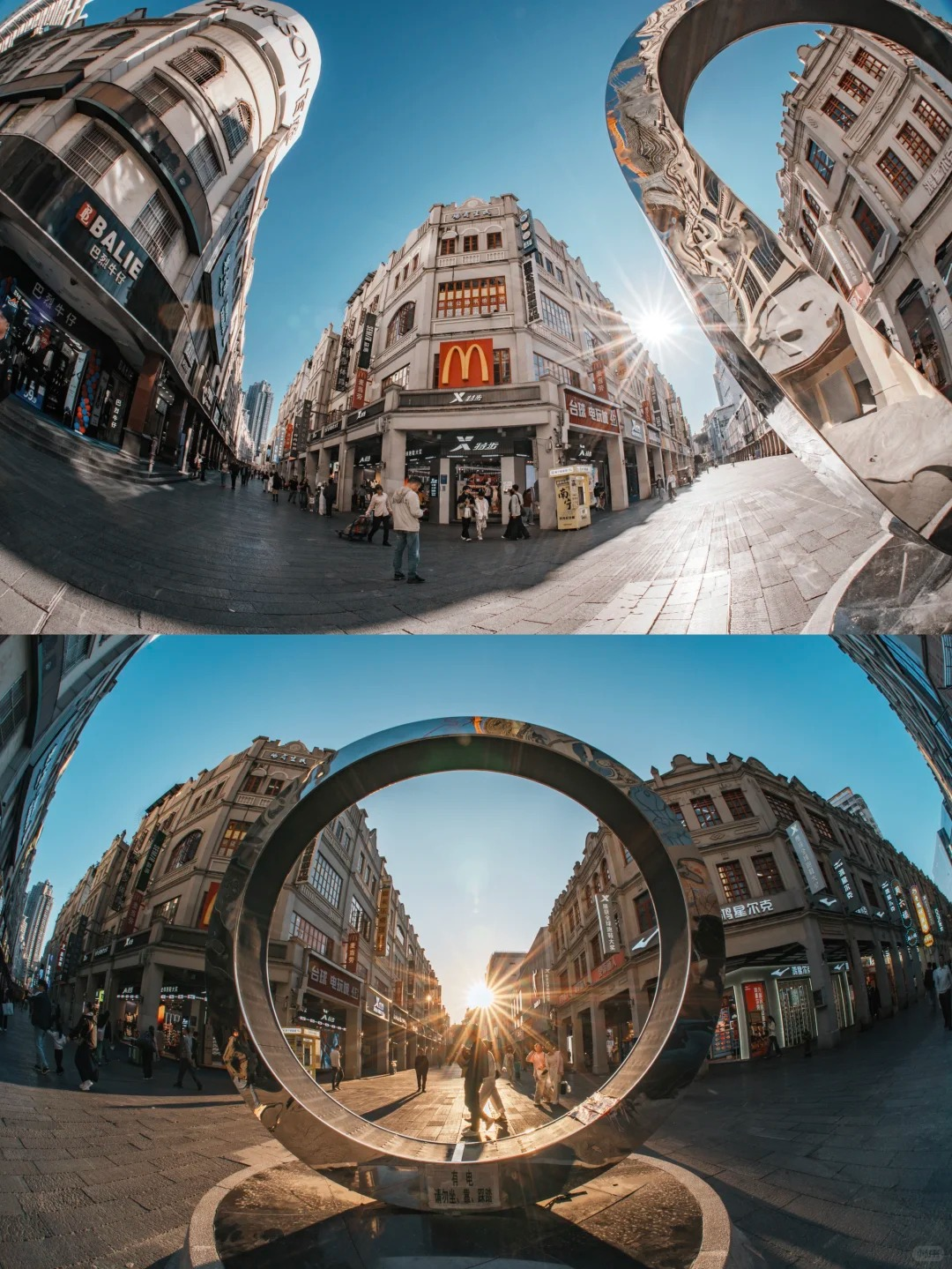
8mm – 14mm: Ultra-Wide / Fisheye Lens - “Extreme Frustration and Visualism”
Visual properties: Extremely exaggerated "near and far" visual malformations. The edge of the picture can be pulled and even spherical。
Fish glasses
Emotional language: Weird, extreme oppression, surveillance perspective, strong visual impact or ecstasy。
AI OPTIMAL APPLICATION SCENARIO:
The viewer of the Cyberpunk mega-structure is extremely powerful。
CCTV SURVEILLANCE CAMERA VIEW FOR FALSE DOCUMENTARIES。
HEH-HA MV WITH AN EXAGGERATING RAP。
Plugin suffix:
Shot on 8mm fisheye lens or 14mm medium medium
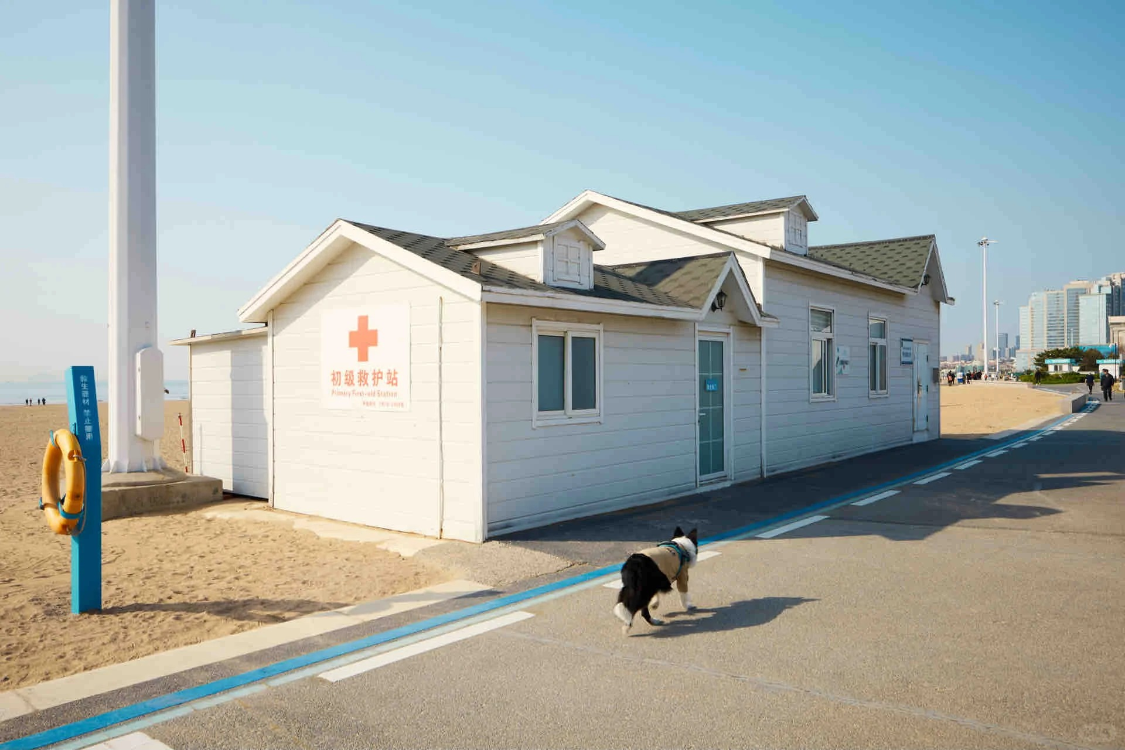
24 mm – 35 mm: Wide / Documentary Lens - “The King of Environmental Narratives”
visual properties: open view, which accommodates both people and a great deal of environmental information. slightly stretching the edges, which enhances the image's depth and emotion. 35mm is more known as "the movie director's love"。
the scenery is 24mm
Emotional language: Perceptions, grand narratives, human status in the environment, freedom and tension。
AI OPTIMAL APPLICATION SCENARIO:
The scenery of the epic scenery or waste earth fiction。
Vlog, a daily record of life。
Large body areas with movement ranges (widen angles to stretch legs)。
Plugin suffix:
Shot on 24mm Lens, official portrait or 35mm documentary photography, storytelling
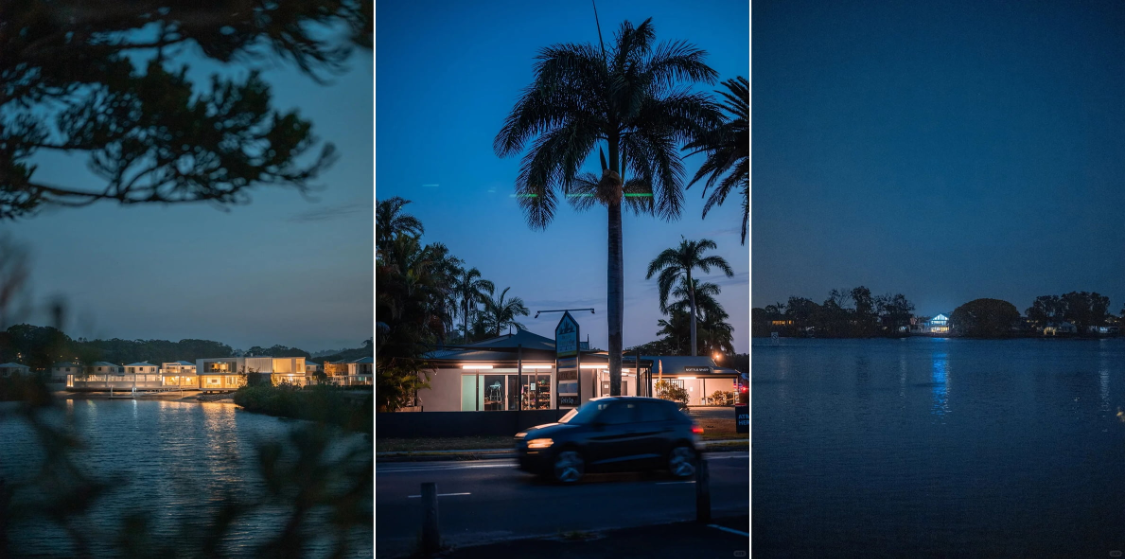
50mm: Standard Lens - "Absolutely real "
Visual properties: Perspectives and perceptive relationships are closest to one-eyed humans. There is no broad-angle pull, and there is no condensed focus, and the picture presents an absolutely neutral and stable physical pattern。
it's a 50mm photo
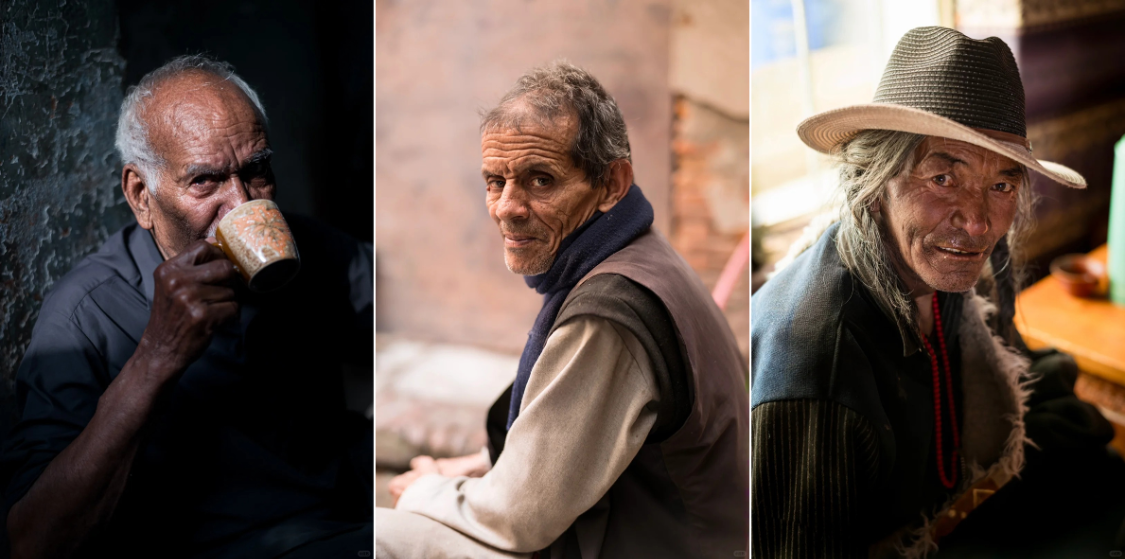
people are like 50mm photography
Emotional language: peaceful, objective, real, daily communication。
AI OPTIMAL APPLICATION SCENARIO:
IT'S A VERY HIGH-QUALITY DAILY REALITY IMAGE (ELIMINATION OF ANY “AI OVER-FORCE” FALSE SENSE)。
It's a smooth step-by-step, two-person medium shot。
Anything you need to look "like seeing directly with your eyes."。
Plugin suffix:
Shot on 50mm left, natural production, natural production
85mm: Man-like Goldlines (Portrait Lens) - “Strike and focus”
Visual properties: A narrower perspective, with a slight "space compression" effect. Most importantly, it can easily create a perfect background (Bokeh) like butter, while at the same time making the five officials look so rigid, stalwart and non-modified。
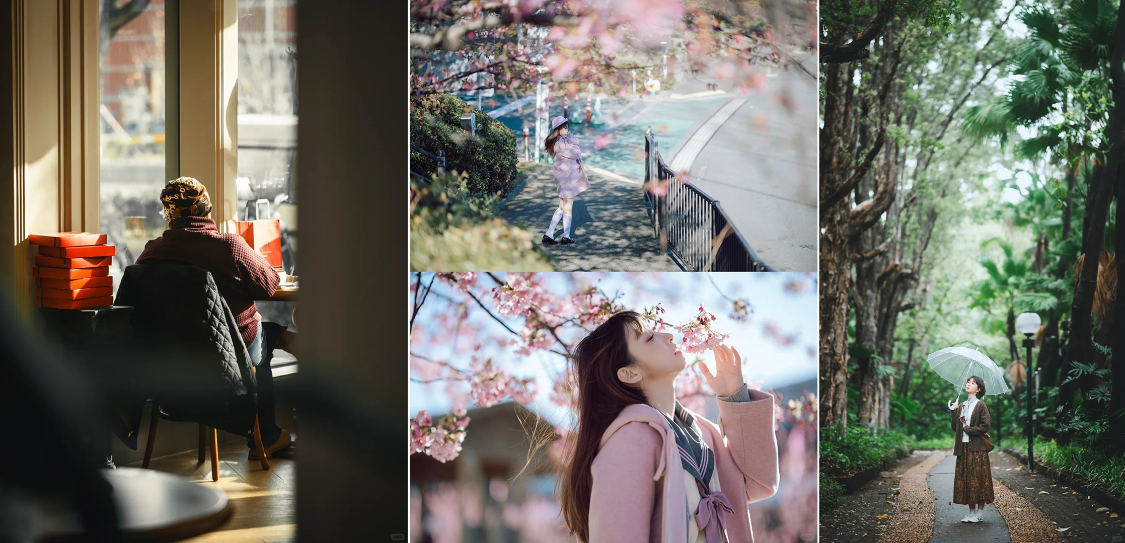
people like 85mm
Emotional language: beautiful, elegant, focused, high-quality business sense。
AI OPTIMAL APPLICATION SCENARIO:
High-quality male/female electrician modeling (highlighted fabric details and layouts, defaced street scenes)。
It's very emotional。
Make-up skin-protected high-level facial features。
Plugin suffix:
Shot on 85mm Lens, beautiful bokeh, shallow depth of Field, commercial portrait
135mm – 200mm+: long-focus lens (Telephoto Lens) - “Space folding and emotional isolation”
Visual properties: Extreme "space compression." It pulls back hundreds of metres of background and puts it behind the person's head, making it look like a plane. The view is extremely shallow and the background is usually compressed into large pieces of colour or light。
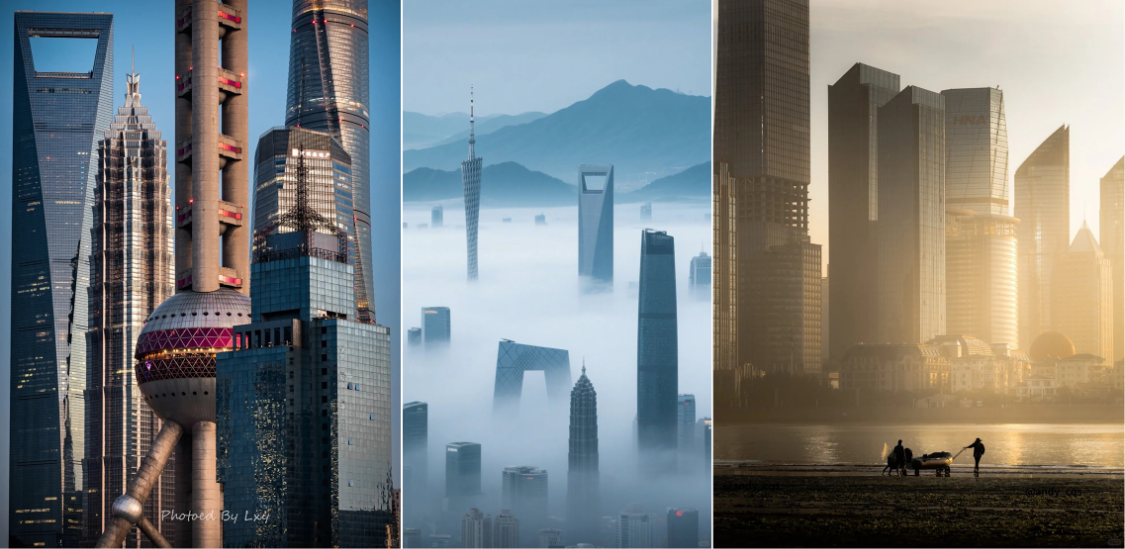
Long-focused photography
Emotional language: a strong sense of peeking, alienation, loneliness, or a long-distance gaze full of destiny。
AI OPTIMAL APPLICATION SCENARIO:
A screenshot of the classic Wang Jia-Wi film (an isolated hero in a crowded crowd)。
Sports photography or wildlife photography。
Using remote urban neon lights to create huge dream luminous spots。
Plugin suffix:
Shot on 200mm telephoto Lens, heavily compressed background, voyeuristic angle
1. Wide Angle (Wide Angle, e.g., 14mm-24mm): Perspective pull and unease
Principle: The wide-angle lens produces a powerful "near and far" visual malformation. The edges of the picture will be pulled, the space will be stretched out. Once this non-routine imbalance is detected in the brain, there is an instinctive sense of anxiety, tension and volatility。
It's the sense of confrontation, oppression, aggressive character, exaggerating motion, phantom。
And contrast to the right way: if you're going to show an anti-aggressive sense of oppression, it's an excellent choice to use a wide-angle view。
Midjourney / Nano Banana Pro Phrasing Template:
Shot on 14 mm Wide-angle lens (14 mm wide angle), low angle shot (opposed), aggressive behavior or expression, dissisted activities, sense of oppression, high degree.
Case of hints:
1.1 Survival of the Wilderness Survival - “incorporated by nature”
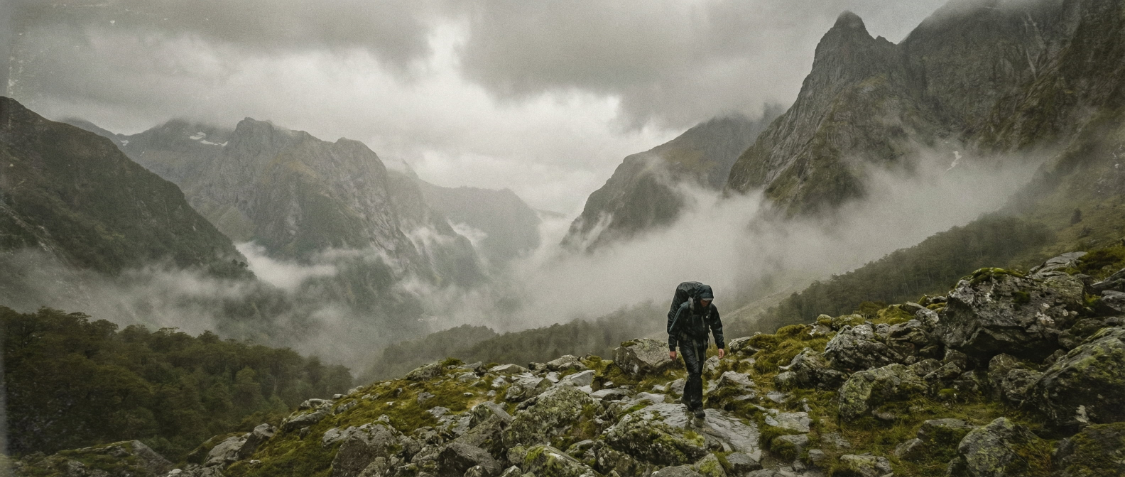
the director's handbook: using 20mm super-wide angles to emphasize nature's vastness and isolation. it is written in undesired weather (silent, humid) and rich environmental texture (wet rock, moss). it's very small on the map, making the environment absolutely dominant。
In English:
A greyy, wide-filled valley under the head of his heart is overheating
In Chinese:
A rough wide-angle view film, 20 mm shot. A lonely hiker with a heavy backpack is a small figure who walks hard on a wet, mossy rock trail in a vast valley full of fog and heavy clouds. The scale of nature is shocking. Vagina skylight, low saturation earth green and grey, raw film sense, Koda Portra 800 particles. –Ar 21:09
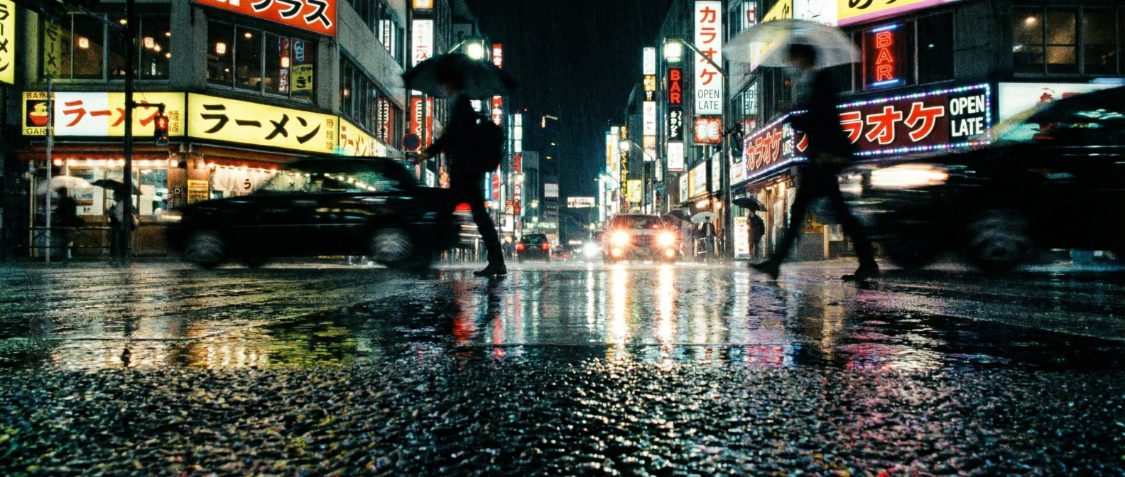
Street Dynamics - “rain and night floods”
the director's handbook: use a very low angle wide angle (e.g. 16 mm) to capture the chaos and the excitement of the city. the real film is written from the reflections of rain nights (wet bitumen on the side of the road reflecting neon) and motion blurs. the surface texture of the outlook is amplified by a wide-angle exaggeration, which enhances the perception of the ground。
In English:
We're going to be able to make a difference, and we're going to be able to make a difference
In Chinese:
low angle, wide corner street photography, 16 mm shot. in the heavy rain of the night, the wet asphalt road mirrors chaotic neon lights and car lights. the parachutists were rushing through the camera's blurry shadow. there is a strong and clear lineage for the future. high contrast, deep black, dynamic reflection, blurry dynamic motion, primitive film sense. –ar 21:09
2. Long focus lens (Telephoto, e.g., 85mm-200mm): space compression and harmonization
Principle: A long-focus lens produces a "space compression" effect, which weakens the sense of distance between the outlook and the background, making the remote view look like it's attached to the human brain. This insight not only deciphers the context to a great extent, but also makes space highly uniform and organized。
Applying emotions: peeking, objective watching, beautiful romance, high-quality film quality, psychological isolation。
The right way: Many of the so-called high-level film images (such as some of Wang Jia Wai's and Wes Anderson's portraits) have been extensively used to strip off the mess and highlight the subject。
Prompt word template:
Shot on 85mm telephoto lets (85mm long focal lens), media close-up (middle close-up), heavily controlled background, highly compressed bokeh, cainematic acetytic.
Case of hints:
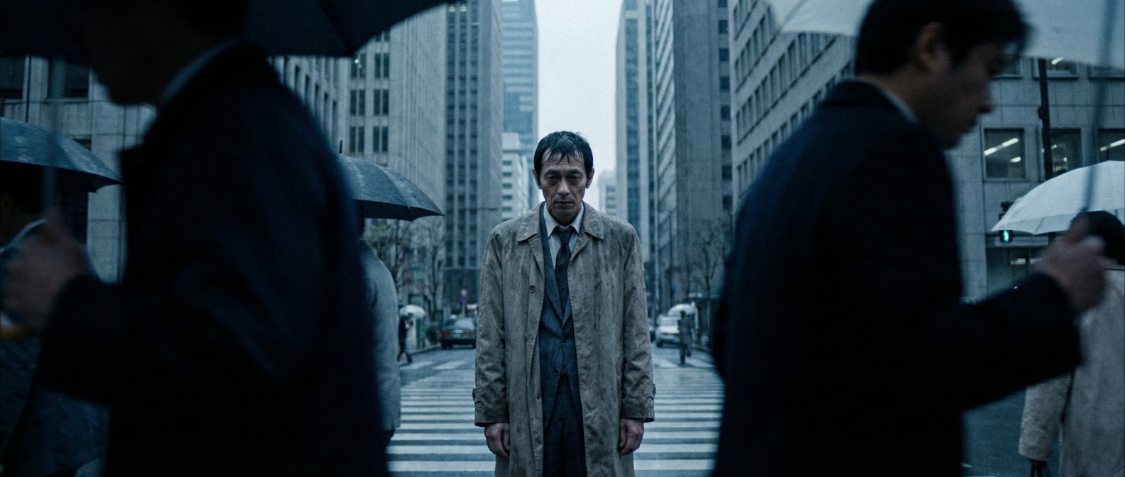
Long Focus Practical Case One: Loneliness in the Population - “Space Collapse”
Director's Handwritten:
using a 200mm long-focal lens, it's extremely space-condensed, placing streets, traffic flows and pedestrians on the same plane. the truth comes from the veil of the future (unmistaked shoulder) and the cold tone of extreme restraint. the main character is surrounded by crowded environments, but he is completely isolated from the world by the shallow depths of the scenery, perfecting the sense of suffocation and loneliness in large cities。
English introduction (recommended):
Two hundred cents, excepted salaryman stands frozen on a grown cross in a grey meropolis. The foundation is heavily blued with the shoulders of pinging pedestry
In Chinese:
Movie picture. 200 mm long focal lens, extreme sense of space compression. A tired workman stands at a crowded crossroads in the grey metropolitan area. The outlook is severely obscured by the shoulders of passers-by. The surrounding buildings appear to be invisible and unnaturally close. The shallows isolated his tired face. Soft, cold blue, Koda Vision 3,500T film color, heavy particles, melancholy fiction. –Ar 21:09
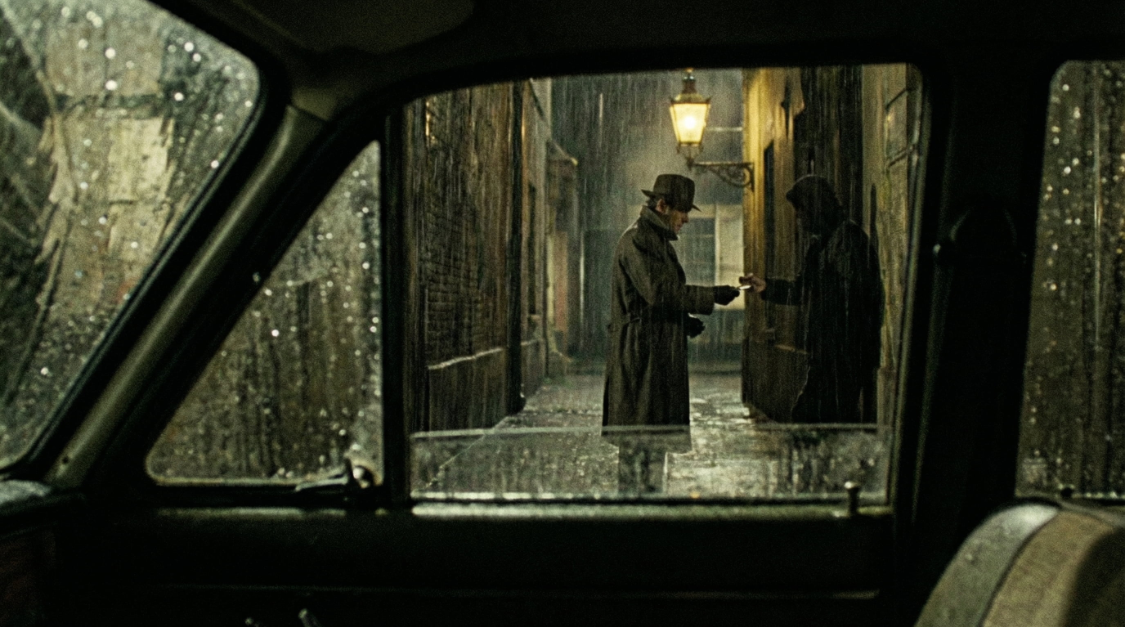
Focused Fact II: Voyeurtic Stakeout - "Objective Bystanders"
Director's Handwritten:
“Voyeuristic feel” with a long-focal lens is the favorite of suspicious, criminal-written films. Using a 300 mm super-focused, simulated view from across the street or from a car. It's from the imperfection of the picture: it's broken by a dirty glass, or it's cut off by a rainbrusher/window frame, and the tone is a depressed dark yellow or obnoxious green。
English introduction (recommended):
A voyeruistic angle looking through a dirty, light-streamed car from across the world
In Chinese:
a rough spy movie picture, with 300 mm ultra-focused camera. it's a peep-seeing look across the street through a dirty window with rain marks. the focus was on dark alleys, shining yellow street lights, and a suspicious man in a windsuit was making a quiet deal. foreground window frames are completely out of focus. high contrasts, dirty yellow and green, primitive and creepy. –ar 16:9
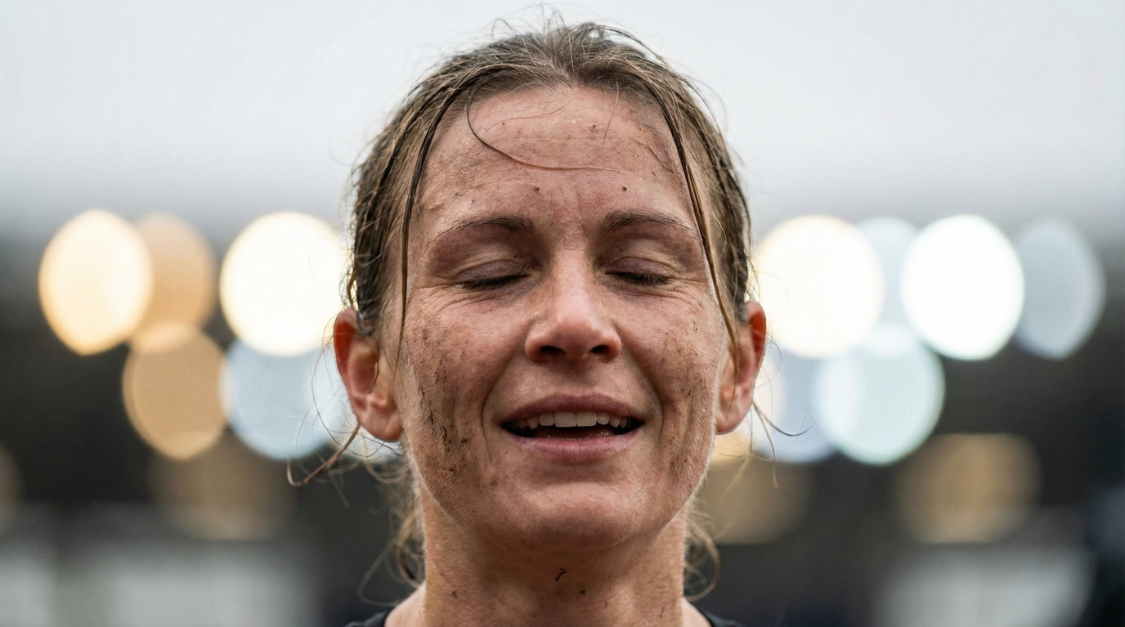
Long Focus Fact III: Absolute Focus Focus Focus - “Strike the Environment”
Director's Handwritten:
use 85mm or 105mm like a long focus. in fact-writing material, when the mood of the person reaches its peak, the director uses a long focus to “wipe” all the surrounding environment (to turn it into an out of focus), forcing the audience to face the micro-expressions of the role. the truth comes from real defects in the face (sweeting, tear marks, fur holes) and natural light。
English introduction (recommended):
A female according naturally after a moving marathon
In Chinese:
special film portrait, 105 mm long focus shot. a female athlete breathed after a tough marathon. her texture-filled skin was covered with sweat and dirt and her hair was attached to her forehead. her expression was a mixture of extreme fatigue and silent victory. the background is a severely compressed and completely blurred stadium-lighted ocean, which creates a vast expanse of beauty. nature's dark light, photo-level writing, primitive emotional truth. –ar 16:9
Case four: Order in Chaos - "The Field of Aesthetics"
Director's Handwritten:
it was inspired by war journalists or documentary photographs of disaster films. use 135 mm long focus to shoot the big scene. the long-focus condensed the blast smoke, the flying dust and the running crowd, creating a suffocating “wall feeling”. through the shallows, a clear visual focus is locked in the extreme chaos。
English introduction (recommended):
A small shell-shocked soldier with a low-covered face standing perfectly still in sharp funus
In Chinese:
Disruption of the documentary films of war. 135mm long-focal lens flattens the lens. A soldier with mud on his face and frightened by artillery shells stood still, with an extremely sharp focus. The outlook and context are condensed disarray motion layers: blurry running, thick gray smoke and air-filled debris. Low saturation color, rough sense of quality, Fuji Superior film color, strong film writing realism. –Ar 21:09

Methodology III: Harmonizing space logic and creating a true sense of order
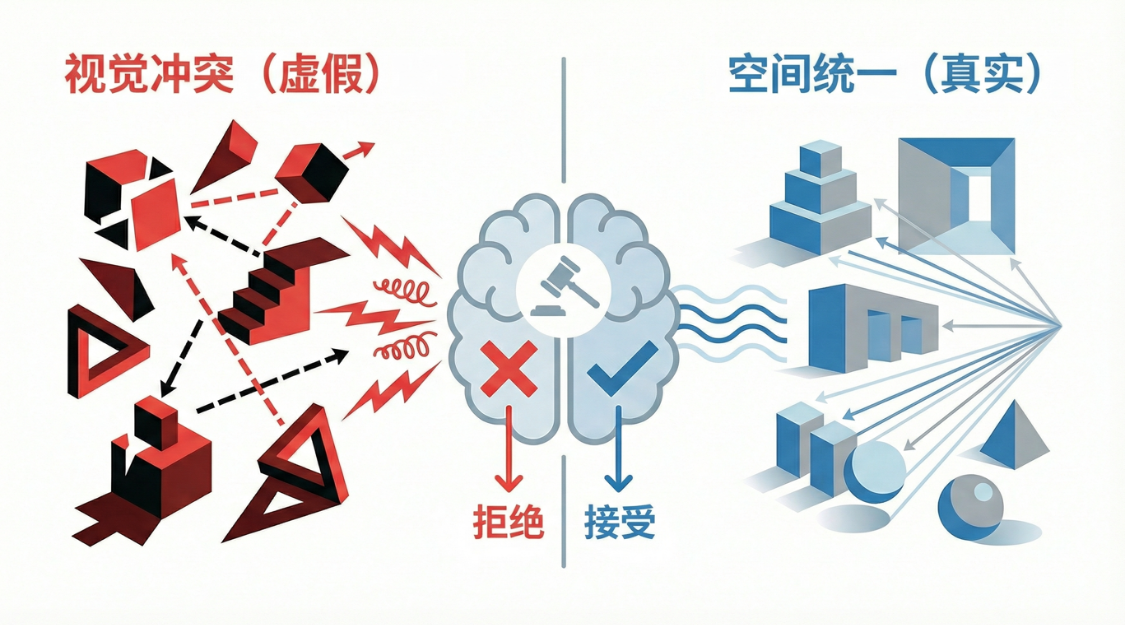
MANY OF THE AI IMAGES ARE FALSE NOT BECAUSE THE SKIN IS NOT FINE, NOR BECAUSE THE LIGHT IS NOT BRIGHT, BUT BECAUSE OF A LOGICAL CONFLICT。
NOW THE BIG AI MODEL IS VERY GOOD, AND YOU WRITE WHAT YOU DRAW, WHICH LEADS TO THE FACT THAT IF YOU WRITE CONFLICTING PHYSICAL LOGIC, AI WILL FORCE THEM TO SEW TOGETHER。
Principle: If visual information fights with each other, the system of physics and common sense in the brain instinctively detects something that's not right, and thus creates a false feeling. A truly advanced lens language is highly “unified”。
A NEGATIVE CASE (AI'S WORST-HIT AREA):
A lot of people's hints are like this: Long shot, people standing at the top of a mountain, extremely vague shallow view (extremely shallow depth of field), wide angle angle (winde angle), background being drawn close and condensed..
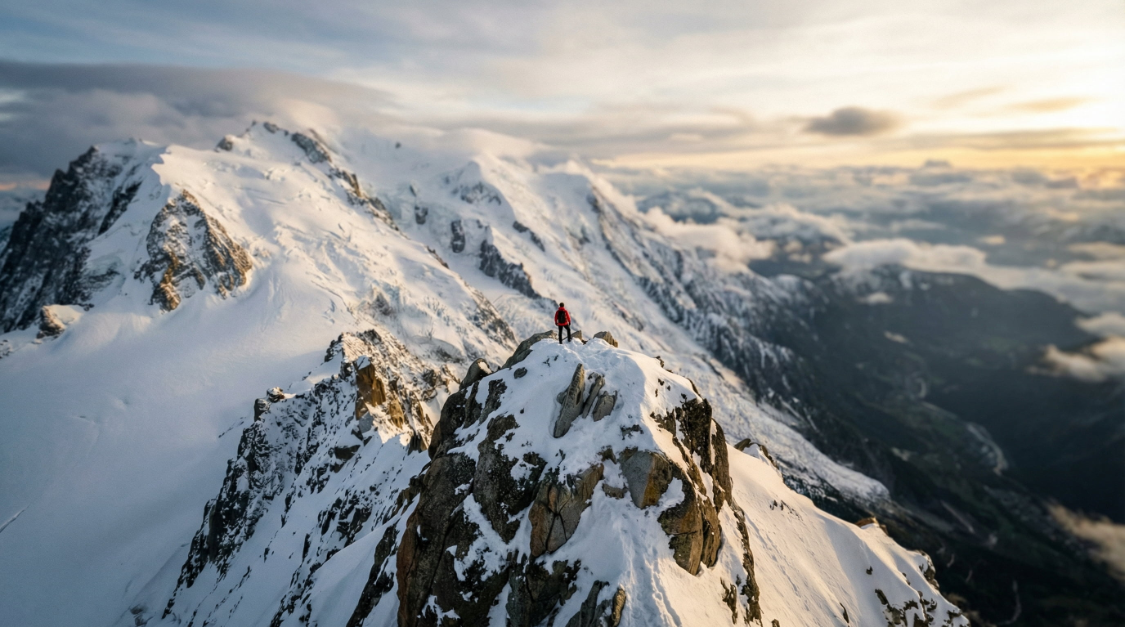
There's no way this could have happened in such a wide angle
_Other Organiser
The vision usually requires a deep view (near and clear) to address the environment, but you demand a shallow view (blank background), which is extremely difficult to achieve in real photography (unless it uses a moving axis or a very special big radiant radium)。
Wide-angle lenses (open depths) and background compression (long-focal properties) are the opposite of optical physics。
WHEN THESE CONTRADICTORY WORDS ARE THROWN AT AI, AI CAN ONLY PRODUCE A “FALSE PICTURE” OF A CONFUSED VISION, A HIGHLY PERCEPTIVE EDGE MAP, AND AN EXTREMELY RIGID FICTION。
The right approach: Logic。
Speculation, focus, structure, light must serve the same physical and emotional objectives。
If you want a sense of oppression: choose (special/median) + (wide angle lens malformation) or (long focal lens compression) + (high contrast light)。
If you want `big dynamic vision': select + (wide/middle view) + (super wide angle enhanced vision) + (mixed motion)。
WHEN THE SCENERY, THE FOCUS, THE DEPTH AND THE LIGHT ARE FULLY IN THE SAME PHYSICAL LOGIC, AI IS NO LONGER THE BLIND BOX OF RANDOM CARDS, BUT THE HIGH-PRECISION CAMERA IN YOUR HANDS。
Case of hints
Case I: The Inquisition - “The Nature of the Window”
The director's handprint: Use humans like gold-coated 85mm, with natural windows. The emphasis is on the true texture of the skin (puzzling, tiny defects) and the particle sense of the film, and rejection of the common overwhelming skin of AI。
English introduction (recommended):
A woman with 85mm portraits, very difficult to find, looking out of the window
In Chinese:
A picture of a captured film, shot with an 85mm camera. A woman with natural, slightly obscurant hair sits by a window full of rain marks and looks out with some thought. Soft, permutated natural sunlight from windows. The light view is deep, with a clear focus on real skin texture and eyes. Film granules, Koda Portra 400 negatives, soft and warm tone, film writing realism. –Ar 16:9
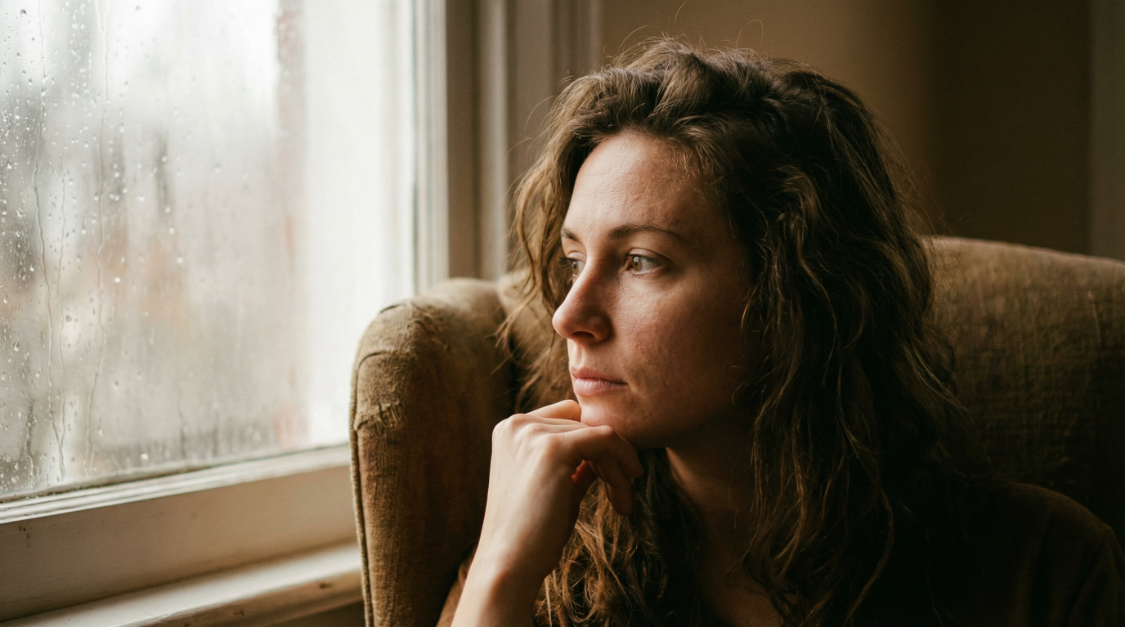
Phrasing logic decomposition:
85mm lens (focal) + Shallow depth of field (slight view): The combination of human images of physical common sense gives natural context degeneration and not rigidity。
Soft, diffused natural daylight: The emphasis on "dispersion of natural light" is the key to creating a sense of reality, not of cinema。
Film plain, Kodak Portra 400 stock (material and color): Specify the film type and particle, which is the strongest command to eliminate the AI "digital taste" and gives the graphic physics medium a sense of weight。
Case II: Environmental narrative - “Twilight workers”
the director's handbook: to show the relationship between humans and the environment, using 35mm mansion. realism comes from a deep view (which can see the details of the environment) and a complex mix of light (the sky and man-made light). it emphasizes the roughness of the environment, not the beauty of the person。
English introduction (recommended):
The environment doesn't matter
In Chinese:
A rough documentary picture, 35 mm shot. A fertilized fisherman repaires nets on a moist and humid dock at dusk. The environment dominates the picture. Deeper view shows the texture of the foreground ropes and the lights of distant ports. Combining operational light (fading lights and blue twilight). Raw film quality, low saturation color, Fuji Eterna aesthetic. –Ar 21:09
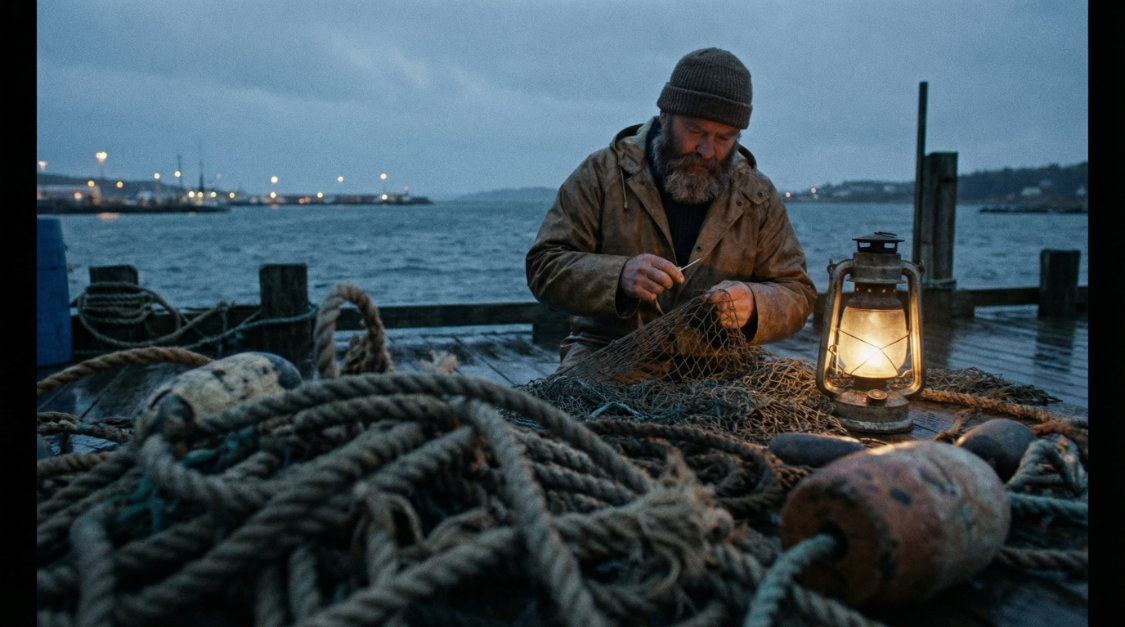
Phrasing logic decomposition:
35 mm lens (focal paragraph) + Deeper depth of field (deeper view): Wide-angle narratives need to address the environment, and therefore cannot be very shallow and logical。
weathered figureman (person status) + wet dock, raw texture (environmental details): emphasising “saturated frost” and “wetly roughness”, rejecting AI's default smooth and perfecting, adding real credibility。
Mixed physical lighting: The most common luminous environment in reality, the conflict of cold and warm light increases the true sense of the image。
Case III: Nightscape atmosphere - Rain Night Street
The director's handbook captures the city's night view. The focus is on the noise from high-sensitivity film and the **-photo-photo-photography (Halation)** phenomenon. Using a standard lens of 50mm to reciprocate what you see。
English introduction (recommended):
Heavy natural film plain, CineStill 800t aright lightlights
In Chinese:
Nightscape street film, 50 mm shot. A busy and humid urban street reflected neon lights and car lights. The parachutists. Heavy natural film particles, CineStill 800T aesthetics, visible red light around bright lights. Real light decays, high contrasts, deep but detailed shadows. The focus is clear on the wet asphalt texture. –Ar 16:9
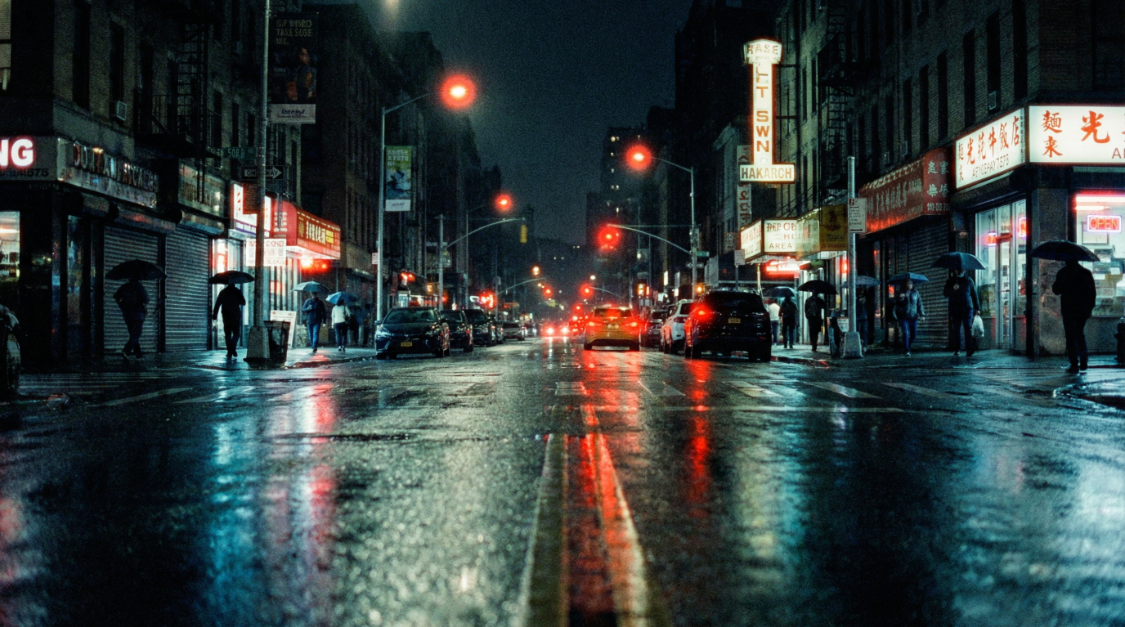
Indictment logical disassembly (why really):
CineStill 800T aesthetic + red halation: It's a very iconic, written night-view feature (red circle around the lights), and AI has restored this physical phenomenon, and the real sense is full。
Heavy natural film grain (heavy particles): Nightscape is bound to produce high noise for exposure, which is physical common sense, and keeping particles is to keep them real。
Realistic light fall-off (deficient light decay): Emphasizing the natural dim process of light in the dark avoids the "global smugness" often found in AI images。
Core law of unified space logic:
WHEN YOU BUILD A HINT, BUILD A REAL "SET" IN YOUR HEAD: WHERE ARE YOUR CAMERAS? WHAT CAMERA? HOW FAR FROM THE ACTOR? IN THIS ORDER, IT IS NATURAL THAT THE IMAGES GENERATED BY AI PRODUCE A STRONG SENSE OF “ORDER” AND “REALISM”。
Conclusion
the real lens language is not in any way a blind pile of crap in the hints, such as “8k, film, divine masterpieces”。
At the heart of the lens language is the absolute control of “space vision” and “psychological distance”。
And when you can clearly design the message: How far do you want the audience to stand? What kind of phantom crap do you want people to feel? What kind of emotions do you want the audience to have
And at this point, whether it's Nano Banana Pro or Dreams or Ghosts, the images they're exporting actually have a high-level movie soul。