



In order to experience a large, multi-modular model known as DeepSeek Time in the video world, many creators are willing to wait for a few seconds for a full five-hour queue on the screen at the peak of the afternoon. People are so crazy because Seedance 2.0 does cross the industrial productivity threshold
It solves an extremely powerful multi-photographic role consistency, and can even directly generate stereo effects with mouth-sync。
IN THIS LONG WAIT, I HAVE OBSERVED A VERY COMMON PHENOMENON: A GROWING PREFERENCE FOR “TIME” TO “OUTCOMES” BY MANY OF THE AAI CREATORS。
It is undeniable that the tools are becoming more and more “stupid”. Whether it's the Nano Banana Pro, Midjourney, or the video-producing area of DreamSeedance 2.0, Clin, Seach. You don't need to know any complex nodes and connections, you just have to throw in the hints, and you can pull out a picture or a texture that's bursting。
When it lasts five hours to get the finished product, many people have a fatal illusion:
"My creative ability has grown."。
But the truth is cruel:
It's just a tool for progress. What you get is just a stronger result, not a stronger self。
If you just stay in the low-level cycle of "Input a hint - > Blind Spacing - > Exclaiming " , you'll always be just an "operator" who walks by the nose of AI. When Seedance 2.0 places the floor of visual performance at an infinite high, it is not simply the skill of the tool that determines the upper limit of your work, but whether you have the real “director thinking”。
TODAY, WE'RE GOING TO BREAK DOWN THROUGH THREE CORE DIMENSIONS TO TEACH YOU HOW TO JUMP OUT OF THE COMFORT ZONE OF THE TOOL AND USE THE DIRECTOR'S EYES TO MANIPULATE THESE TOP-LEVEL AI MODELS。
Method I: Priority for movement rather than for mirrors
I find most people like to playAI VideoThe lingering sense of “showing” is attributed to the fact that the hint is not perfect or the model is not smart enough. So they're used to working with the Nano Banana Pro, which produces a bunch of beautiful "spectrums" first, and then throws them directly into a dream or a ghost, and then adds a "spectrum slowly push" or "get the picture moving."。
THIS WAY OUT OF THE VIDEO, AT FIRST GLANCE IT'S BEAUTIFUL. WHY? IT'S BECAUSE AI TOOK THE INITIATIVE TO SORT OUT YOUR FIELD SCHEDULE MODULE. HOW PEOPLE STAND, HOW LIGHT WORKS, THE BOTTOM MODEL HAS GIVEN YOU A "SAFEST" SOLUTION BASED ON BIG DATA。
"Treatful Case"
operation: enter the hint: "a man sits in a dark room, with a luminous sense of film, depressed, 8k." when you create a picture, use a conch video to push the camera。
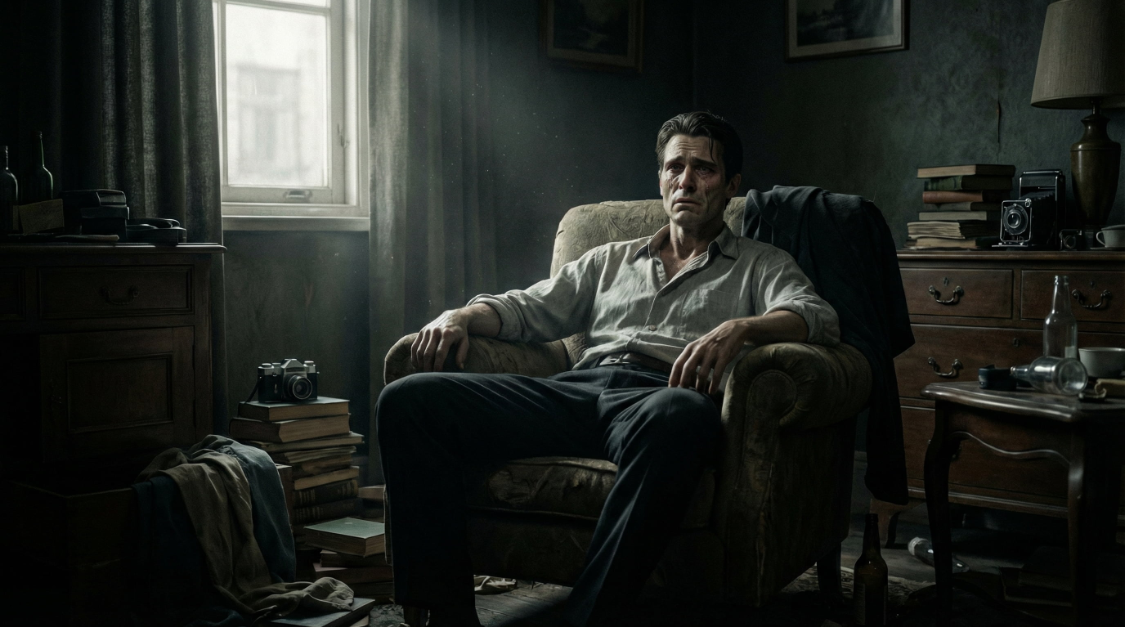
prompt: a man who looks like a man is very low and sad and sits in a dark, dark room. the luminous film is a beautiful image, and there is some retrofitting furniture and miscellaneous items in the room, and the atmosphere is very depressing. film-level tuning, high-quality painting, 8k resolution, master-level work, super-high details, fantasy engine 5 rendering, photo prize。
RESULT: PEOPLE SIT AROUND LIKE STAKES, WITH NO LOGIC IN THE BACKGROUND. MANY PEOPLE ARE UNABLE TO WRITE AI INDOOR LIGHT, NOT BECAUSE THEY DON'T UNDERSTAND LIGHT, BUT BECAUSE THEY HAVE WRITTEN OUT-OF-HOUSE REFLECTIONS, WHICH ARE PUT INTO THE ROOM IN A BLUNT MANNER. IT FLATTENS THE PICTURE, WITHOUT ANY REAL DRAMA TENSION。
[Strategic Depth Dismantling: What the hell is "Standarding"? _Other Organiser
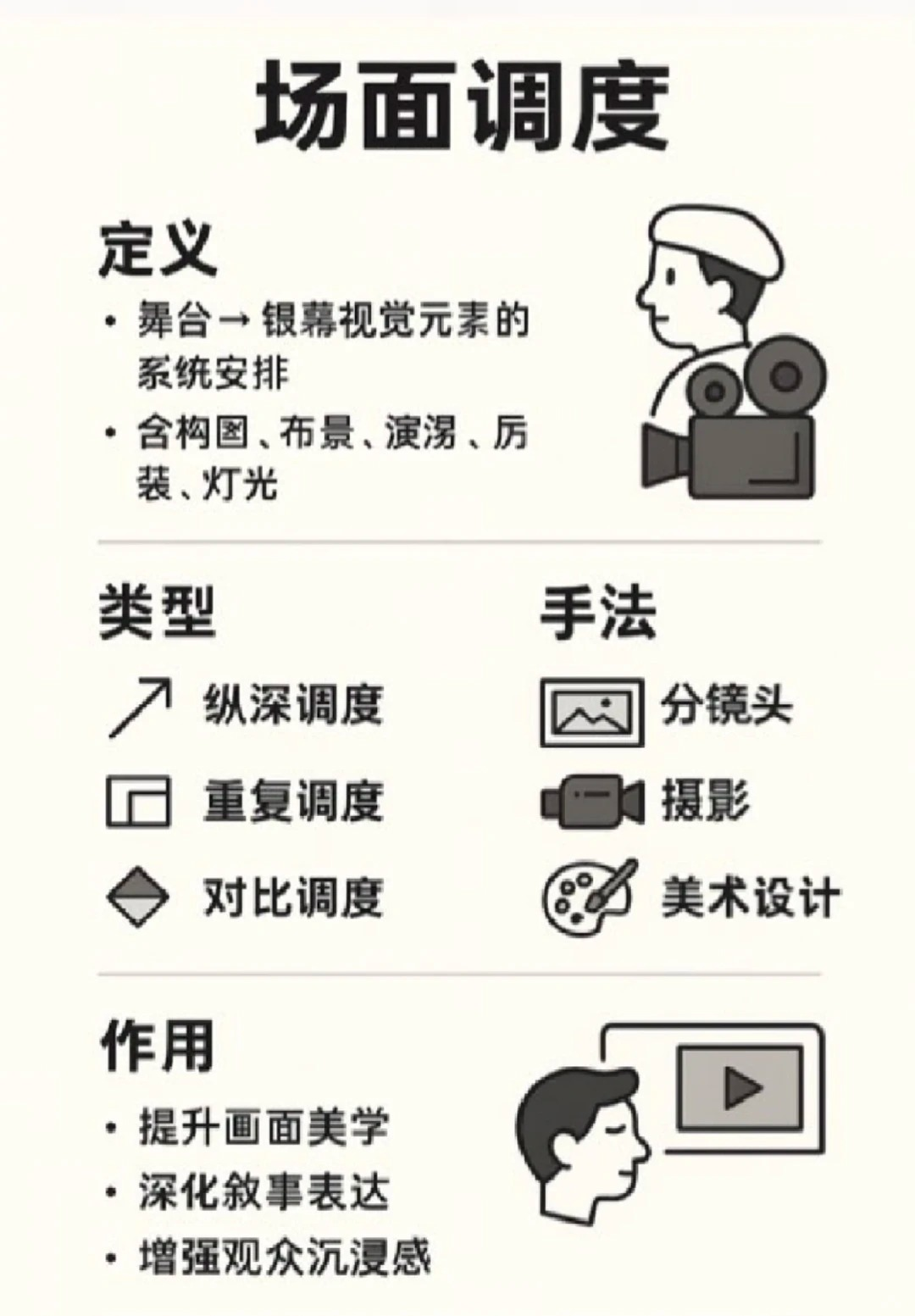
The film's “Mise-en-scène” translates into “how the director arranges everything in the frame”。
WHEN THE DISPATCH WAS DONE FOR YOU BY AI, YOU ACTUALLY LOST CONTROL OF SPACE. IN THE VIDEO CREATION OF AI, A TRUE FIELD SCHEDULE MUST CONTAIN A PRECISE DESIGN OF THREE DIMENSIONS:
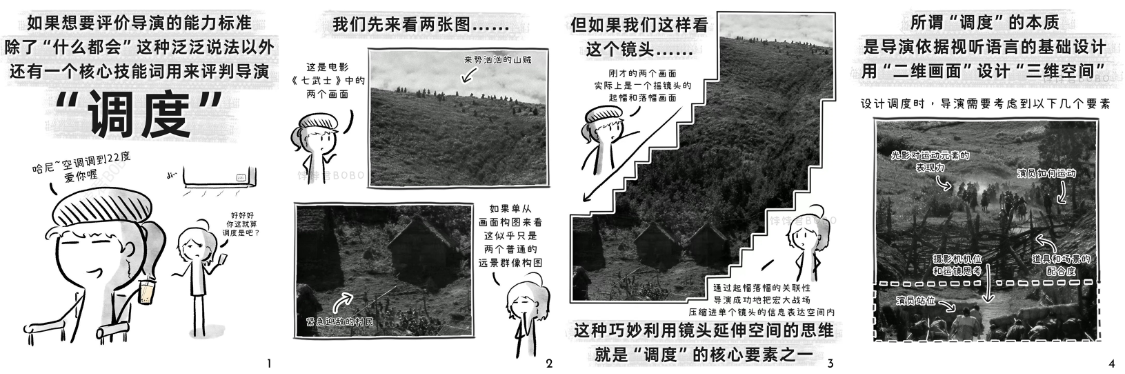
Analysis of field movements (sourced from network)
1. COLLAPSE OF PHYSICAL SPACE (Z-AXIS DEEP THINKING)
THE VAST MAJORITY OF AI ' S NEW HAND-WRITTEN HINTS ARE WRITTEN ON THE X-AXIS AND THE Y-AXIS (E.G., HOW TALL PEOPLE ARE, WHAT THEY WEAR, WHAT THEY HAVE ON THEIR LEFT, WHAT THEY HAVE ON THEIR RIGHT), WHICH MAKES THE PICTURE A FLAT STICKER。
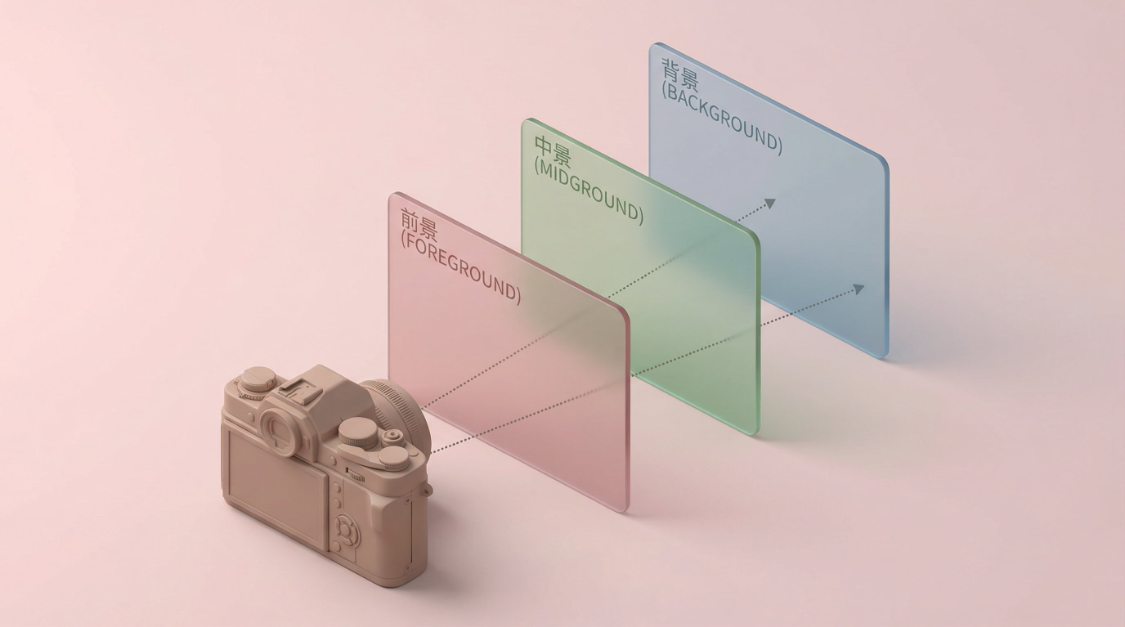
THE DIRECTOR'S SOLUTION IS TO CREATE Z-AXIS. YOU HAVE TO DRAW THE HORIZONS (COVERS), THE MESO (MAIN ACTION AREAS) AND THE BACKGROUND (ENVIRONMENTAL INFORMATION) IN THE HINTS. WITH THESE THREE FLOORS, YOUR PICTURE IS A STEREO “ROOM”, NOT A “WALLPAPER”。
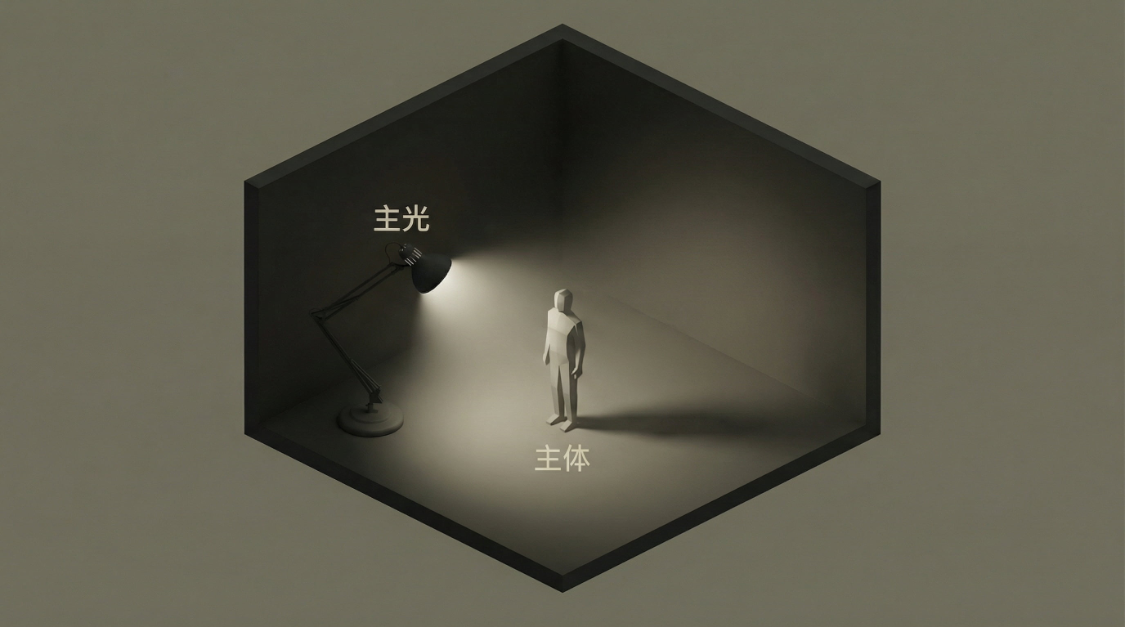
2. Power distribution in light (core logic of indoor light)
MANY PEOPLE ARE UNABLE TO WRITE AI INDOOR LIGHT, NOT BECAUSE THEY DON'T UNDERSTAND LIGHT, BUT BECAUSE THEY HAVE WRITTEN OUT-OF-HOUSE REFLECTIONS, WHICH ARE PUT INTO THE ROOM IN A BLUNT MANNER. OUTSIDE LIGHT IS EVEN, WHILE INDOOR LIGHT IS “POWER” AND “EMOTIONAL”。
The director's solution is to create Motived Lighting. Don't write "Dark Light" and "Where does it come from"? Cold moonlight through the left blinds? Or the one on the desktop that only lights half a face? The light is used to cut the space and to paint the psychological state of the role with a clear and dark line。
Breaking the "show" with a mirror
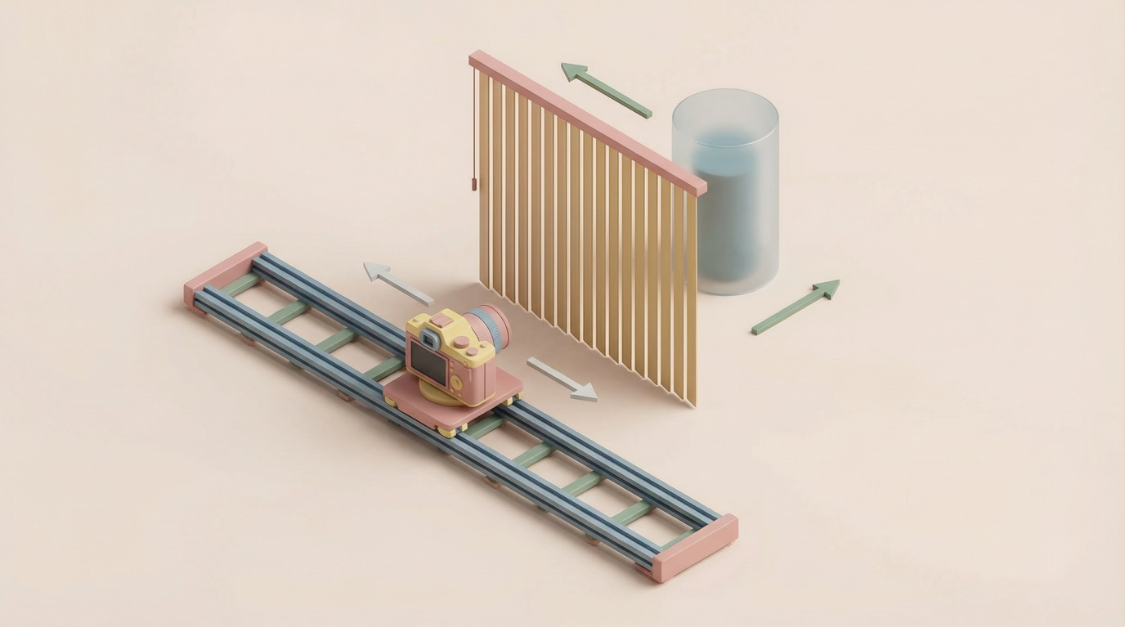
Many people's mirrors are simply “pan right” or “Zoom in”, which in AI's eyes is a stretching of a 2-D plane, and that kind of plastic is coming out right away。
The director's solution: the mirror must be integrated into space. When you have a horizon and depth in your space, you're going to have to use a visual mirror. When the lens moves, the blinds of the outlook and the bookshelves of the rear view generate different speeds of movement, a real physical vision that can crush the image of the AI video in an instant。
Comparative analysis
AI-LED VIDEO: FLAT, FLAT, PERSON-TO-ENVIRONMENT ZERO, LIKE A DYNAMIC WALLPAPER WITH RETROSPECT FILTERS。
Director-led images: There is a strong sense in space (foreground/median/background) that the internal view sources (e.g., blinds in windows, desktop lights) directly suggest a person ' s state of depression or anxiety。
The right way and the right word template
The space rules are established before a hint is written. Instead of just describing what a person looks like, you have to be precise about “the position of a person in space” and “how light cuts this space”。
Core tip structure:
[Camera position and focus] + [foreground mask/environmental guide line] + [main subject precise position] + [indoor light source pointing] + [background environment depth]
Homework case (Nano Banana Pro image generation):
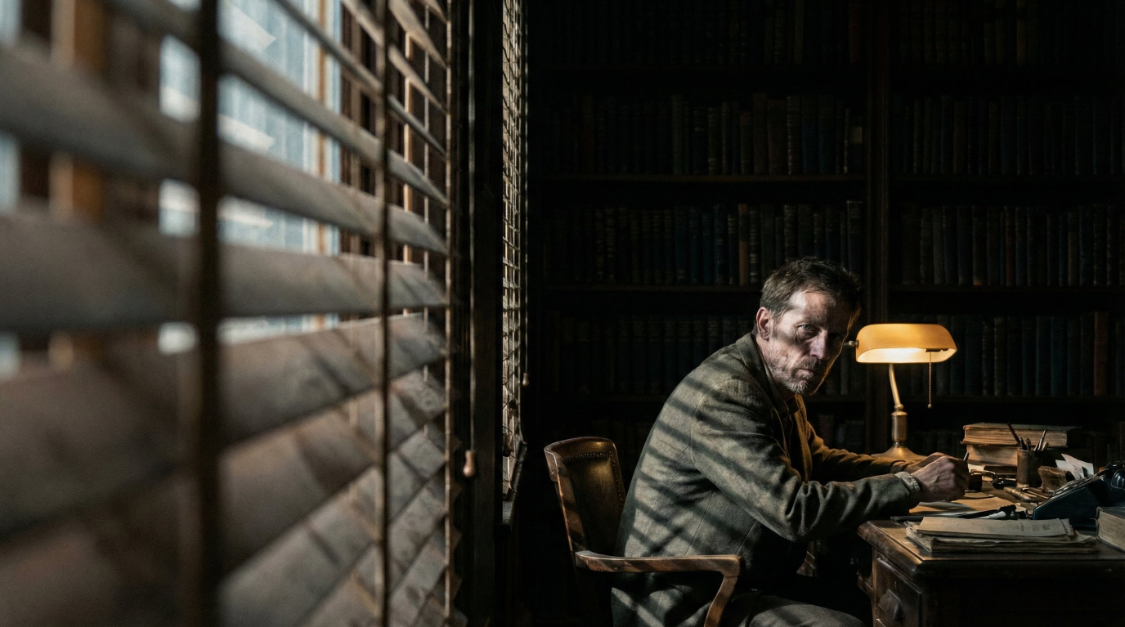
Over-shoulder lens (over-the-shoulder shot), 75 mm medium focus. The outlook is a blurry, cold-coloured light through which the blinds pass; the medium view is a man with a palpable face, sitting in front of a retrograde desk, partially lighted by a warm-coloured light on the table (precisely controlling the indoor light source) and creating a strong and dark line of contact; the background is a deep, completely shadowed old bookcase. High contrast, strong sense of spatial oppression, classic black film。
Practising cases (cable video):
It keeps the picture in space and indoor photo distribution. The lens moves horizontally from the frontal blind shadow (Truck right) at a very slow pace, with men's eyes always staring at the desktop's message, and the background edge produces a slight dynamic blur。
copy
You learn to move the light and space so you can control the movement of emotions instead of always using luck cards。
Method two: narrative priority, not graphic priority
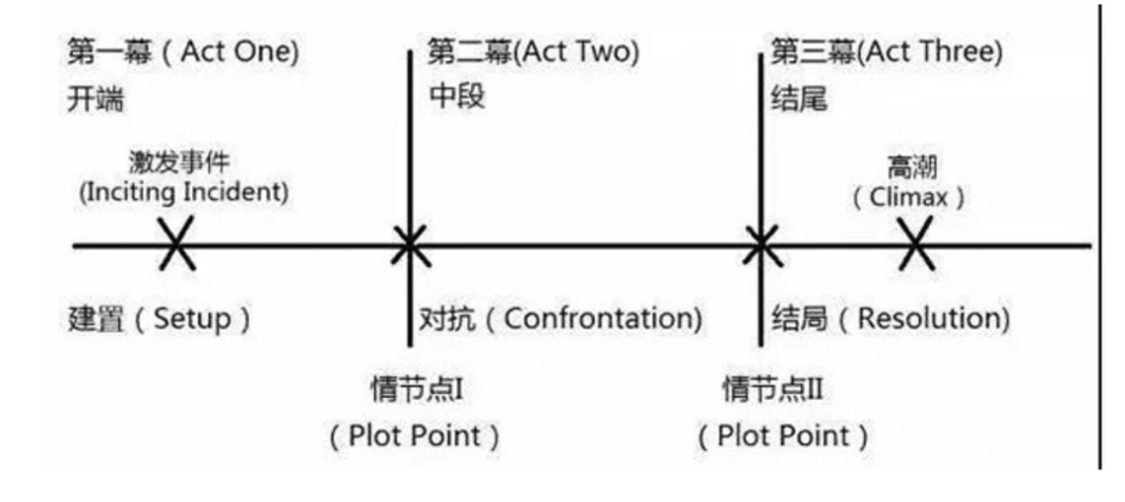
Now, a model like Seedance 2.0, role consistency has been very counterproductive. This means that we do not need to devote much more energy to “how to prevent people from going out”. But that is exactly what exposes a fatal weakness of the newcomers: the picture, though beautiful, has no idea what the core expression is。
In film creation, there is an unmistakable iron law: a play must revolve around a “core action”。
"Treatful Case"
Operation: In order to express the sadness of the female lead, the adjective "The breeze blows through the hair, tears flow, so beautiful, so sad, film-class."。
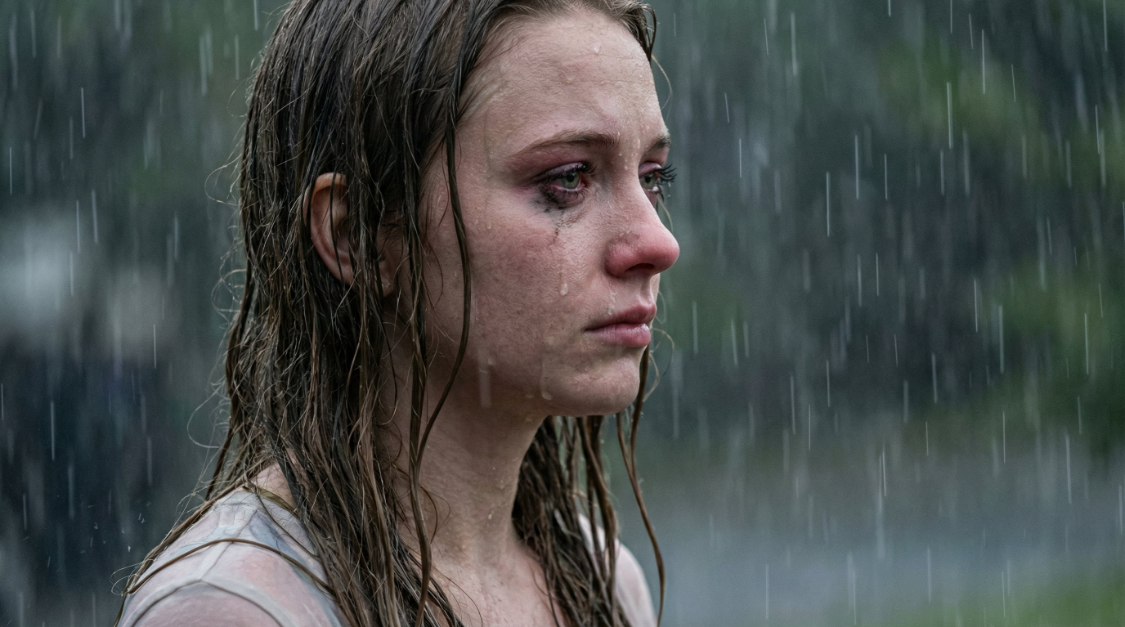
RESULT: THE AUDIENCE SEES JUST A "A BEAUTIFUL STAND-UP TEAR MACHINE." I FOUND THAT 90% PEOPLE USED TO WRITE A LIST OF ACTIONS, PUT A BRAIN IN A HINT; AND THAT "RESULTS" WERE TREATED AS "PROCESSES" WHEN WRITING MICRO-EXPRESSIONS AND MOVEMENTS。
THE PRINCIPLES ARE BROKEN: WHY DOESN'T AI UNDERSTAND YOUR GRIEF? _OTHER ORGANISER
Principle I: Inversion of process and result (lower logic of micro-expression)
The scene is set: "Sorrow and Crash" when a person hears bad news。
A newer minding phrase (writing emotional results):
Image generation
in chinese: a young woman sitting in a corridor bench in a hospital, who heard the bad news, was extremely sad and desperate, and tears were shed. written photography, film-sighting, 8k paint。
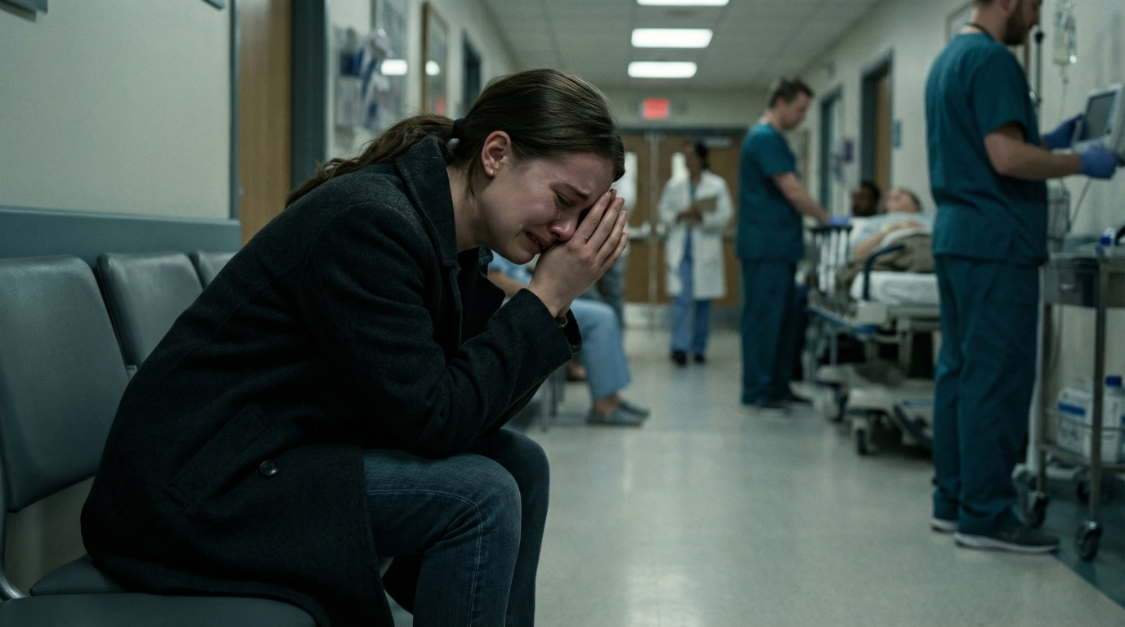
IMPACT ANALYSIS: THIS IS THE MOST COMMON FORMULATION. THE PICTURE WILL BE CLEAR, BUT AI WILL ONLY GIVE HER TWO LINES OF TEARS, AND THE EXPRESSION MAY STILL BE MUNDANE, WHICH IS VERY SUPERFICIAL AND INFECTIVE。
Video Generation
In Chinese: She cried sadly, tears fell and the camera slowly advanced。
The director's headline (writing the physiological process):
Image generation
Chinese:
a young woman sits in the hallway bench of the hospital, with a close-up shot. her eyes lost their focus in an instant, her lips shivering uncontrollably and gnawed against her lower lips. the chest rises and falls as a result of an intensely repressed breath, and its eyes are red and full of tears. written photography, film-sighting, 8k paint。
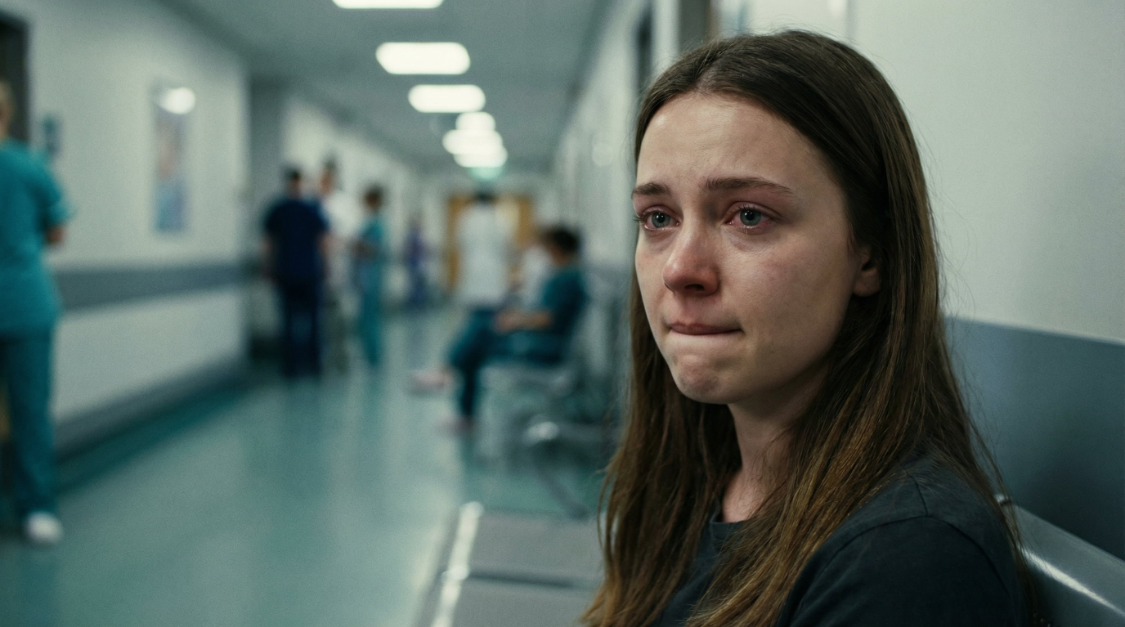
EFFECTS ANALYSIS: THE WORD "SORTURE" WAS ABANDONED AND AI WAS DIRECTED TO CONTROL THE FOUR MUSCLES AND PHYSIOLOGICAL REACTIONS OF "EYES, LIPS, BREATH, EYES." THE MICRO-EXPRESSIONS OF THE FACE GENERATED BY AI WILL BE EXTREMELY LIVELY AND BROKEN。
Video Generation
In Chinese:
Extreme Close-Up. The person ' s face is stable, the lower jaw is twitched, and there are frequent blinks, followed by large tears spilling and falling from the lower eye. The constricted breath of the chest produces a slight ups and downs, and the eyes are always staring at the bottom of the lens。
Principle II: Declining emotional terms and upgrading verbs (from state to confrontation)
The scene set out to show the loneliness and tenacity of a warrior/historic figure。
New-hand thinking hints (stamping adjectives and state):
Image generation
in chinese: an extremely lonely swordsman standing in a snowstorm with beautiful, cold, epic film tastes, perfect images, snowflakes in the air, 8k high paint。
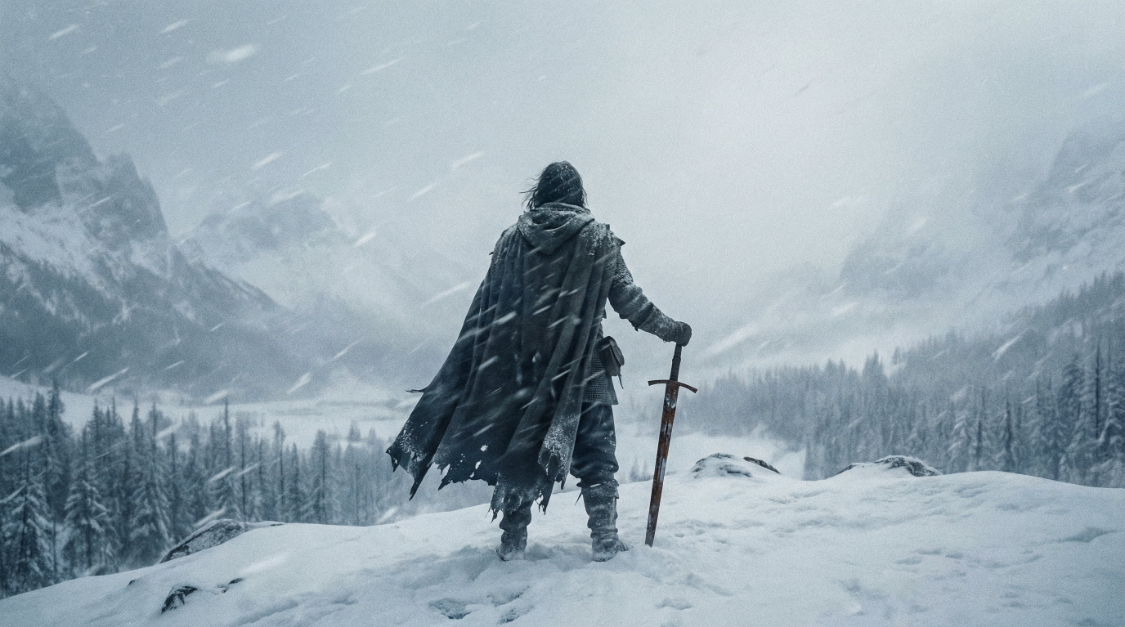
EFFECTS ANALYSIS: FULL-SCREEN ADJECTIVES (SINGLE, BEAUTIFUL, PERFECT). AI CAN ONLY PRODUCE AN EXTREMELY FINE “PRICK” AND THE CHARACTER HAS NO INTERACTION WITH THE BLIZZARD, BUT A GORGEOUS, DYNAMIC WALLPAPER。
Video Generation
In Chinese: Snowflake floats beautifully, the wind blows his clothes, he stands alone in the snow, the scene is so sad, the film level moves slowly。
The director's mind message (enhanced verb against physics):
Image generation
In Chinese:
A swordsman marches in the snow against the wind (the verb escalates). With his frozen hands, he was able to crush the tatters that had been lifted by the wind, with a large forward body, with every step leaving a deep footprint in the thick snow, which in cold blood hit his clothes (physical confrontation). Historic film quality, long-focused lens compressing space。
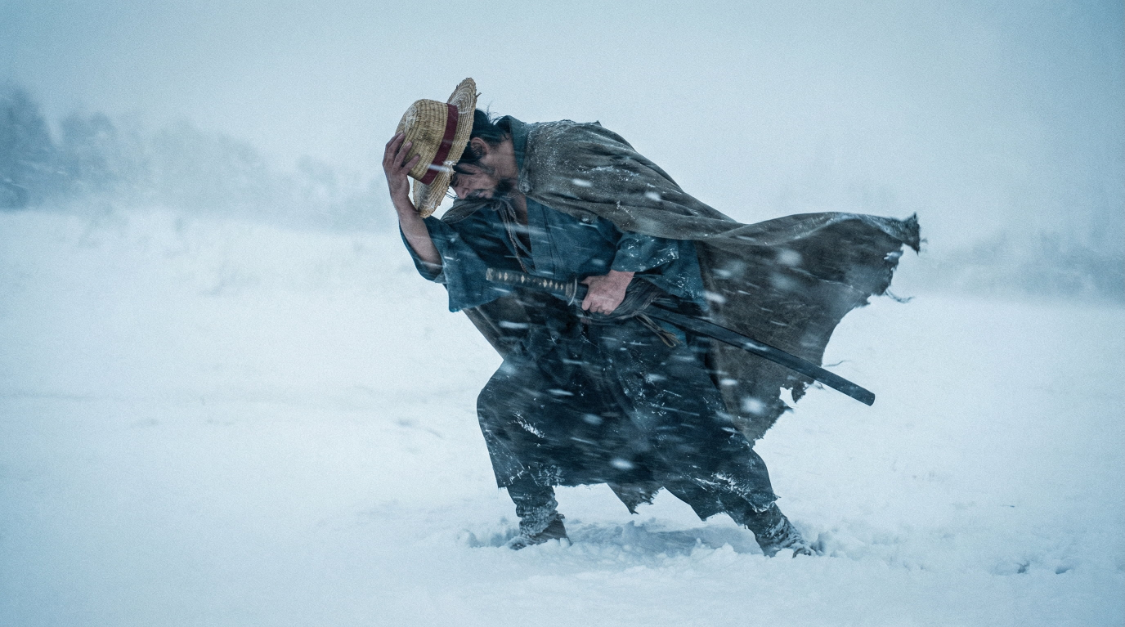
Effects analysis: The abstract adjective “silent and cold” has been translated into very confrontational verbs such as “reverse to the wind, death to death to hold the tatters, large forwards”. The character is no longer a background board, but a real struggle against a bad environment, and the story is coming out。
Video Generation
In Chinese:
The camera follows the person slowly back. The swordsman took a difficult step in the deep snow, and the wind hit him so hard. He kept his head down and put a hand over his head. Snowflakes hit hard, heavy and slow。
Comparative analysis
State display (weak narrative): Girls cry in the rain. It's very beautiful. No resistance, no motivation。
Narratorial action (discussion): In the rain, the girl went crazy looking for a garbage can and tried to find her abandoned ring, and her hand was cut and she didn't stop. There are clear objectives, movements and environmental resistance。
The right way and the right word template
First, you identify a core action, then you build around it. When you write a hint for an action class, downgrade the adjective and upgrade the high-intensity verb. The person must be given an environmental resistance and pre-determined in order to have direction。
Core tip structure:
[core person] + [high-intensity verbs/core action] + [physical resistance to action] + [micro-expression decomposition (do not write emotional words, write facial muscle state)]
Methodology III: Think of "Clipping and Back"
And this is one of the most likely creative traps to get into with this top-size model of Seedance 2.0。
NOW THE MODEL IS SO POWERFUL THAT IT CAN DIRECTLY GENERATE A 15-SECOND-LONG IMAGE OF MIRROR SILK, A CONSISTENT AND LOGICAL CHARACTER. SO A LOT OF PEOPLE STARTED LOOKING FOR "A BIG ONE" AND STUFFED ALL THE START-UPS INTO A HINT, AND LET AI RUN THE PERFECT 15 SECONDS。
"Treatful Case"
Operation: Expecting 15 seconds straight out to complete a complex play。
Enter the hint: "The man went into the café and ordered a cup of coffee, and then sat down and suddenly there was an alien ship outside the window, and he stood up in shock."
THE REAL RESULT IS THAT THERE WAS NO PHYSICAL ERROR IN THE PICTURE, IT WAS VERY CONSISTENT, AND THE MIRRORS WERE SMOOTH. BUT THE PROBLEM IS THAT IT LOOKS EXTREMELY FLAT AND HAS NO EMOTION. IT'S LIKE AN EXTREMELY HIGH-RESOLUTION SURVEILLANCE SPY VIDEO, OR AN "AI CALCULUS SHOW" CREATED TO SHOW OFF。
[Stand down: Why is perfect 15 seconds ruining the movie feeling?] _Other Organiser
The real movie never ends with a very high-speed shot。
WHEN AI PERFECTED ALL YOUR MOVES IN 15 SECONDS, YOU ACTUALLY GAVE THE CORE OF "POWER" TO AI -- THAT IS, CONTROL OVER "TIME AND RHYTHM."。
15 seconds of AI's generation, its motion rate and the pacing of the mirror are algorithms, often even. But in the true director's mind, a man can come in at a speed, but the moment he finds an alien ship, the rhythm must change! You have to use the cut to break the audience's visual inertia and create an emotional outbreak。
The right way and the right word template
THE REAL DIRECTOR'S THINKING IS, "PUT THE AI STRAIGHT OUT OF THE MATERIAL AND USE THE RETROSPECTIVE BUILDING RHYTHM."。
Even if Seedance 2.0 is perfect for the 15-second main shot, you can't go straight to the original. At the emotional turning point, you have to “slash the knife” to create a single close-up and empty lens (B-roll) to “show and insert”。
The real-life logic of high-level director thinking of "dismantling and replicating":
Step 1 (dry model calculator, generate main lens): by using Seedance 2.0's powerful logical generation, run a 15-second basic action long shot (man walks into the café and sees the window outside)。
Step 2 (Seek emotional breakpoints, precise catch-up): In the editing software, a man was found looking at the frame outside the window and cut decisively. Then, using a Nano Banana Pro or a photo model, a very visual impact “Fearful Pupil” is created, which is then translated into a two-second micromix。
Step 3 (use empty lens to regulate breathing): Once again, a three-second high-speed camera was created, a video of a mobile phone falling on the ground。
THE “SYMMETRY LENS” OF STEP 2 AND STEP 3 IS TO BE CUT INTO THE PERFECT 15-SECOND ORIGINAL. AND IT'S WITH THIS COMBINATION OF "THE MAIN SHOT BOTTOM + THE CLOSE-UP STING + THE EMPTY LENS WHITE" THAT YOU REALLY CONTROL THE BREATH. YOU'RE NOT THE ONE WHO PRAYS TO AI TO GIVE YOU THE RHYTHM, YOU'RE USING THE WORLD'S BEST CALCULATIONS TO SPELL MONTAGUE IN YOUR HEAD。
Conclusion
In this time of AAI's frenzy, the tools are much faster than we thought. You're in line for five hours today for Feedance 2.0, and maybe next month you'll be replaced by a lighter and stronger model。
If you're only obsessed with the buttons that study which tools are there, you can easily be eliminated by the times. But when you hold your space, your core action, your editing structure in your hands
Whether it's a dream, a coven, or a future tool, the model will always be your implementer, and you will be the irreplaceable director。
I'll see you in class。