



A lot of new contactsAI VideoTHE CREATION OF FRIENDS, AFTER THE INITIAL “FRESH” PERIOD, WILL ENCOUNTER AN UNBREAKABLE BOTTLENECK: WHY IS MY AI VIDEO BEAUTIFUL, BUT IT'S ALWAYS DRY AND FULL OF A HEAVY “SHOW”
I FOUND THAT 90% HAD A HUGE ERROR IN MAKING AN AI VIDEO — THE HABIT OF USING EMOTIONAL OUTCOMES AS A PROCESS, RELYING TOO MUCH ON THE “FACE STATE” OF THE PERSON TO EXPRESS THE IMAGE。
when you want to express "stretched" or "retarded" or "disappointed", do you write words like nevous, angry, crying
Now the Nano Banana Pro or dream, or coven or other mainstream models are very powerful, and they can immediately produce you a perfect, authentic, teary, high-sweet face. But that is precisely the problem. The result is so much like a perfect "business library material." The audience saw a model who deliberately performed "worried" in front of the camera, not a true story that could make a difference。
Remember the core rule of this lesson: what really controls the mood of the audience and the rhythm of the film is never the role of writing emotions in the face, but the director's “pornography” and “audio-linguistic”。
Today, with three masters' "emotional Montagnard" techniques, you're going to have to jump out of the texture of the material。
Method 1: Replace emotions with the environment
MANY PREFER TO PUT THE BURDEN OF EMOTION ON THE FIVE OFFICIALS OF THE PERSON, AND THE RESULT IS THE CREATION OF A GROUP OF “AI ROBOTS” WITH NO OR NO FACE。
Underlying principle: objective resonance law (Objective Correlative)
In the audiovisual language of the film, this is called the “objective counterpart”. People's inner emotions are abstract, and directors don't let actors say "I'm sorry," but they project them into the image of the weather, the light, the scene. The environment changes, the audience's heart goes。

The first reaction to a small test of an objective counterpart is that the comb corresponds to the mirror, the pot to the knife, and so does the environment
Common error methods
Wrong logic: Directly describe the person's expression state, and use the result as an instruction。
Typical error hint:
A young man standing in the room, looking very sad, crying, depressed, highly detached.
(A young man in the room looks very sad, weeping, frustrated, rich in detail

THE RESULT: AI WILL GIVE YOU A VERY CLEAR PICTURE OF YOUR CRYING HEAD. THE PICTURE IS STRAIGHT, THERE'S NO WHITE, THERE'S NO IMAGINATION, AND THE AUDIENCE JUST THINKS HE'S “FAKE CRYING”。
Correct high-level writing
Core formula: Hide facial/backshade + Bad weather + Decline Stills + Cold Light
Phrasing demonstration:
Cinematic Wight, a lonely figure sitting in a dimly lit, emptying the camera.
(Motion-class wide-angle, a lonely figure sitting in a dark, empty apartment, back-to-back. Heavy rain hit huge windows of glass, water dripping blurs the neon lights of cities outside the windows. There's a dying plant on the table. Cold blue and gray, high contrast, blue atmosphere. I'm not sure
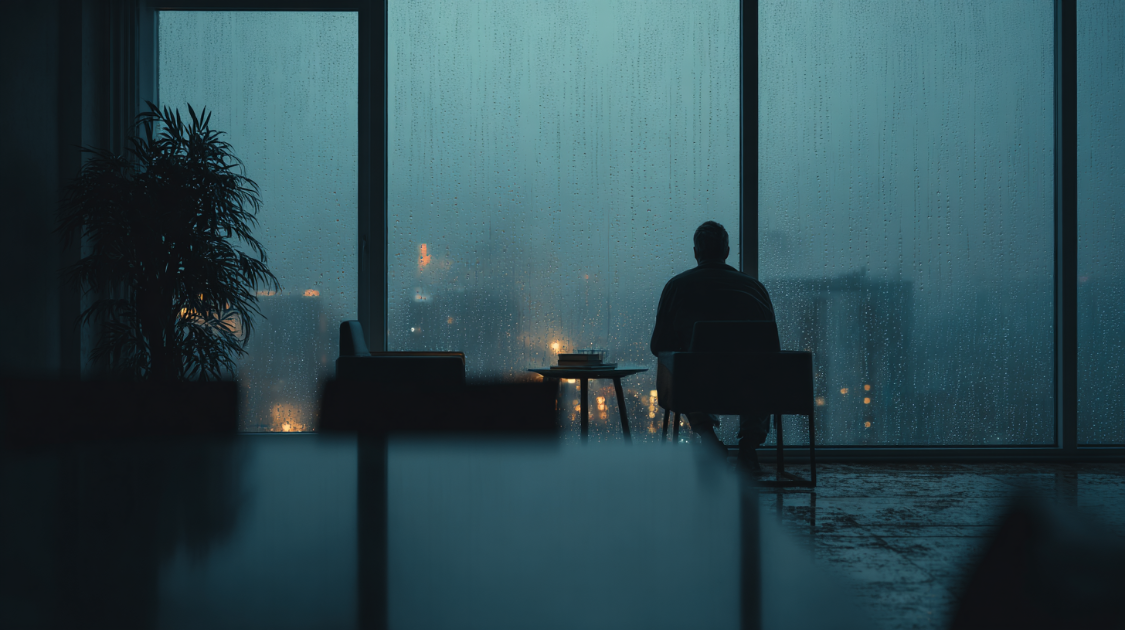
When these elements are added, the cold light, the fuzzy raindrops, the aging plants are already full of the entire screen. People don't even have to show their faces, and the feeling of solitude goes through the screen. Don't let the little man cry and the world rain for him。
Method II: Comparing to create emotional conflict
When you master the environment, you can produce a series of dozens of beautiful, emotional shots in a video. But you'll find that the video is still normal。
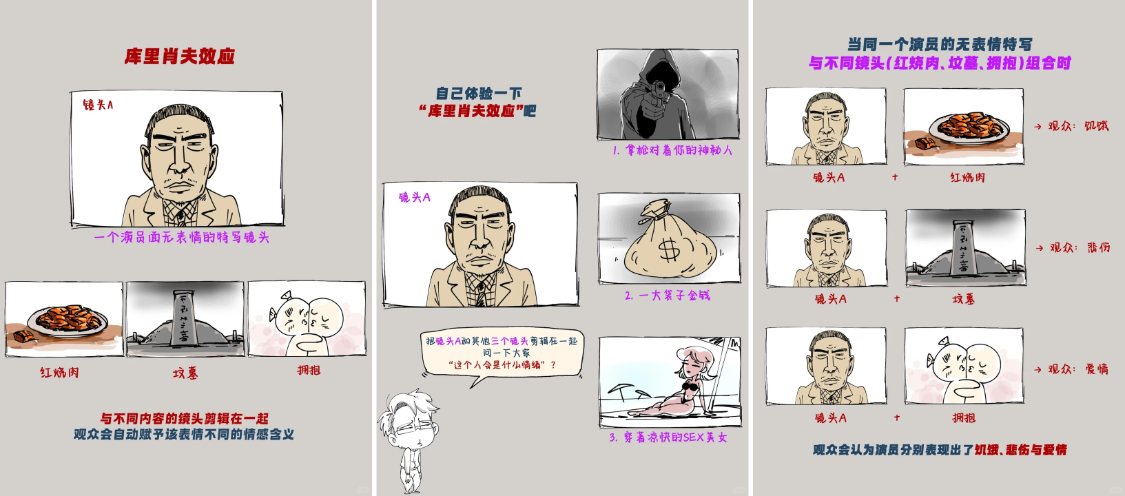
Bottom theory: Kureshov Effects
One of the core principles of the film Montage. The audience's understanding of a shot depends to a large extent on the lens before and after it. Emotions need a reference. If the whole film is an orgasm, it's like there's no orgasm; when all images express the same emotion at high frequency, the audience's nerves get used to it very quickly, and the mood becomes flat. After extreme motion, it is quiet, and after joy, it is sad, and it's the opposite that sets off the mood。
Common error methods
Wrong logic: Emotional overlap。
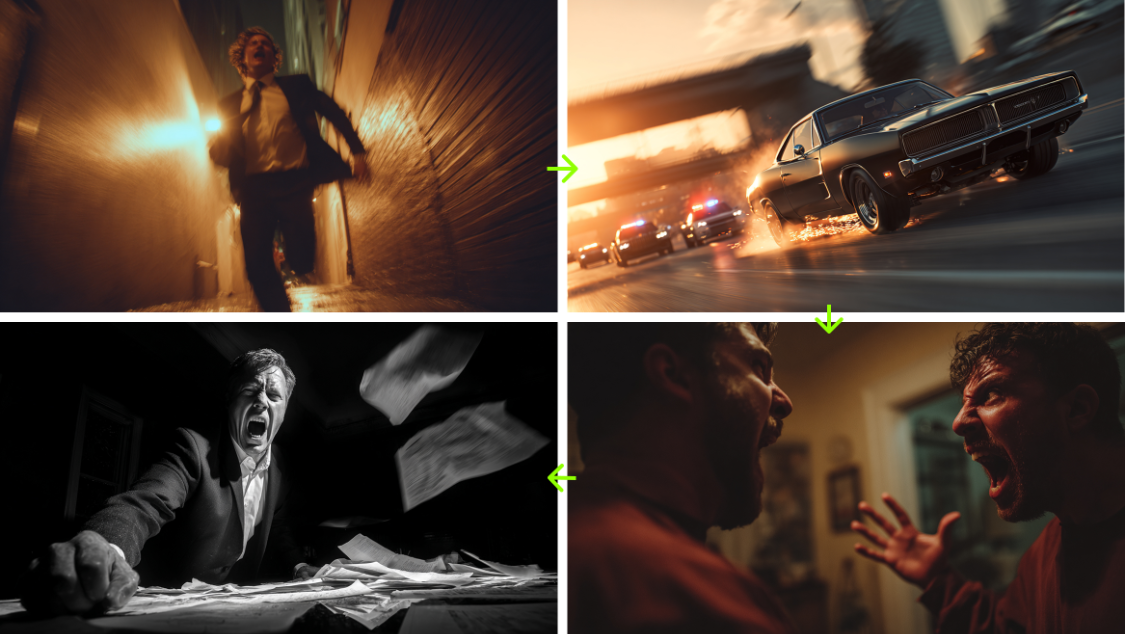
Typical error process: Expressing a sense of tension in a plot, creating a continuum: a person running camera -- a car chasing camera -- angry at a table shot -- a violent fight。
Generating results: The image elements are too dense, the viewer's eyes are tired, completely incapable of feeling the pressure inside the person, and only noisy。
Correct high-level writing
Core formula: extreme noise (at home) - absolute loneliness (in the corner)
The bottom emotions: real loneliness is not one who sheds tears in a dark room, but rather feels alien to a crowd of people who are having fun. When the images go from extreme congestion and noise into absolute emptiness and silence, the sense of suffocation of “abandoned by the world” hits the audience。
Psychiatry demonstration:
CAMERA A:
Tips:
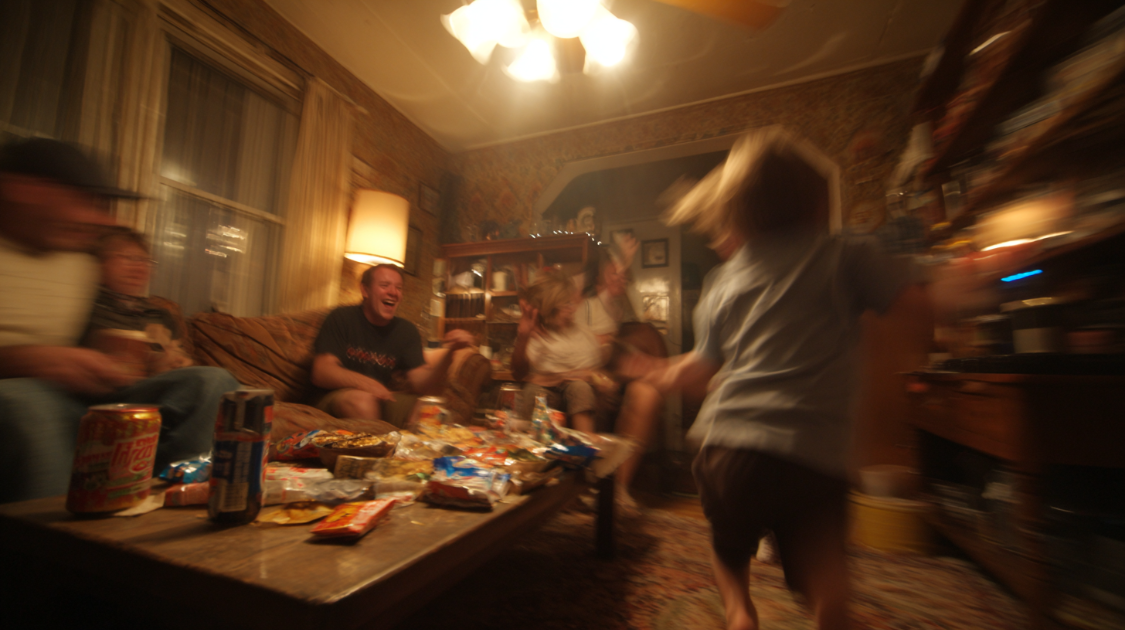
Handholdd, local community, people fighting and trying to understand how dangerous it is, and in the first place, in the very first place, in the very first place
(hand-held photography. a crowded, vibrant family party, where people laugh and dance under warm neon lights, with a coloured air of paper, blurry, chaotic and joyful atmosphere. altitude, film level 8k. i'm not sure
I'M SORRY
Tips:
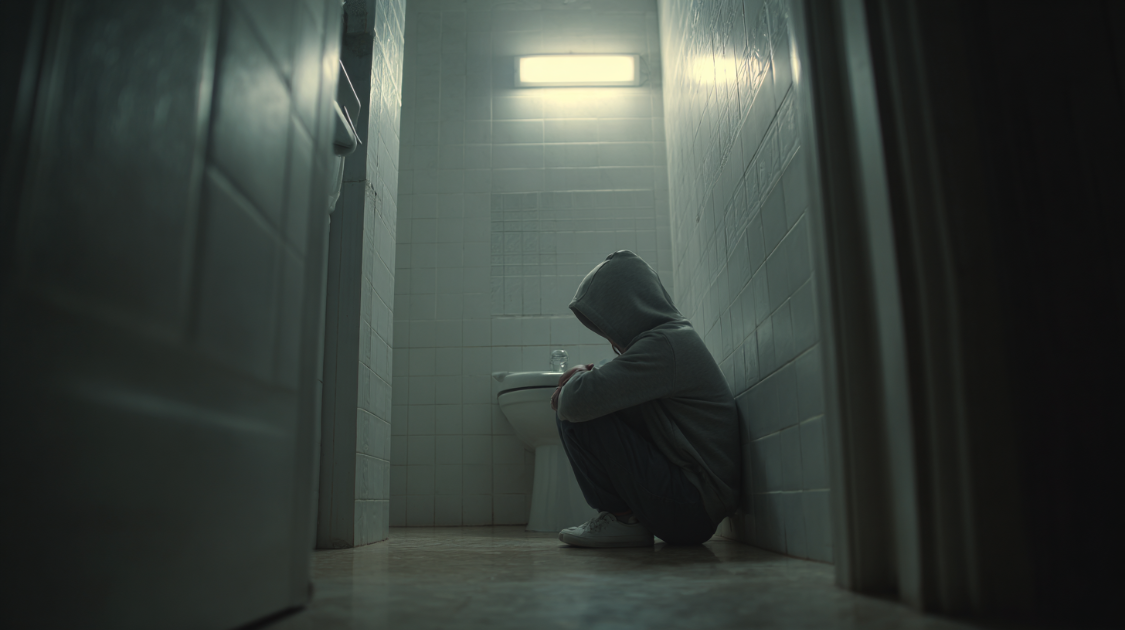
A young boy, wering a simple hoodle, squainting in the darkest
(Standing, film-class wide angle. A small, dark public toilet with cold, rough tile walls. A young boy in a simple coat, crouched in the darkest corner, with his arms tight around his legs and his head down. The fluorescent light shines slightly, with absolute silence, a deep sense of loneliness and vulnerability. The shallow view is focused on the little boy. I'm not sure
Method three: Enriching emotions with a close-up
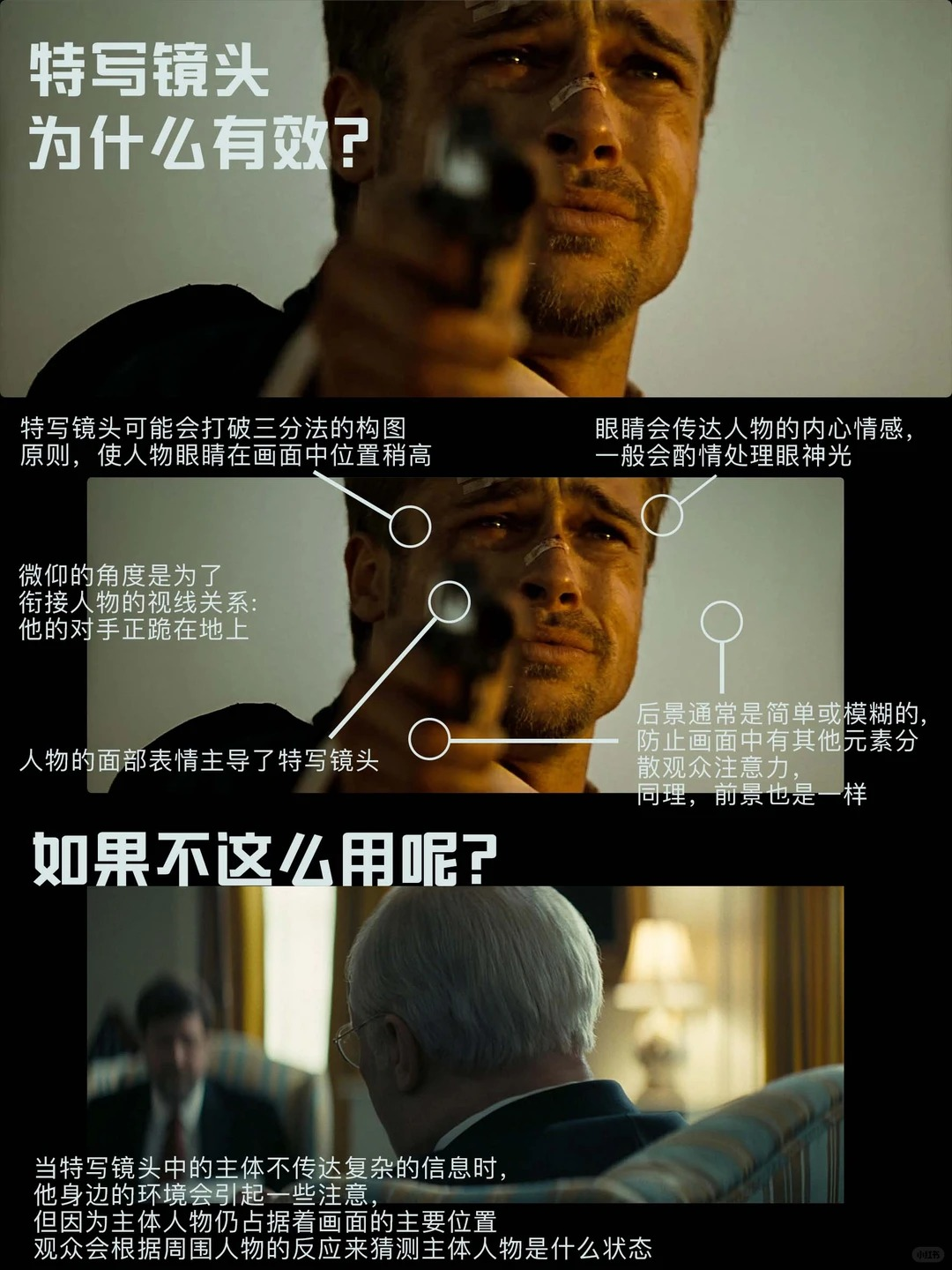
And if you write it in your environment, you do it in comparison, but at the moment when it's the most emotional, the picture still seems a little dry, and it's always a little short of the door. At this time, the most lethal weapon in the film industry will be sacrificed。
Bottom theory: Visual focus (Forced Act)
The essence of the feature is to forcibly deprive the audience of a global vision. When the scene removes the background, removes the extra limbs, and leaves only a tiny detail, the audience has no place to escape, but is forced to press on this detail, thereby magnifying the small emotions indefinitely。
close-up (filmmaking)
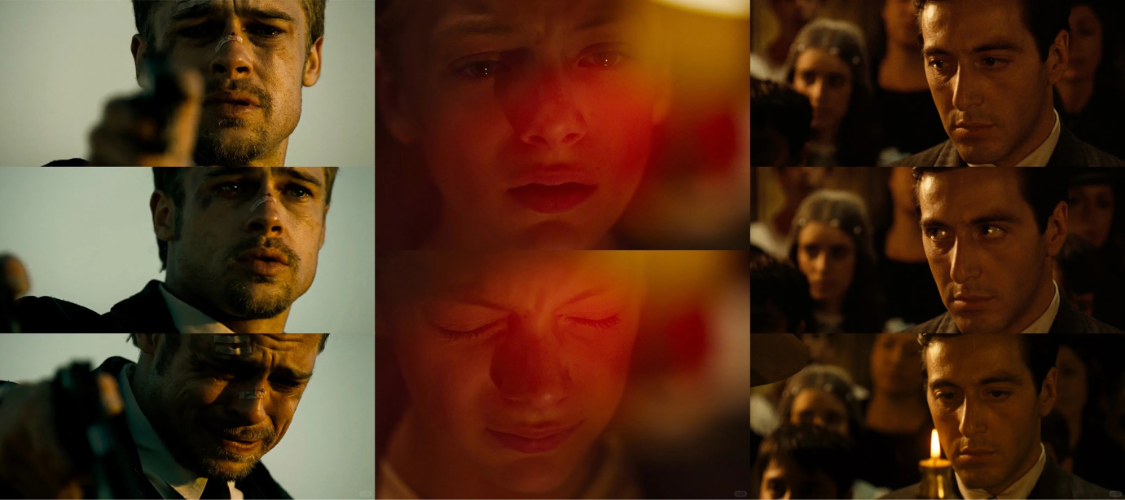
A close-up shot in a movie
Common error methods
Wrong logic: still using generic human pronouns. Typical error hint:
A man is very angry and trying to hold back his angel, standing in the office.
(A man was very angry and tried to restrain his anger and stood in his office. I'm not sure
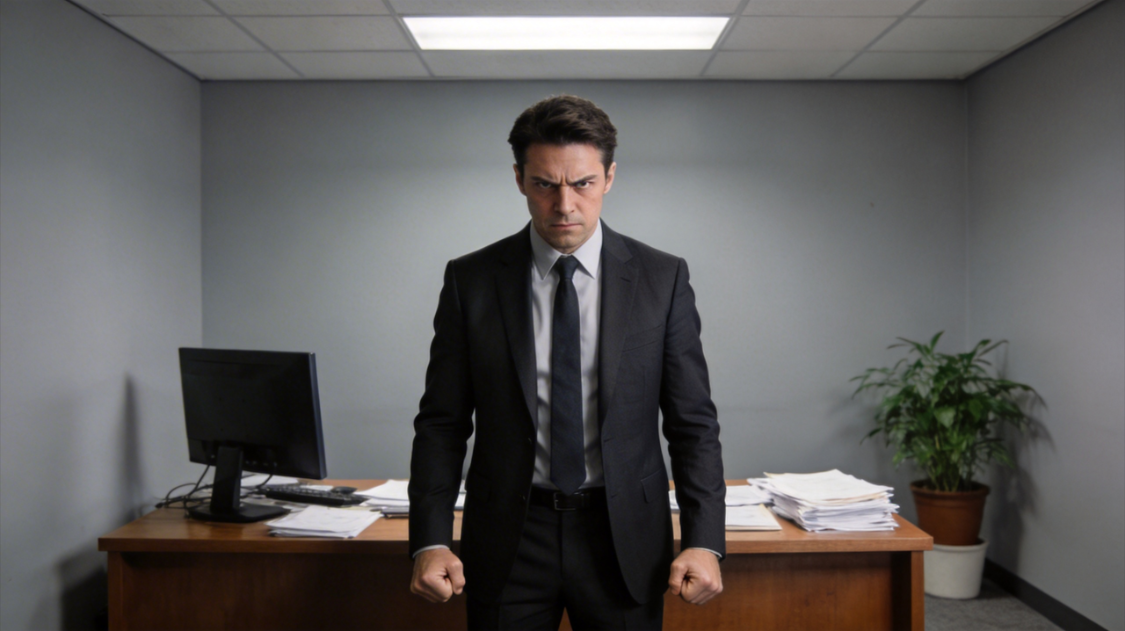
GENERATES THE RESULT: AI WILL BY DEFAULT GIVE YOU A BODY OR BODY IMAGE. IT'S GOT DESKS, COMPUTERS, PEOPLE'S FACES. ALTHOUGH HIS FACE WAS ANGRY, THE INFORMATION SURROUNDING HIM GREATLY DILUTED IT。
Correct high-level writing
Core formula: [extreme view] + [local detail/small action] + [photographic sense]
and when the emotion comes, stop using a man's word, and start with the extremes at the beginning of the hint. for example, to express the sorrow of indignity or restraint, instead of writing "he's patient" and writing a little action:
Psychic demonstration (hand close):
A man is very angry and trying to hold back his angel, standing in the office.
(Mixed lenses, tight hands on pants fabric, whiteness of the joints by force, slight tremors. Deep shallow, dramatic shadow. I'm not sure
And for example, the expression of extreme fear or confusion:

Example of hint (eye close):
A man is very lucky and trying to hold back his angel, standing in the office
(Extremely close to the eye of the character, the pupil is significantly amplified, and the shadow of terror is reflected on the wet cornea. Film-class light. I'm not sure
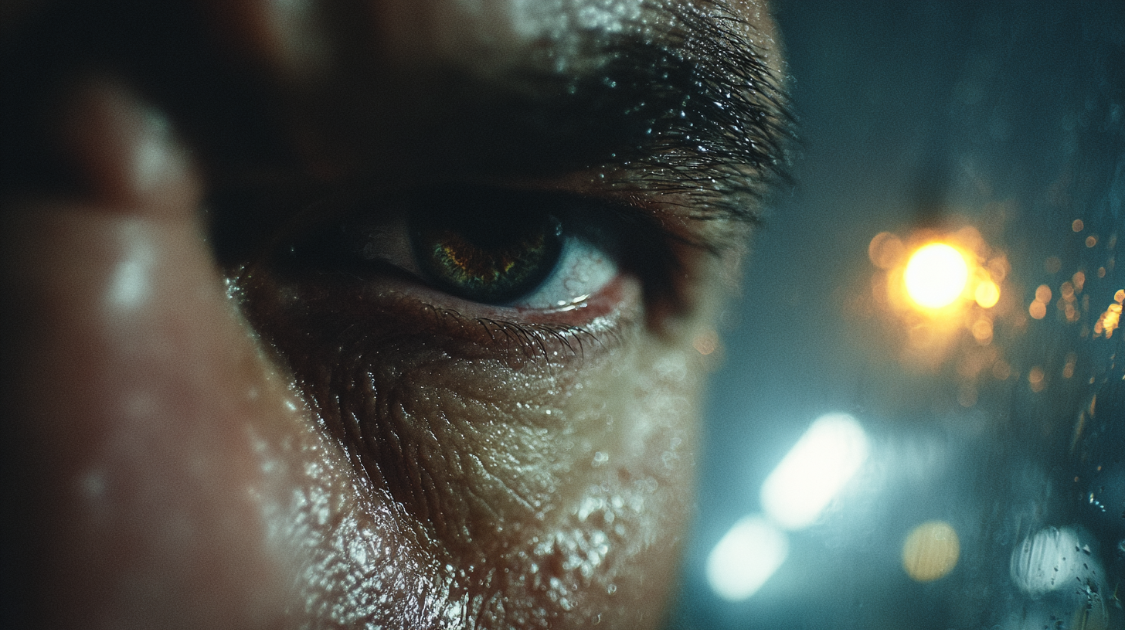
And when you begin to paint local areas with a micro-spectrum, under the current head model, not only is the sense of quality stronger (physical patterns are not prone to collapse), but emotional penetration increases exponentially。
Summarize
When you start changing the director's brain
Using objective environmental counterparts
With the effect of Curishov
It's a very micro-spectrum to design images
AI IS NO LONGER JUST A “PERFECT BUSINESS PROFILE” OR “A RANDOM PIECE OF COMPOSING VIDEO”, BUT IS A COMMERCIAL WORK WITH RHYTHM AND SOUL。
You learn these three tricks