



HiggsfieldAI MoviesIn " Anerneq " , the woman pushed the snowglasses out of her eyes, took care of the newly emerging Mars, pursued the father and held him. A few short actions, however, contain multiple layers of information on the status of the person, the interaction of props, emotional changes, the rhythm of the lens and the environment. It's these concrete and consistent images that areAI video generationThe design of the hints in creation provides a good example。
In actual creation, the person is not just “scrambling there”, nor is the props just the decorations in the picture. The sunglasses are pushed up, Mars is protected, and the father is chased and pulled, each of which corresponds to a clear physical, behavioural and emotional expression. It is often difficult to generate images with narrative and continuity if the hints are to describe only the appearance of the person; instead, a combination of action, relationship, environment and lens language is needed to really involve the role in the story。
In conjunction with the production of film clips and presentations, this section will break down the characters, props and performance-related tips, and explain what the main problem is, what is suitable for use in each method, and how to move them to their own creation. Whether it is the design of an identifiable role or the performance of a natural and credible role, it is possible to find replicable ideas from these specific cases。
I. REALIZATION OF ANNERNEQ, SPECIFIC FROM
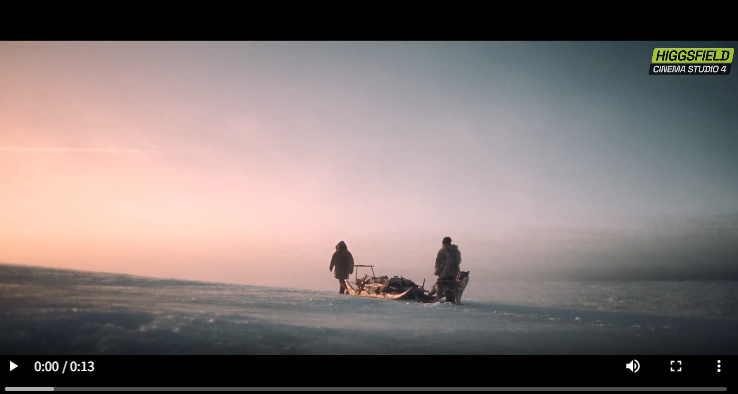
Higgsfield's first film, Anerneq, places people in a cold polar world: fur coats, snowstacks, wooden snowglasses, fire tools, and faces brightened by cold and warm light. These elements provide specific objects to observe the truth。
In the view of a group of people, the woman first wore a wooden sunglasses with her eyes covered, then raised her hand and pushed the snowglasses to her forehead. The fur sleeves temporarily blocked the face, the eyes were resurfaced and the mouth and eyebrows changed as they spoke. Audiences see a person who completes a move, and the clothes, the masks and the faces are always connected。
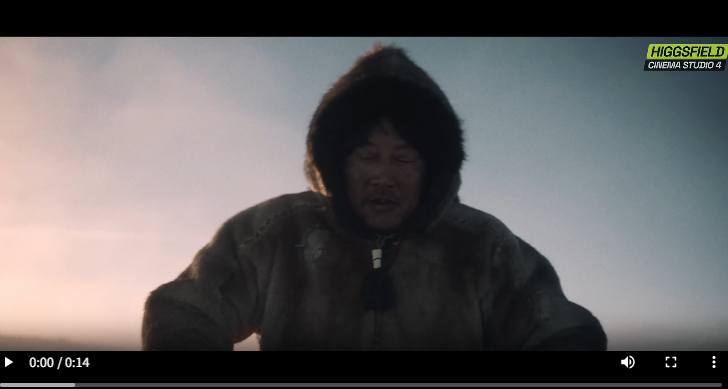
Snippets in the video
The other set of fire-taking shots, from the handling of materials, the placement of tools, to friction, to the appearance of Mars, to the protection of flames, and finally to the woman's view of the face of the fire. The image gives the audience an understanding of the process and a reason to react。
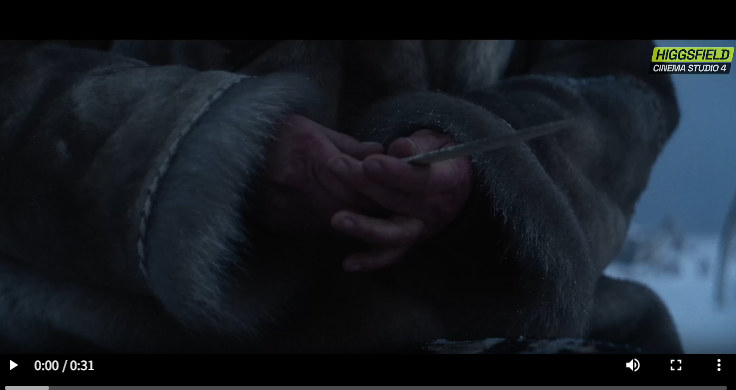
Snippets in the video
The course is based on the production of these clips and presentations and on the preparation of material, organization of the camera and presentation. The phrase in the text is an exercise that is organized around cases, and you can swap characters and environments for your own story。
II. PERSONAL ASSETS: DEFINITION OF FACILITY AND DRESSION STRUCTURE
Anerneq’s character reference board is a good place to learn:
THIS MAP CAN BE FIXED INTO A LAYOUT: THE FIRST HALF IS A COMPLETE FACE FEATURE, THE SECOND HALF IS A FRONT, BACK BODY MAP WITHOUT THE HEAD. 501 TP3T EACH
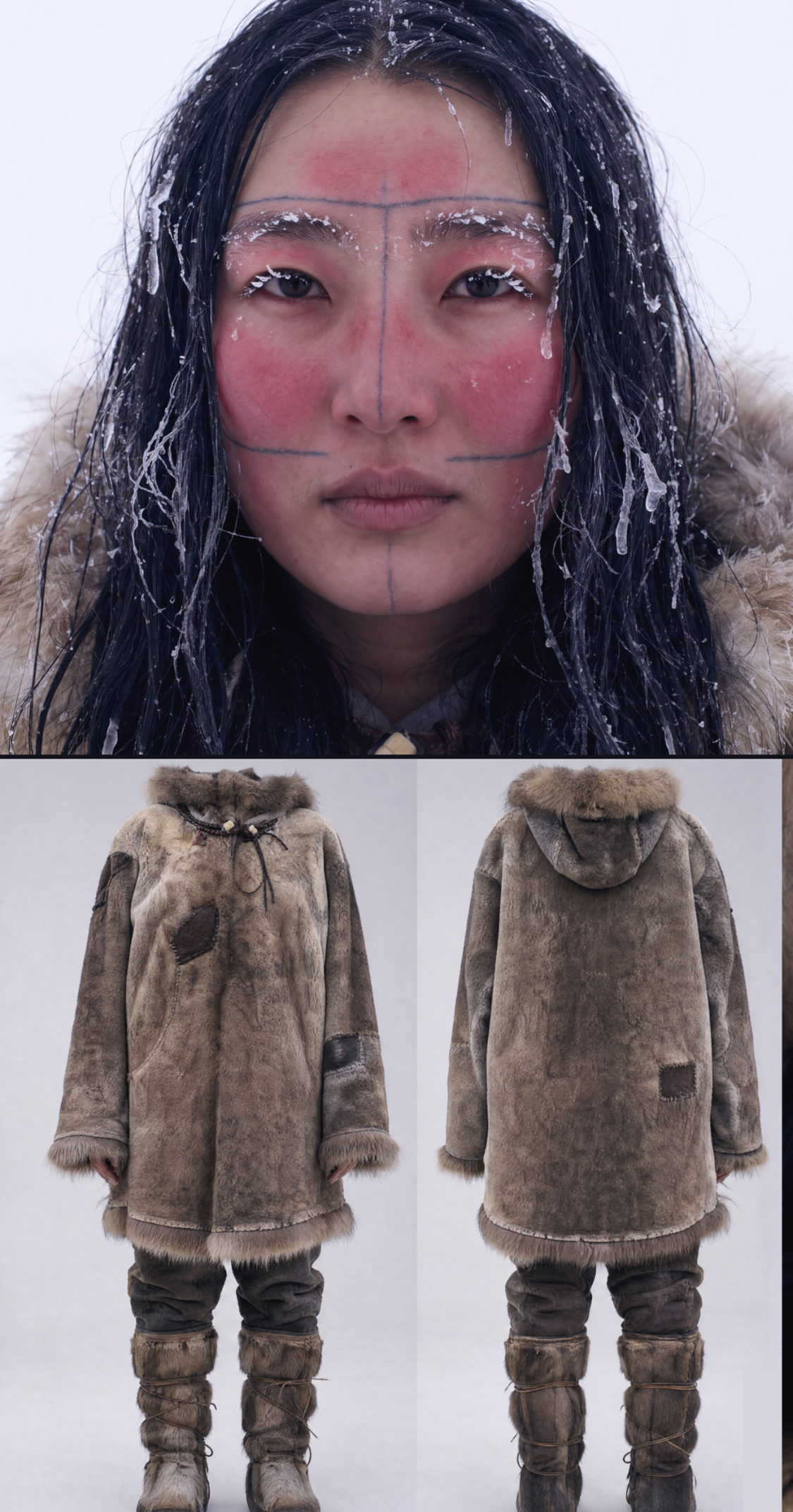
It's very direct: it's got a clear look at the face when it comes to the view, and it's very direct
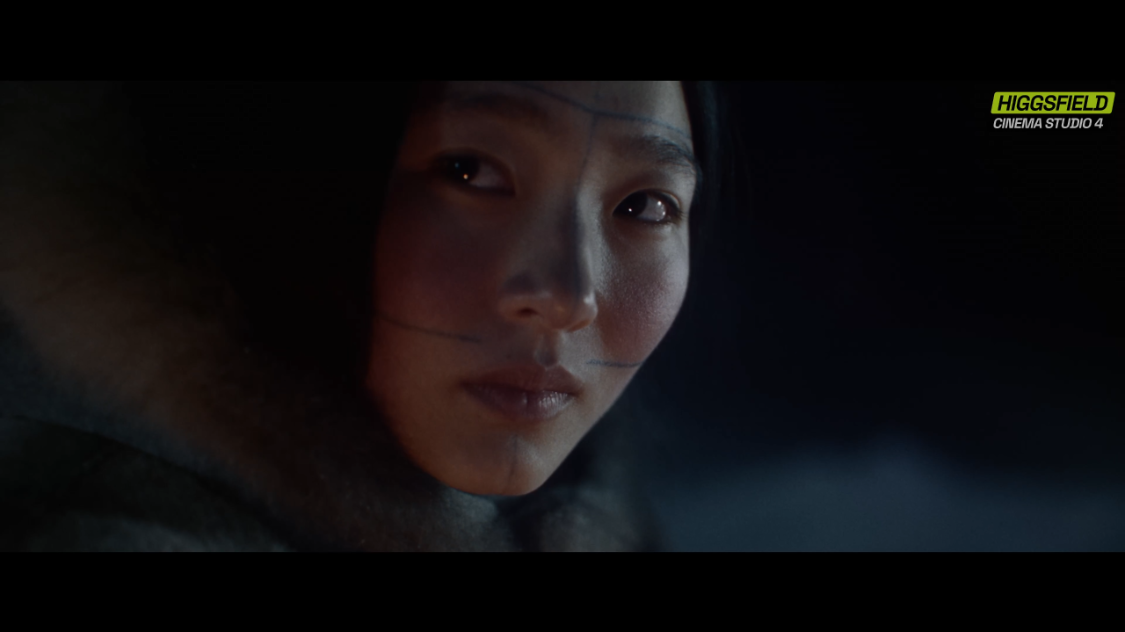
The presence of body and clothing references when taking a longer shot or turning around helps to reduce the problem of changing the face and changing the clothes。
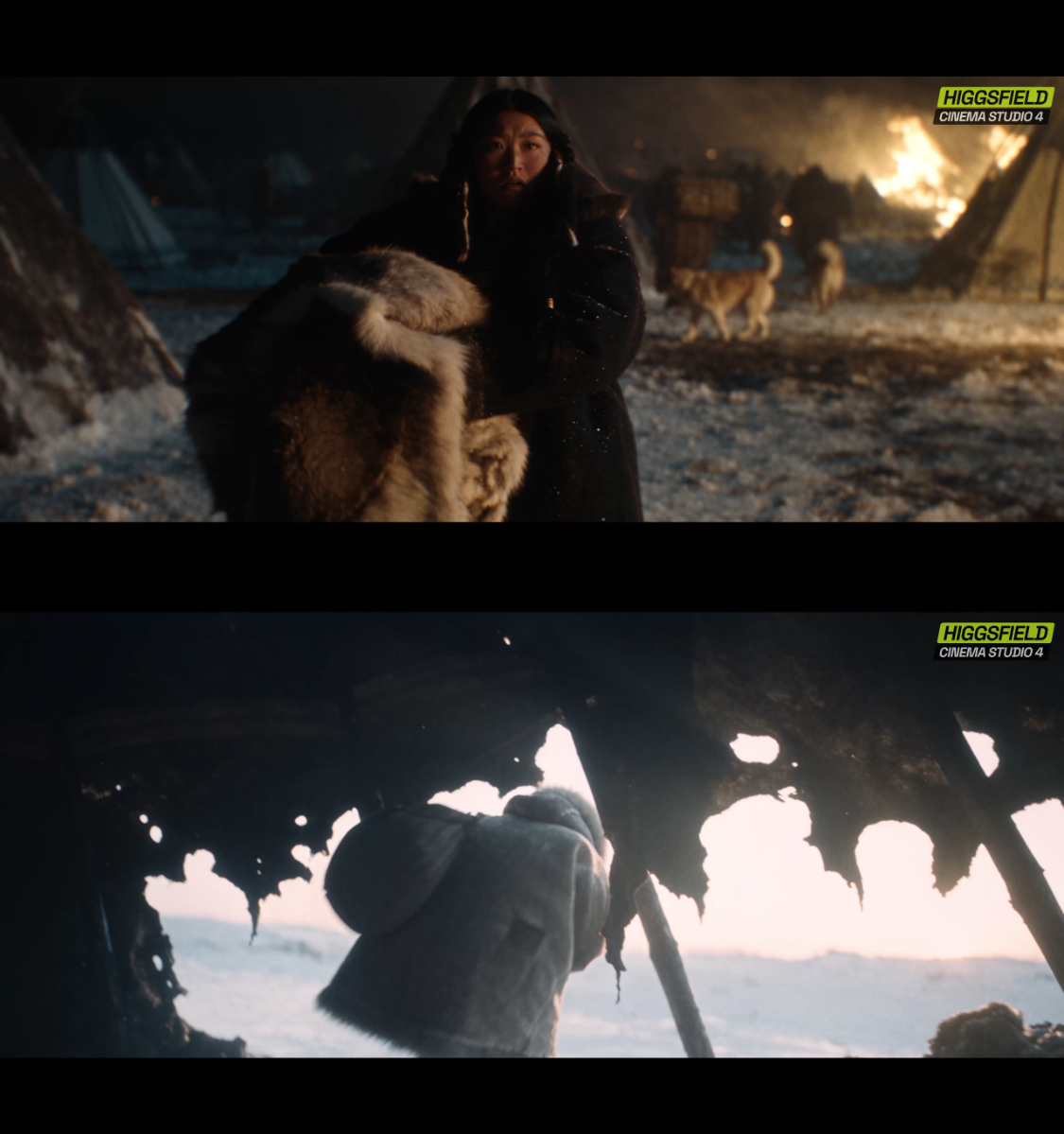
Video Screenshot
At the time of production, an entire body chart of the person is uploaded and generated using a fixed hint template. Checks whether the top is the same face, the bottom dress, the size, and the shoes match; and then, after confirmation, they are used to generate later pictures and videos。
I'm here to demonstrate with my own role。
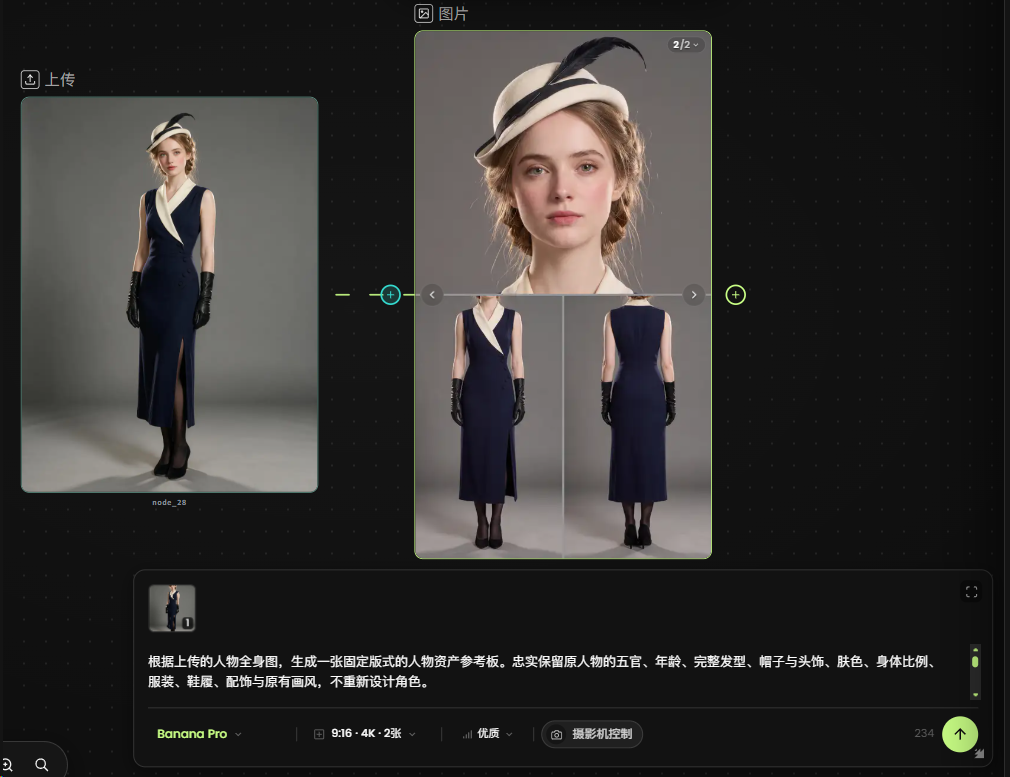
use banana pro-generated
The message template is as follows:
Based on the uploaded body chart of the person, a fixed-format personal asset reference board was created. The five officials, age, whole hair, hats and headscarfs, colour, body ratio, clothing, shoe-tubs, dress and original styles of the original person are kept in good faith and are not re-engineered。
"Specificly defined canvas versus ratio."
The canvas is vertical with a width ratio of 1:2。
THE RATIO OF AREA IN THE FIRST HALF TO THE SECOND HALF IS STRICTLY 1:1: 50%, WHICH IS THE HEIGHT OF THE ENTIRE CANVAS, IN THE FIRST HALF OF THE SECTOR, ONLY A HEAD FEATURE CONTAINING THE FULL HAIR, HAT AND HEADER. THE SECOND HALF OF THE AREA COVERS 50% AT THE HEIGHT OF THE ENTIRE CANVAS AND DISCHARGES A FRONT, BACK BODY VIEW。
THE HORIZONTAL DIVIDING LINE SHALL BE IN THE MIDDLE OF THE TOP OF THE CANVAS HEIGHT, I.E. 50%, AND NO CHANGES IN THE SIZE OF THE UPPER OR LOWER AREA SHALL BE PERMITTED。
In the second half of the district, it's the same
THE LOWER LEFT FRONTAL BODY CHART REPRESENTS 251 TP3T OF THE ENTIRE CANVAS AREA. THE LOWER RIGHT SIDE BODY CHART REPRESENTS 251 TP3T OF THE ENTIRE CANVAS AREA。
Ultimately, there are only three strict views: full head close-ups above, lower-left head, lower-right back body。
A HORIZONTAL LINE AT THE HEIGHT OF 50% AND A VERTICAL LINE ONLY IN THE MIDDLE OF THE LOWER HALF. THE VERTICAL LINE SHALL NOT EXTEND TO THE FIRST HALF. DO NOT ADD OTHER PICTURES, AND DO NOT SET A WIDE BORDER OR WIDE SPACING。
Top half: positive close-up of the full head
People are looking at the camera, their heads are right, their eyes are open and their faces are relaxed。
The first half of the area presents a “head feature with full hair, hat and head covering”, not only a local face feature of five officials, but also an ordinary half-shot。
The view must include:
The highest point of hair, hat or head covering
Full head contour on both sides of the right and the right, the hair contour, and the outer edge of the cape or head covering
Full forehead areas, eyebrows, nose, lips, cheeks and chins。
The forehead, ears, etc., are kept as they were if they were originally covered by hair or hats and were not forced out。
When a person wears a hat, he or she displays the top of the hat, the hood and the original decoration; when he or she does not wear the hat, the hair on the head, the volume and the contour of the hair. No new hat may be added, removed or reduced, no hair may be flattened, and no place to wear may be changed to fit。
Head Zooming and Precision Rules
The head, hair, hat and header are treated as a complete subject, scaled as a whole in the original proportion. This subject is amplified to the extent possible, provided that all outer contours are fully integrated into the upper half。
Zooms in to the top of the body, the outermost or the lowest point, and stops when a side closes to the edge of the partition, and retains a small amount of visible security. The whole subject shall not be exposed, crossed or circumscribed by the edge of the partition。
Integrity takes precedence over face cover:
If the hat is higher, the hood is wider, the hair is loose or the hair is prominent, it should be properly pulled out to accommodate it in its entirety and should not continue to magnify the face and cut off the hat, head or hair. There is no requirement for “head to chin to top” and no requirement for cheeks to hold to the left and right edges。
Retain the natural head-face ratio of the original person, do not stretch his face, do not stretch his head, do not shrink his hat, do not compress his hair and do not fill the picture with local deformation。
The head is in the middle and the meaningless background is reduced. Do not retreat to a vision, an ordinary half-shot or a chest image in order to preserve the whole head。
The lower chin retains only a small number of necks necessary. If long hair, braids or crumbling heads extend below the chin, their natural contours should be presented in their entirety and a small number of neck shoulder areas may be retained as required, but the chest or large body parts may not occupy the first half. No short, long or altered hair。
"Face and hair details."
The precise preservation of the profile of the reference person, the five official proportions, age, colour, hairline and the original facial features, the absence of a change of face, the non-change of age and the addition of new tattoos or decorations。
Increase the clarity of facial details in the complete head map and do not express details by further cutting the head, hat or chin。
For the real person, it's a natural human image
The nose, nose and cheeks retain small, obscurantized, natural pores; the eye, forehead and lips retain age-appropriate fine texture. The skin has a slight natural change, the skin reflects light, does not overwhelm the skin and does not display wax or plastic。
The pores should be smouldered with natural changes in the face, not exaggerating into large holes, and not using noise or excessive sharpness to impersonate real details。
Eyebrows and eyelashes vary in their natural growth direction, length and trichoming; they are skin-sweed micrograms and do not add beards to space。
The hair is co-ordinated with a partial and independent hair, with a natural transition between the hairlines and a small number of fractures consistent with the original hair type. Do not paint your hair as a solid piece, plastic sheet or as hard a line。
Hats and headscarfs faithfully express the original material, structure, seams and decorations and add no unauthorized details。
All details are coordinated with the original pattern of the reference. It does not refer to the fact that it does not force the skin texture and does not change the visual style of the role。
SECOND HALF: ON THE BACK OF THE BODY OF 50%
On the left is the front body of the same person and on the right is the back body of the same person after 180 degrees。
Both body views omit the head and show only shoulder, neck and soles. The neck and shoulder structures are naturally intact, with no face, hair or head model in the second half of the area and no bloody fractures. The hat and head coverings are presented in the first half of the area and are not placed in the second half。
The person is naturally standing up, with his arms slightly removed from his body, his hands relaxed and his legs standing up. Full display of clothing, hand, pants or skirts, and shoes, with no cut of shoulders, fingers or soles。
THE BODY ON THE BACK IS EACH AT ABOUT 901 TP3T, THE HEIGHT OF THE LOWER HALF. THE TWO ARE PRESENTED AT THE SAME SCALE, WITH THE SHOULDER, WAIST, KNEE AND SOLE HEIGHTS CORRESPONDING TO THE SAME HORIZONTAL LINE. MAINTAIN THE NATURAL BODY RATIO, NOT STRETCHING, NOT COMPRESSING。
The backs are placed in their respective areas without crossing the line of separation and without covering one another。
Clothes styles, colours, materials, lengths, adhesives and accessories that are fully consistent on the back. The back structure, which is not shown in the original map, is based on a reasonable continuation of the visible clothing, without the unauthorized addition of the pattern, text, backpack or other decorations。
"Stands the Grey Bottom and Three Points."
The three views used a clean, neutral grey studio background, with no scenery, no texture, no visible gradient。
A uniform three-point light:
The main light is located at approximately 45 degrees above the eye and shapes the face and the size of the dress in the person ' s left front。
The light is in front of the person ' s right, is less bright than the main light, soft and fills the shadows and keeps the details。
The contours are located above the person, with a slight strangulation of the hat, hair, shoulder and edge of the clothing, separating the subject from the grey background。
The face under the hood is kept in a natural shadow, while the eyebrow and skin details are kept, and the hat is not removed, the hat is lifted or the dress is changed in order to shine on the face。
The three views are consistent in light and exposure, do not use colour light, do not show strong exposure or large shadows of death, and preserve the style and material quality of the original map。
"Assisted."
1. THE WIDTH RATIO OF THE CANVAS IS STRICTLY 1:2 AND THE TOP-DOWN AREA IS STRICTLY 501 TP3T, WITH NO CHANGE IN THE FIXED LAYOUT。
2. Only one full head feature with full hair, hat, head and chin above shall be retained。
3. Based on the overall exterior of the full head and its wearing, the scaling is scaled up to the extent possible, without being adhesive。
It is strictly prohibited to cut off the head, hood, head, hair or chin; it is strictly prohibited to display only the partial face of the “lower to central forehead”。
5. The facial size shall be subject to the full head accommodation requirement and shall not be magnified by cutting, crushing or changing the hair and hat size。
6. Maintaining a close-range head display above, without retreating to a normal half-shot and without a large area of chest or torso。
7. Only the front, back, and shoulder, clothing, hand and shoes are intact below。
8. The head above and the body below use their own separate representation; the proportion is the same between the body under the right back。
No side view, additional person, local magnifying frame, text, number, title, watermark or decoration shall be added。
III. Scenario assets: understanding the snow before deciding how to shoot it
From the production of Higgsfield ' s " Anerneq " case, one approach could be to prepare the scene itself with a clear picture of the scene, without rushing to add background fissures, lens malformations and film particles。
In two steps。
The first step is to generate a clean map of the scene。
For example, snow scenes are made, first to make the terrain, snow and distant environments visible, so as to preserve the natural light and materials without superseding the visible lenses。
It's “clean” here to see the scene, not to make it undetailed。
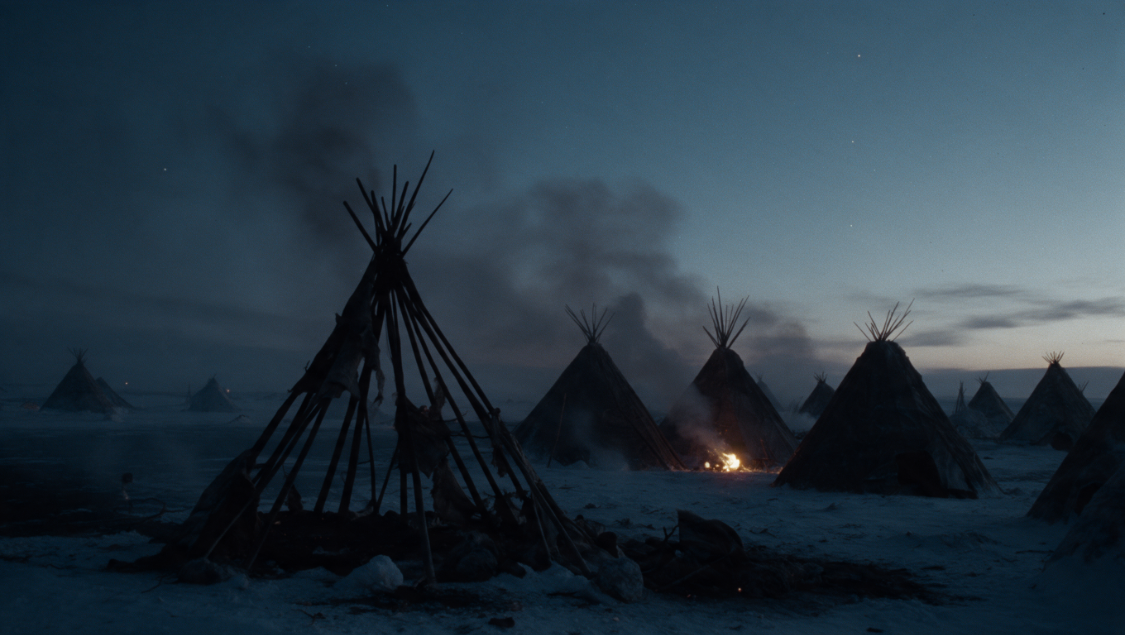
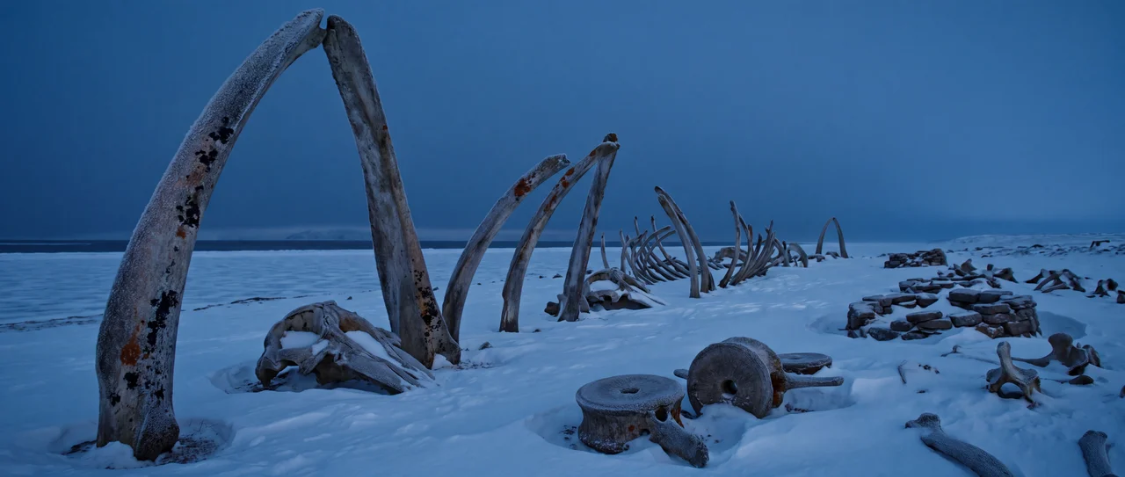
The second step is to use a hint to control the lens effect when you generate a video。
After the identification of the person, action and scene, the video message is supplemented by the following:
Image Mass: Real 65 mm wide screen deformation film, drawing 21:9 factual style, very real and unrendered; finely flowed film particles, light lumber, very shallow depths - clear hands and faces, vandalized visions; high light uncontrollable, dark and soft; low saturated and restrained colours, soft and warm yellow。
Sound: The whole journey uses only the sound of the scene, from the first to the last frame - the whirlwind of the wind and snow flow, the sound of her walking far, the sound of her bonfire's low cracking, the squeaks of her fur sleeves when she stomps her hands, the small squeaky squeezing of her skin close to each other, the sound of her father's hurried breath, the sound of her soft breath. It is absolutely forbidden for any music to be music-- no music, no environment, no music at the beginning. There is no voice, no whistle, no subtitle, no text in the image。
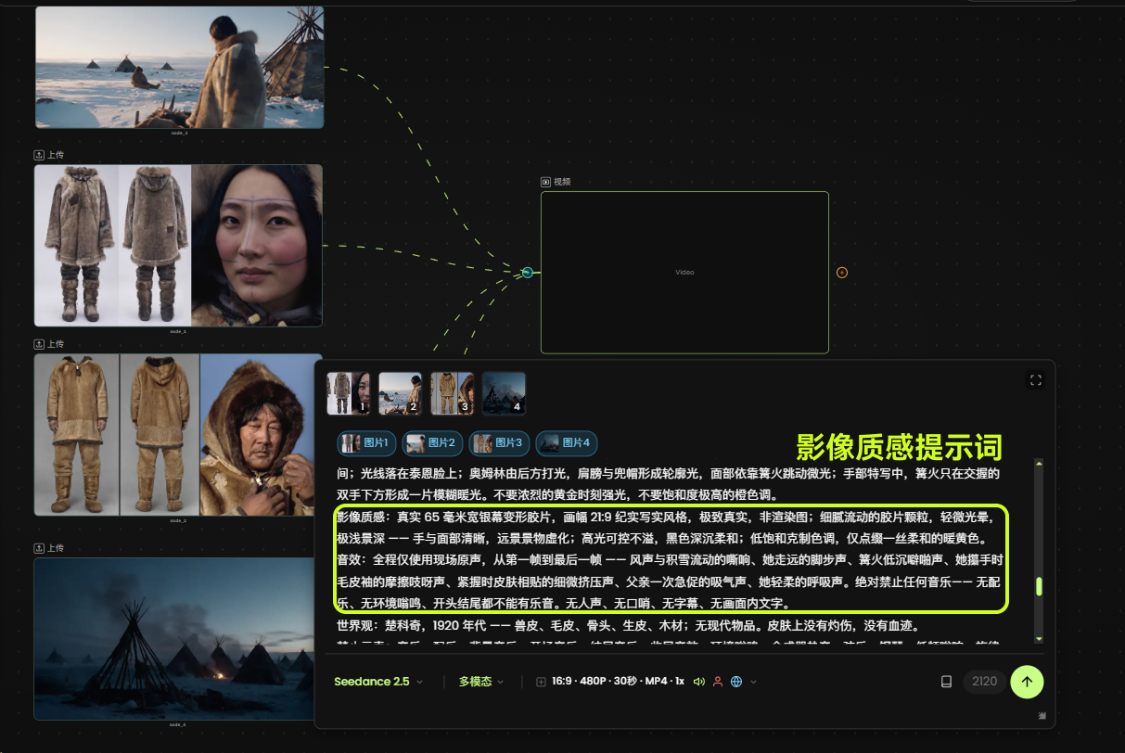
These effects are selected on an as-needed basis and need not be added in full at each time。
In this way, the same scene can be used with different lenses. In order to change the degree of deflation or film quality, video alerts can be adjusted so that scene preparation and lens effects have clear control positions。
iv. The props will be used, so you have to write how to change
The props look normal when they are still, but they move easily. For example, when the glass pours water, the shape changes, the envelope opens and the size is changed, and the tool disappears as soon as it touches the hand。
In writing this kind of footage, two things need to be explained: which parts of the props will remain unchanged and which places will change when used。
Anerneq had a fire recovery process: the woman had to process the material, then place the wooden plate, the drill and the top support, and then pull the bow. She was cut in the back with her hands holding the flame, nearing the blow, and the flame appeared, and she was shot at the face of the fire。
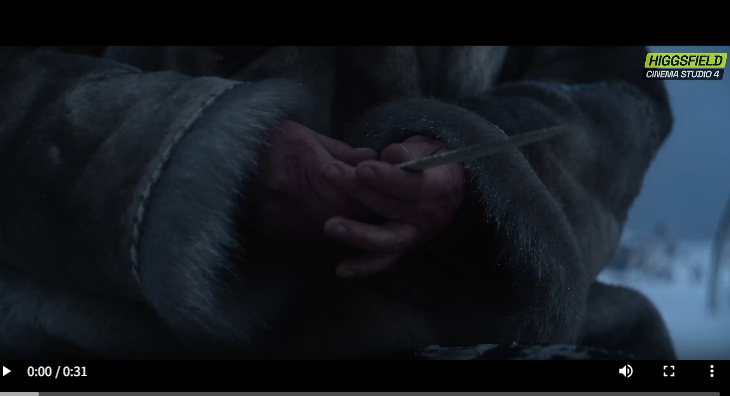
The focus of this paragraph is to show the audience how things happen. When making their own lenses, they can also be prepared in three states: before, during and after use。
For example, fire recovery tools are used to confirm the shape of the planks and drills; the same position is represented in use by friction, shredding or thin smoke; and the focal marks at the point of contact are maintained after use. The planks in the three states should still be the same one, with no changes in pore, length or material。
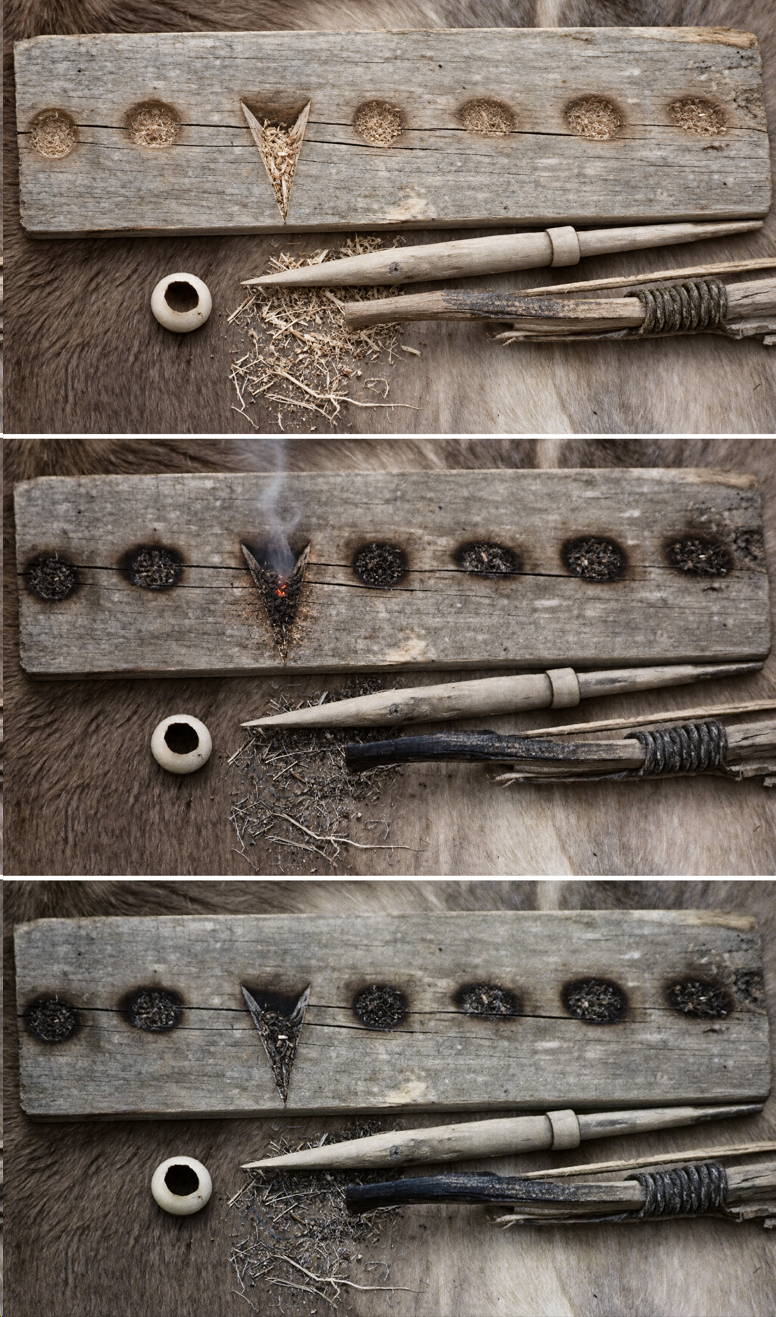
If multiple status maps are uploaded, use is specified in video alerts
"THE FIRST REFERENCE TOOL SHAPE, THE STATE IN THE SECOND REFERENCE OPERATION, AND THE MARKS AFTER THE THIRD REFERENCE USE." AND TELL AI WHERE THIS SHOT STARTS AND ENDS。
This approach also applies to everyday subjects。
For example, in the case of a fire set, three reference maps can be prepared in advance: When it was not lit, the head material was complete; when it was burned, there were flames and burn marks on the head; when it was extinguished, the head was black and left residual material after the burning。
The three maps retain the handles, binding methods and materials of the same torch and change only the state of use. When you generate a video, indicate which state the current lens refers to。
V. Video preview
A SIMPLE ANIMATED PREVIEW CAN BE MADE WHEN PEOPLE MOVE, WHEN PEOPLE INTERACT OR WHEN THEY MOVE MORE COMPLICATEDLY. LET'S SEE HOW THE PERSON MOVES, HOW THE CAMERA SHOOTS, AND THEN GIVE IT TO AI TO GENERATE THE FINAL IMAGE。
We can do this with Codex connecting to Blender. After the connection, the scene, the location and the movement of the person are described in text, allowing Codex to set up the scene, set up the person model in Blender, and then make action and camera motion。
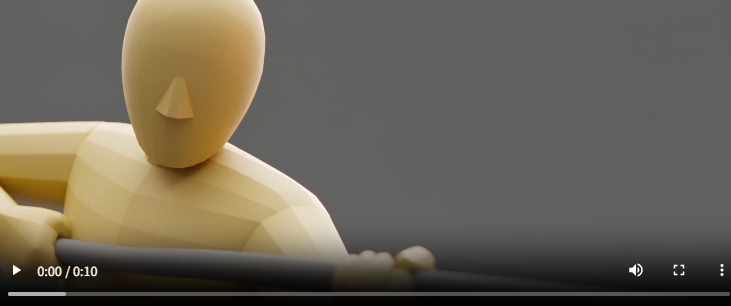
blender model
Following confirmation, animated video is exported from Blender and sent as action reference to Seedance 2.5, which produces the final image in conjunction with the person, scene reference and hint。
In this way, the movement and movement of the person have a reference to animated, and there is no need to describe the entire movement by words alone。
We've done a full demonstration of the operation, the connection, the action making and the export process, and we can see: Codex connects to the Blender making action, and then hand it over to Feedance 2.5。
Six, look natural. Let's make it clear what the person is looking at
MANY PEOPLE WRITE ABOUT PEOPLE WITH “NATURAL AND REAL EYES”. BUT AI MAY STILL KEEP PEOPLE STARING AT THE SAME POINT OR BLINKING。
The requirement can be more specific: where the person looks, when he or she shifts his or her vision, what happens to his or her face。
For example, the image of the young woman Tyne in Anerneq: She lay in a burnt-down house and then sat up and heard the voice of her father outside the house. She did not answer, but responded by turning her head, listening and thinking。
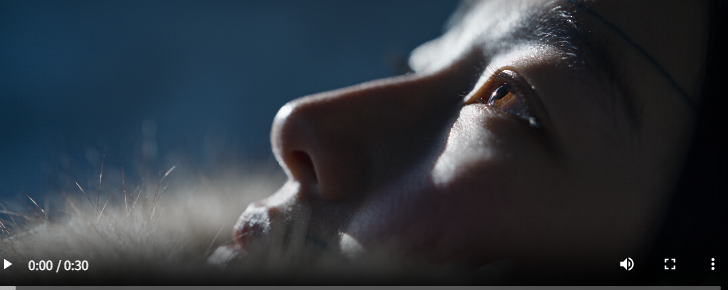
Case Snippet
This part of the introduction could read as follows:
She looked to the side, looked at it, slightly moved her eyeballs and blinked slowly. When she heard the voice of her father outside the house, she stopped and slightly turned her head in the direction of the sound and looked up and listened. Then look down and look down. When you remember your mother, your eyes are softened for a short time, with very slight changes in your mouth and no full smile。
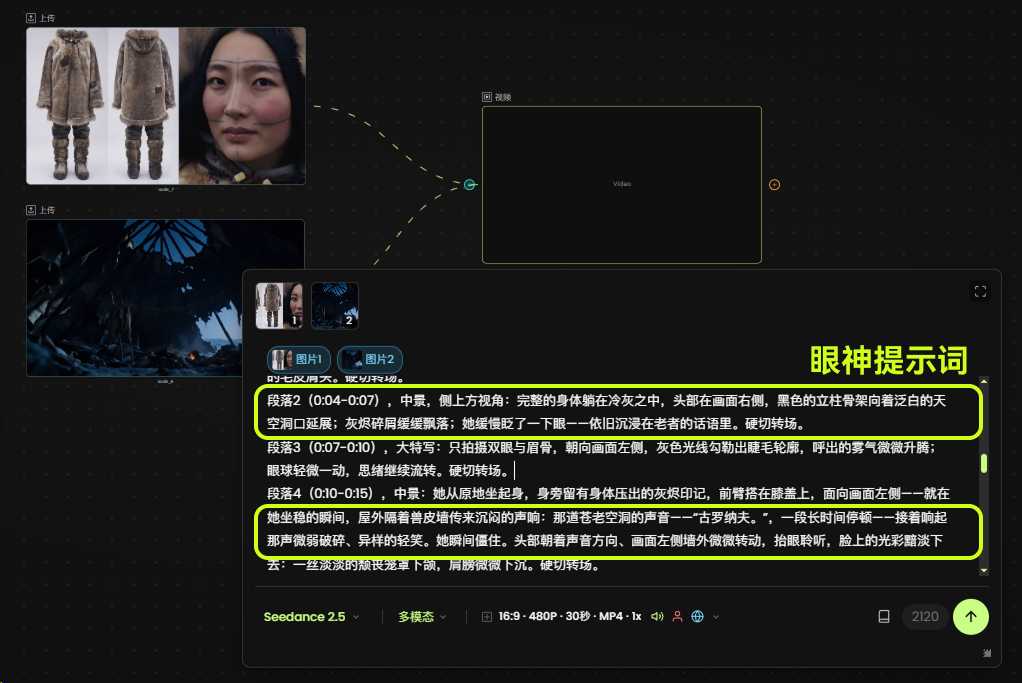
There is no requirement for people to blink and change their faces, but to set out the reasons for each change: to hear the sound, so to listen, and to fall into memory, so there is a slight change in sight and mouth。
Face details do not need to be filled at the same time. Select one or two changes based on the lens, so that the eyebrow and mouth are slightly sequenced and the whole face does not move by the same beat。
When you write about your role, you can also think in that order: what did he notice, how did he react first, and how did his eyes and expressions change。
IT'S EASIER FOR AI TO UNDERSTAND IT THAN TO SAY "NATURAL, REAL."
When there are many, make sure who the audience should see
If everyone is equally aware of what they are doing, it is easy for the audience to know where to look。
First, identify the key person for this shot, then arrange for the position and movement of others. The main character can be closer to the lens, with a clear face; a little bit more ambivalent, a little less action, and, if necessary, a little defunct background。
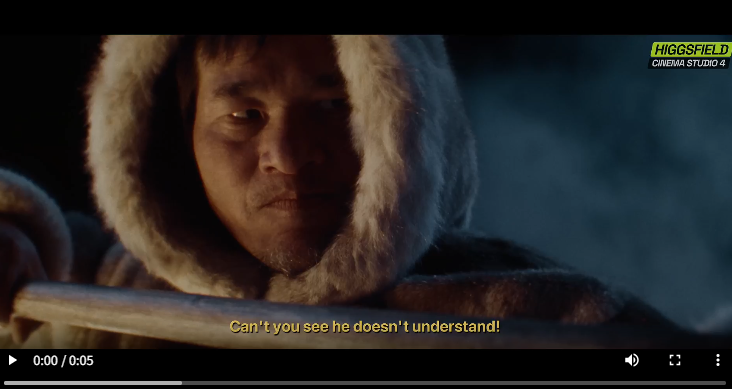
Anerneq provides an easily understandable example of a man in a fur hood with a vision and a warm light on his face; there are crowds and fire behind him, but the person's face is darker and blurred. We look at the man, then at the environment。
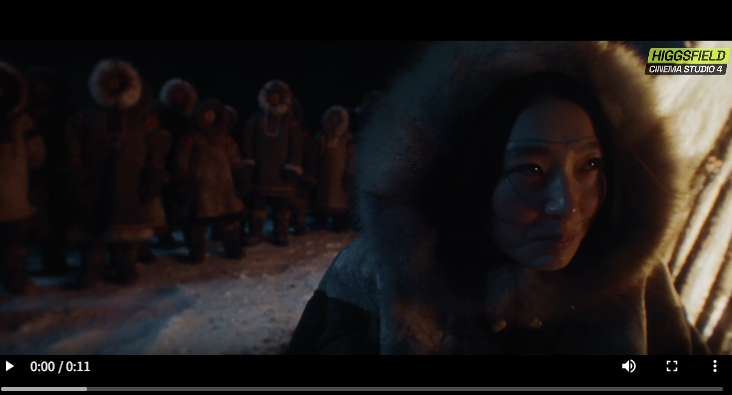
Case Snippet
It's like this:
The focus is on the face of prospective men, and the five officials know it. The population in the rear is slightly debilitated, without highlighting the facial details of the combinations and keeping the profile of the person and the background fire。
The focus is on the clarity of the characters and background figures, so that the picture is clearly focused. If a side effect needs to be seen, take a follow-up shot。
Eight: Don't just write about emotions. Let the characters do what they want
VERY ANXIOUS “SPECIAL SORROW” CAN TELL AI THE EMOTIONAL DIRECTION, BUT IT DOES NOT INDICATE WHAT THE PERSON SHOULD DO. TO MAKE THE SHOW MORE SPECIFIC, YOU CAN ASK FIRST: WHAT DOES HE WANT TO DO NOW
Anerneq has a picture of a woman chasing her father. The father was in front of him, the woman caught up from behind, reached out and held him in his hand, leaned up and begged him to stop. Even without knowing what had happened before, she could see that she wanted to stop the father from going。
Video Snippets
That is a clear operational objective. The rush is manifested through pursuit, pull and plea, and there is no need for frowning or crying alone。
Compare two ways:
Simplicity: Women are very anxious, sad and real。
Specific: The woman found her father moving forward and immediately pursued him, reaching for his upper arm. She looked up to her father and implacably asked him to stop and to remain focused on each other。
The latter text gives the object and the action, and the order. We can't hold them until we catch them, and then we can watch each other plead. Don't put these actions in the same moment。
The same is true for other subjects。
If you wish to hesitate, you can ask the person to reach out and get the letter on the table and stop before you touch it; if you want to leave, you can ask the person to come to the door, stop and look back at the person in the house。
It doesn't have to be much, but it has to do with the current situation. A man who is anxious to find a key can turn over his pocket, look at his desktop and recheck his jacket. It was still not clear to the audience what he was doing by shaking his head, blinking and touching his hair without looking for someone。
And a little time for the response. When the person finds Mars, he or she can stop and confirm, then secure the flame; when he or she is heard, he or she can look at the other and decide whether or not to speak. A proper pause would make the relationship between action and action clearer。
IX. Write a hint into something you can read
When you write video tips, you can answer five questions in turn: who's in the picture, where, what's going to be done, how does the move happen and how the camera is taken。
Once the problem has been identified, a major location is changed. Tools are always blocked, but first they change their angles; first they make up for what a person has to do without a reason; first they are too messy and then they reduce their exercise. Each comparison of the results before and after the change is made, leaving a valid formulation。
Practice may start with one person, a props, an action. Let the audience first see what the characters are doing, then add other roles, complex scenes and style effects. Specific references and clear actions would make the introduction easier to use and modify。