



The news of November 2ndDeepSeek Harness The Team published a long paper on Super-agent architecture exploration on October 31, noting that as models become more and more independent in carrying out individual tasks, bottlenecks in multi-tasking collaboration are turning to attention. The team observed that one person could normally follow only 3 to 5 active sessions, and therefore wanted the system to take over the session management and focus on decision-making and acceptance。
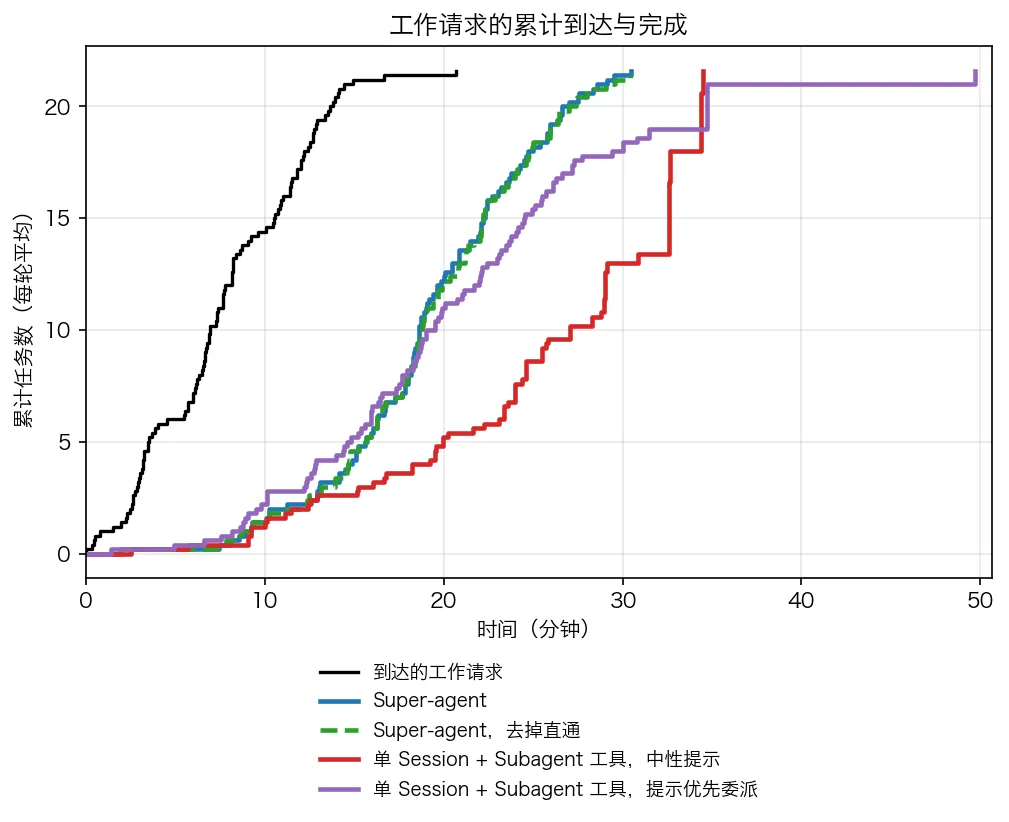
The programme of the team is to divide responsibilities into two levels: a permanent Router, which is responsible for cross-mission coordination and interaction with the outside world, and a task assigned to Worker, which is isolated from the context. Follow-up information on the same GitHub PR or group discussion can be delivered directly to the corresponding Worker to reduce the number of repeat paths; time-consuming tools are running backstage and the front desk continues to receive new instructions。
The article describes the internal example that has been able to move forward on a continuous mission between IM and GitHub, and to identify deficiencies and try to fix them and submit PRs when the group is empty. In order to maintain long-term operations, the team also separates the computation, session status from the performance environment and uses an independent Watchdog to check whether substantive progress has been made。
the team stressed that this was a set of engineering architecture explorations, partially designed to be available in the dsh-suberagent-prototype prototype, which was not an informal product. initial experiments using synthetic loads and simplified environments; context segregation in larger organizations, cross-cutting Agent Collaboration, as well as the risk of infusion of hints and evidence-based disclosure, remains an open issue listed by the team。