



As generative AI reshapes human perceptions of the world and work, there has been a lot of attention paid to whether AI will replace humans, with many predicting that AI will "become conscious" in the future.
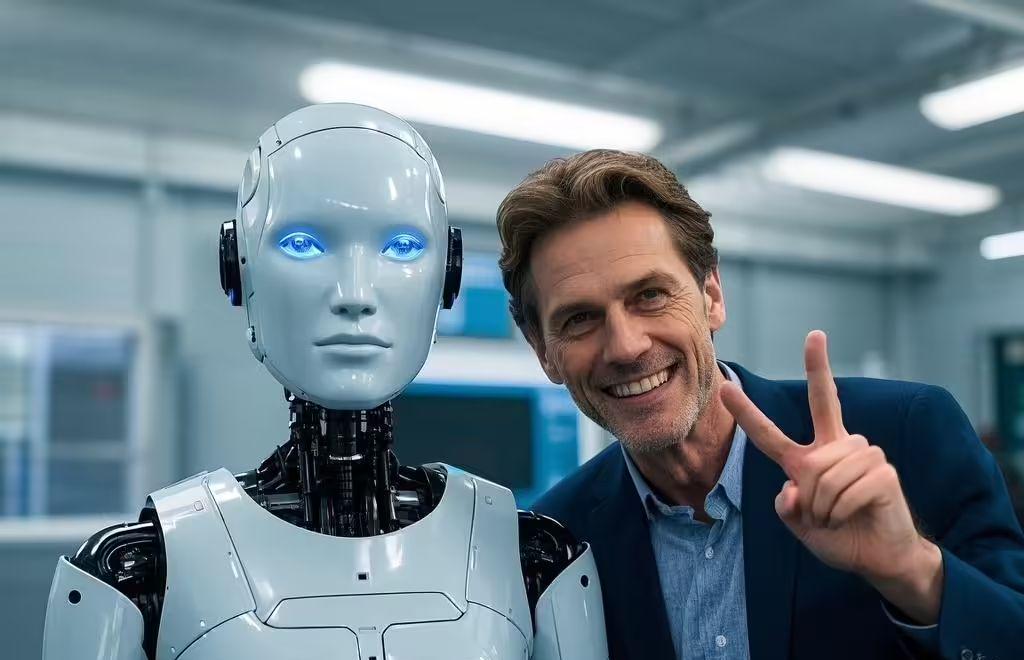
According to a March 26 report by Windows Central, Nobel Prize-winning theoretical physicist Sir Roger Penrose holds a different view. He pointed out that AI can't have a consciousness, a view based on the idea of the Gothamist.Del's incompleteness theorem (Gödel's Incompleteness Theorem).
Notes:Gödel's incompleteness theorem (math.)It consists mainly of two theorems, the first of which is to the effect that for a formal system containing a primitive number theory, if the system is consistent (i.e., thethere is no contradiction), then there exist some propositions within that systemNeither can be proven true nor false.; the second theorem is to the effect that if a formal system containing a primitive number theory is consistent, then its consistency within that system isunprovable.
Penrose explains, "Human consciousness is far beyond the algorithms that AI depends on, and AI Can only follow pre-determined rules, has never been able to break through the limitations. In fact, weMisuse of 'AI'The termbecause it doesn't have real intelligence.AI that lacks awareness can't be called intelligent." As a result, AI can only simulate reasoning and process existing information, but is limited by algorithms that make it difficult to develop true intuition and awareness like humans.