



With the likes of Imagine Dreams, Korin, Conch, Vidu, etc.AI VideoThe rapid iteration of tools and the opportunity for us regular folks to create simple short videos.
However, the works created by most people often fail to accurately express what they have in mind, making it difficult to achieve the desired goal. The two main problems are the lack of a clear understanding of the boundaries of the capabilities of AI creation tools, which are regarded as an all-powerful "Aladdin's Lamp"; and the lack of accumulation of filming knowledge and practical experience.
We can't solve the first problem, but we can give full play to the current capabilities of AI video tools, and with the continuous iteration of the big model, we can make AI video tools more efficient to help creators.
Weaken the second problem through deliberate practice. When watching movies, TV dramas, documentaries, anime, and many other forms of film and television, think about how the images are shot, which requires us to recognize various types of shots; open more AI video tools such as Imagine Dreams, Korin, Conch, Vidu, and so on, and go to mimicry practice.
Frankly, it does take a lot of effort to really recognize and master the various lens languages.
So for you to organize 5 types of lens classification, 58 lens introduction, including explanation, characteristics, effects, media cases, screen examples.
I hope that helps.AI Video CreationIn this way, you can realize your dream of being a director by making AI video tools your true collaborative partners!
(6500 words in full. I trust you're a patient man)
I. Basic lens types (11)
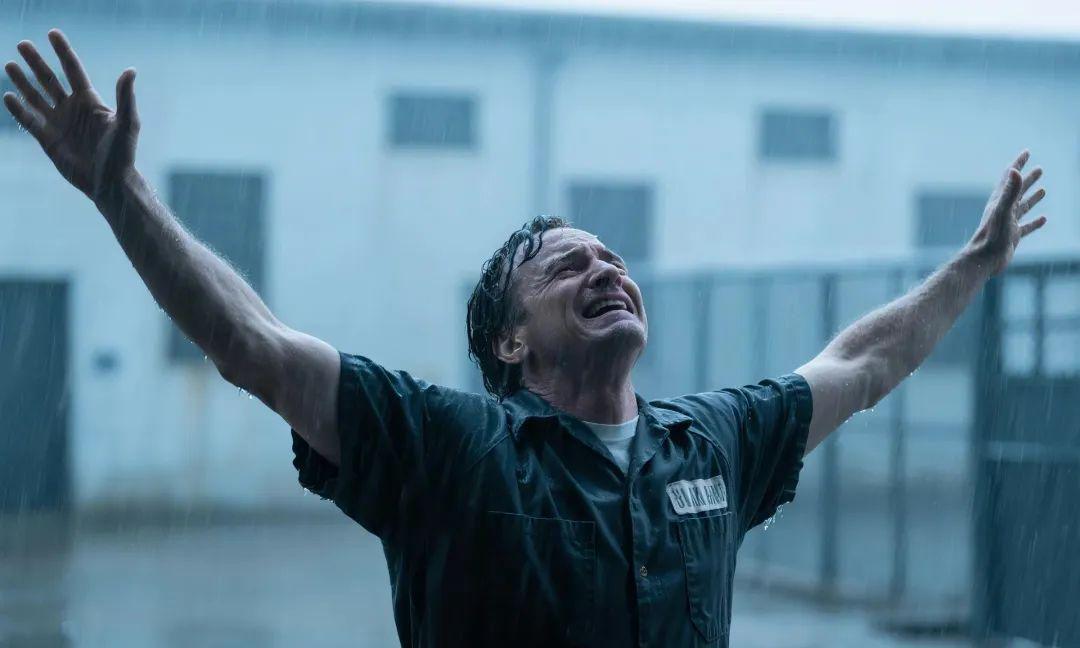
1. Extreme Close-Up
(art) composition: The image contains only the facial details of a person (e.g., eyes, mouth) or a localization of an object.
Features: Extreme magnification to exclude background interference.
effect: Emphasize details, convey emotions, and enhance the audience's sense of immersion.
Case: A shot of Andy stretching his arms out in the rain in the movie "The Shawshank Redemption" shows his expression and emotional release through a close-up.
Example of a screen:
2. Close-up shots
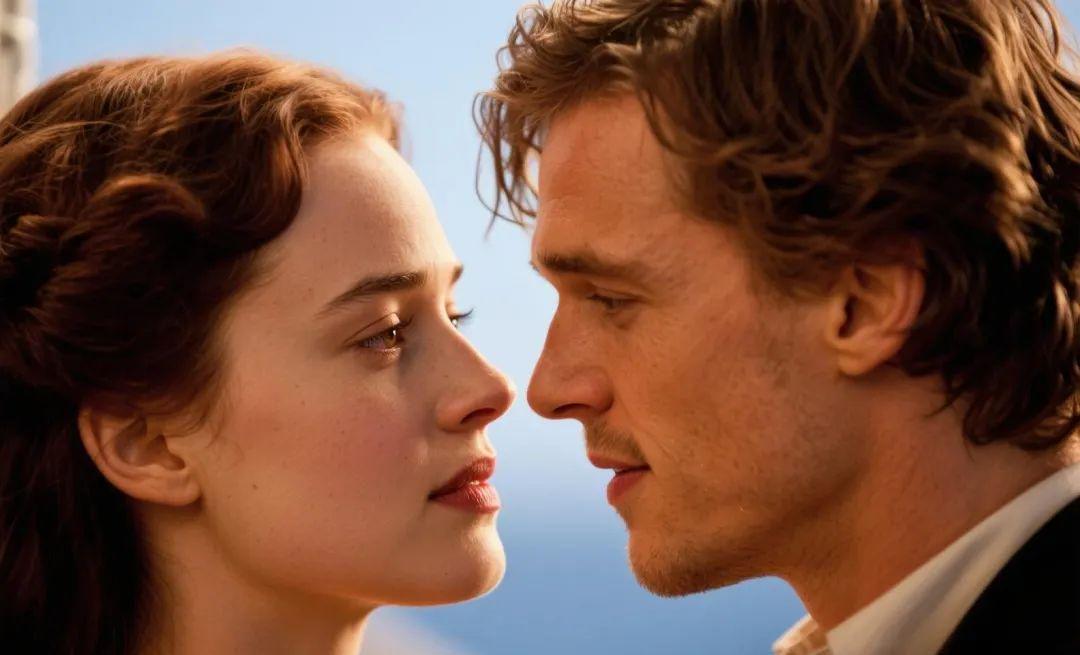
(art) composition: The image contains mainly the head and shoulders of the figure.
Features: Highlight character expressions and emotions.
effect: Bring the audience closer to the characters and enhance emotional resonance.
Case: A close up shot of Jack and Ruth looking deeply into each other's eyes in the movie Titanic shows the emotion between them.
Example of a screen:
3. Medium shot
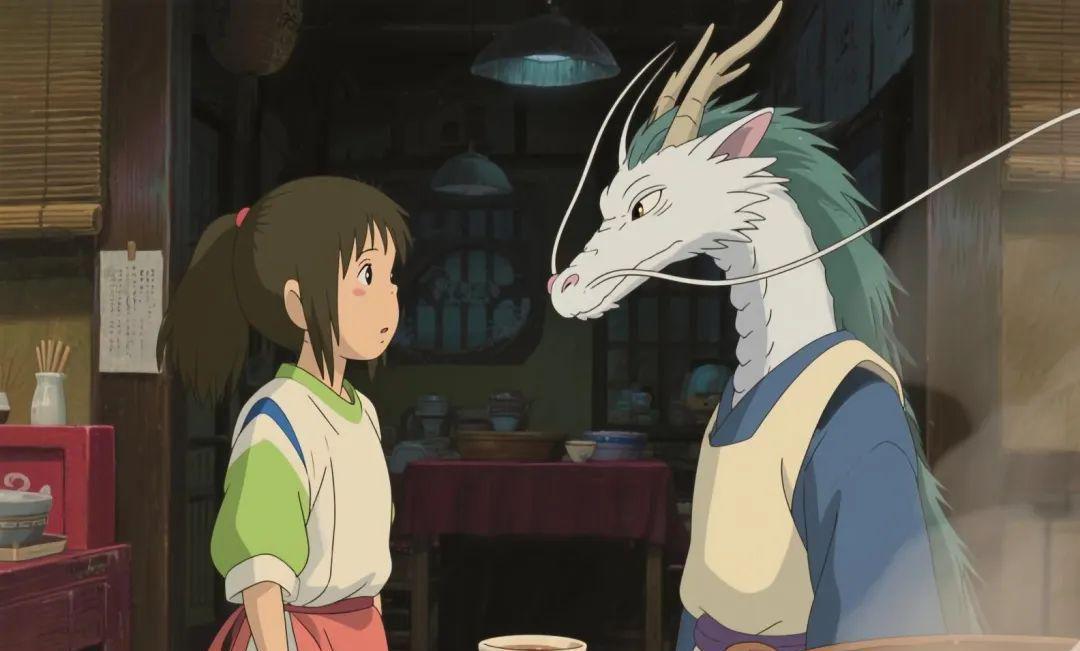
(art) composition: The image contains the upper or full body of the character while retaining some background information.
Features: Balance the characters with the setting.
effect: Ideal for showing character movement and interaction while retaining information about the scene.
Case: In the movie "The Thousand and One", the medium shot of Chihiro talking to Shiryu at the soup kitchen shows both the characters interacting and the mysterious atmosphere of the soup kitchen.
Example of a screen:
4. Panoramic Shot (Full Shot/Panoramic Shot)
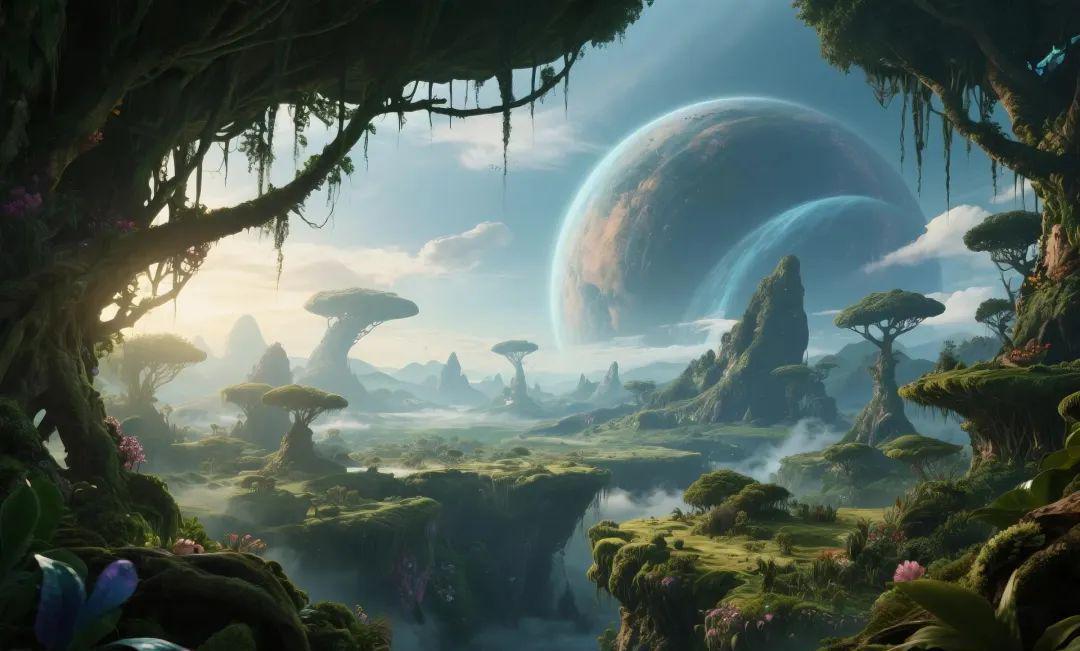
(art) composition: The image contains the full body of the character and the complete scene.
Features: Showing the full picture of the character and the setting.
effect: Establish a sense of spatiality in a scene and show where the characters are located in the environment.
Case: In the movie Avatar, shots showing a panoramic view of the planet Pandora give the audience a sense of the planet's grandeur and fantasy.
Example of a screen:
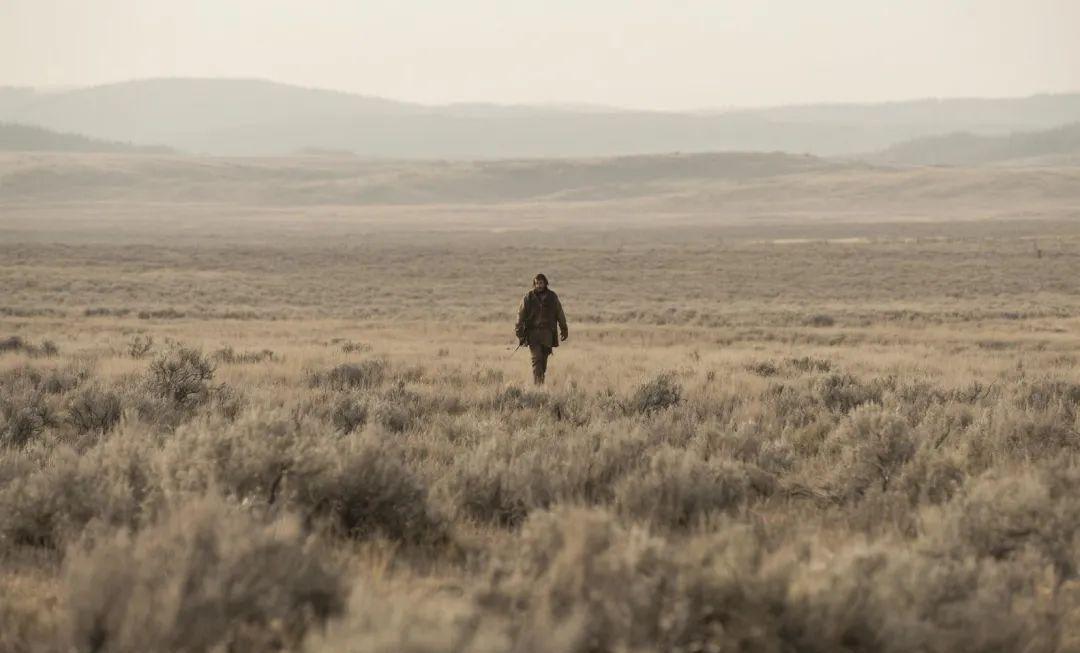
5. Long shot
(art) composition: The figures appear smaller in the picture, focusing on the environment.
Features: Emphasize the sense of environment and space.
effect: Create atmosphere and show the relationship between the characters and the setting.
Case: In the movie "The Wilderness Hunter," a long shot of the protagonist walking in the vast wilderness highlights the harshness of the environment and the loneliness of the character.
Example of a screen:
6. Over-the-shoulder shot
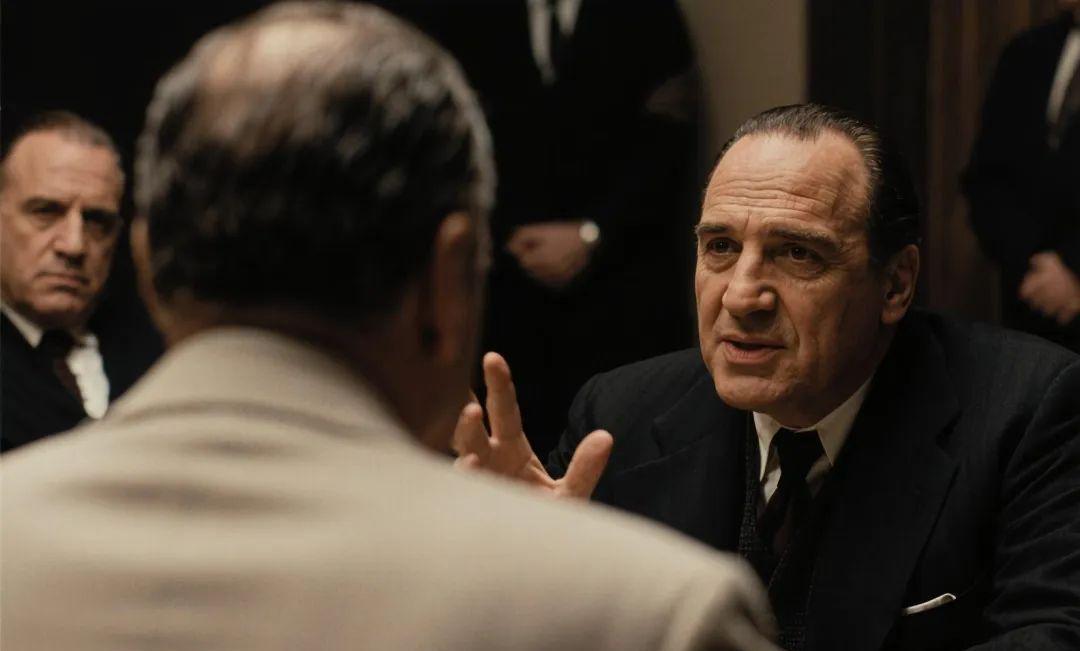
(art) composition: A shot of one character through the shoulder of another.
Features: Simulate the character's point of view to enhance realism.
effect: Create realism in dialog scenes and highlight character relationships.
Case: In the movie The Godfather, numerous dialog scenes use over-the-shoulder shots to show the power relationships and emotional exchanges between characters.
Example of a screen:
7. Bird's-Eye View Shot (Bird's-Eye View Shot)
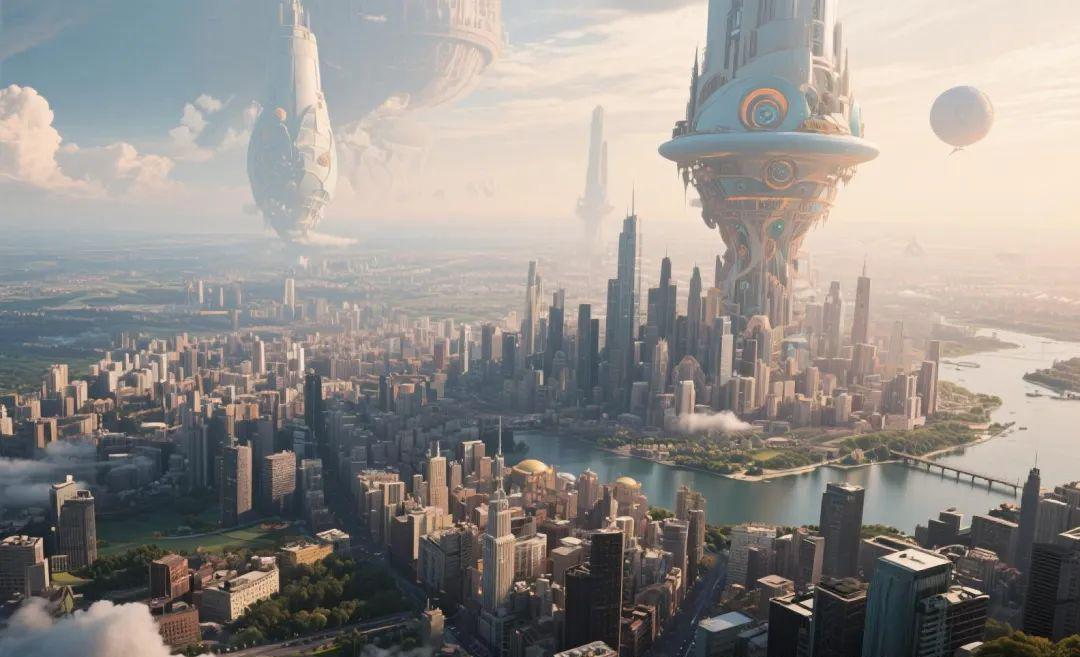
(art) composition: Shooting vertically down from a high point.
Features: An overhead view showing the overall layout.
effect: Show the scene in its entirety to create a macro view.
Case: A bird's eye view shot of the city folded in the movie Inception shows the fantasy and grandeur of the dream world.
Example of a screen:
8. Low-Angle shot (Low-Angle shot)
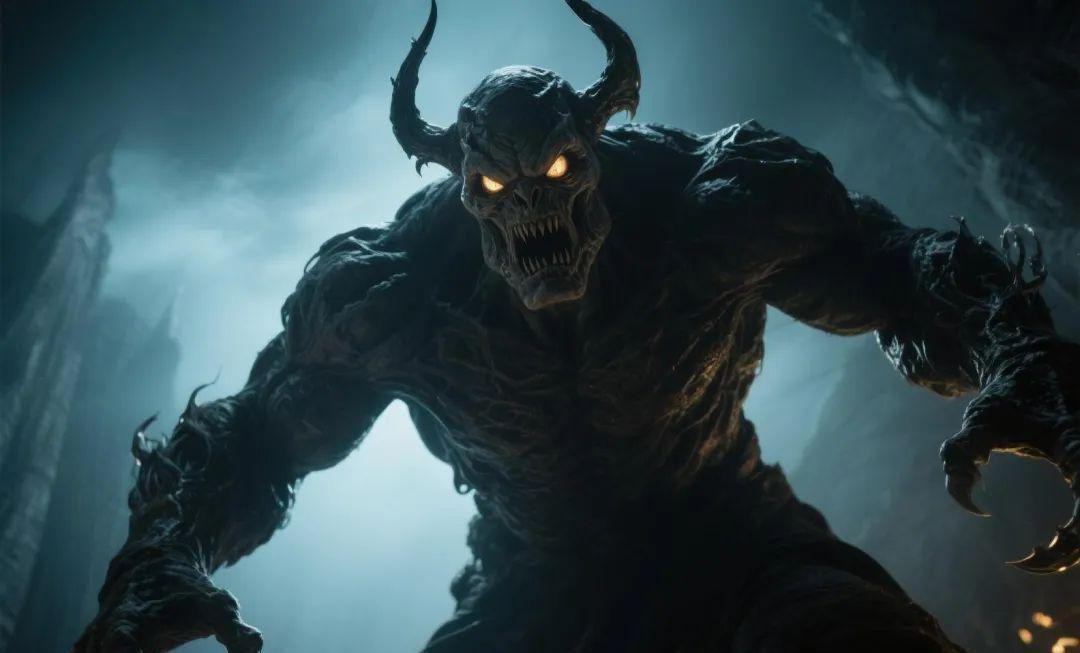
(art) composition: Shooting from a low point upward, looking up at a person or object.
Features: Highlight the subject's height and majesty.
effect: To create a sense of oppression or awe.
Case: In the movie The Lord of the Rings, the low angle shots of Sauron highlight his power and terror.
Example of a screen:
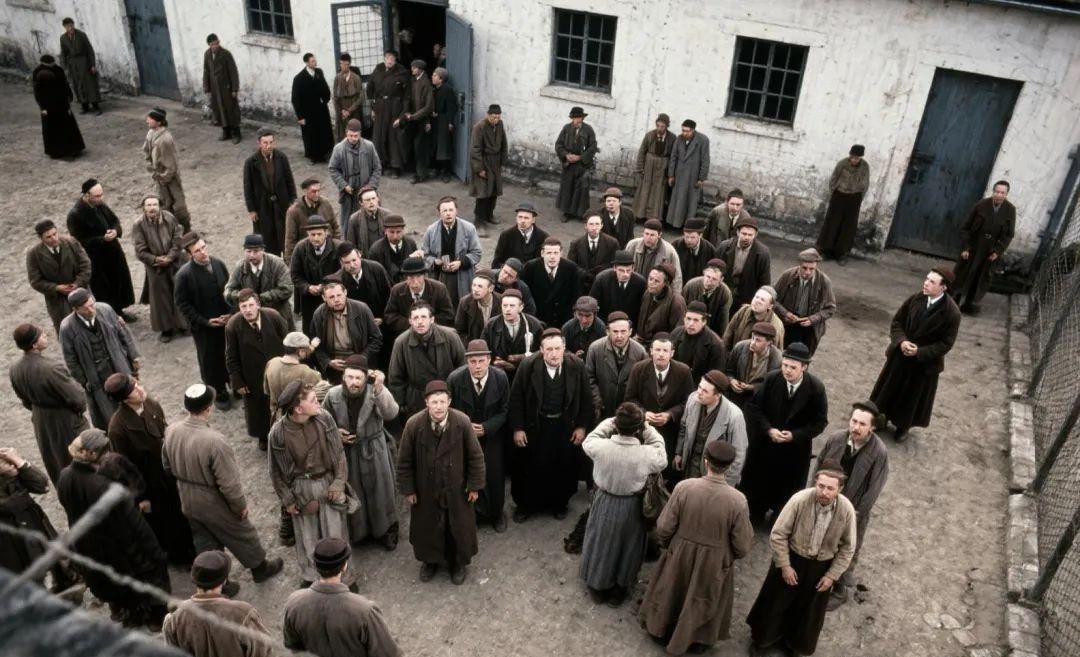
9. High-Angle shot (HAS)
(art) composition: A shot taken from a high point downward, looking down on a person or object.
Features: To make the subject appear small or helpless.
effect: Create a sense of vulnerability or isolation.
Case: In the movie Schindler's List, high-angle shots of Jews in concentration camps highlight their helplessness and desperation.
Example of a screen:
10. Subjective shot
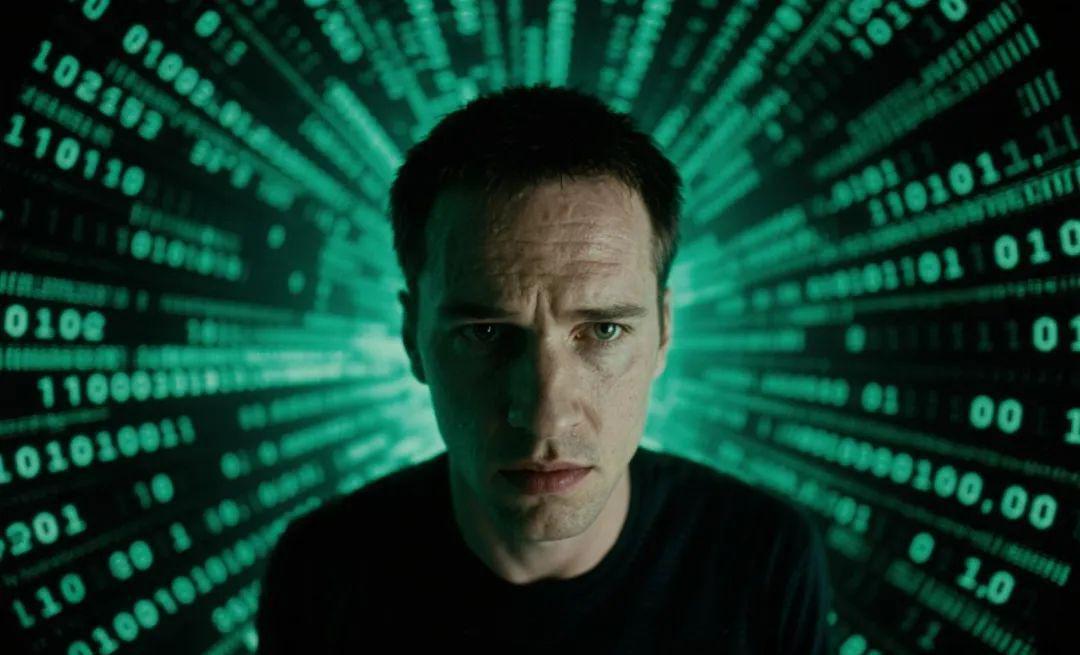
(art) composition: Simulates the subjective perspective of a character.
Features: To give the audience a sense of what the characters are seeing and feeling.
effect: Enhance audience immersion and participation.
Case: The subjective shot of Neo seeing the matrix code in the movie The Matrix leaves the audience feeling his confusion and shock.
Example of a screen:
11. Objective Shot (OS)
(art) composition: Photographed from an observer's point of view, without subjectivity.
Features: Objective presentation of scenes and characters.
effect: Maintain the objectivity and neutrality of the narrative.
Case: In the documentary film Earth Pulse, objective shots of natural landscapes and animal behavior allow viewers to experience nature as a spectator.
Example of a screen:

II. Dynamic shots (12)
1. Pan shot
(art) composition: The camera moves horizontally to shoot.
Features: Show the horizontal extent of the scene.
effect: Create a sense of space and guide the viewer's eyes.
Case: In the movie Star Wars, panning shots showing the interior of a starship give the viewer a sense of the sheer size of the ship.
2. Tilt shot
(art) composition: The camera moves vertically to shoot.
Features: Show the vertical extent of the scene.
effect: Create a sense of space and emphasize height or depth.
Case: The overhead shot showing Hogwarts Castle in the movie Harry Potter shows the grandeur of the castle.
3. Push-pull shots (Dolly Shot/Track-ln/Track-Out)
(art) composition: The camera moves closer to or further away from the subject on the track.
Features: Change the composition of the picture by moving the distance.
effect: Enhances the dynamics of the image and directs the viewer's attention.
Case: In the movie Truman's World, the pushed and pulled shots show Truman's growth from childhood to adulthood
4. Follow Shot
(art) composition: The camera follows the subject.
Features: Maintains the position of the subject in the frame.
effect: Create a sense of tension or urgency.
Case: In the movie The Fast and the Furious, the follow up shots of the car chase give the audience a tense and exciting experience.
5. Circular Tracking shot (CTS)
(art) composition: The camera moves around the subject.
Features: To show the subject in all its aspects.
effect: Creates a three-dimensional feel and enhances the viewer's sense of immersion.
Case: In the movie Inception, the wraparound lens shows the complexity and fantasy of the dream world.
6. Handheld shot
(art) composition: Photographer holding a video camera.
Features: The picture is jittery and realistic.
effect: Create an atmosphere of tension, authenticity or chaos.
Case: In the movie Saving Private Ryan, handheld shots show the chaos and brutality of war.
7. Stabilizer Shot (Steadicam Shot)
(art) composition: Shot with a stabilizer for a stable image.
Features: Smooth motion and stable picture.
effect: Create a smooth and fluid visual effect.
Case: In the movie Dishonored, the chase sequence shot with a stabilizer shows the agility of the protagonist and the fluidity of his movements.
8. Zoom Shot
(art) composition: Changes the range of the screen with the zoom function of the lens.
Features: Quickly change the composition of the picture.
effect: Enhances the dynamics of the image and directs the viewer's attention.
Case: In the movie Citizen Kane, zoom shots show Kane's loneliness and despair.
9. Whip Pan
(art) composition: The camera moves quickly and horizontally.
Features: The screen switches rapidly, creating a blurring effect.
effect: Create tension or switch scenes quickly.
Case: In the movie The Matrix, the dump shot shows the effect of bullet time.
10. Elevator Shot (Crane Shot/Elevator Shot)
(art) composition: The camera lifts vertically to shoot.
Features: Show the vertical extent of the scene.
effect: Create a sense of space and emphasize height or depth.
Case: In the movie Batman: The Dark Knight, elevated shots show the skyscrapers of Gotham City.
11. Aerial footage (Drone Shot)
(art) composition: Using a drone to shoot.
Features: An overhead viewpoint.
effect: Show the scene in its entirety to create a sense of grandeur.
Case: In the movie Transformers, aerial footage shows the destruction of the city.
12. Dutch Angle/German Angle
(art) composition: Camera tilt shot.
Features: The image is tilted to create a sense of instability.
effect: Create a tense, disturbed or distorted atmosphere.
Case: In the movie Notting Hill, the Cape Dutch shot shows the confusion and anxiety of the protagonist.
III. Creativity and special effects (14)
1. Fisheye Lens shot (Fisheye Lens)
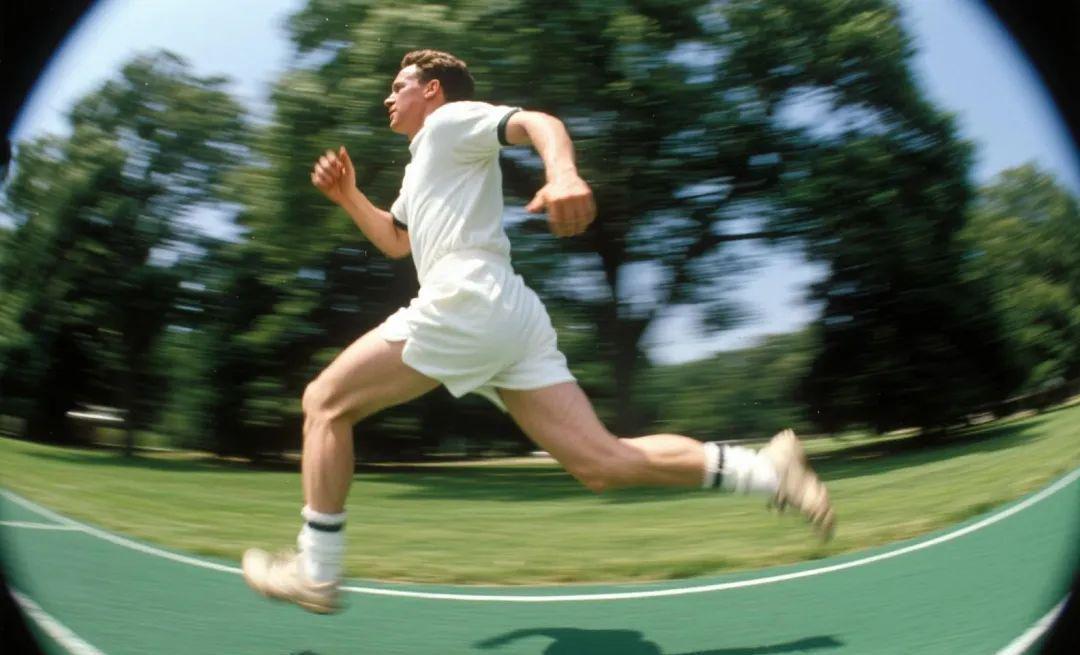
(art) composition: The picture produces a strong distortion effect.
Features: The edges of the picture are distorted and the field of view is wide.
effect: Create fantastical, exaggerated or distorted visual effects.
Case: In the movie Forrest Gump, the fisheye lens shows Forrest Gump running, which enhances the motion of the picture.
Example of a screen:
2. Split-Screen shot (Split-Screen shot)
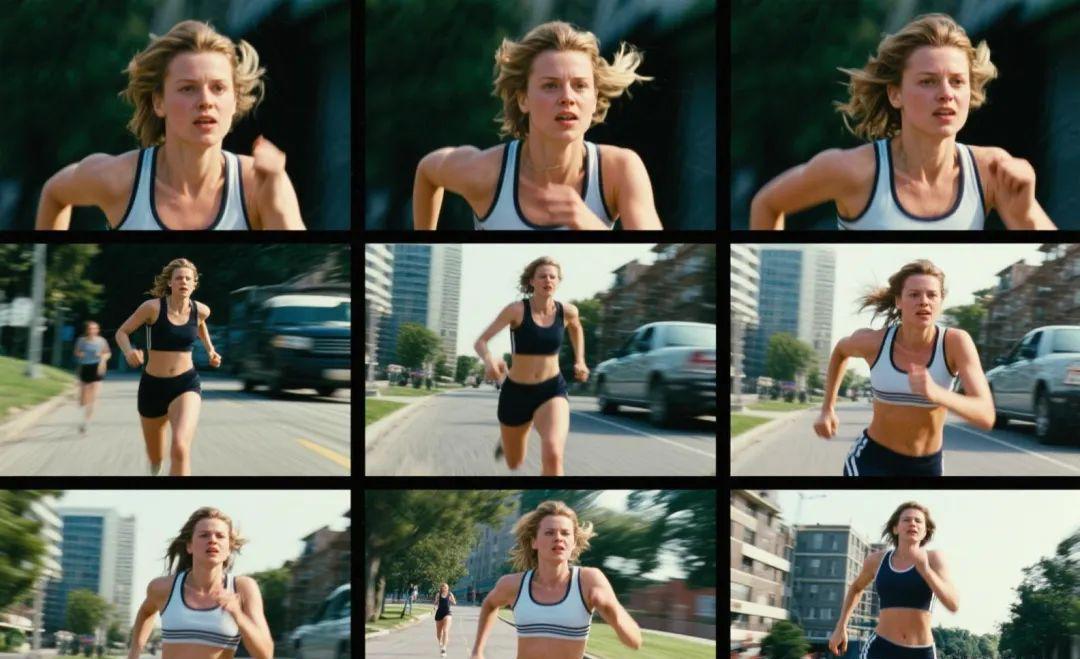
(art) composition: The screen is divided into several parts, showing different scenes at the same time.
Features: Present multiple events at the same time.
effect: Enhance narrative pacing and show multiple strands of storytelling.
Case: In the movie Run Lola Run, split screen shots show Lola running through different scenes.
Example of a screen:
3. Slow-Motion shot (Slow-Motion shot)
(art) composition: The screen slows down.
Features: Highlight details and enhance emotions.
effect: Create a romantic, tense or shocking atmosphere.
Case: In the movie Titanic, the slow motion shot of Jack and Ruth running across the bow of the ship enhances the romantic atmosphere.
4. Time-Lapse shot
(art) composition: The screen speeds up.
Features: Compressing time to show changes over a long period of time.
effect: Create a fast, efficient or fantastical atmosphere.
Case: In the movie Inception, fast-motion shots show the rapid changes in the dream world.
5. Freeze Frame shot (FFS)
(art) composition: The picture stops for a moment.
Features: Highlight key moments.
effect: Enhance the emotional impact and keep the audience coming back for more.
Case: In the movie When Happiness Comes Knocking, the framing shot shows the protagonist running through a subway station, highlighting his hard work and perseverance.
6. Double Exposure shot (Double Exposure shot)
(art) composition: Two images superimposed on each other.
Features: Create a whimsical, dreamy effect.
effect: Enhance the artistry and mystery of the picture.
Case: In the movie Inception, double exposure shots show the fantasy and illusion of the dream world.
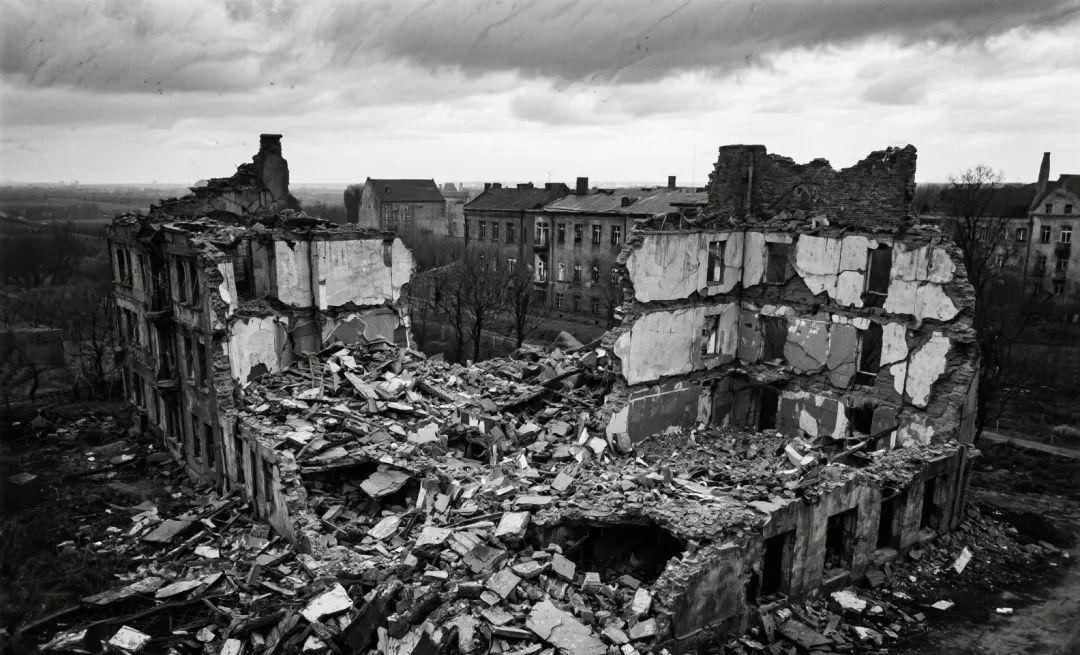
7. Black-and-white shot (Black-and-white shot)
(art) composition: The image is presented in black and white.
Features: Remove color and highlight light and shadow.
effect: Create a sense of nostalgia, seriousness or artistry.
Case: In the movie Schindler's List, black and white shots show the brutality and heaviness of World War II.
Example of a screen:
8. Silhouette Shot
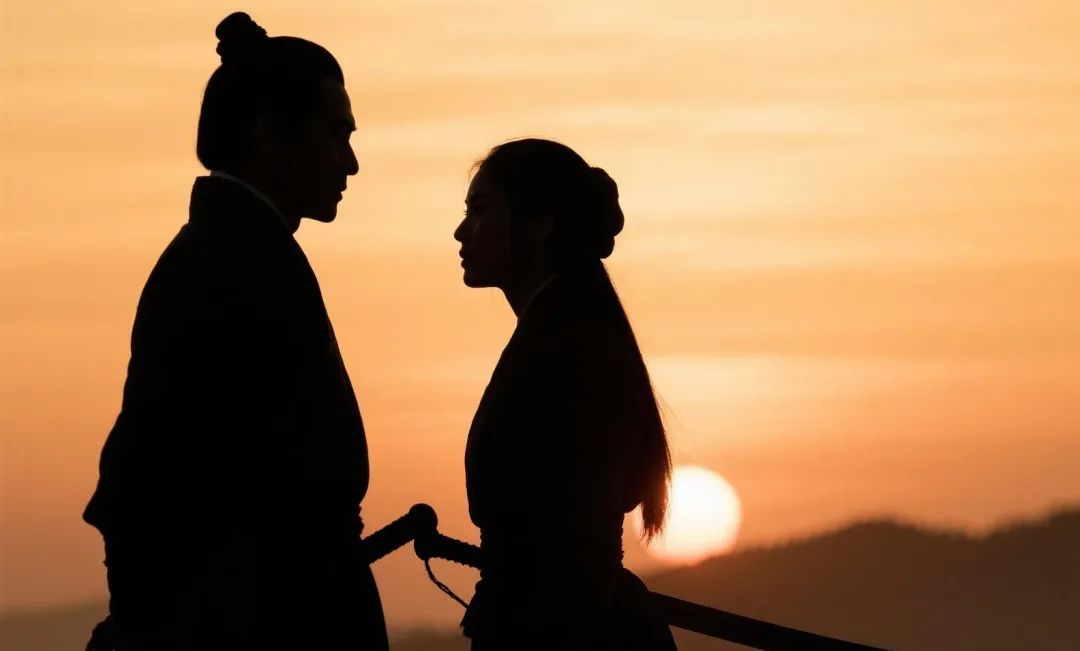
(art) composition: A figure or object presented in silhouette, usually with a strong light source in the background.
Features: Highlight outlines and hide details.
effect: Create a sense of mystery or emphasize shapes.
Case: In the movie Crouching Tiger, Hidden Dragon, the silhouette shot of Li Mu Bai and Yu Xiulian in the setting sun highlights their martial arts image and emotional ambiguity.
Example of a screen:
9. Macro shot
(art) composition: The image focuses on very small objects or details.
Features: Zoom in on tiny things and show the microcosm.
effect: Reveal details that are difficult to detect with the naked eye and enhance the viewer's curiosity.
Case: In the documentary film Microcosmos, the macro lens shows the subtle movements and body structures of insects, allowing the audience to experience the wonders of the microscopic world.
Example of a screen:

10. Out-of-Focus Shot (OFS)
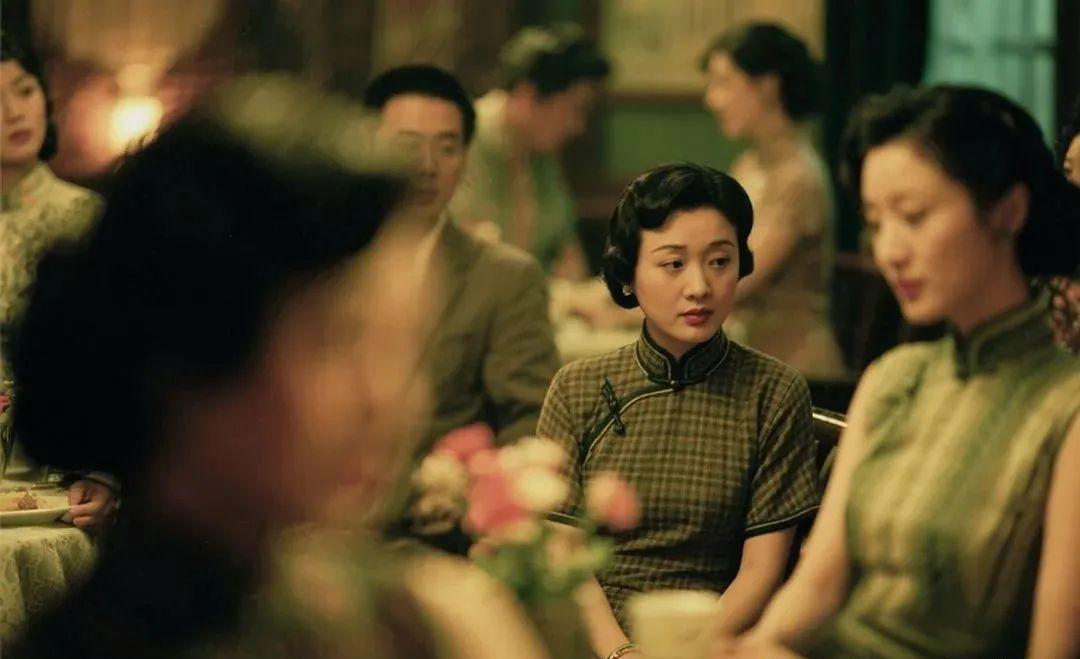
(art) composition: The subject or background of a picture is intentionally defocused.
Features: Highlight the subject and create a dreamy or mesmerizing effect.
effect: Directs the viewer's attention and enhances the artistry of the image.
Case: In the movie "Fancy", many blurred shots show the inner world of the characters and the haziness of their emotions.
Example of a screen:
11. Long Take
(art) composition: A shot is taken continuously without switching.
Features: Maintain time continuity and show realism.
effect: Enhance narrative coherence and audience immersion.
Case: In the movie Birdman, almost the entire movie is shot in long takes, creating a sense of theatrical coherence.
12. Rocker Shot (Crane Shot)
(art) composition: Shot with a swing-arm device with flexible changes in lens height and angle.
Features: The image has a dynamic change in height and angle.
effect: Create a sense of grandeur, showing the full extent of the scene and the dynamics of the characters.
Case: In the movie Harry Potter, the swinging arm lens shows the grandeur of Hogwarts Castle and the fantasy of the wizarding world.
13. Variable speed lens (Slow Motion/Ramp)
(art) composition: The screen speed varies between normal speed and slow motion.
Features: Flexibility in speed changes to highlight key moments.
effect: Enhance emotional impact and visualization.
Case: In the movie "The Matrix," bullet-time shifting shots give the audience a taste of the action.
14. Tilt-Shift
(art) composition: To make parts of the picture out of focus through special lenses or post-processing.
Features: Create the effect of a miniature model.
effect: Enhance the interest and artistry of the picture.
Case: In the movie Inception, the panning lens shows the city folding into a fantasy scene.
IV. Narrative and functional shots (10)
1. Opening shot
(art) composition: Usually a panoramic or distant view that establishes the background of the story.
Features: Provide the audience with initial information about the story.
effect: Grab the audience's attention and set the tone of the story.
Case: The opening shot of the movie The Lord of the Rings shows the grandeur of Middle-earth through a panoramic view.
2. Transition shot
(art) composition: Used for scene transitions, usually distant or close-up.
Features: Smooth transitions that lead the audience to new scenes.
effect: Maintaining Narrative Coherence.
Case: In the movie Inception, the transition shot through the revolving door switches from a reality scene to a dream scene.
3. Reaction shot
(art) composition: Usually close-ups or close-ups that capture the reactions of the characters.
Features: Demonstrate the inner emotions of the characters.
effect: Enhance the audience's emotional resonance with the characters.
Case: In the movie Titanic, the reaction shot of Ruth learning of Jack's rescue shows her joy and excitement.
4. Action shot
(art) composition: Focus on the action of the characters.
Features: Dynamic and fast-paced.
effect: Create an atmosphere of tension and excitement.
Case: Action shots of car chases in the movie The Fast and the Furious, showing speed and passion.
5. Dialogue shot
(art) composition: Usually a medium or close-up view showing characters in conversation.
Features: Highlight character exchanges.
effect: Move the plot forward and show character relationships.
Case: Numerous dialog scenes in the movie The Godfather show the power struggles and emotional entanglements between the characters.
6. Flashback shot
(art) composition: Presenting scenes from the past by way of reminiscence.
Features: Reveals a character's past or background.
effect: Enriching story layers and enhancing narrative depth.
Case: In the movie Forrest Gump, Forrest Gump's childhood and upbringing are shown through flashback sequences.
7. Symbolic Shot
(art) composition: To symbolize some meaning through a particular object or scene.
Features: Rich in metaphors.
effect: Enhance the depth and symbolism of the story.
Case: In the movie The Shawshank Redemption, the shot of Andy with his arms outstretched in the rain symbolizes his freedom and rebirth.
8. Empty shot
(art) composition: There are no characters in the picture, only scenes are shown.
Features: Create an atmosphere that highlights the environment.
effect: Enhance the mood and emotion of the story.
Case: In the movie "The Thousand and One", empty shots show the mystery and solitude of the soup kitchen.
9. POV shot (Point-of-View shot)
(art) composition: Simulates the subjective perspective of a character.
Features: To give the audience a sense of what the characters are seeing and feeling.
effect: Enhance the audience's sense of immersion.
Case: The POV shot of Neo seeing the matrix code in the movie The Matrix leaves the audience feeling his confusion and shock.
10. Closing shot
(art) composition: Usually a panoramic or distant view that summarizes the story.
Features: To conclude the story.
effect: Reinforces the theme of the story and leaves a lasting impression.
Case: The closing shot of Andy on the beach in the movie The Shawshank Redemption symbolizes his freedom and new life.
V. Technical and stylized shots (11)
1. Deep Focus shot (DFS)
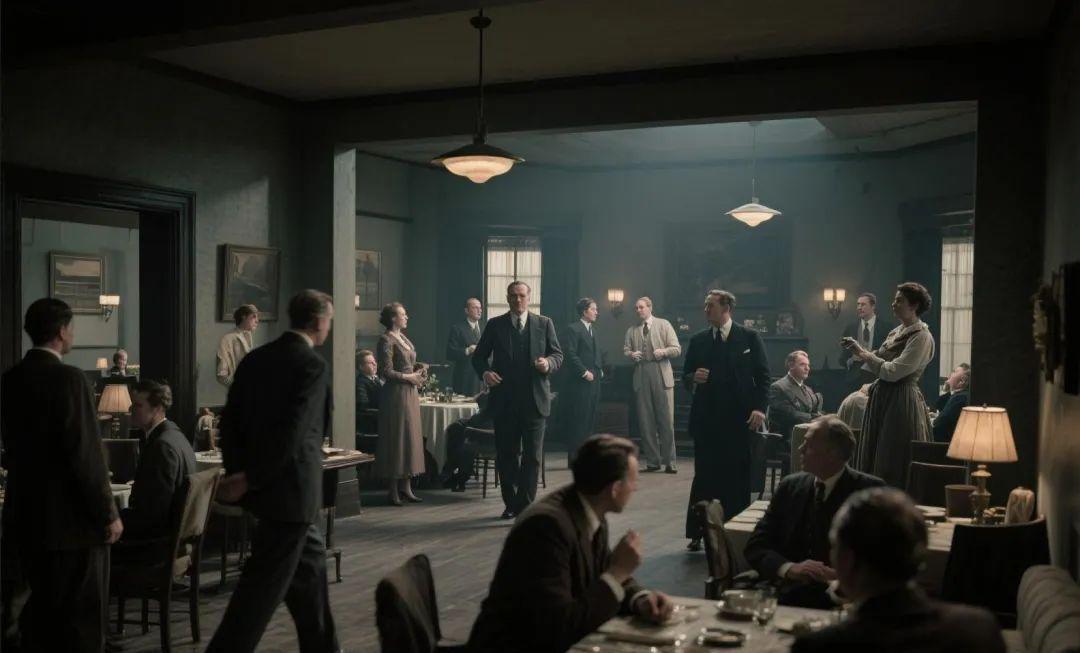
(art) composition: The image is clear in the foreground, midground and background.
Features: Showing rich spatial layers.
effect: Create a sense of realism and depth.
Case: In the movie Citizen Kane, depth of field shots show complex spatial relationships and character dynamics.
Example of a screen:
2. Shallow Depth-of-Field shot (Shallow Depth-of-Field)
(art) composition: The subject is clear in the image and the background is bokeh.
Features: Highlight the subject and create a sense of fantasy.
effect: Directs the viewer's attention and enhances the artistry of the image.
Case: In the movie "Fancy Pants", the shallow depth of field shots show the delicate emotions of the characters.
Example of a screen:
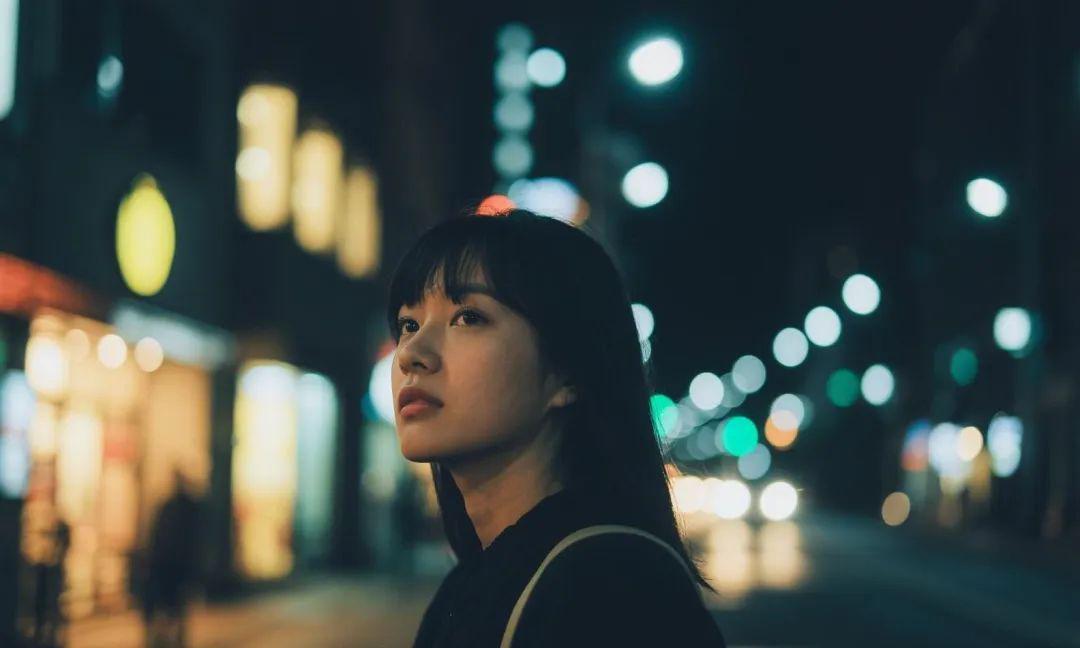
3. Anamorphic Wide Screen Shot (Anamorphic Lens Shot)
(art) composition: The screen aspect ratio is 2.35:1 or 2.39:1.
Features: The picture is wider and creates a sense of grandeur.
effect: Ideal for showing grand scenes.
Case: In the movie Star Wars, anamorphic widescreen shots show the grandeur of the universe.
4. Mobile Phone camera shot
(art) composition: Shot using a cell phone with a natural image style.
Features: Realistic and relatable.
effect: Create a sense of the everyday and authenticity.
Case: In the movie Black Mirror, cell phone footage shows the daily lives and social interactions of the characters.
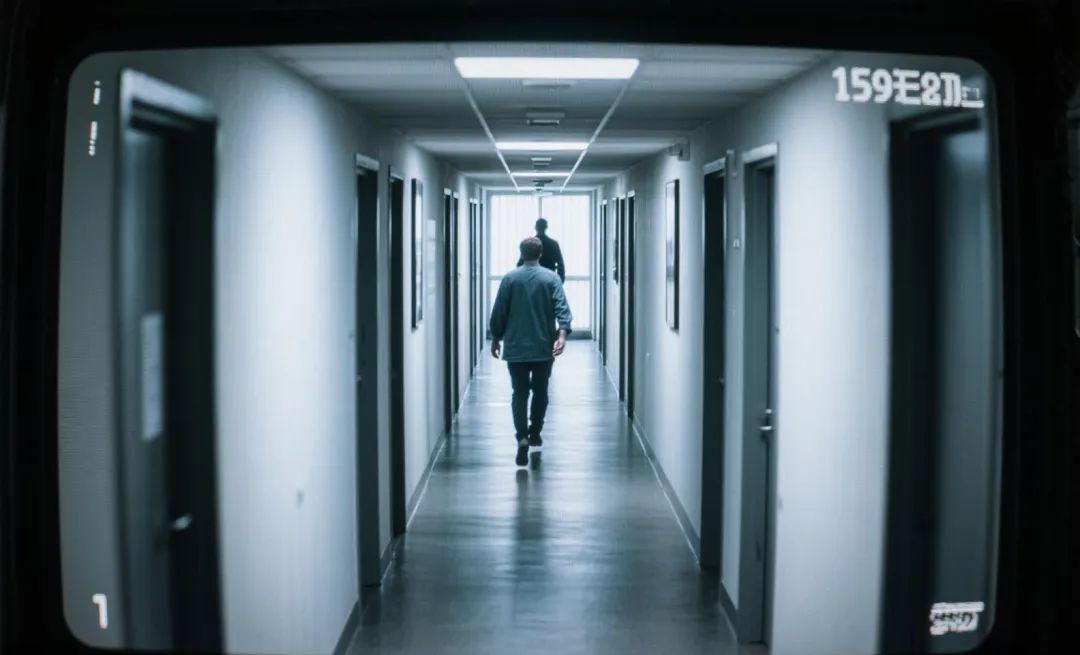
5. Surveillance shot (CCTV/Surveillance shot)
(art) composition: Simulates the viewpoint of a surveillance camera.
Features: The style of the picture is monotonous and objective.
effect: Create a sense of suspense and a surveillance atmosphere.
Case: In the movie "The Invisible Guest," surveillance footage shows details of the case scene.
Example of a screen:
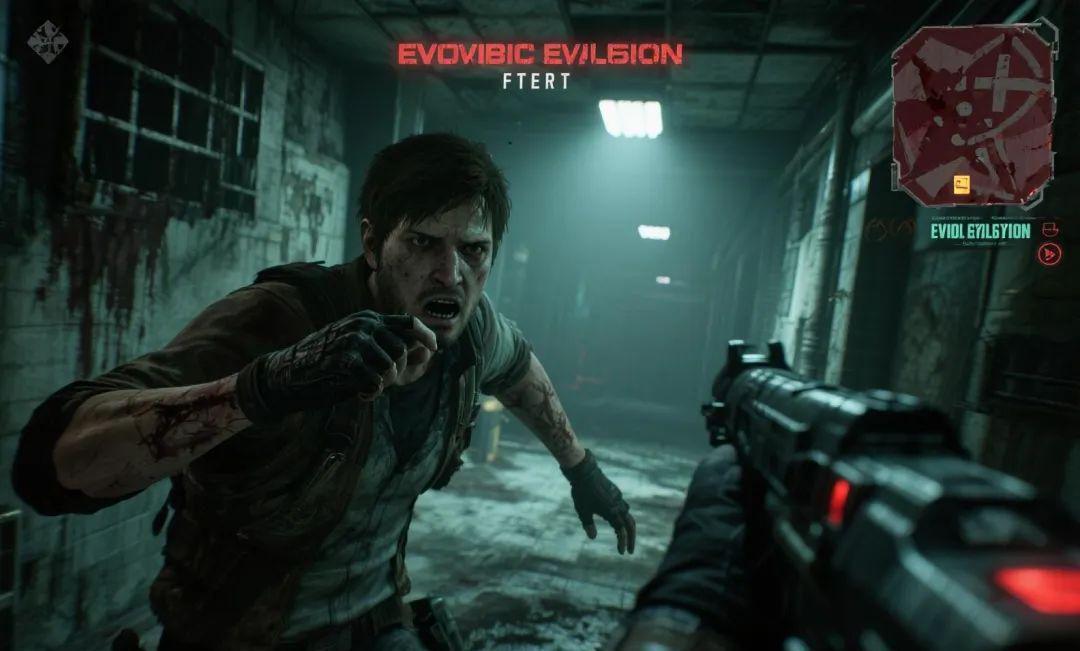
6. First-Person Perspective shot (FPPS)
(art) composition: Simulates the first-person perspective of a character.
Features: Allow the audience to fully vicariously experience the character's point of view.
effect: Enhance audience immersion.
Case: In the game adaptation of the movie Resident Evil, the first-person camera allows the audience to feel the tension and fear of the protagonist.
Example of a screen:
7. Dual camera switch (Dual Camera switch)
(art) composition: Shooting with two lenses at the same time, switching frames.
Features: Enriching the layers of the picture.
effect: Enhance narrative pacing and visualization.
Case: In the movie Inception, a double camera switch shows the switch between dream and reality.
8. Handheld Circular Shot (HCS)
(art) composition: The photographer holds the camera in a wrap-around shot around the subject.
Features: The image has a certain shakiness and realism.
effect: Create a tense, disturbing, or dynamic atmosphere that enhances the viewer's sense of immersion.
Case: In the movie Black Hawk Down, handheld surround shots show the chaos on the battlefield and the tension of the soldiers, allowing the audience to feel the cruelty and reality of war.
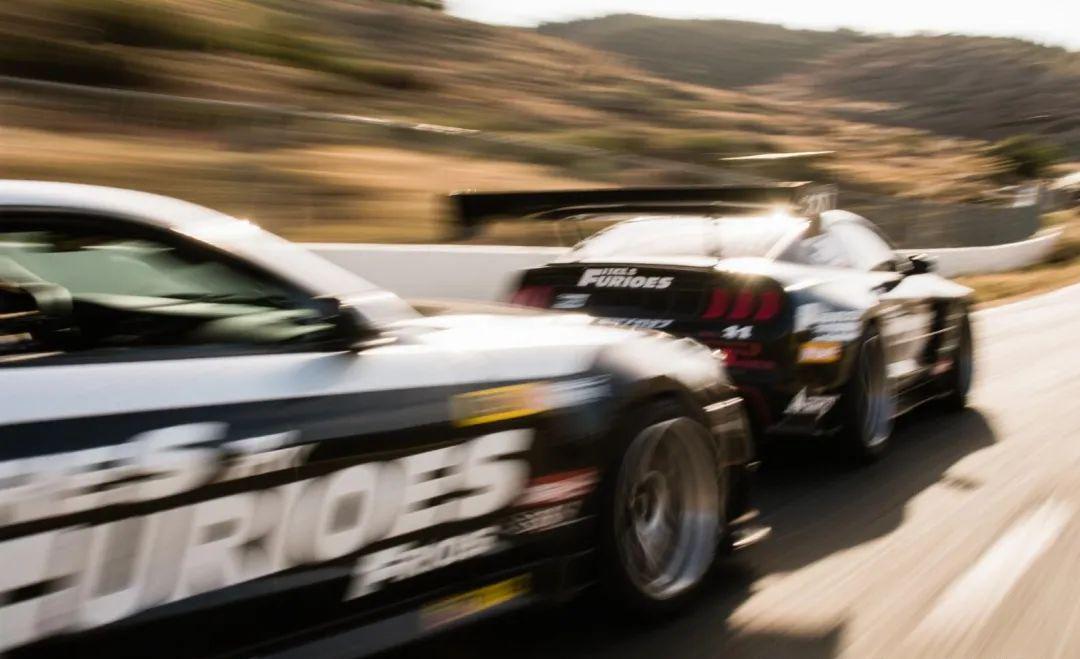
9. Motion Blur Shot (MBS)
(art) composition: Creates a blurring effect in the picture by moving the camera or subject quickly.
Features: Blurring of moving objects or backgrounds in the picture.
effect: Enhance the sense of motion and speed of the picture to create a tense and exciting atmosphere.
Case: In the movie series "The Fast and the Furious", the dynamic blurring shots of vehicles traveling at high speeds allow the audience to feel the high speed and passion of racing.
Example of a screen:
10. Steadicam Long Take
(art) composition: A long shot taken with a Steadicam stabilizer for a smooth and fluid image.
Features: The shot lasts a long time and the picture is stabilized.
effect: Enhance the coherence and realism of the narrative and make the audience feel as if they were there.
Case: In the movie Birdman, almost the entire film was shot with long Stanikon lenses, creating a sense of theatrical coherence and realism.
11. Virtual camera (CGI Camera)
(art) composition: Footage created through computer-generated imagery (CGI) technology.
Features: Scenes and effects that are difficult to photograph in reality can be realized.
effect: Create fantastical, sci-fi or surreal visual effects.
Case: The movie Avatar made extensive use of virtual footage to show the fantastical creatures and environments of the planet Pandora, giving the audience a taste of a whole new alien world.
AI generation of motion picture examples takes a lot of time and "rice", so you can watch the recommended movies and deliberately imitate them.
Each type of shot has its own unique purpose and emotional expression, and they can help creators better convey emotion, drive the narrative, create atmosphere, and enhance the viewing experience for the audience. We hope you can flexibly utilize these techniques to create memorable visual works based on the story.