



June 24, 2011 - In conjunction with the Artificial IntelligenceChatbotsinteractions, users often display contradictory behavior: on the one hand, they may explode in frustration, while on the other hand, they later express gratitude. This complex interaction pattern is revealed in a new study.
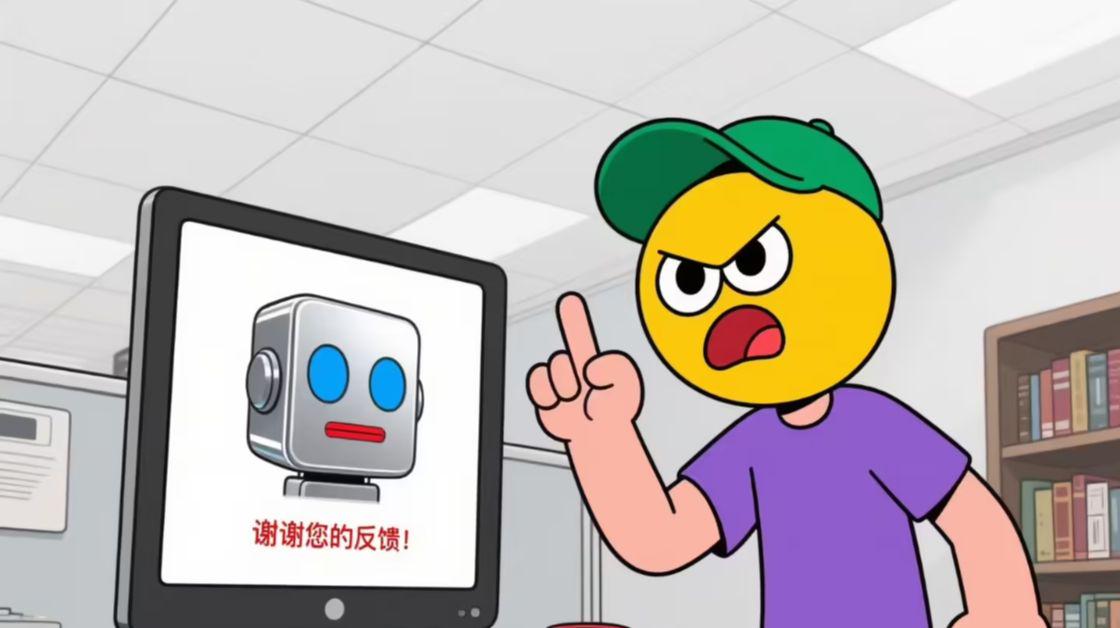
According to a new report from Tidio, the majority of users have been rude to a chatbot at least once, but even then, they still say "thank you" in subsequent exchanges. This phenomenon highlights the ambivalence people feel when interacting with AI.
Nearly 70% of users admitted to swearing at a chatbot out of frustration, the report said, but 75% of users still said they had a problem with their most recent conversation with the AI satisfied with the interaction.
While people are quick to vent their emotions when they're not as happy as they'd like to be, politeness still seems to be a habit they maintain when interacting with AI, even if the experience isn't entirely smooth.1AI notes that a previous Futures Magazine study found that 67% of Americans and 71% of Brits exhibit politeness when interacting with AI, including using the words "please" and "thank you" and even apologizing to digital assistants like ChatGPT or smart speakers.
While this may sound ludicrous, some people have said that remaining respectful can help them get better answers, and TechRadar's Becca Cady has tested this by removing polite words from ChatGPT prompts, and found that the quality of the answers dropped. Previously Sam Altman, CEO of OpenAI, has talked about the cost of politeness, and when asked about the cost of bots answering polite prompts, he replied, "It's an investment of tens of millions of dollars, but it's worth every penny."
While AI is now a part of our daily lives, a significant portion of the population is still not fully convinced, according to Tidio, which found that about 30% of respondents said they would prefer to wait for human customer service even if a chatbot was ready to respond. A further 26% said they'd trust a Magic 8 Ball, a divination toy, over AI customer service. Some 11% users were even willing to pay extra just to talk to a real person.
In practice, however, most people are still willing to use AI for basic tasks, with the most common uses including technical support, general question answering, billing questions, and product information queries.