



September 2, 2012 - With the camera-equippedSmart glassesAnxiety about privacy is growing among young people as it becomes more common in public places. The Washington Post reported on Aug. 27, local time, thatGeneration Zare turning against devices like Meta Ray-Bans, believing that theirSerious threat to personal privacy.
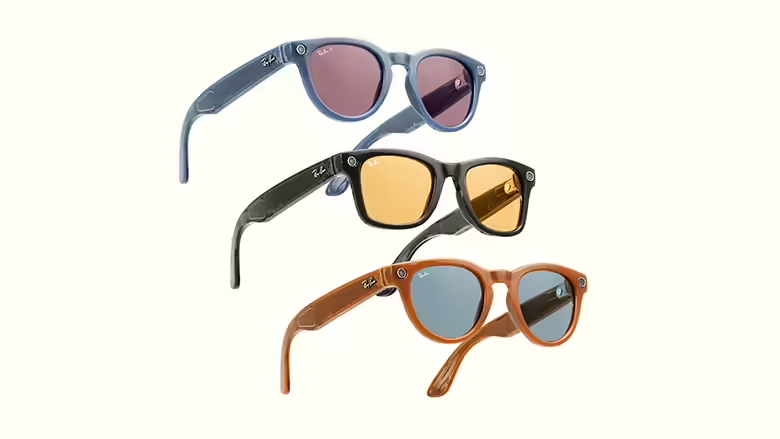
While tech companies tout these glasses as having hands-free operation and a wide range of advanced features, public concerns are rising about being filmed without consent and personal data getting out of control.
Earlier this month, a TikTok user shared that he was surprised to find a beautician wearing Meta Ray-Bans with a camera during a visit to a European hair removal center in Manhattan.The beautician claimed that the glasses were not charged, but the incidentStill makes users uneasy. The company later said that employees would turn off their glasses when greeting customers. The incident sparked widespread discussion and criticism on the Internet, while raising questions about when and whether it is okay to film others.
Social media has quickly become a platform for discussing privacy intrusions, with several popular videos expressing similar feelings of discomfort. While some netizens recognized the utility of the glassesBut most people want this device gone..
Currently, Google, Meta and a few smaller companies are once again trying to bring smart glasses to the mainstream, complete with cameras, microphones and AI capabilities. There's been a lot of interest from content creators in these new devices, which allow for hands-free filming in restaurants or street interviews.
The latest controversy comes mainly from Generation Z, which is extremely sensitive to the risks of digital exposure. Many are concerned that everyday communications may be recorded and disseminated without consent.
Meta spokesperson Maren Thomas told the Washington Post that Ray-Ban eyewearIndicator lights up during recording with sensor to detect blocking. According to IT House, turning off the indicator is a violation of the user agreement.
Despite these security measures, some young people remain skeptical. Opal Nelson, a 22-year-old resident of New York, points out that the indicator lights do not completely prevent misuse, especially since there are tutorials on the Internet that teach people how to "hack" them. For customer-facing staff, the possibility of being silently photographed adds to the sense of vulnerability.
Research shows that generational differences affect attitudes toward digital privacy. Alice Marwick, director of the nonprofit Data & Society, notes that Millennials share more freely on social media, while Gen Z is more cautious. Many weigh the risk of accidental exposure or harassment before posting content. As job and college applications go online, young people are increasingly concerned about the long-term impact of online content, so they are setting sharing boundaries with friends and family. The possibility of strangers using wearable devices to take sneak peeks adds a new level of uncertainty to these boundaries.