


On December 20, according to FortuneLinkedIn CEO Ryan Roslansky states that the five-year career plan is no longer applicable in the context of accelerated changes in the workplace. He noted that in an environment of continuous technological and labour market evolution, it was more pragmatic to set learning and experience targets for a cycle of months。
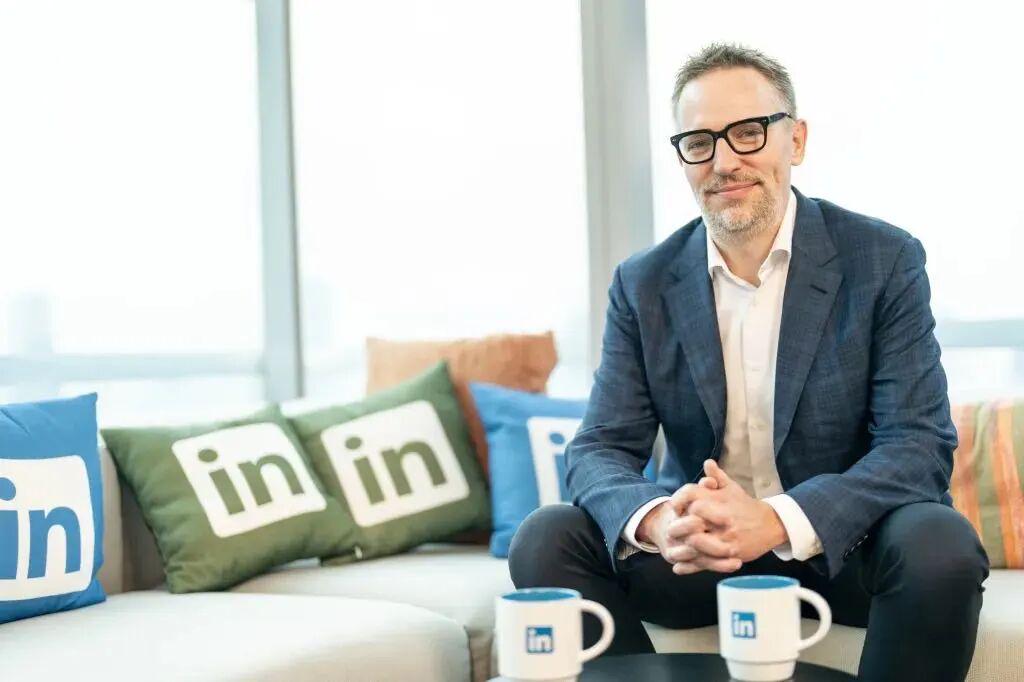
Since 2020, he has been a LinkedIn CEO, observing for a long time that epidemics, tariffs, inflation and layoffs make career paths increasingly non-linear and explore the growth trajectory of diversity with podcast The Path。
Roslansky stressed that instead of setting a multi-year course, it would be better to focus on what to learn and what to gain in the near future, and to open up wider career possibilities by building on short steps。
He noted that many people still believed that education and careers were linear paths, but Platform data and interviews showed that the real picture was more complex and that individuals needed to take the opportunity and remain sensitive。
The World Economic Forum expects that by 2030 about 39%'s core skills will be reshaped or eliminated; TAFE Gippsland, a vocational and educational institution, reports that people experience, on average, 3-7 career conversions and 16 job changes throughout their lives; and the latest report by Randstad, a recruitment agency, shows that Gen Z has an average of 1.1 shifts in jobs per year, driven more by “growth hunting” and non-traditional “frequent jumps”。
Although there are still experts who believe that medium- and long-term planning will help to systematize the advancement of targets and preserve the space for adjustment, Roslansky believes that AI A period of rapid change driven by short-term learning and experience is more realistic。
No one will plan your path and establish a self-driven mechanism at an early stage, with capacity and experience at its core, to enhance career resilience and opportunities in uncertainty。