



On January 28th, according to a telegraph report, last morning, in a development exchange in San Francisco, OpenAI CEO SAM OTMANNSam AltmanIT IS SUGGESTED THAT THE MOST COMPETITIVE COMPANIES IN THE FUTURE MAY HAVE AN ORGANIZATIONAL FORM OF "SMALLER EMPLOYEES PLUS A LARGE NUMBER OF AI ASSISTANTS"。
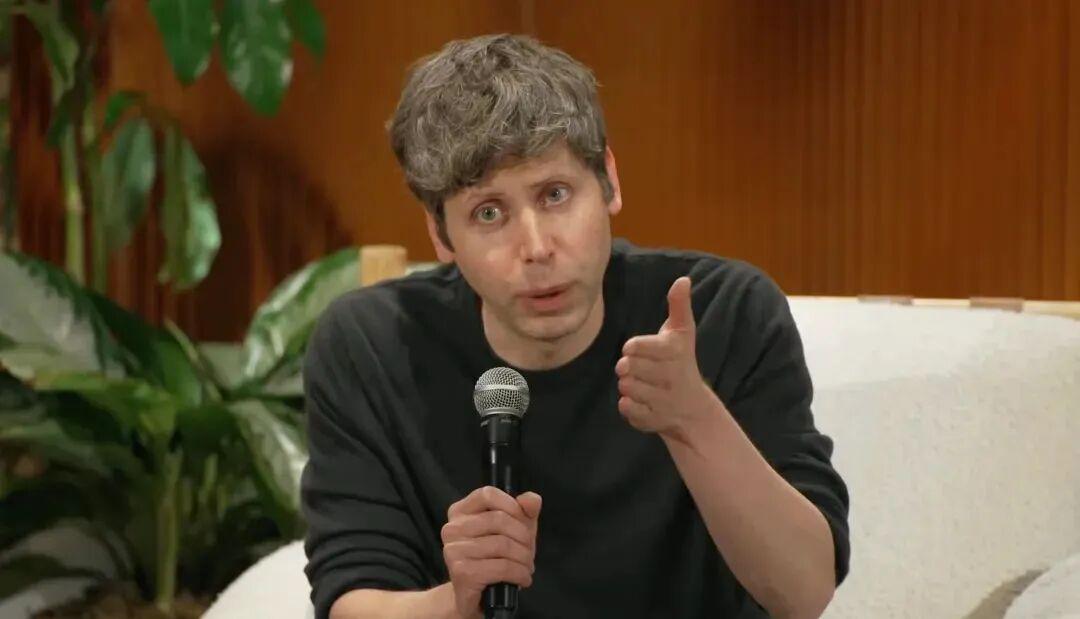
HE NOTED THAT AI HAD EVOLVED FROM A SUPPORT TOOL TO A CORE PARTNER, WHICH WOULD RESULT IN PROFOUND CHANGES IN THE WAY THE ENTERPRISE PRODUCES, RECRUITMENT LOGIC AND ORGANIZATIONAL STRUCTURE。
Ottman mentioned that OpenAI was still recruiting engineers but would be more cautious。
IN HIS VIEW, MANY COMPANIES WERE NOT AWARE THAT AI HAD BEEN ABLE TO UNDERTAKE A GREAT DEAL OF WORK AND WOULD BE DISADVANTAGED IN FUTURE COMPETITION IF THE TRADITIONAL EXPANSION MODEL CONTINUED。
HE ANTICIPATED THAT THE MANNER IN WHICH THE ENTERPRISE INTERVIEWED WOULD CHANGE AND THAT THE FOCUS OF THE MISSION WOULD SHIFT FROM PERSONAL CODING CAPACITY TO THE ABILITY OF CANDIDATES TO USE THE AI TOOL PROFICIENTLY AND TO ACCOMPLISH TASKS THAT HAD TAKEN SEVERAL WEEKS IN THE PAST IN VERY SHORT PERIODS。
He further noted that there were two paths that companies might face in the future:
ONE IS A SMALL NUMBER OF EMPLOYEES WORKING WITH A LARGE NUMBER OF AIS, THE OTHER IS A FULLY AI-DRIVEN COMPANY。
He wants the former to become mainstreamBUT IT IS ALSO TRUE THAT IF BUSINESSES DO NOT EMBRACE AI ON THEIR OWN INITIATIVE, THEY MAY BE ELIMINATED BY MORE FLEXIBLE AI COMPANIES。He stressed that it was not only about enterprise competitiveness but also about the stability of social structures。
TURNING TO THE CONTEXT OF THIS TREND, OTTMAN STATES THAT AI ' S CAPACITY IS INCREASING AT A MUCH FASTER RATE THAN MOST ORGANIZATIONS ARE ADAPTING, AND THAT ENTERPRISES NEED TO ESTABLISH WORK PROCESSES IN COLLABORATION WITH AI AS EARLY AS POSSIBLE AND TO EQUIP THEIR STAFF TO USE AI。
IN HIS VIEW, THE FUTURE ORGANIZATIONAL ADVANTAGE WOULD COME FROM A COMBINATION OF "HUMAN JUDGEMENT + AI ENFORCEMENT" RATHER THAN RELYING SOLELY ON HUMAN EXPANSION。
At the event, Otmann also briefly responded to other key issues, including the career prospects of programmers, bottlenecks in entrepreneurship, model costs and safety risks:
Software engineers will not be replaced, but the way they work will be to "direct the computer to do the job"
The threshold for entrepreneurship has been lowered, but finding users remains the biggest challenge
Model costs are expected to decline significantly by the end of next year, but the pace will be a new bottleneck
Biosafety is the most alarming area of risk this year
Software will accelerate the move towards individualization, and everyone may have the tools they generate for themselves
Early childhood education should reduce the use of electronic equipment and, more importantly, foster initiative and creativity。