



On January 30, according to Business InnersOpenAI chairman of the board Bret Taylor In a recent show on Big Technology Podcast, it was stated that "Vibe Coding" would continue, but it was not the final form of the software industry。
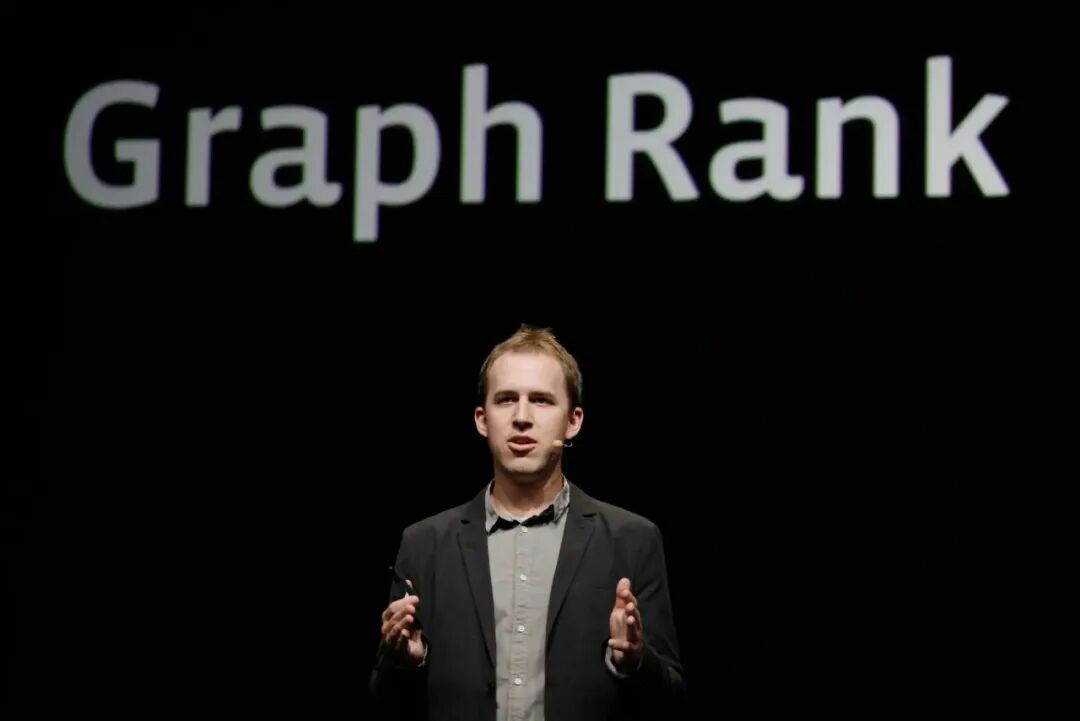
Taylor pointed out in the program that the way in which natural languages rely on natural languages to produce applications quickly becomes more common and that the real change comes from AI Aget remodel software structures。
According to Taylor, the current discussion around "How to make an application faster with Vibe Coding" ignores key issues。
He indicated that the future software pattern would no longer rely on traditional dashboards, web forms or stand-alone applications, but would be replaced by a taskable AI Agent。
We'll give it to Agent, and they'll operate directly on the database. The point is, who are these Agents to do, are you ready to buy, or are you built on your own。
AT THE SAME TIME, HE NOTED THAT AI, WHICH HAD SIGNIFICANTLY REDUCED THE COST OF SOFTWARE DEVELOPMENT, HAD NOT ADDRESSED MAINTENANCE CHALLENGES OR THE RISK OF ERRORS, AND THAT AS A RESULT, MOST ENTERPRISES WERE STILL INCLINED TO BUY MATURE PROGRAMMES TO SPREAD MAINTENANCE COSTS TO MORE CLIENTS。
With regard to the limitations of Vibe Coding, Google CEO Sundar Pichai stated last year in his podcast Google for Developmenters that this way makes the code easier and allows non-technical users to create simple applications。
He also noted, however, that the codes generated by AI could still be lengthy, poorly structured or had errors. He revealed at the newspaper conference last April that Google's new code for more than 30% was generated by AI, up from 25% in October 2024。
Anthropic Engineer Boris Cherny also pointed out in The Peterman Podcast last December that Vibe Coding is better suited to prototypes or one-off codes than to enterprise core systems