



APRIL 17TH Jen-Hsun HuangIn a recent interview with the technology podcast host, Dwarkesh Patel, a warning was issued about the U.S. export control policy for the Chinese AI chip。
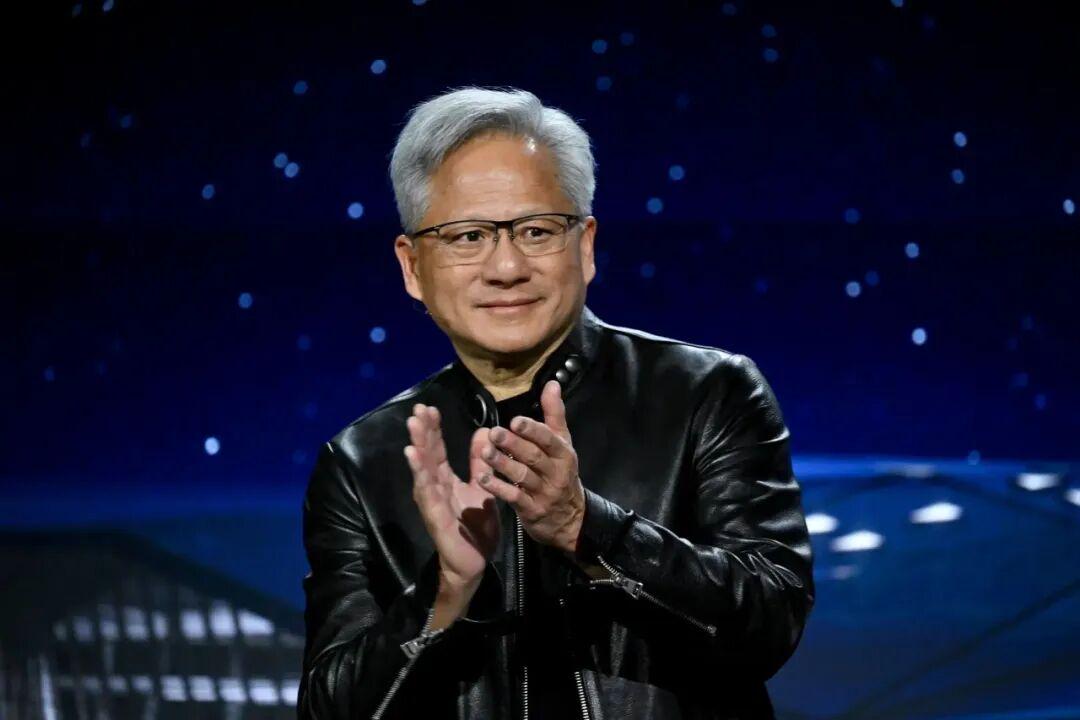
In response to Patel's question that the sale of British Weidar chips to China might help train them to have an AI model capable of cyberattacking, Huang In-hoon simply said, "Your premise is wrong."。
He pointed out that the Claude model under the Anthropic flag had been completed in a fairly common calculus, which was "substantial" in China; and that China had some 50% top AI researchers around the world, which had limited ability to produce "extremely smart algorithms"DeepSeek “It’s not a matter of progress.”。
Then he threw out the core warning: "If DeepSeek 1 is inHuaweiThat would be a terrible result for the United States. I'm sorry
In his view, extreme export controls would be counterproductive – forcing China’s top open source models to be tailored to local hardware optimization, and once these models are best run by China’s structure, the global appeal of the Britain platform will be directly reduced。
IF WE WERE FORCED TO LEAVE CHINA, IT WOULD ACCELERATE THE DEVELOPMENT OF THEIR CHIP INDUSTRY AND FORCE ALL OF THEIR AI ECOSYSTEMS TO FOCUS ON THEIR OWN INTERNAL STRUCTURES。
HUANG IN-HOON POINTED OUT THAT, AS CHINA ' S AI MODEL SPREAD TO THE GLOBAL SOUTH WITH OPEN STANDARDS, THE UNITED STATES COULD FALL INTO PASSIVE COMPETITION FOR LONG-TERM TECHNICAL STANDARDS, ALL OF WHICH STEMMED FROM A STRATEGIC FAILURE TO VOLUNTARILY ABANDON THE SECOND LARGEST GLOBAL MARKET。