



On 23 July, according to the Wall Street Journal, the White House Office of Science and Technology Policy issued a new report and memorandum that plans to adjust the federal R & D budget allocation of approximately $200 billion per year for the remainder of the second mandate of Trump: more funds will be directed directly to individual scientists, scholarships and scientific awards, rather than the university as the main intermediary。
The new guidance requires agencies to prioritize their support AI As a scientific discovery tool, research has made the deployment of high-energy computers by 2028 and the start of 10 large nuclear reactors by 2030 a national goal. The White House had simultaneously proposed a reduction in the administrative component of scientific research; the proposed rules for the Office of Management and Budget would also increase the impact of political appointees on the approval of funding。
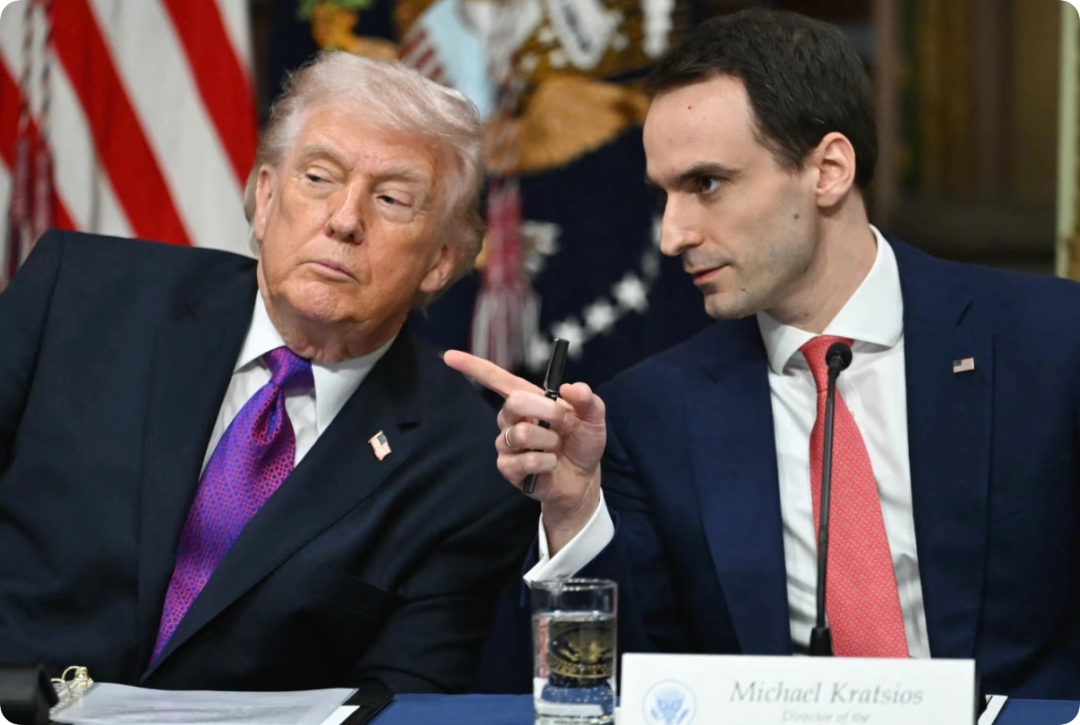
According to Michael Kratsios, Director of the White House Office of Science and Technology Policy, the current allocation has long been concentrated in the same institutions and research paths, and the new programme seeks direct funding for researchers. Critics are concerned that model errors and policy orientation may reduce the diversity of research topics。