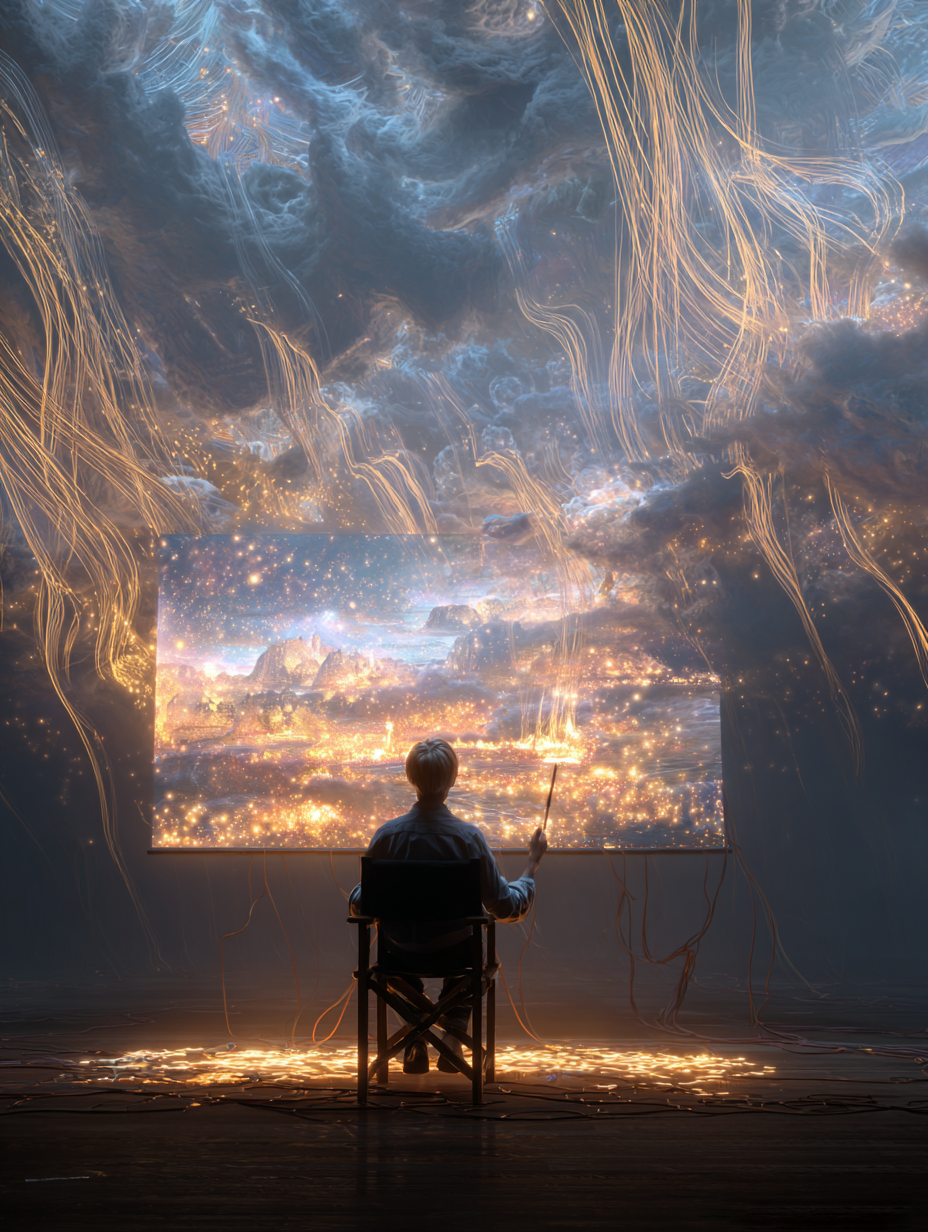



WHY IS YOUR AI DRAWINGS LIKE DEAD? BECAUSE YOU'RE MISSING THE FOURTH DIMENSION。
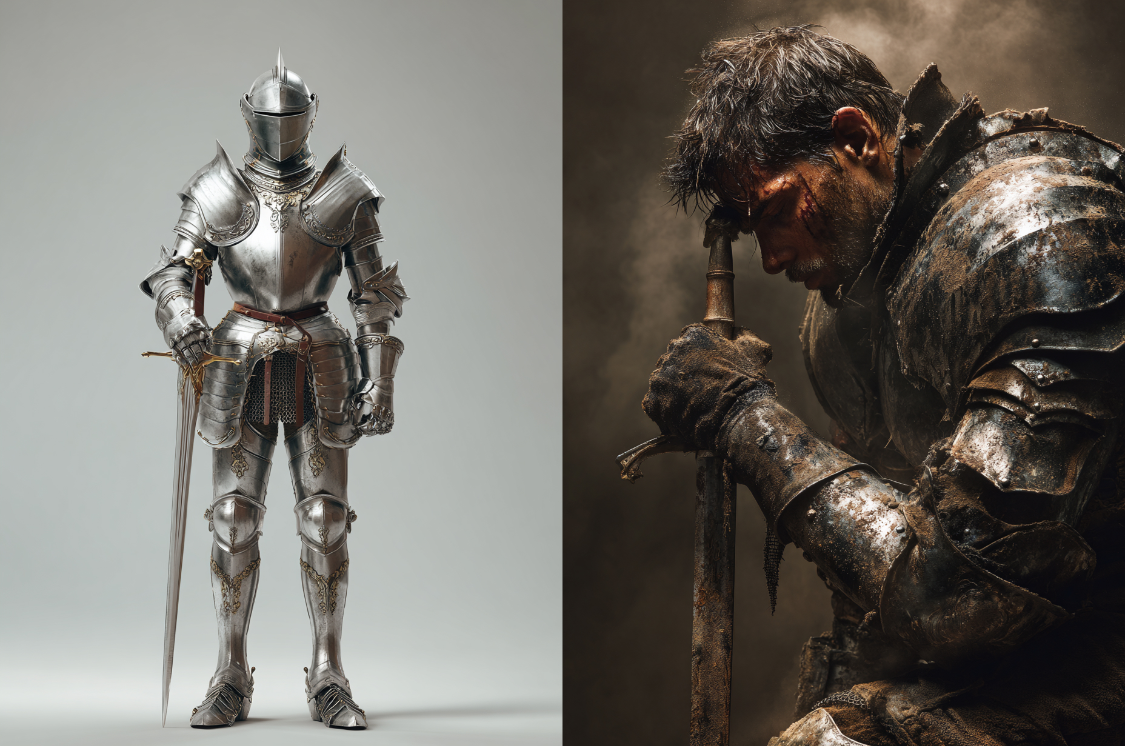
Time Reimbursement for Left Untimely/Right
Have you ever experienced this? It's a master-of-the-art painting word, and it's perfect and well-structured, but it's a picture of what can't be said "plastic sense"? He's like a model in a wax museum. It's like an elaborate studio with no life
To tell you the truth: your picture is “dead” because you only described the three-dimensional space (X/Y/Z axis) and lost the most important fourth dimension - Time。
AI IS NOT JUST A SPACE BUILDER, IT IS ALSO A “MASTER OF CAUSAL REASONING”. WHEN YOU GIVE A "TIME STATE", AI AUTOMATICALLY TRIGGERS [TIME COMPENSATION MECHANISM]:
Past pattern: it will reverse destruction and traces of the "first second" depending on the outcome。
Current: It calculates the blurry and current of this second, depending on the movement。
In the future, it simulates the oppression and suspense of the “Next Second” based on prejudication。
Today, we're going to teach you how to use these three stylesPromptFrom “descriptions” to “film scripts”。
Chapter I: Past Tense - Triggering “emotional Residues”
Core principles: When you use the past in Prompt, AI's repertoire logic changes from "expressive action" to "expressive consequences". AI is not just drawing a picture, but is conducting a mini-on-site survey. It must fill the picture with enough detail to prove that “this has just happened”. This automatic addition of details for logical cause and effect is the source of the image story。
1.1 Why does the "old-style" improve the quality of the painting through the karma
WHEN WE DESCRIBE A PERSON WHO IS CRYING, AI MAY DRAW EMBARRASSING TEARS; BUT WHEN WE DESCRIBE A PERSON WHO HAS JUST CRIED, AI WILL FOCUS ON: RED AND SWOLLEN EYES, WET EYELASHES, MESSY HAIR AND A SLIGHTLY SILENT AIR FEELING AROUND。
THAT'S "EMOTIONAL RESIDUE." TO FIT THE LOGIC OF “JUST HAPPENED”, AI HAD TO CONSTRUCT A SCENARIO THAT WAS CONSISTENT WITH TIME AND CAUSE。
1.2 Keywords and Syntax:
When using past techniques, try to add the following type of vocabulary to Prompt:
Time qualifiers: Just finished (just finished), After (after...), Post- (after...), The aftermath of (... after-effects/effects). State adjectives: Exhausted (tired), Ruined (damaged), Abandoned (abandoned), Leftover (residual), Faded (decoloured). Specific scene words: Wet Pavement (wet road surfaces - hints of fresh rain), Smoke Lingering, Messy table。
1.3 Combat dismantling: reshaping breakfast scenes
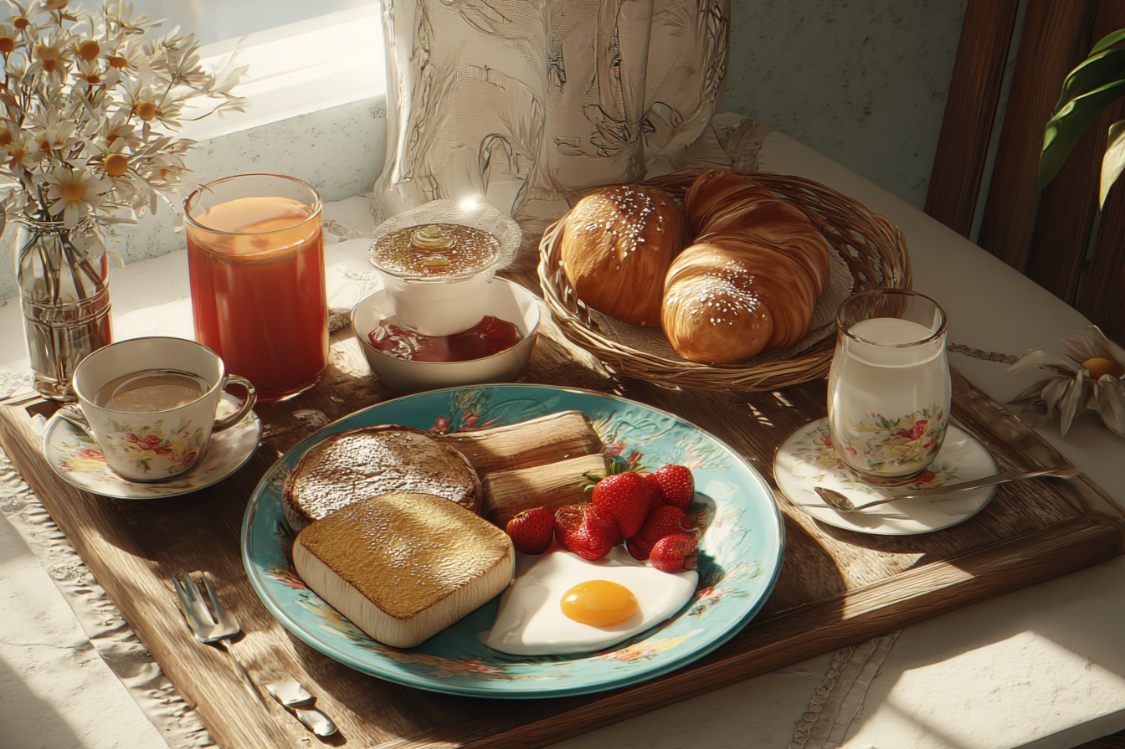
Primary (no time):
Prompt: A delicious breakfast on the table.
And it's like perfect advertising, food is so bright, nobody smells。
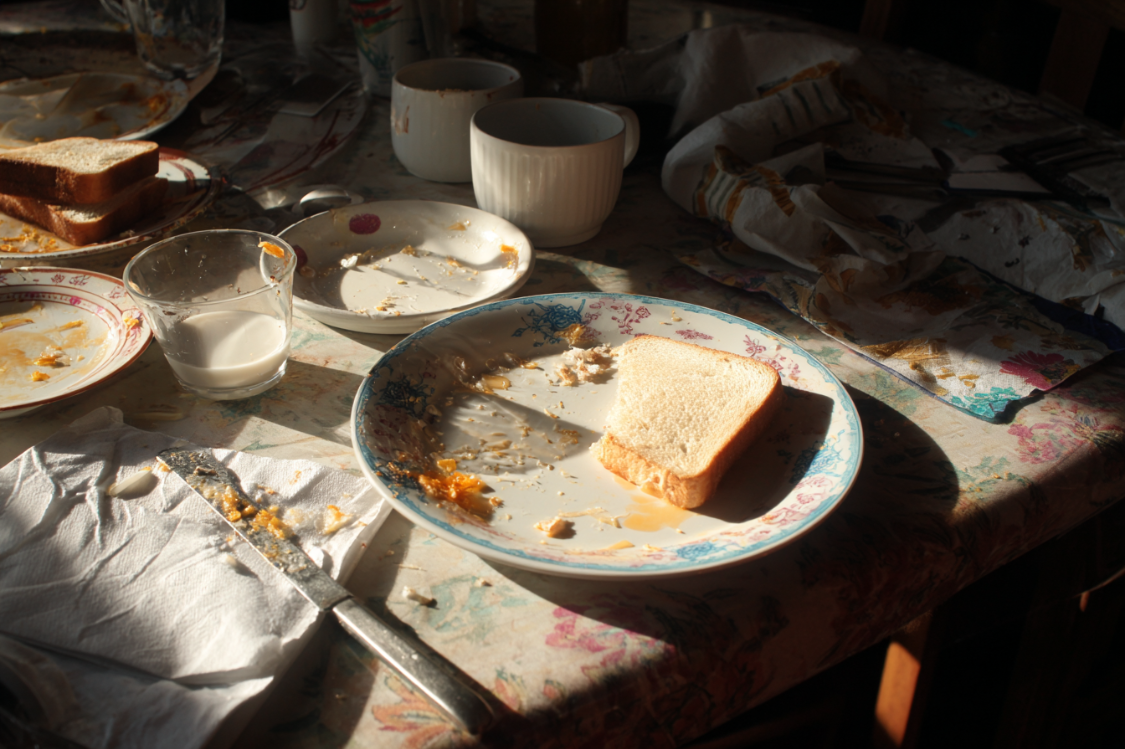
Progress (old pattern):
Prompt: A table **family braakfast, ** leftover** crumbles, **half-eaten** last, napkin **crumpled**, morning sunlight starting the dirty plans.
The analysis: “Half-eaten” and “Crumpled” are key. In order to express these words, AI has to rephrase the rough edges of the bread that has been torn, as well as the complex hiatus of paper towels. These random feelings of chaos are the highest possible level of truth。
Chapter 2: Now is going on -- capture the "decisive moment"
Core principle: At this point in time (-ing) is the switch that activates the AI Physical Engine. In static drawings, the only dynamic source is “trends”. When AI receives the “ongoing” command, it calculates the vector direction of the object's movement and uses the dynamic fuzzy (Motion Blur) and particle effects to simulate the capture of human eyes against high-speed motion。
2.1 “Respiration” at the dynamic level
In dealing with the present, AI will focus on the edges (Edge):
FRAGMENTATION OF THE EDGE: THE EDGE OF A STATIC OBJECT IS SHARP, BUT THE EDGE OF A MAN WHO IS RUNNING CAN BE TOWED BY AN AI SIMULATION OF THE SPEED OF THE GATE。
Fluid simulation: AI simulates windfields for water, fire, smoke, fabric. For example, “Walking in wind” ** “Unfinished cover”** increases the sense of realism when wrinkles flow strictly in the direction of wind and hair is clouded。
2.2 “Most” Glossary (Prompt Booster)
Action class (-ing): Springing (sprinting), Shattering (battering), Exploding, Melting (melting), Swirling (rotation). Environmental category: Pouring Rain, Gale Winds, Sparks flying (splattering), Debris floating (discretion floating). Phototype: Motion blur (dynamic fuzzy), Light streaks (radio), Shuter Speed (fast door speed).
2.3 Combat dismantling: reshaping “dance” scenes
Primary (no time):
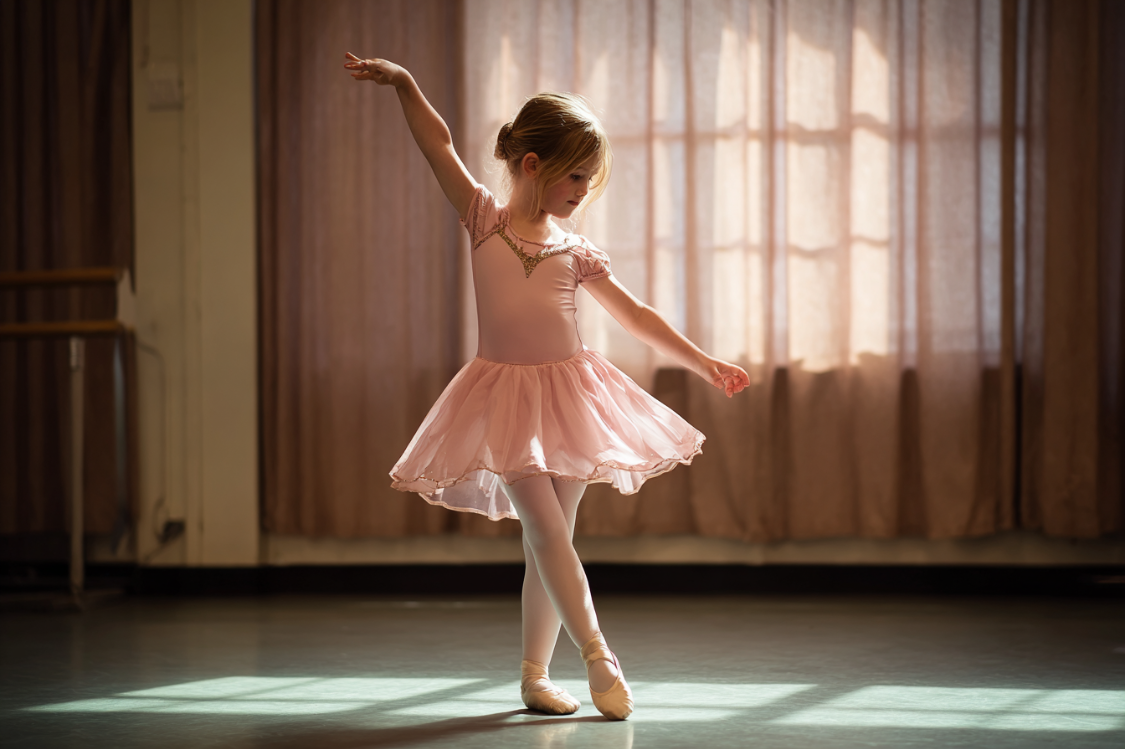
Prompt: A girl daring ballet.
It's like being at a punishment station。
Progress (now):
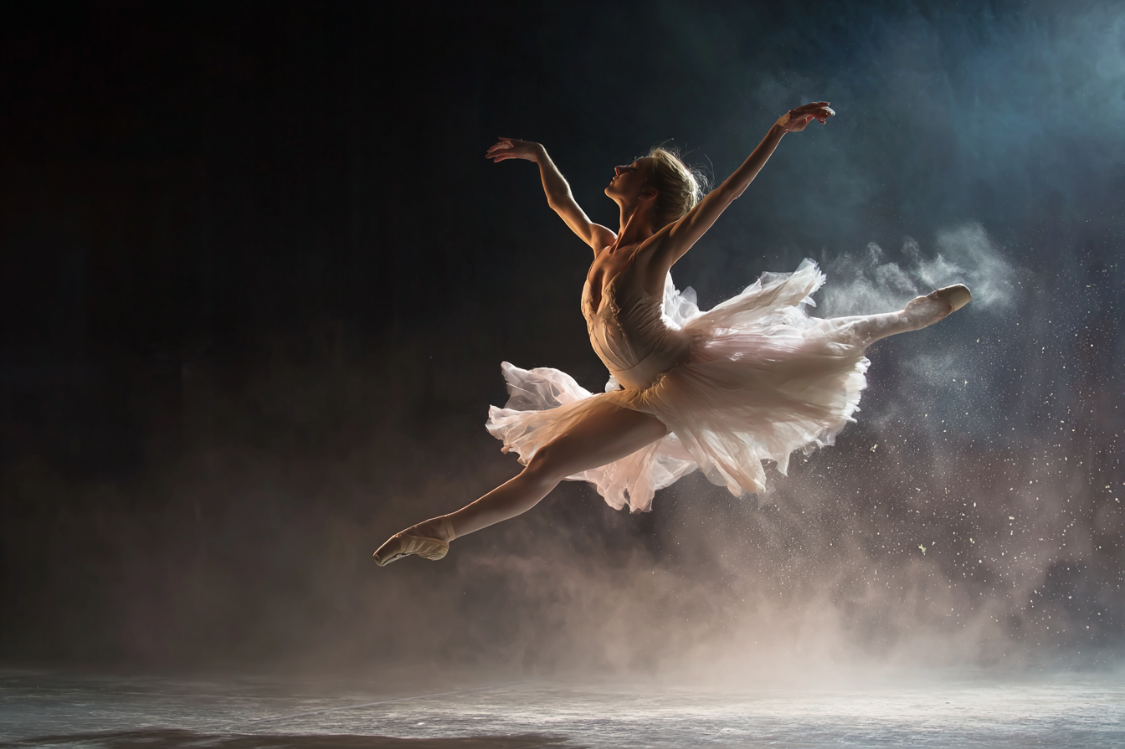
Prompt: A ballet dancer **mid-leap**, muscles **.
“Mid-leap” forced AI to draw a moment away from the ground. "Billowing" fills the dress with aerodynamics. With this “unstable balance”, the picture came to life。
Chapter 3: Future Tense - Creating psychological oppression and power
Core principles: This is the highest level of play, which is "psychological flow" mapping. In the future, 0.1 seconds before the incident is depicted. At this point in time, the picture is full of power. The human brain is inherently sensitive to “infinity” and AI uses this mechanism to create dramatic tension through the imbalance of the image and space compression。
3.1 Mental “contensive prognosis”
HOW DOES AI PAINT THE FUTURE? IT PAINTS PREPARATORY ACTION:
MUSCLES ARE STRONG: "EARNING ATTACK" IS STRONGER THAN "IN THE PROCESS OF ATTACK." IT WILL DRAW THE BACK OF THE BOW, HOLD THE WHITE FISTS AND BITE THE TEETH。
Space confrontation: AI uses negative space. For example, two swordsmen fought, leaving blank areas in between, the source of tension。
Perspective oppression: In the future, images are often based on "Low Angle" or "Dutch Angle" to create human anxiety。
3.2 The Glossary of Futures (Prompt Booster)
Time to (forthcoming), Moments before (forthcoming), On the venge of (forthcoming), Impending, Premonition. Adjectives: Tense (fortune), Ominous, Precurious (fortuitous), Suspenseful.
copy
3.3 Dismantling: Reconstructing the scene of the Beast
Primary (no time):
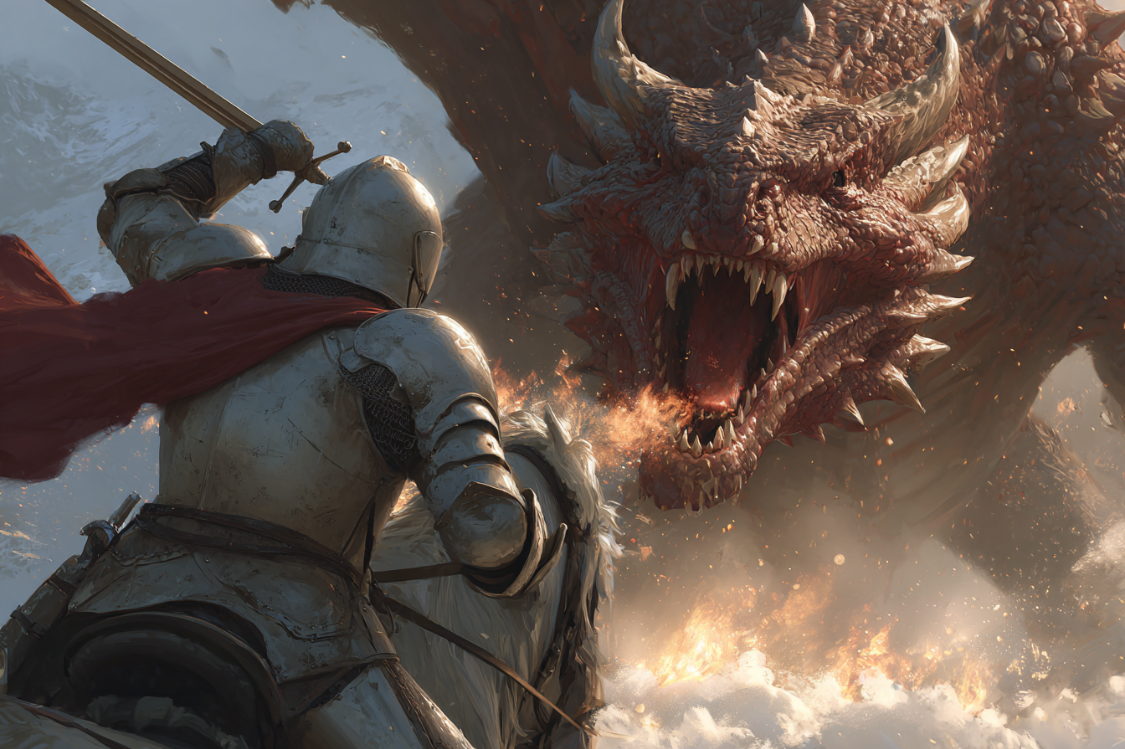
Prompt: A knight fighting a Dragon.
Result: I'm not feeling strong enough
Progress (in the future):
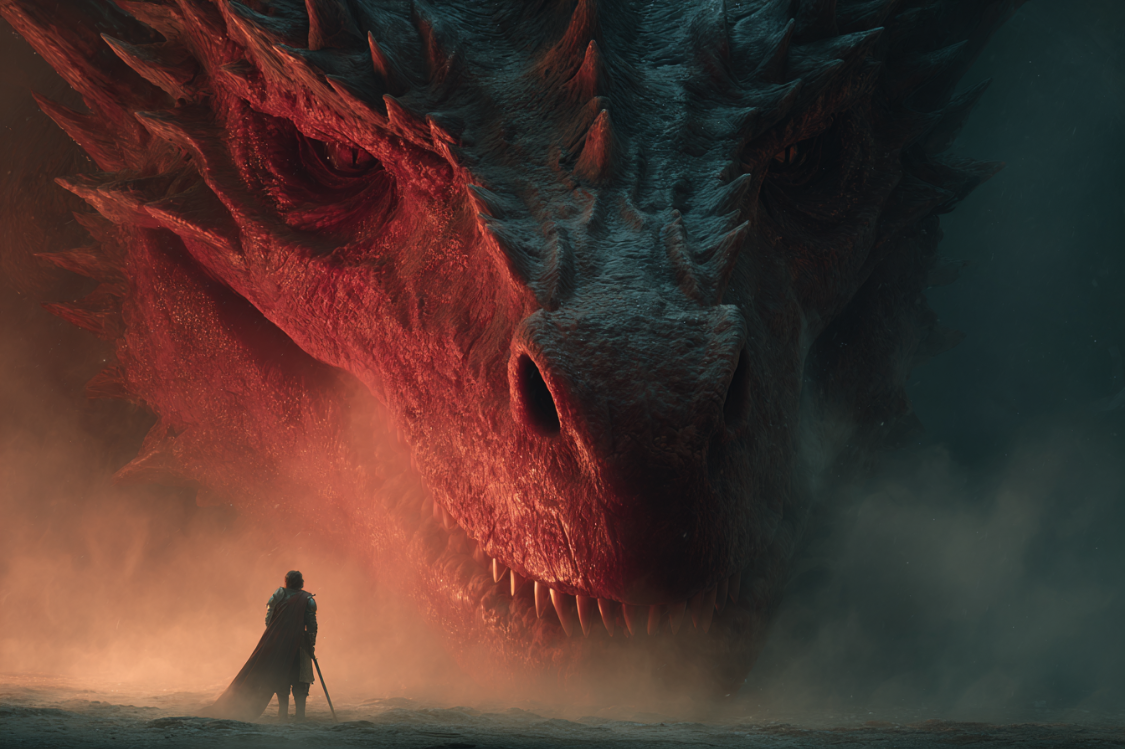
Prompt: A light standing before a colossal dragon, movements before the break of fire, impending doom, driving in the dark, driving red, exception, scale company.
It's not a fire, it's a red throat, a deep inhaler. This state of ** “no hair”** allows the viewer's self-absorbed brain to fill a devastating picture for a second, creating a greater sense of fear than the direct drawing of a flame。
Chapter IV: The Progressive Heart: Integrated Application and the Progressive Heart Approach (summary)
With the past, the present and the future, you have the "time brush."。
Past = story and emotion. It's appropriate to show melancholy, nostalgic, epic, war-torn style。
Current = shock and immersion. Fits to show sports, dance, combat, natural disasters。
In the future = suspense and tension. It's for the horrors, the horrors, Cyberpunks, the eve of the duel。
For the new guy
Don't try to put all the time in one Prompt, it'll confuse AI's logic。
Good Prompt is: Subject + Environment + Clear Time State + Style。
The bad Prompt is: "It's just over," and "it's blowing up."。
You try to modify your old "lost film" Prompt, and just add a sentence to [action] or just finished [action], you'll find that a qualitative leap can occur under the same Feed。
This is itAI PaintingThe charm, it's not just pixels, it's time slices in the simulation of the physical world。