



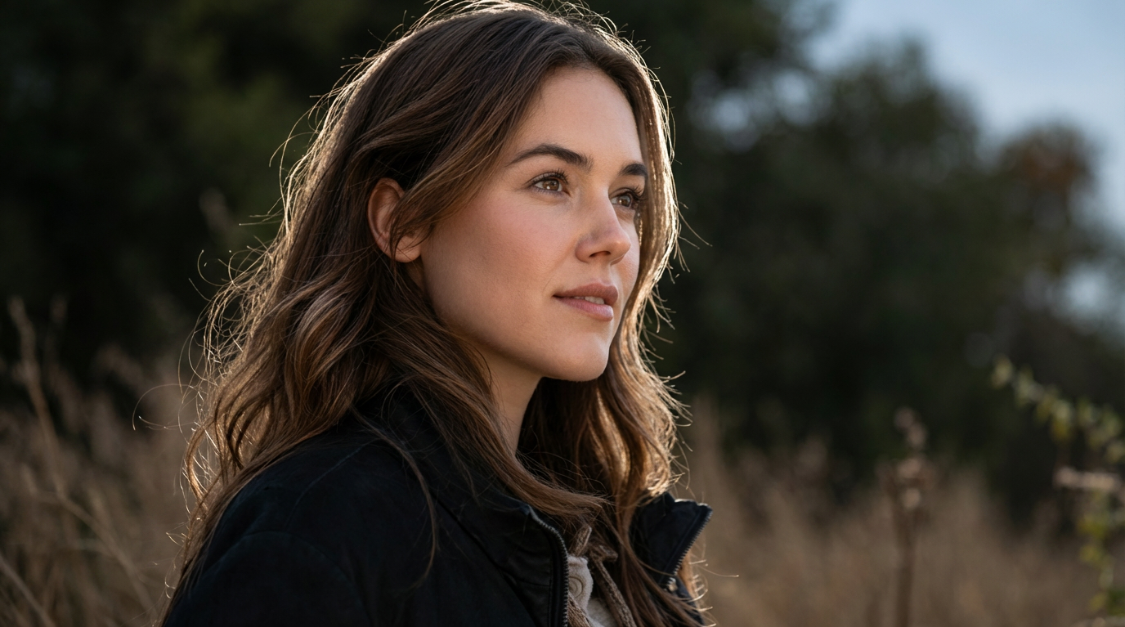
IN THE WAVE OF AI PAINTINGS, MOST PEOPLE ARE PURSUING “MODELS” AND “WINDS”, OFTEN IGNORING THE SOUL OF THE IMAGE — THE SHADOW. LIGHT NOT ONLY DEFINES THE SHAPE, QUALITY OF THE OBJECT, BUT ALSO DETERMINES THE EMOTIONAL ATMOSPHERE OF THE IMAGE。
Why did you write "Sidelighting" in your tipword, and AI gave you a bad light? Why do you always seek the quality of a film into a cheap sugar tablet
This lesson was created to address these pains. We'll take you out of the wrong zone of "blindly written" and into the "precisely controlled light" entrance。
CHAPTER I: AN ANALYSIS OF AI'S “VISUAL BLIND ZONE” — WHY CAN'T IT TELL THE DIFFERENCE
THE CREATORS ARE OFTEN PUZZLED: WHY IS THE LEFT LIGHT CLEARLY WRITTEN AND AI GIVES THE RIGHT LIGHT? IT'S ABOUT THE BOTTOM PRINCIPLE OF THE AI MAP。
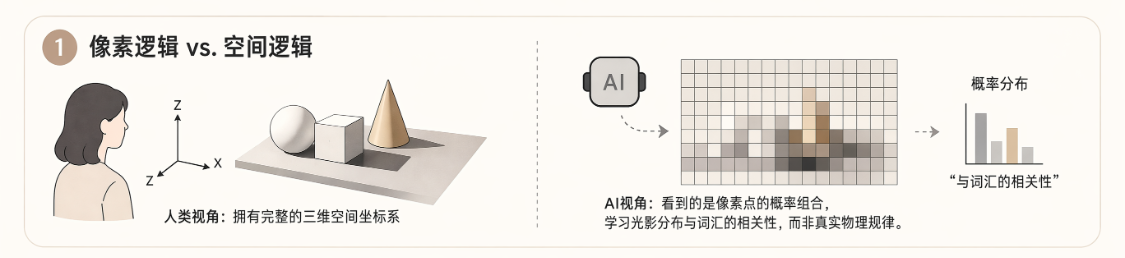
1. pixels logic vs. space logic
WHEN WE STAND OUTSIDE THE PICTURE AS HUMAN BEINGS, WE HAVE A COMPLETE THREE-DIMENSIONAL SPACE COORDINATE SYSTEM. IN AI'S EYES, HOWEVER, IT SEES NOT A DEEP PHYSICAL WORLD, BUT A COMBINATION OF PROBABILITIES OF PIXEL POINTS. THROUGH ITS TRAINING IN BIG DATA SETS, IT LEARNS ABOUT THE RELEVANCE OF A CERTAIN PHOTO DISTRIBUTION TO A PARTICULAR VOCABULARY, RATHER THAN A TRUE PHYSICAL REFLECTION PATTERN。
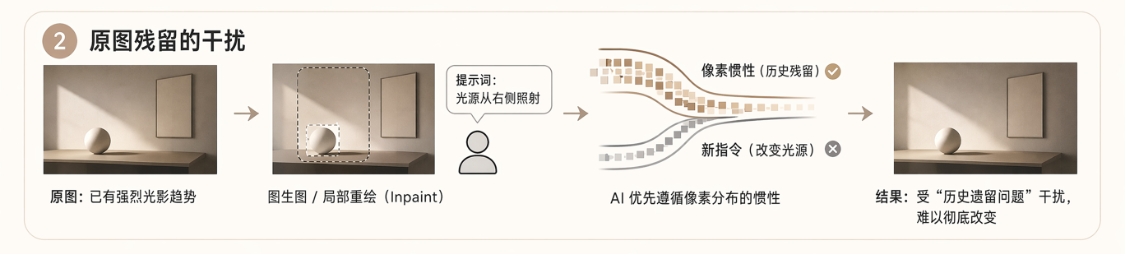
2. Residual interference on original maps
AI TENDS TO FOLLOW THE INERTIA OF PIXEL DISTRIBUTION AS A MATTER OF PRIORITY WHEN CARRYING OUT GRAPHICS OR LOCAL REDRAWING, IF THERE IS ALREADY A STRONG PHOTO TREND IN THE ORIGINAL MAP. EVEN IF YOUR HINT WERE TO CHANGE THE LIGHT SOURCE, THIS PIXEL-LEVEL “HISTORICAL LEGACY” WOULD BE A HUGE BARRIER。
Chapter 2: Optical correction policy at the level of the hint
MANY PEOPLE ARE WRONG TO WRITE A HINT BY WRITING "SOURCE" INSTEAD OF "EFFECT". IT'S THE KEY TO AL'S CONFUSION。
Core formula: light source + physical effect + atmosphere description
do not simply write “light from left, chinese: light from left” to try a more descriptive expression:
WEAKENED DIRECTIONAL WORDS: DUE TO THE FLUCTUATIONS IN AI-TO-RIGHT IDENTIFICATION, SPECIFIC LIGHT-POINT TERMS SUCH AS
"Rim light", "Backlit" or "Spit light"
THE TERM ENHANCED EFFECT: TO GIVE A CLEAR MESSAGE TO THE EFFECT OF AI LIGHT ON THE OBJECT, FOR EXAMPLE
"long shadows", "high contrast" or "volumetric lighting"
2. Comparative table of cases
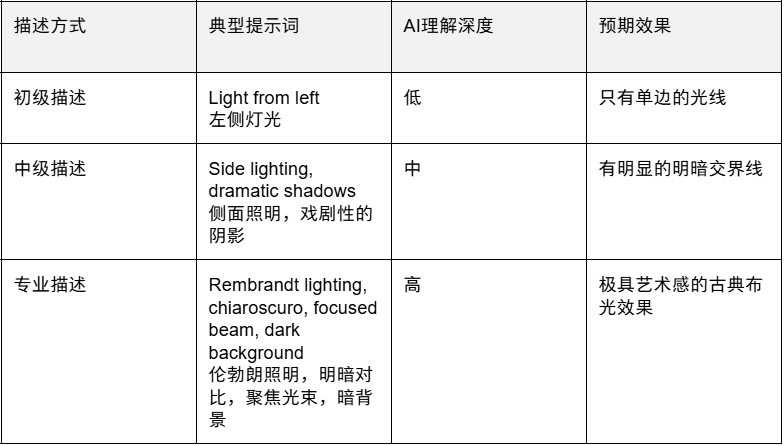
Primary description:
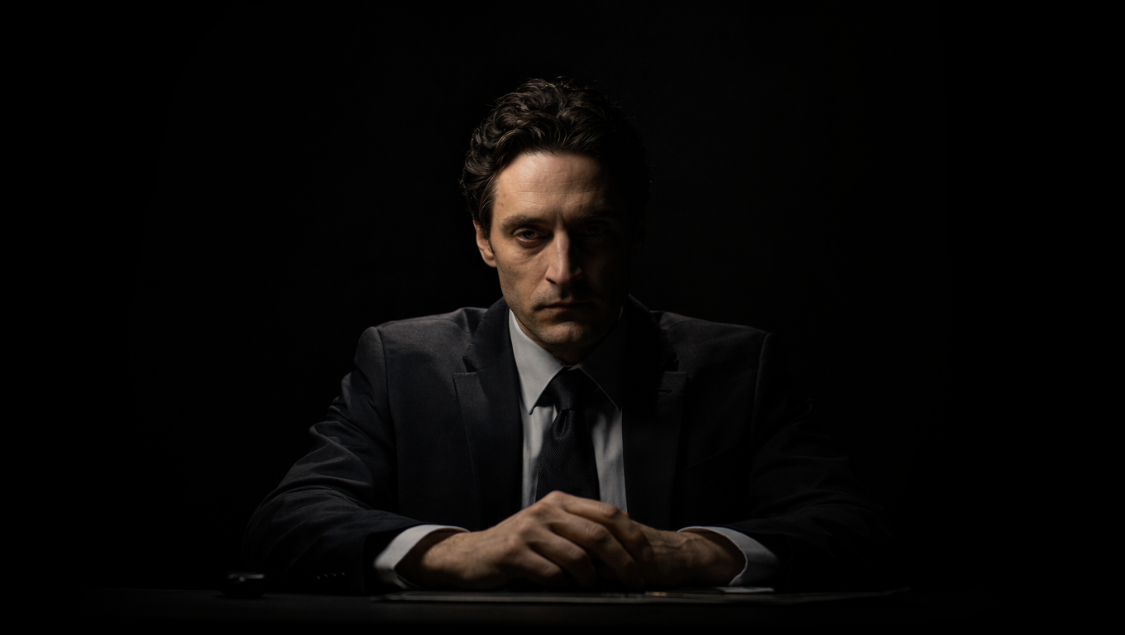
Hint: Light from left
Secondary description:
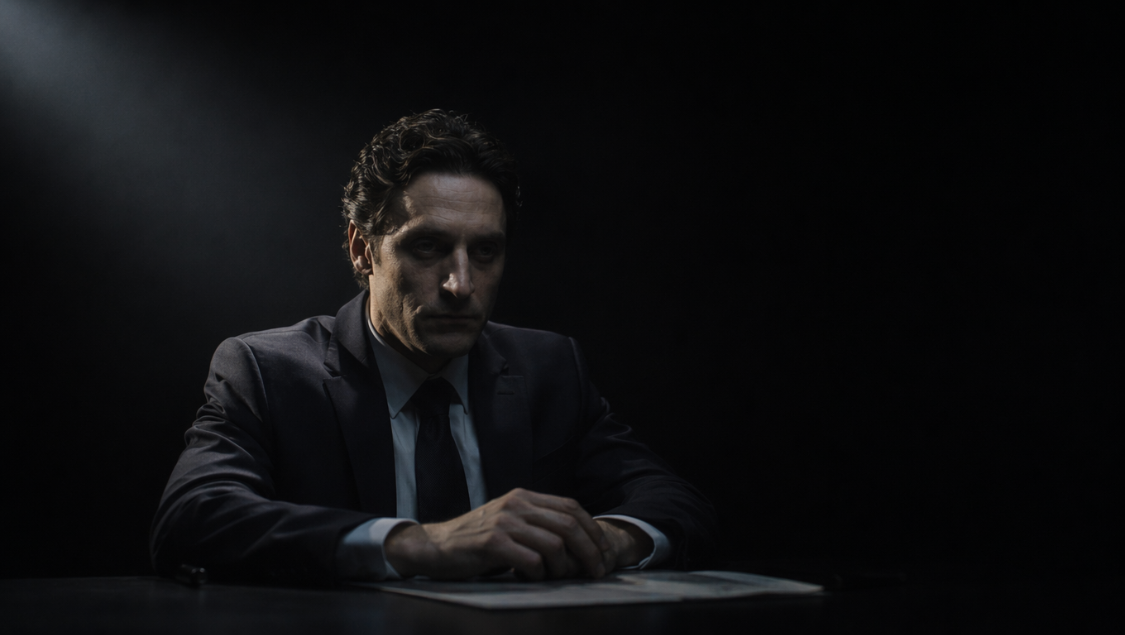
Side lighting, dramatic shadows
Advanced description:
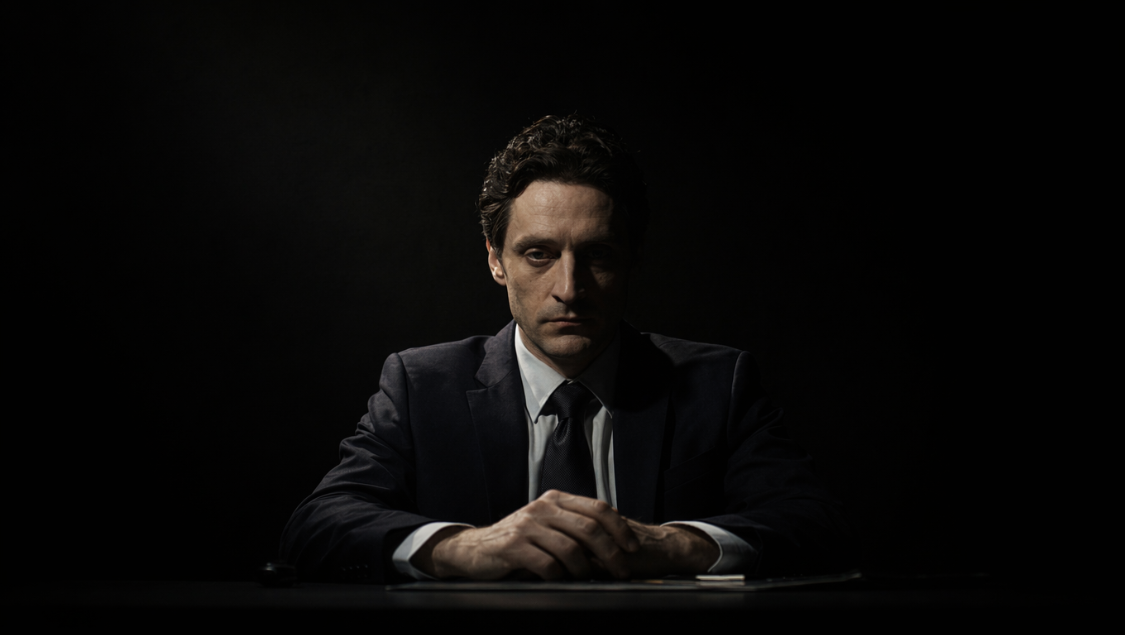
Change light effect, Rembrandt light, light and shadow, dark background
Chapter 3: First-stage programmes — use of Tapnow light tools
If you've produced a good bottom map, but the light isn't ideal enough to die in a hint. The simplest method would be to use plugins for a secondary remodelling。
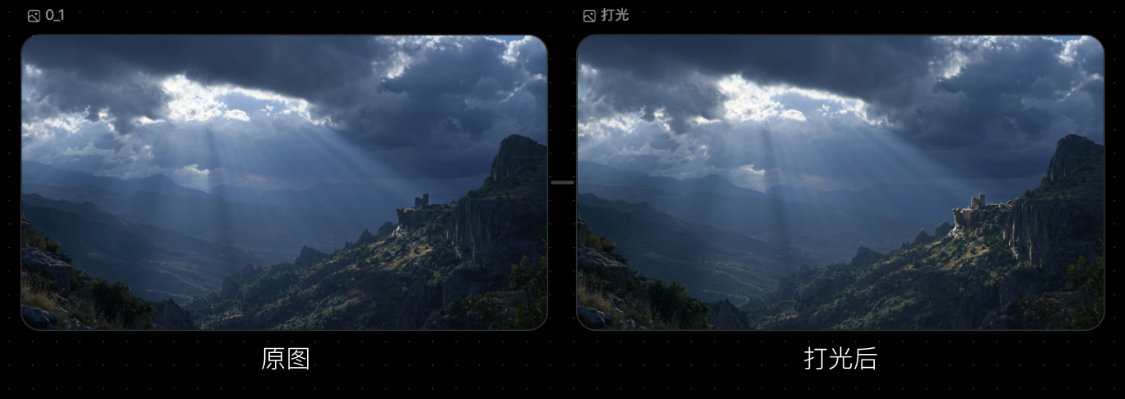
Tapnow Lighting Tool is a very new "dumb" program. It's a visual UI that allows you to drag the source coordinates directly on the 3D canvas。
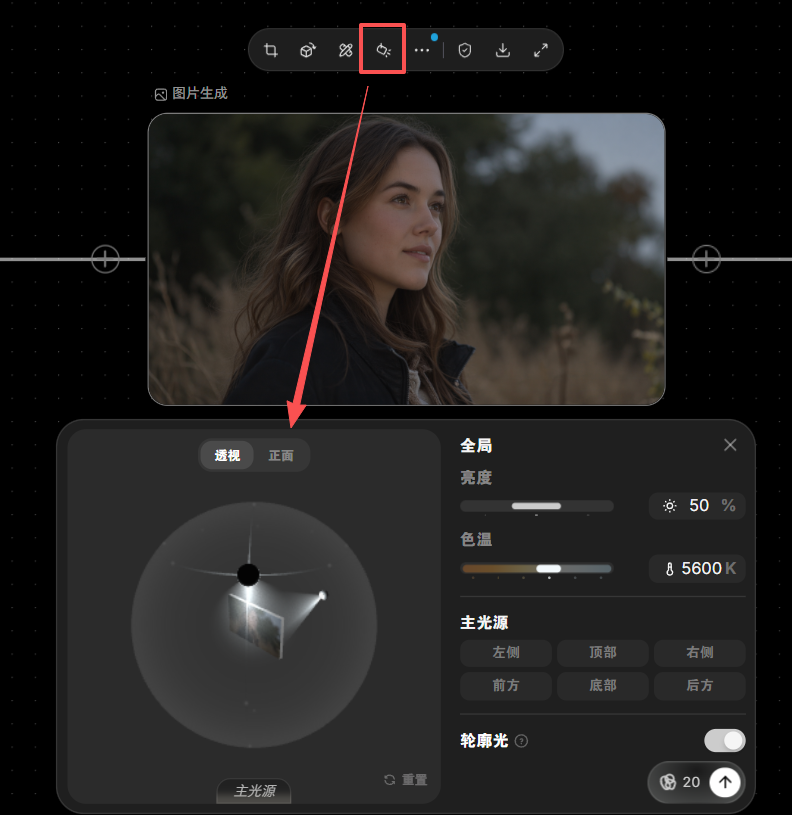
Advantages: fast and visual
To adjust the light-source colour and radius, it is appropriate for the small white with no systematic knowledge of the light shadow to produce a quick result and to produce a faster picture。
Limitation: Inadequate depth control
It tends to be thin when it deals with large scenes, high-dynamic contexts or deep images of complex insulated relationships。
Chapter 4: Progress Programme - Nano Banana pro
When hints and basic tools cannot meet high-precision creative needs, we need to introduce a more specialized remodeling process, i.e., a photo-simulation by Nano banana pro/GPT image2。
Core thinking: “Go to light” before “light”
IN COMPLEX LATER ADJUSTMENTS, DIRECT COVERAGE IS OFTEN INEFFECTIVE. PROFESSIONAL WORKFLOWS PROVIDE A CLEAN “NOISE” FOR SUBSEQUENT PRECISION LIGHTING BY ALLOWING AI TO “REFRAIN” THE LIGHT FROM THE PICTURE AND RESTORE IT TO A RELATIVELY EVEN DISPERSING LIGHT。
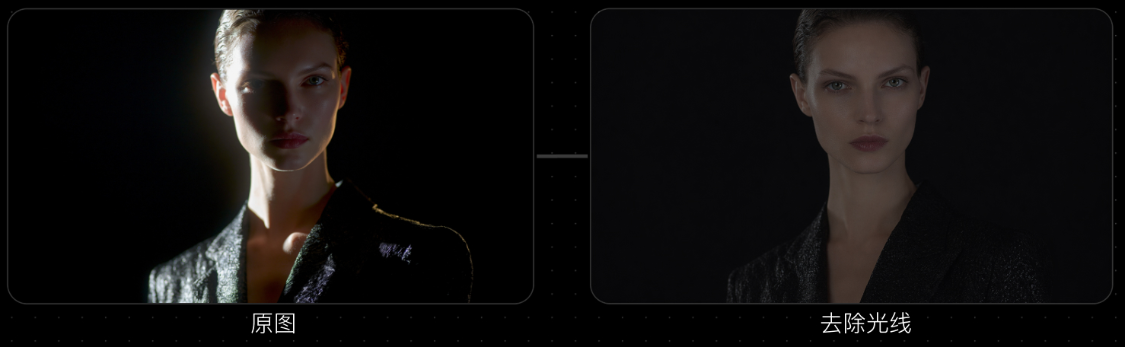
2. Exactly luminous and practical steps
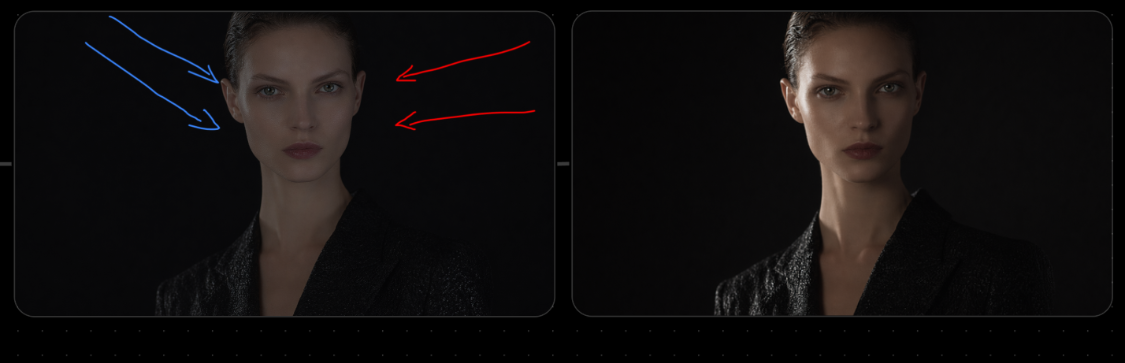
Draw arrows: determine the direction you want to increase the light source through precise arrows。
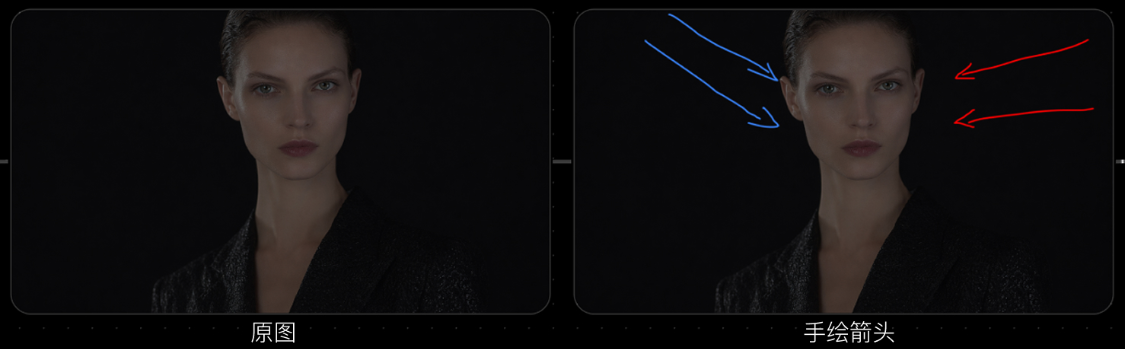
2. Indication generation:
A brief description of the light you want。
The prompt words are as follows:
The blue arrow leads to the Rembrandt light, the red arrow leads to the faint light
Concluding remarks: From blind generation to targeted creation
THE PROGRESS OF THE AI PAINTING IS ESSENTIALLY A RETAKE OF HUMAN CONTROL OVER THE GENERATION PROCESS. BY UNDERSTANDING THE BOTTOM-UP LOGIC OF AI, COMBINED WITH HINTING TECHNIQUES AND PROGRESSION TOOLS, WE CAN MAKE THE SHADOW NO LONGER A RANDOM BET, BUT A PRECISION TOOL FOR CREATIVE INTENT. IT IS RECOMMENDED THAT YOUR CREATORS TRY THE IDEA OF “GO LIGHT-RESTRUCTURING”, NOT ONLY AS AN ADAPTATION OF THE LIGHT, BUT ALSO AS A DEEP GRASP OF THE NARRATIVE RHYTHM OF THE PICTURE。