



Why does the same product appear normal when it's produced alone, when it's put in a different camera and suddenly gets bigger or smaller
Why are the details of the props in the first video so complete that in the second video the appearance changed? Sometimes, even the structure, colour and original dimensions of the props cannot be maintained。
In the face of these problems, many people keep changing their hints, repeatedly emphasizing the need to keep the same size and the true scale. However, even if many of the limitations are written, there is a risk of bias in the outcome。
This is because the appearance of the props, their physical dimensions and the way they are presented in different lenses are three different issues。
In order to improve the consistency of props, a reference map could be used, in addition to being explicitly required in the introduction。
This section presents two practical approaches。
THE FIRST IS TO INCREASE THE HAND-SIZE REFERENCE WHEN MAKING PROPS, SO THAT AI CAN UNDERSTAND MORE INTUITIVELY THE RELATIVE RATIO BETWEEN THE PROPS AND THE HUMAN BODY。
THE SECOND IS, WHEN GENERATING A CONTINUOUS VIDEO, TO TAKE DOWN A CUT-OFF OF A DEVICE THAT HAS ALREADY BEEN GENERATED IN THE PREVIOUS VIDEO, AS A REFERENCE FOR THE NEXT VIDEO, TO ALLOW AI TO CONTINUE, AS FAR AS POSSIBLE, WITH THE IDENTIFIED PROP LOOK AND SIZE RELATIONSHIP。
The two approaches address different issues in the production of props assets and continuous video generation, respectively. Once mastered, it reduces the repetition of adjustments and allows the props to remain more stable in different lenses。
One, why does the same props change
THE FIRST PROBLEM IS THAT AI IS ABLE TO IDENTIFY THE APPEARANCE OF THE OBJECT, WHICH DOES NOT MEAN THAT IT HAS AN ACCURATE GRASP OF THE PHYSICAL DIMENSIONS OF THE OBJECT。
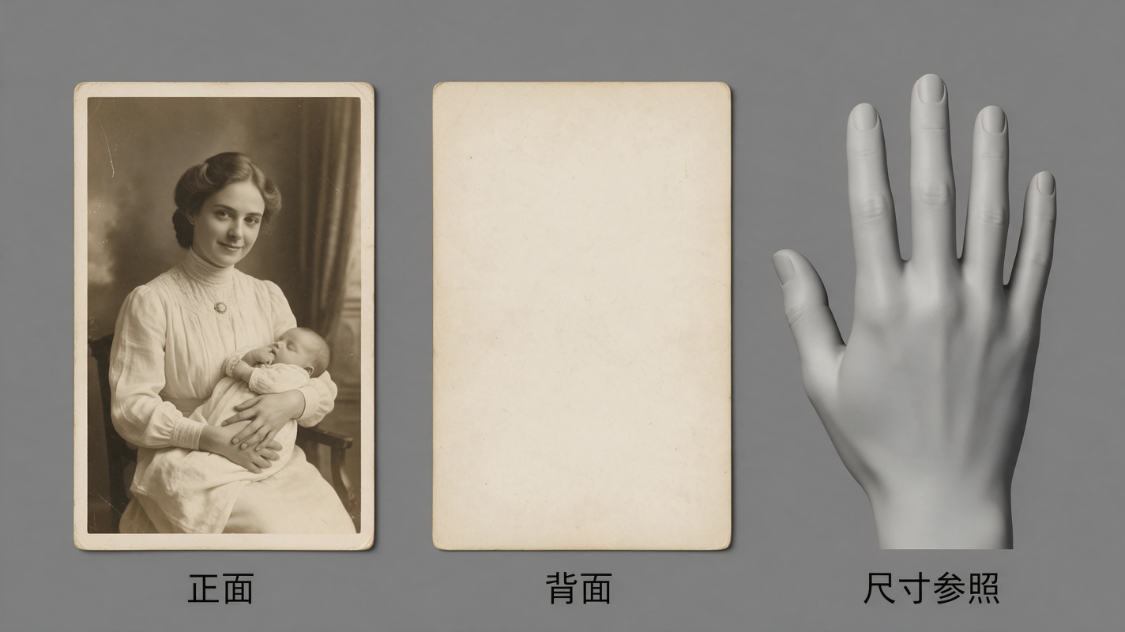
FOR EXAMPLE, YOU UPLOADED A PHOTOGRAPH HOPING AI WOULD GENERATE A CHARACTER WITH THIS PICTURE。
THE REFERENCE DIAGRAM CLEARLY SHOWS THE COLOUR, BORDER, PATTERN AND PAPER QUALITY OF THE PHOTOGRAPHS. THIS INFORMATION CAN HELP AI RESTORE THE IMAGE OF THE PHOTOGRAPH, BUT IT MAY NOT BE CLEAR HOW BIG IT IS IN REALITY。
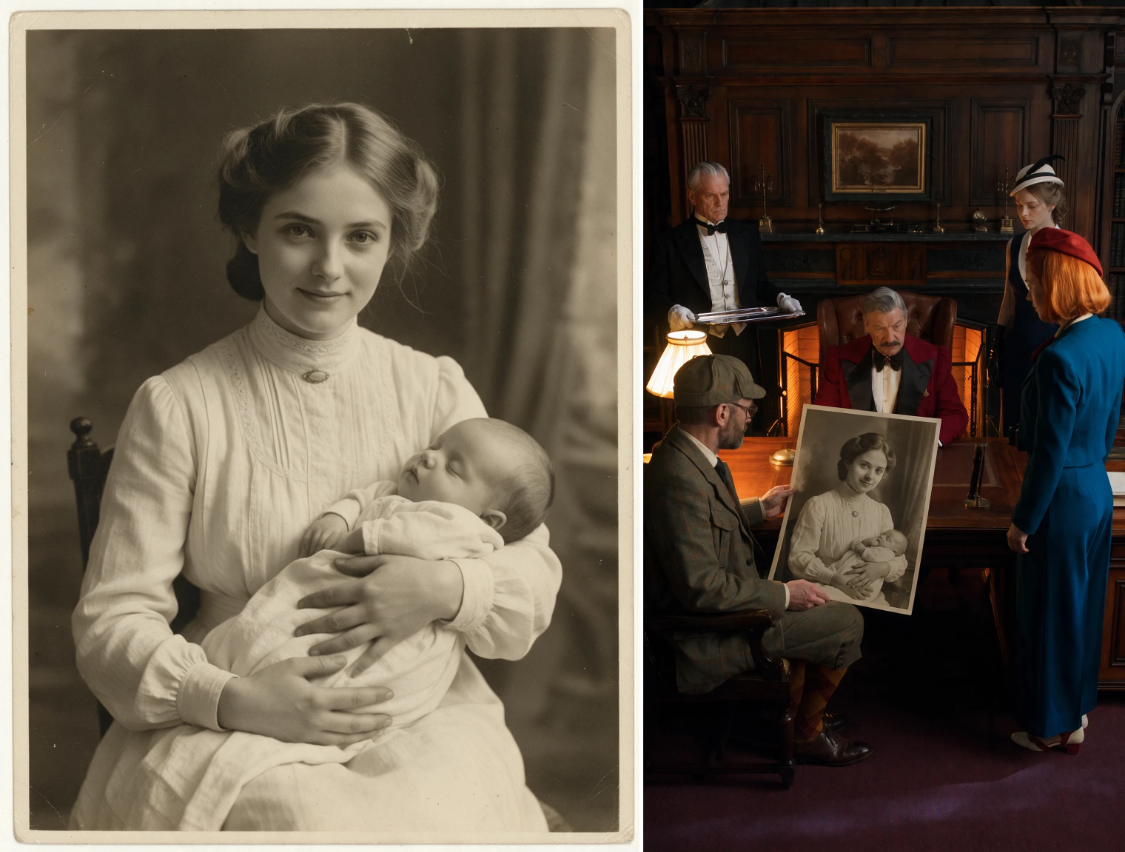
Props
The same can be said for mobile phones, cups, books, boxes and other products。
IF ONLY A PICTURE OF AN INDEPENDENT OBJECT IS PROVIDED, AI MAY KNOW WHAT IT IS, BUT LACKS A DIRECT BASIS FOR JUDGING ITS SIZE RELATIONSHIP WITH THE PERSON, THE HAND AND THE SURROUNDING OBJECT。
When props enter the whole scene, the position of the person, the image, the lens and the camera distance influence the final image. In the absence of a clear reference to the scale, the model may produce a proprietary that appears reasonable but is not natural in the actual proportion。
For example, a person holds a mobile phone, the width of which should be reconciled with the palm. If the resulting cell phone is so large that it is close to the whole hand, the person's position becomes unnatural。
If you continue to generate the next shot, the look of the cell phone may not have changed much, but the ratio between it and the person's hand may be different again。
Two concepts need to be distinguished here。
First, the actual proportion of the object。
For example, the size relationship between the cell phone and the palm, the size relationship between the book and the arm. These relationships should be in line with reasonable realistic measures。
Secondly, the proportion of objects in the picture。
The same cell phone, which may be a very small part of the picture in the vision, may occupy most of the central part of the picture in the feature. That's normal photography。
What we really need to address is not to make the props look as big in all the lenses, but to maintain a reasonable physical scale and appearance of continuity in different scenarios。
Therefore, in order to improve the consistency of props, it is important not only to focus on indicators, but also to consider what information should be provided by reference assets and how that information continues in the follow-up lens。
II. METHODOLOGY I: Increased controllable size reference for props through mapping
The first approach would be appropriate before the official video was generated。
We do not need to remake props, nor do we need complex three-dimensional modelling。
ONCE THE ORIGINAL PROPS ARE READY, AND THEN A HAND IS ADDED TO IT AS A SIZE REFERENCE, THEN AI WILL BE ABLE TO GET A CLEARER PROPORTION OF INFORMATION。
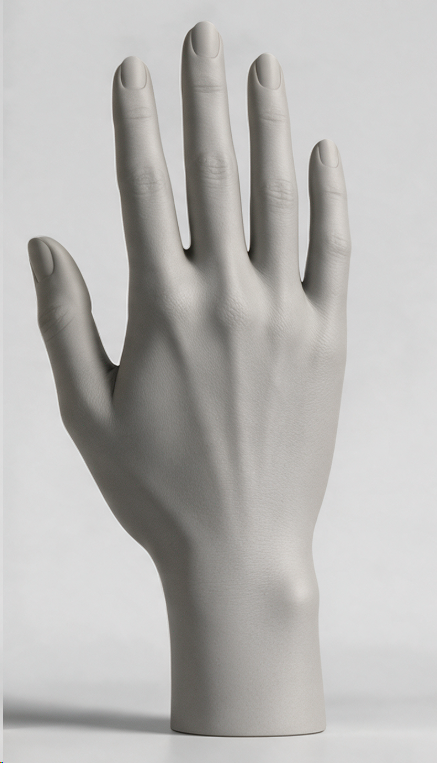
Moreover, the size of the hand and props can be controlled by the introduction。
Step 1: Prepare a picture of the original props
First, prepare a picture of the props that have been produced。
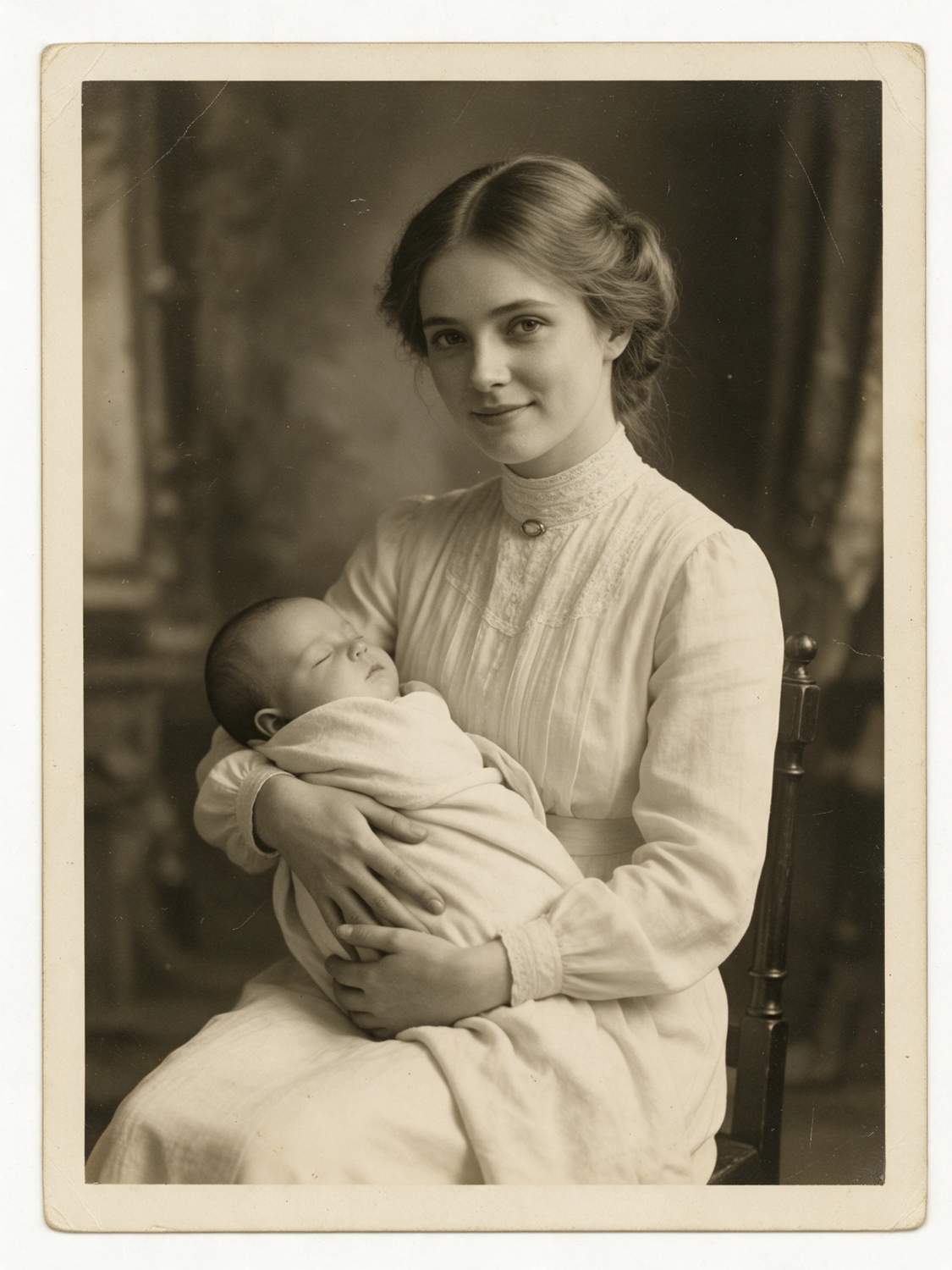
It can be a will, a letter, a book, or a cup, a mobile phone, a box or other product。
IF IT IS PLACED DIRECTLY IN THE HANDS OF THE PERSON, AI MAY DETERMINE THE SIZE OF THE WILL ITSELF。
So we can start with this prop picture, add a size reference to it, and then use it for subsequent scene generation。
Step 2: Increase hands and control through mapping
next, the photo of the original props is uploaded into the feedream 5.0 pro。
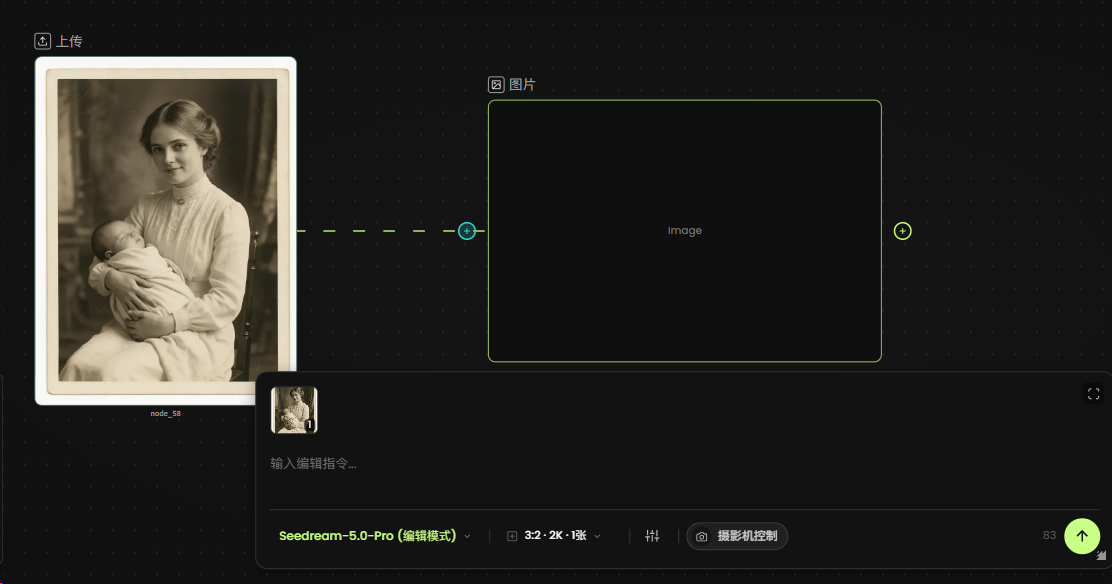
The objective of this step is very clear。
Retain the appearance of the original prop, add a virtual palm to it and specify the size of the prop to that of the hand。
Here, we use a uniform light gray virtual palm model, not the hands of real people。
Because virtual palms do not have complex skin textures, accessories and clothing details, they can more clearly assume the role of size reference。
We set the length of adult women ' s virtual hands from wrist to middle fingertips at about 18 centimetres。
Next, just by modifying a ratio parameter, you can control the size of the props relative to the palm。
For example:
0.5 times: The longest side of the props is about half the length of the hand, or 9 cm。
One times: the longest side of the props is the same as the length of the hand, i.e. 18 cm。
1.5 times: The longest side of the props is approximately 27 cm。
Two times: The longest side of the props is approximately 36 cm。
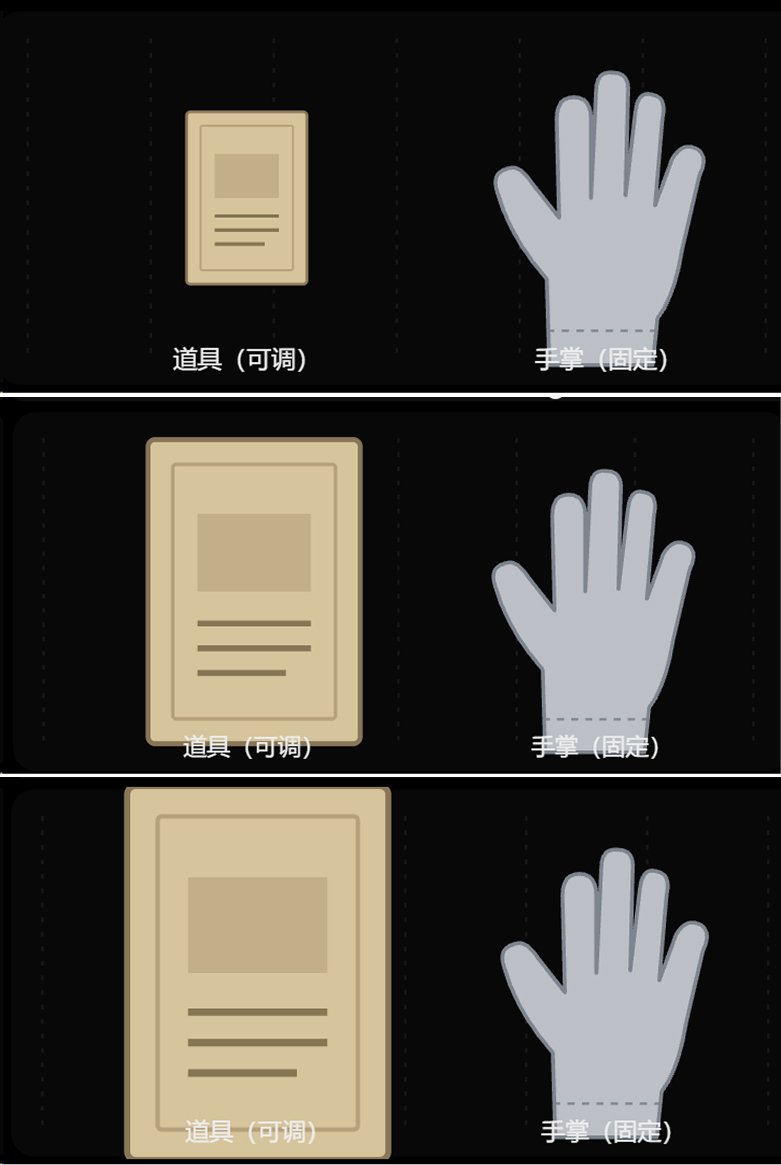
SO WE DON'T HAVE TO LET AI SPECULATE ABOUT THE SIZE OF THE PROPS ON ITS OWN EVERY TIME, BUT WE CAN DECIDE THE PROXIMATE SIZE OF THE PROXIES BY MODIFYING THE PROPORTIONALITY PARAMETERS。
For example, if a small photograph is produced, an attempt can be made to set the ratio at 0.8 times。
If you generate a larger paper file, you can set the ratio 1.5 times。
If a larger props are generated, the proportion can continue to increase。
Specific values need to be adjusted to actual object and creation requirements and not all props are suitable for the same ratio。
The following is a generic graphic introduction that can be used directly。
Use my uploaded photo of the original props as the only external reference and keep the original shape, width, colour, material, texture, pattern, edge structure and all identifiable details, without redesigning the props。
** [Size ratio controls]**
Add an independent, adult female virtual right hand model to the right side of the props as a size reference. The fixed reference is based on a length of approximately 18 cm from wrist to middle finger pointer. The actual size of the longest side of the props is set at ** [1] times the length of the wrist to the point of the middle finger.** The relative size of the props is determined on the basis of this ratio, and priority is given to keeping the palm sizes constant, and to achieve the specified ratio by scaling the proxies, without stretching or compressing their original shape. ** [Hands and Space Relationships]**
Virtual palms point to the lens, with five fingers of natural sprawl, a little bit of separation, and a finger point at the top of the picture. The hand uses a uniform, light, grey, three-dimensional model of materials without real skin texture, accessories, gloves or sleeves. The palms are used only for size comparisons, without taking, touching or shielding, leaving a clear gap between the two. The hand is at the same range as the props, using a presentation angle that allows for direct comparison of sizes. No object shall be amplified or reduced through a peri-vision. [Image Request]**
To expand the image properly and to accommodate the props and palms. The original view and appearance features of the proprietors are maintained, the background is concise and the light is smooth. Strictly apply the specified size ratio to ensure that the relative size of the hand and props is visible and does not add additional objects。
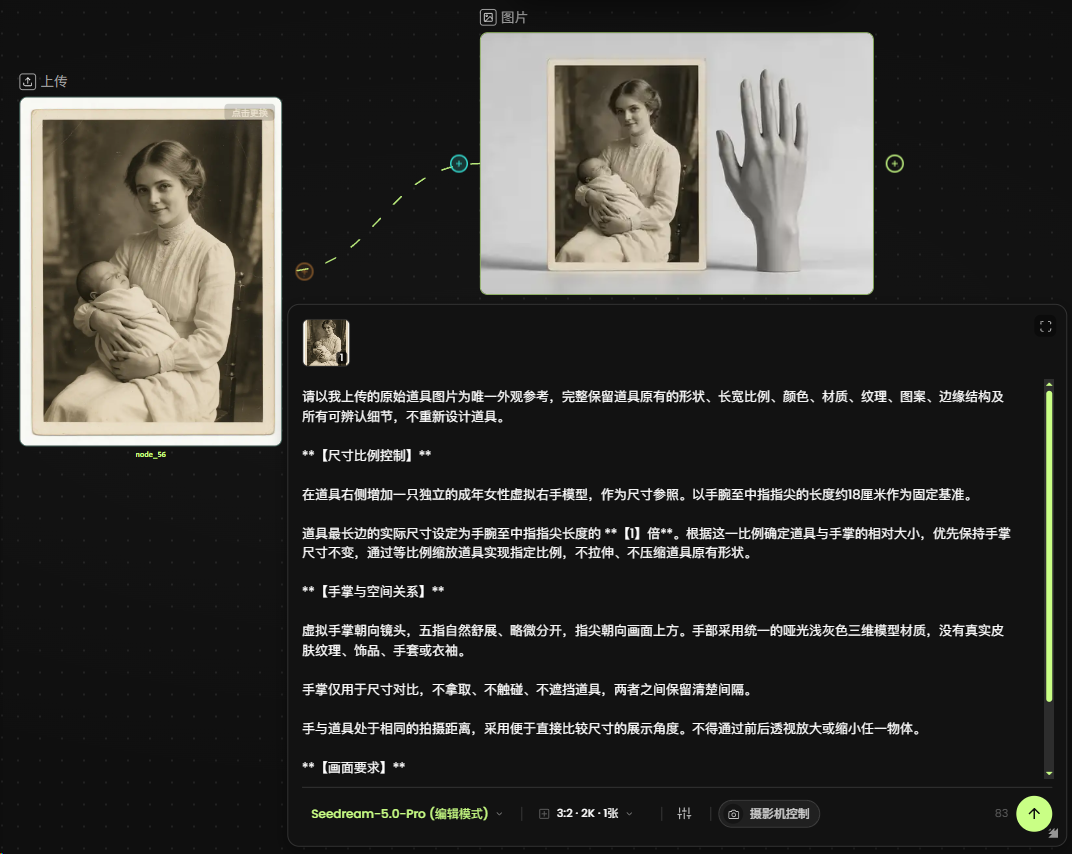
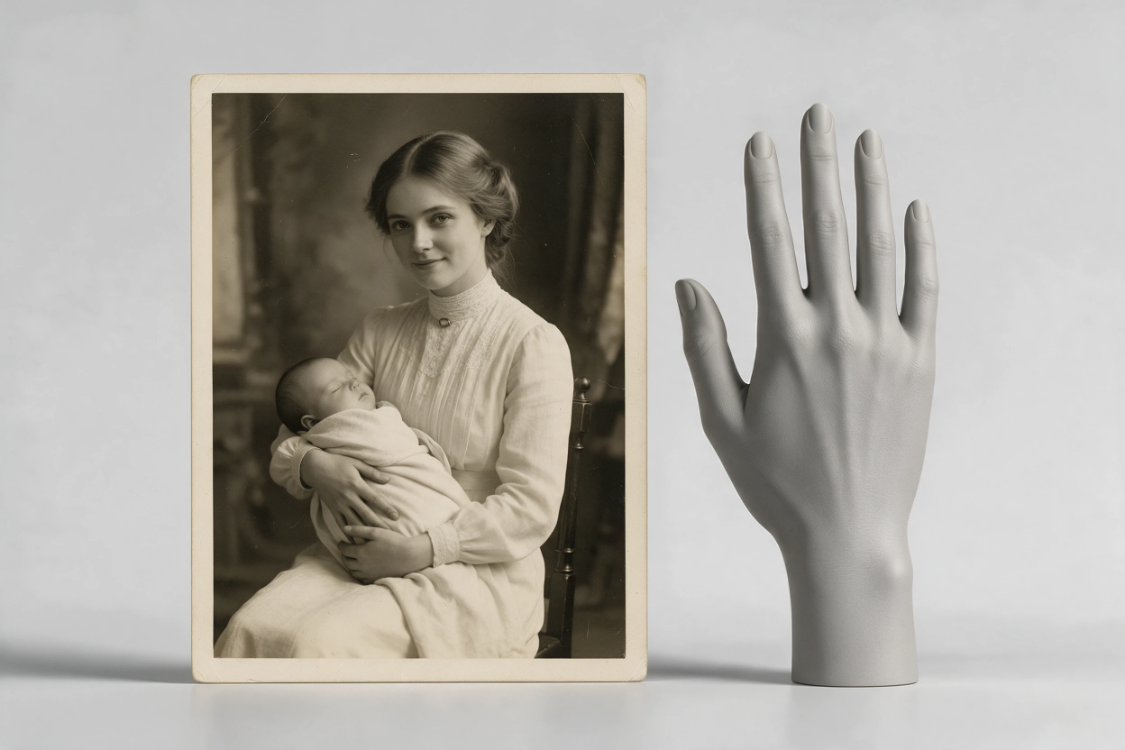
Finally, save the adjusted picture。
At that point, what we get is not just a picture of the look of the props, but an asset map that also includes both the appearance and size of the props。
THIS IMAGE CAN THEN BE USED AS A REFERENCE FOR THE GENERATION OF THE OFFICIAL VIDEO, AND AI IS CLEARLY INFORMED THAT ONLY THE APPEARANCE AND SIZE OF THE PROPS ARE REFERENCED AND THAT THE GREY VIRTUAL PALMS NEED NOT BE GENERATED INTO THE OFFICIAL PICTURE。
The first approach was thus completed。
III. METHODOLOGY II: An amplogram from the previous video is used as a reference for the next video
The first approach is suitable for use at the production stage of props。
But if we have already generated a video, and if we need to continue to produce the second and third, how do we keep the proprietors consistent
A second approach could then be used。
The core lines are:
Draws a clear picture of the props from the video that has been generated and uses it as a reference for the next video。
This method does not require the re-engineering of hand-held props assets, but uses the results already confirmed in the previous video。
We are, for example, making a skeptical short film。
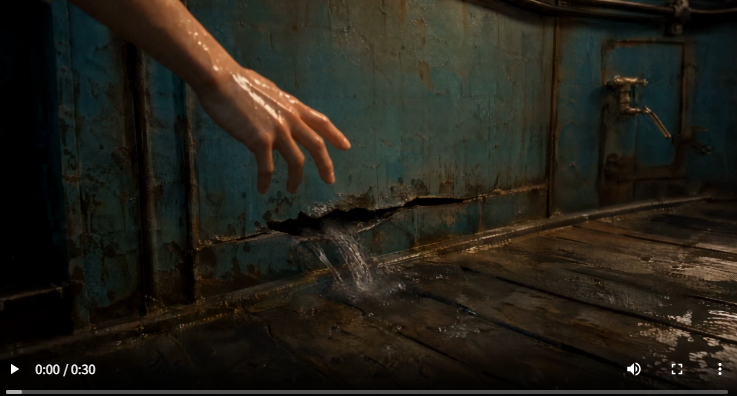
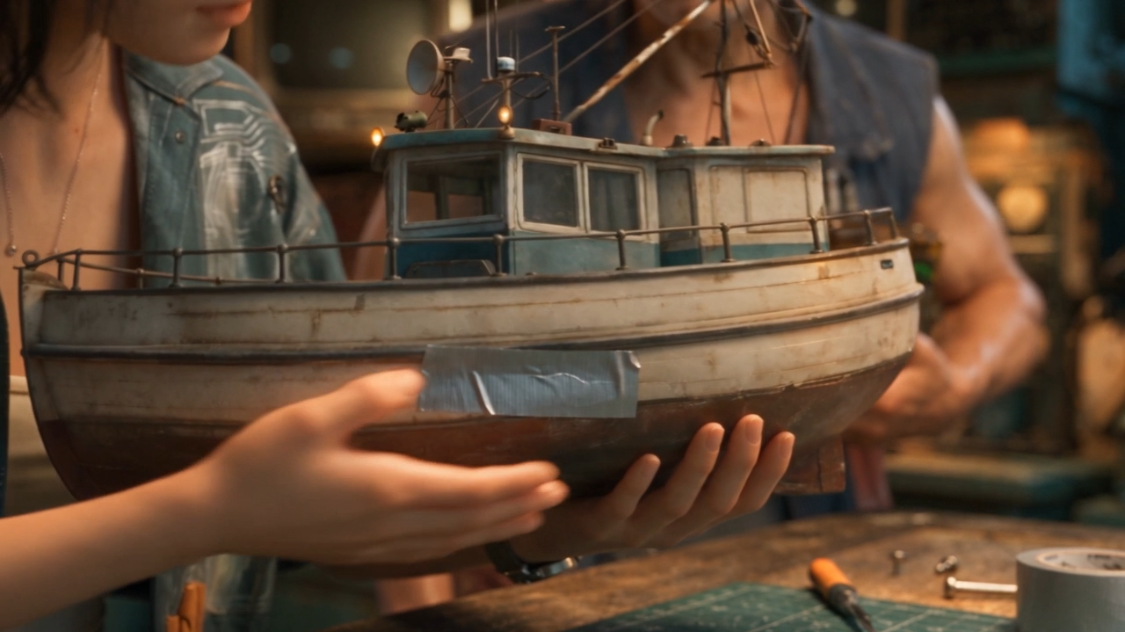
In the image, a character is checking an old boat model。
The vessel model has a yellow white hull, a dark-coloured old mark, a blue green cabin, a rail, an antenna and other small structures。
In the first video, the vessel ' s appearance and size had been met。
Next, we need to generate a second video to keep people watching or operating the same ship model。
If only the words were recapitulated and the props were carried in the hands of the original props ' asset figures, the details of the props ' stickers and the size of the props would be inconsistent。
Even if it still looks like an old ship model, it is not necessarily the same prop in the previous lens。
At that point, the simplest way is to select a clear picture from the first video and save it。
Step 1: Extract key frames from the first video
First, open the first video that's been produced。
Find the props to show a clearer moment and take the picture down。
It's not just a frame。
Every effort is made to select a picture with a complete profile, a clear main structure and no serious motion ambiguity。
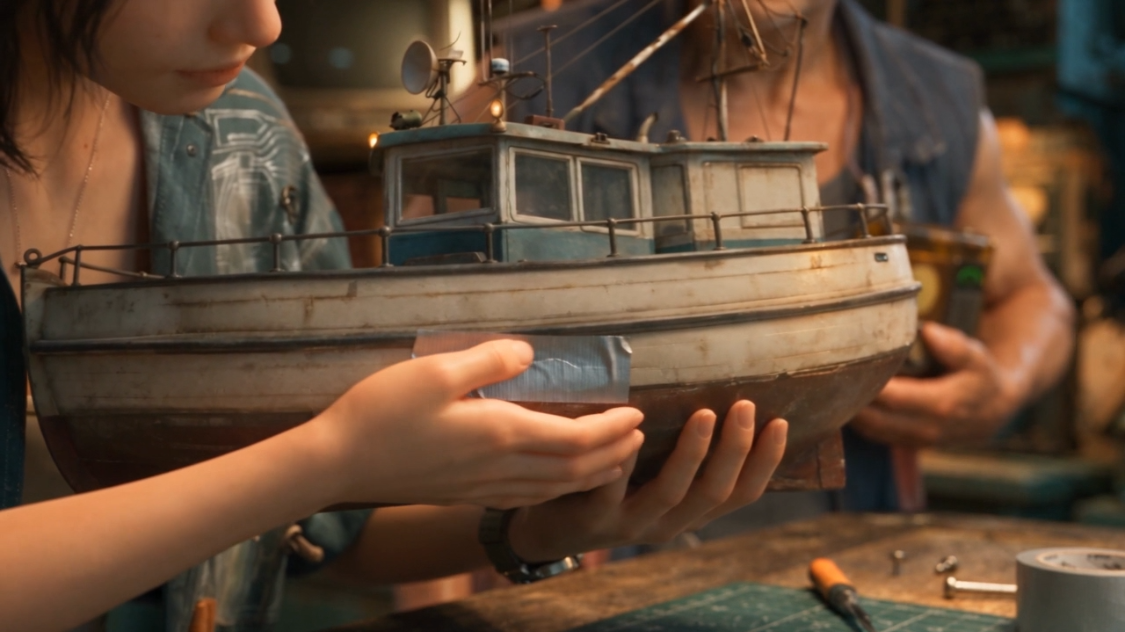
Step 2: Use the screenshot as a reference for the next video
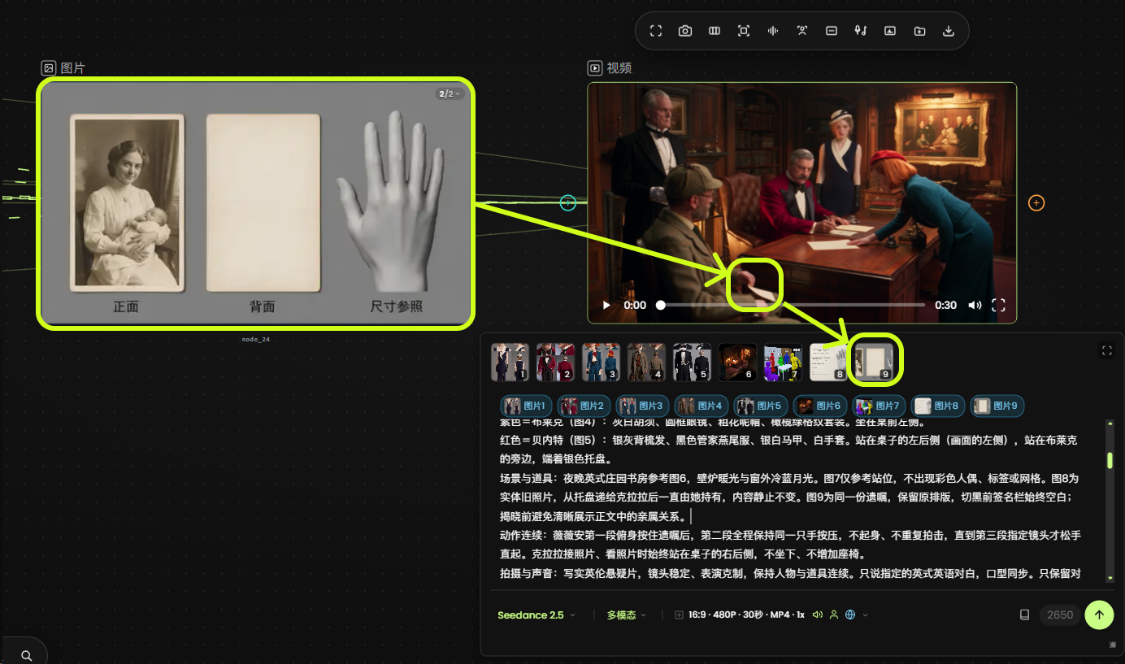
After the screenshot is saved, when the second video is generated, the picture is uploaded to the video generation tool that supports the picture reference。
THEN AI WAS TOLD THAT THE PROPS IN THE REFERENCE DIAGRAM WERE THE SAME ITEMS THAT HAD ALREADY APPEARED IN THE PREVIOUS VIDEO。
The second video needs to continue its appearance, structure, material, colour and dimensions。
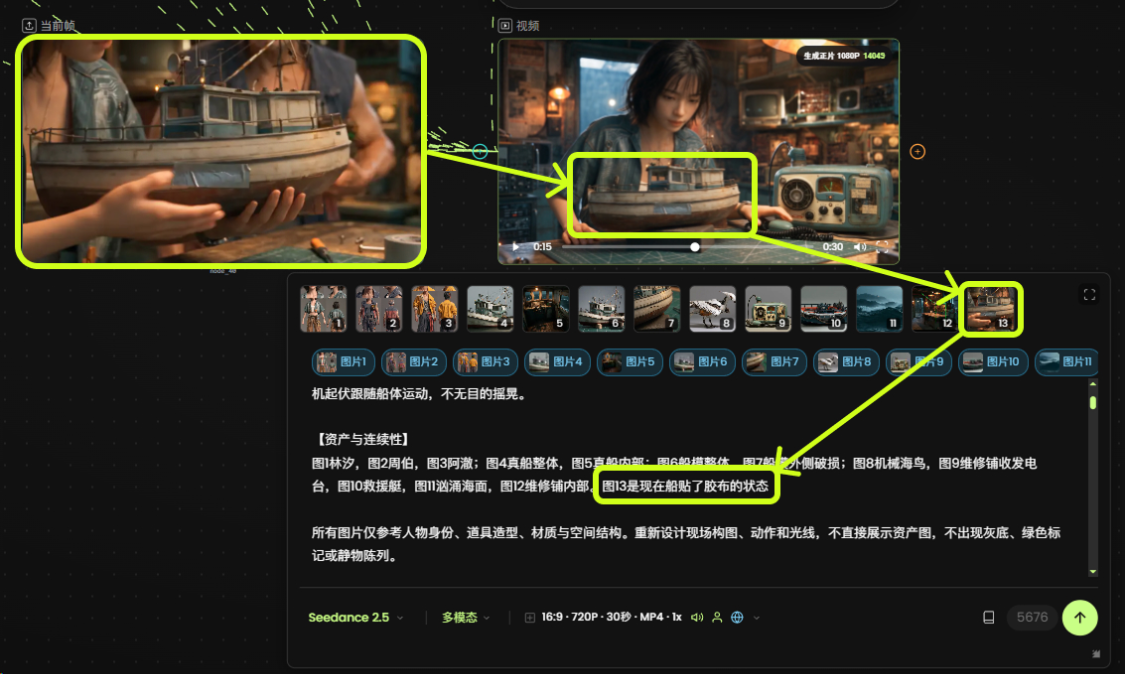
Step 3: Specifying the role of reference maps
In video-generated hints, it is proposed to add a prop
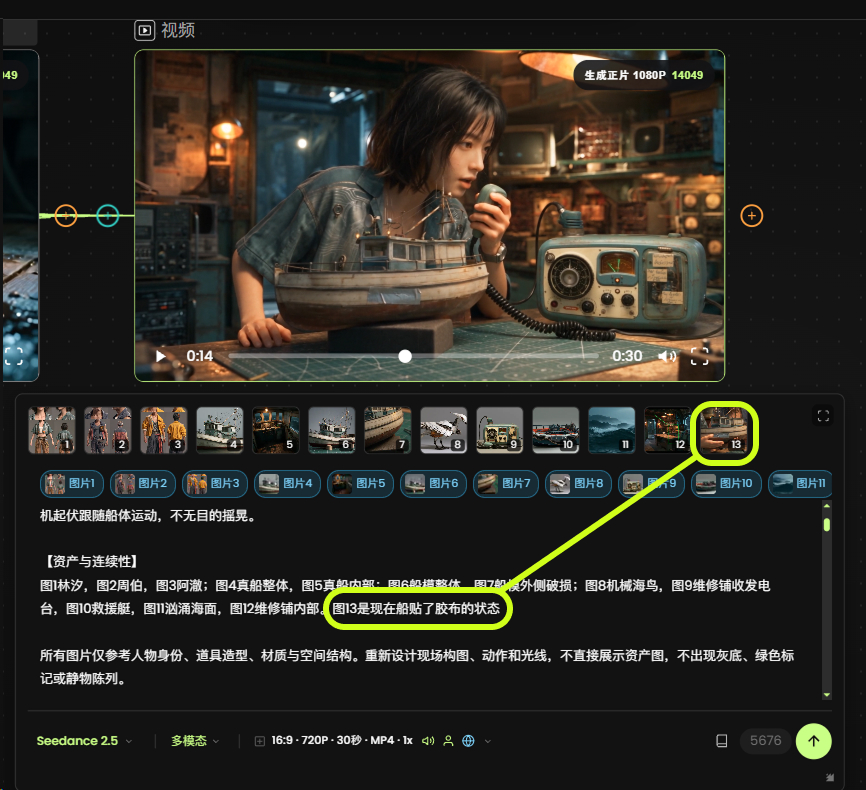
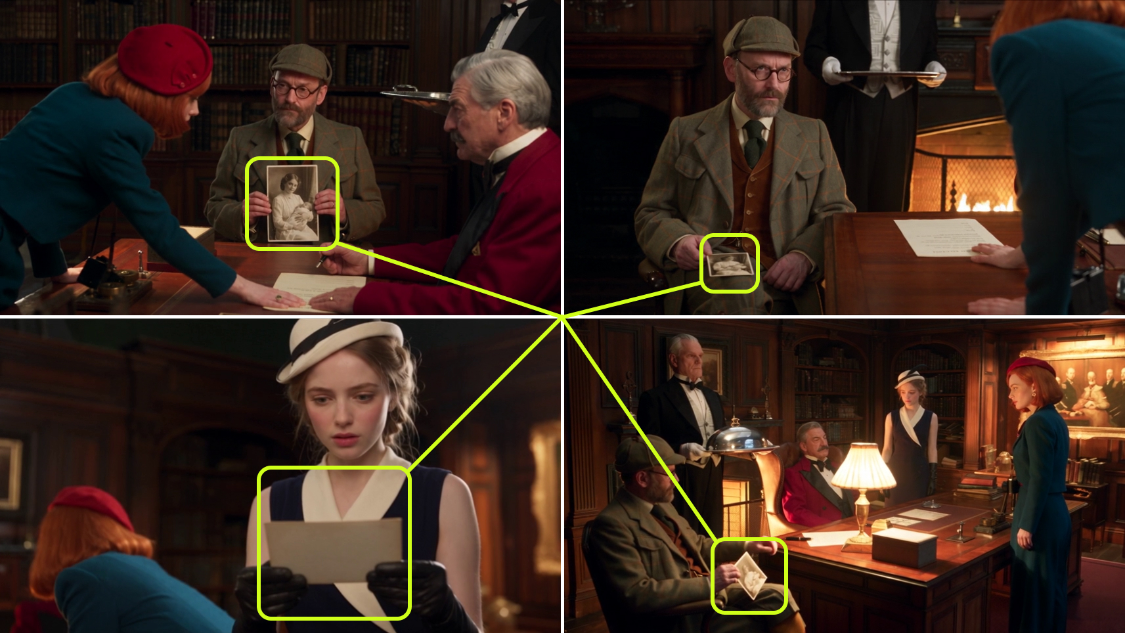
Here, for example, simply shows that figure 13 is the state of the ship's duct tape
ITS MAIN ROLE IS TO TELL AI THAT THIS REFERENCE CHART PROVIDES PROPS, NOT A RESET OF THE WHOLE PICTURE。
Thus, when the second video is generated, the model will be able to obtain a clearer visual reference。
Step 4: Consistency of pre- and post-censor video sets
When the second video is produced, we need to compare two clips。
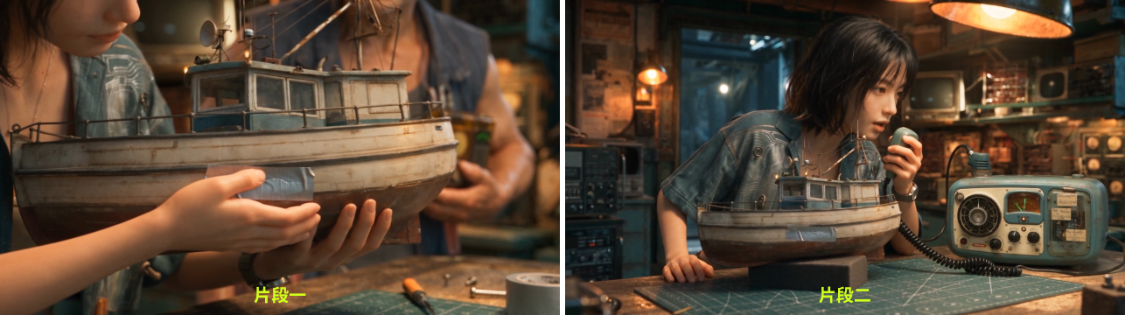
Why does the second approach improve the consistency of continuous video
After understanding the second approach, we also need to know why it works。
The reason is really simple。
A good picture has been generated, and can itself become a visual reference for subsequent generation。
WHEN WE ONLY USE WORDS TO DESCRIBE A PROPS, AI NEEDS TO RE-UNDERSTAND THE APPEARANCE OF AN OBJECT BASED ON THOSE WORDS。
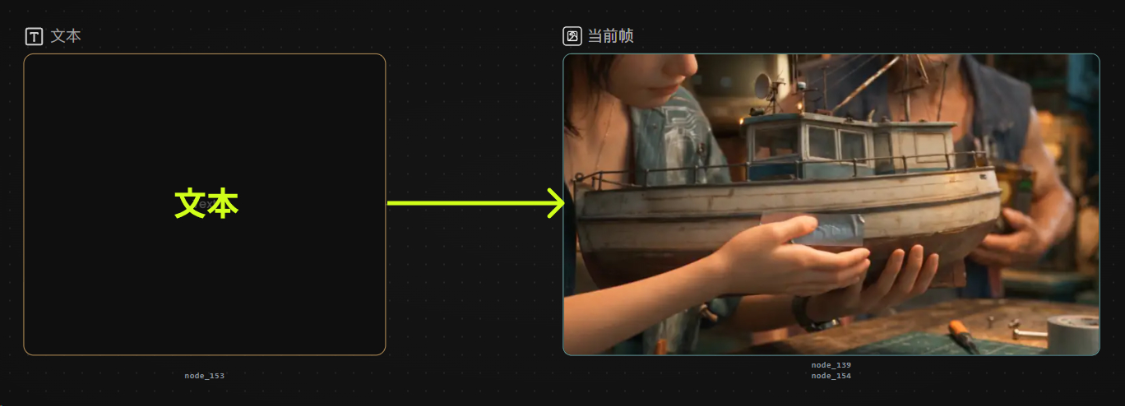
Even if we had written all the colors, shapes and materials, it would be difficult to complete all the details of a complex prop。
For example, a ship model may have multiple decks, different shapes of bars, special cabin structures and a large number of small decorative parts。
If each video recapitulates these elements, it requires not only longer hints, but also easier to omit details。
But if the images that have been generated are used as a reference, the model can see these structures directly。
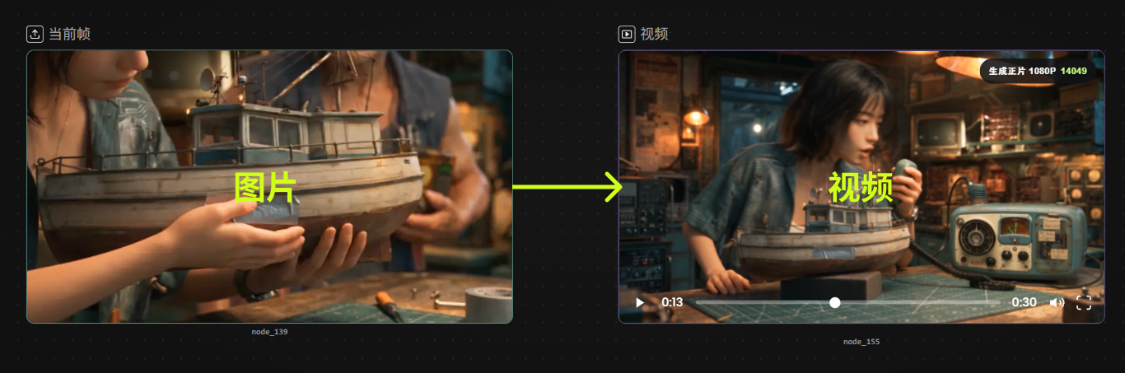
Similarly, the reference diagram can provide a certain size basis for subsequent generation if it contains a link between the person ' s hand and props。
This amounts to the continuation of the results already confirmed in the previous video to the next video。
However, this approach also has an issue that requires attention。
If the proxies in the previous video had already been marked by a ratio error, it would also have allowed the deviation to continue if the wrong images had been used as a new reference。
Therefore, priority should be given to the key frame of the right look and the right size。
V. What are the circumstances appropriate for each approach
While both approaches can help us to control the consistency of props, the stages of use differ。
First: No video has been generated
If you've got a picture of the prop, but you haven't put it in the official scene, you can use hand-held reference。
Add a fixed-sized virtual palm to the props through the map。
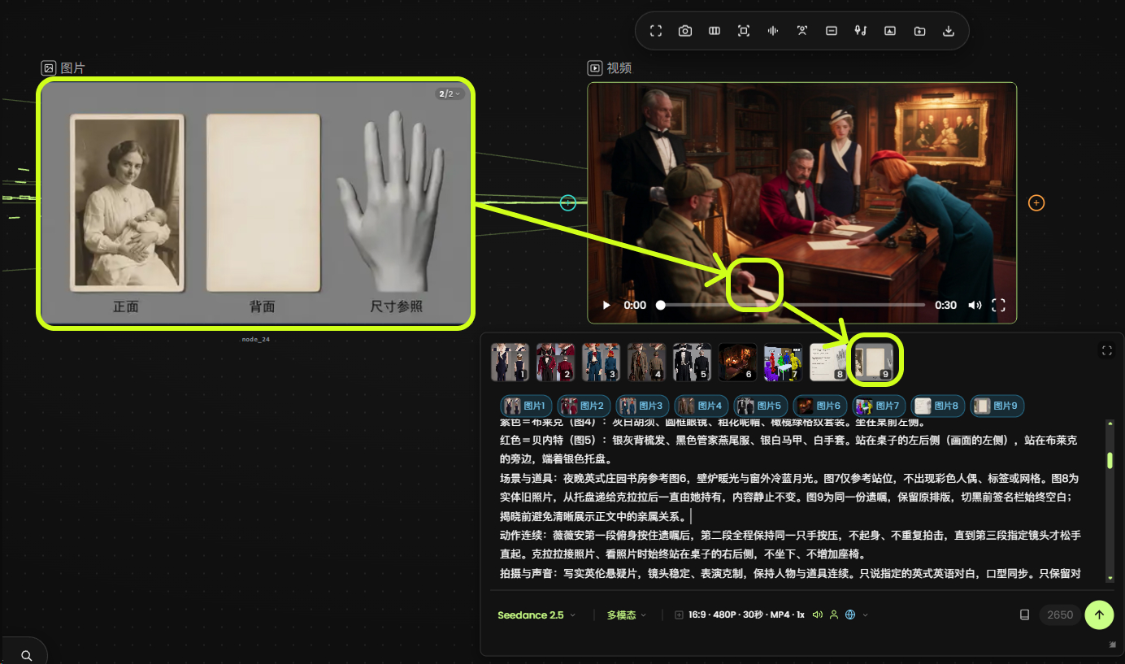
The ratio parameters are then modified to take active control of the size of the props, depending on their actual needs。
Once the proportionate adjustment is completed, it can be kept as a standard asset for subsequent photo or video generation。
This approach is better suited to address the lack of information on the size of the initial assets of props。
Second: A video has been generated
If the first video has been generated and the prop look, structure and size of the device are in line with expectations, a clear key frame can be extracted directly from the video。
The key frame is then used as a reference for the next video。
This approach does not require re-programming, but simply continues to produce good visual results。
It is more appropriate for multi-scenes, serial dramas and product videos。
VI. Creating a more stable process for the creation of props
For projects that require a continuous production of multiple lenses, both approaches can be organized into a fixed set of processes。
First, prepare original prop picture。
If the props have no clear size reference, the virtual palms are increased by drawings and their size is determined by proportional parameters。
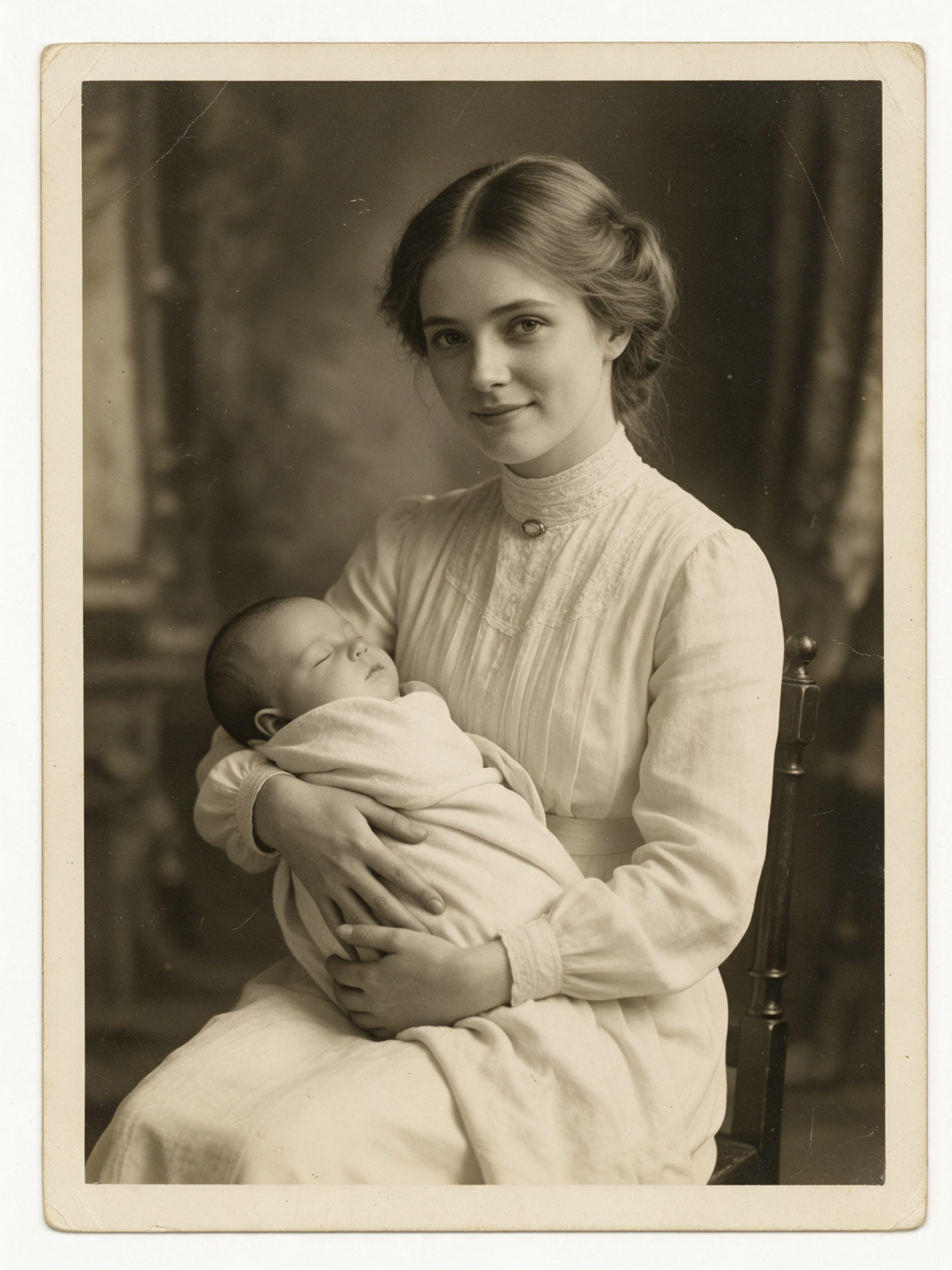
The processed propiotypics are then kept as standard reference assets。
The asset is then used to generate the first video and to check the appearance, structure and relative ratio of props。
When the first video was successfully generated, a clear key frame of the prop was selected。
Subsequently, when the second video was generated, the key frame was used as a new visual reference and there was a clear requirement to maintain the same look and size。
If the third and fourth paragraphs of the video follow, this method could be continued。
It should be borne in mind, however, that subsequent generation does not always have to use a screenshot of the previous video。
If the standard proprietary assets initially held were clearer or if there was a discrepancy in detail in the subsequent intercept, priority should be given to the identified standard assets。
Conclusion
AI video generationConsistency in it is not a phrase that can be fully resolved by keeping size constant。
When the props have not yet entered the scene, we can add a fixed hand-hand reference to them by drawings, and then control their size by proportional parameters。
When the first video has been generated, we can take the key frame directly from it, as a reference for the next video, to continue, as far as possible, the established appearance, structure and dimensions。
The former addresses the control of the initial size of the props, while the latter addresses the continuity of props in the lens。
COMBINING THESE TWO APPROACHES WILL REDUCE THE NUMBER OF INSTANCES IN WHICH AI RECALCULATES THE SIZE AND APPEARANCE OF PROPS IN DIFFERENT LENSES。
REMEMBER, IN ORDER FOR AI TO PRODUCE THE SAME PROPS MORE STEADILY, NOT ONLY TO TELL IT WHAT THE PROPS ARE, BUT ALSO TO GIVE IT A CLEAR-SIZED BASIS AND TO KEEP CONFIRMED VISUAL INFORMATION IN THE FOLLOW-UP LENS。