



Why some AI AnimationLooks like fun. People exaggerate. And some of the works, though long-written, produce people who are deformed and whose background and character are not the same
Often, the problem is not that there are not enough hints, but rather the order and control。
ANIMATED AI DOES NOT GIVE A STORY TO A MODEL AND WAIT FOR IT TO AUTOMATICALLY PRODUCE A FULL PIECE. THE CHARACTER ASSETS DETERMINE WHETHER OR NOT THE ROLE IS STABLE, THE SCENE REFERENCES DETERMINE WHETHER THE SPACE IS REASONABLE, AND THE ANIMATED HINTS ARE RESPONSIBLE FOR MOVING THESE ELEMENTS ACCORDING TO EXPECTATIONS。
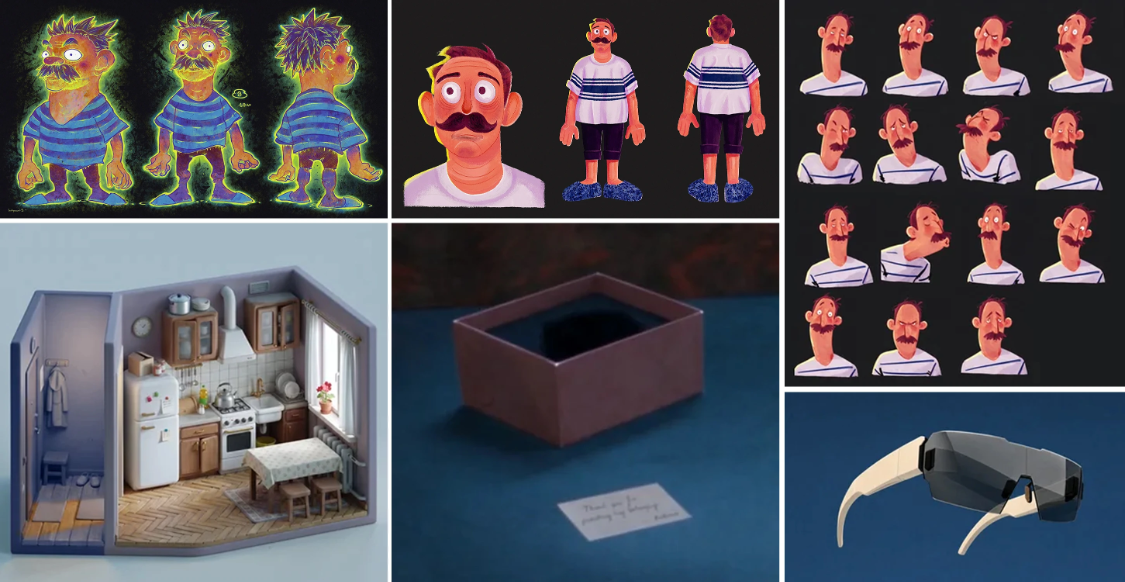
IN PARTICULAR, THE ANIMATION OF TWO-DIMENSIONAL CHARACTERS IN COMBINATION WITH A THREE-DIMENSIONAL SCENE REQUIRES BOTH THE PRESERVATION OF THE CHARACTER OF THE HAND-DRAWN PERSON AND THE NATURAL PLACE OF THE PERSON IN A THREE-DIMENSIONAL ENVIRONMENT. IT'S USUALLY NOT ENOUGH TO WRITE A “2D PERSON PLUS 3D SCENE.”。
This section is based on the actual production process, and provides clarity on how to design scripts, create role assets, control hybrids, prepare animated alerts and how to modify them in a more effective way when they produce less than optimal results。
Chapter I: Write the script first, and don't rush into the video
1. Why should animation begin with a script
THE FIRST DIFFICULTY OF ANIMATING IS NOT A PICTURE, BUT A STORY。
In the absence of a clear story, a person becomes a mere act. Even if every shot is fine, it may be unattractive to play on a continuous basis。
Before starting production, answer four questions:
1. Who is the protagonist
What problems have the protagonists encountered
3. What is the main actor doing
4. What happened at the end of the story
These four issues determine the basic structure of the short film。
FOR THOSE WHO HAVE JUST STARTED MAKING AI ANIMATIONS, IT IS SUGGESTED TO START WITH STORIES OF FEWER PEOPLE, FEWER SCENES, SIMPLE ACTION. ONE OR THREE ACTORS, ONE OR TWO SCENARIOS, COULD BE USED TO MAKE A CLEAR CONFLICT。
For example, an individual who was ready for breakfast found that the food on the plate was constantly changing. The idea is not complex, but it naturally extends to the discovery of problems, attempts to solve them, repeated failures and eventual reversals。
What really needs to be designed is why every move happens and what happens after it。
HOW CAN AI HELP YOU TO PERFECT THE SCRIPT
You can give the original idea to Codex or any other AI assistant who can handle long text to help organize the story instead of directly asking it to generate video。
That's what you can say
You're an animated writer. I'd like to make an AI animation of 45s-60s, the core idea is: Please provide three different story directions, each of which requires a clear opening, conflict, movement change and end. It gives priority to options with fewer people, fewer scenes and clear visual action. The story should be understood directly through images, without relying on extensive interpretation. When the direction is set, the story is split into continuous footage. Each shot is clear about the content of the picture, the movement of the person, the emotional changes, the photo view and the connection of the back and forth. Don't add a story that has nothing to do with core creativity。
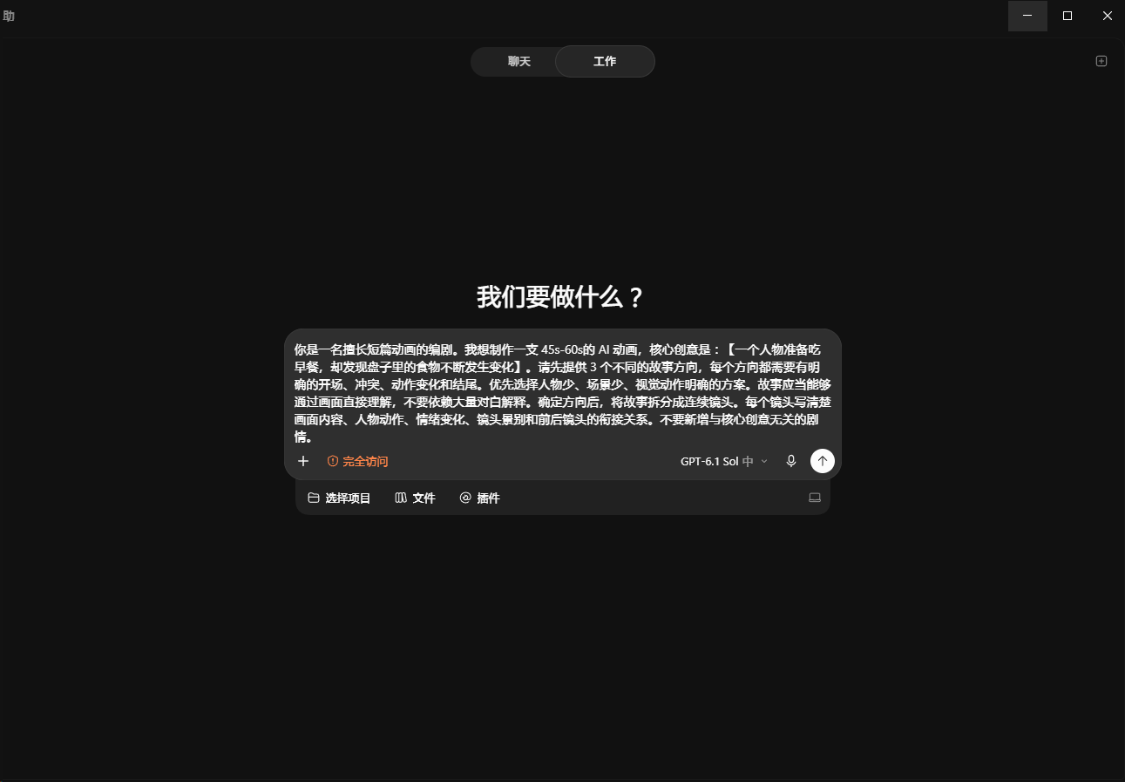
When you get the results, don't start generating them. Let's check if there's a complete causal link。
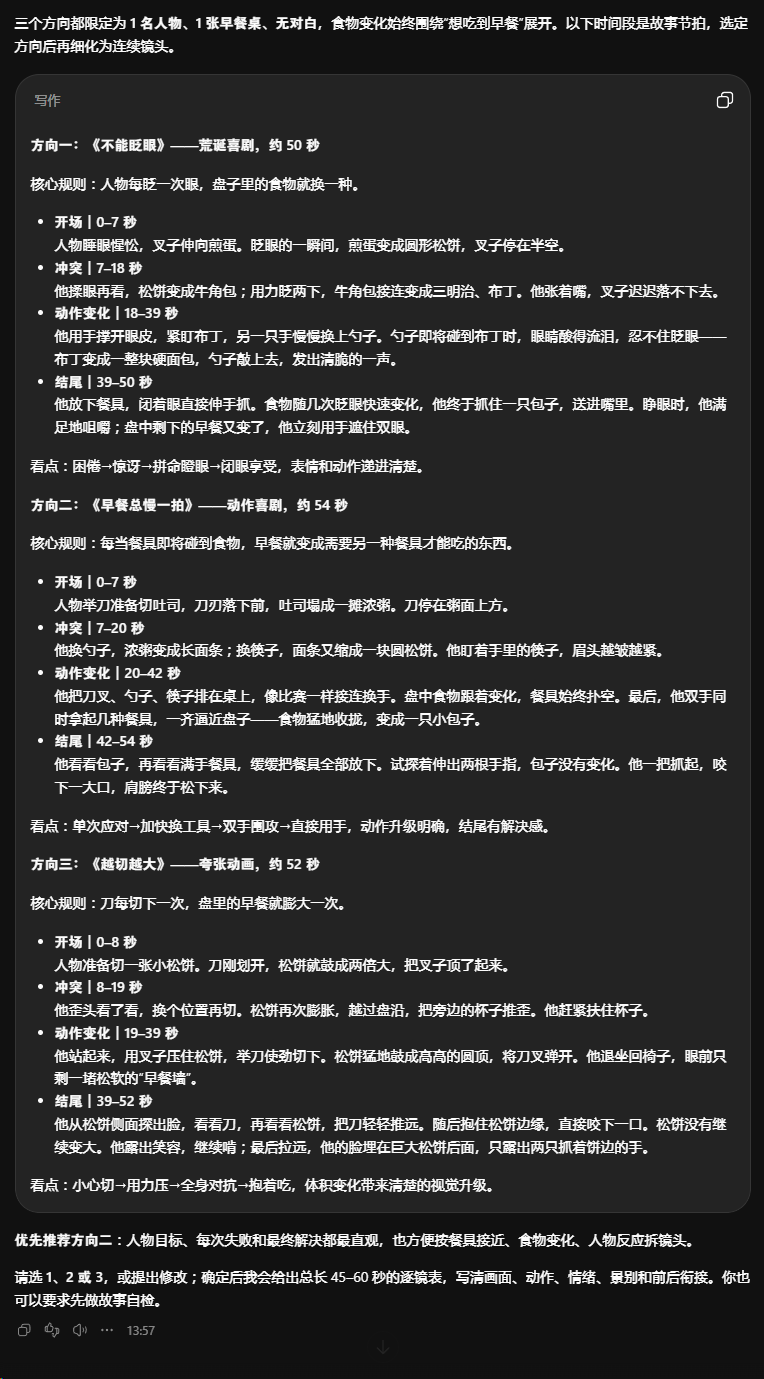
The clearer the script, the less there will be to return to work。
3. Disassembly the script into a live shot
The fact that the story is set doesn't mean it's ready to generate video。
If a camera contains both a person's turn, running, lifting, falling and getting up, the model will have to deal with a large number of movements at the same time。
In a more conservative way, the camera is broken according to the key changes in the action。
For example, the person who discovered that the glass on the table was about to fall can be divided into three stages:
In the first phase, the person noticed that the cup was tilting towards the table。
In the second phase, the person reached out quickly and tried to catch the cup。
In the third phase, the characters paused after catching the cup and showed a relieved look。
Each shot has a clear action target and a causal link。
It needs to be noted that the more the camera is cut, the better. For shorter animations, priority can be given to retaining critical lenses that can clearly express changes in action and avoid unnecessary switching。
Chapter II: Identify the painting, then make the person and scene
1. Why first determine the overall style
WHEN MAKING AI ANIMATIONS, WE USUALLY NEED TO CREATE SEPARATE ROLES, SCENES AND PROPS。
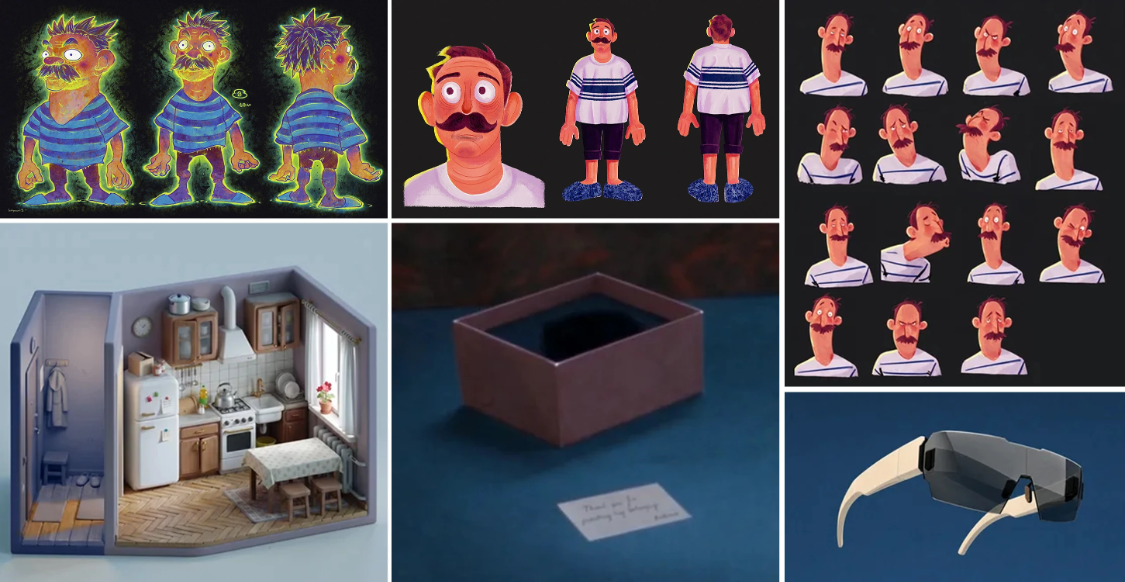
But if there is no uniform reference for each generation, the picture is prone to problems of inconsistent style。
For example, you want to make an animation of two-dimensional characters combined with three-dimensional scenes. If characters, kitchens and props are created individually, there may be situations where the person is hand-drawn, the kitchen becomes a two-dimensional illustration or the person suddenly becomes a three-dimensional model。
It is therefore recommended that Mr. Señor continue to generate other figures, scenes and props, using a satisfactory style reference map to determine the style, colour and overall visual effects of the person。
The purpose of this is not to require all materials to be identical, but to allow them to be consistent with your predefined visual style, while maintaining their respective characteristics。
2. What should be done with style reference maps
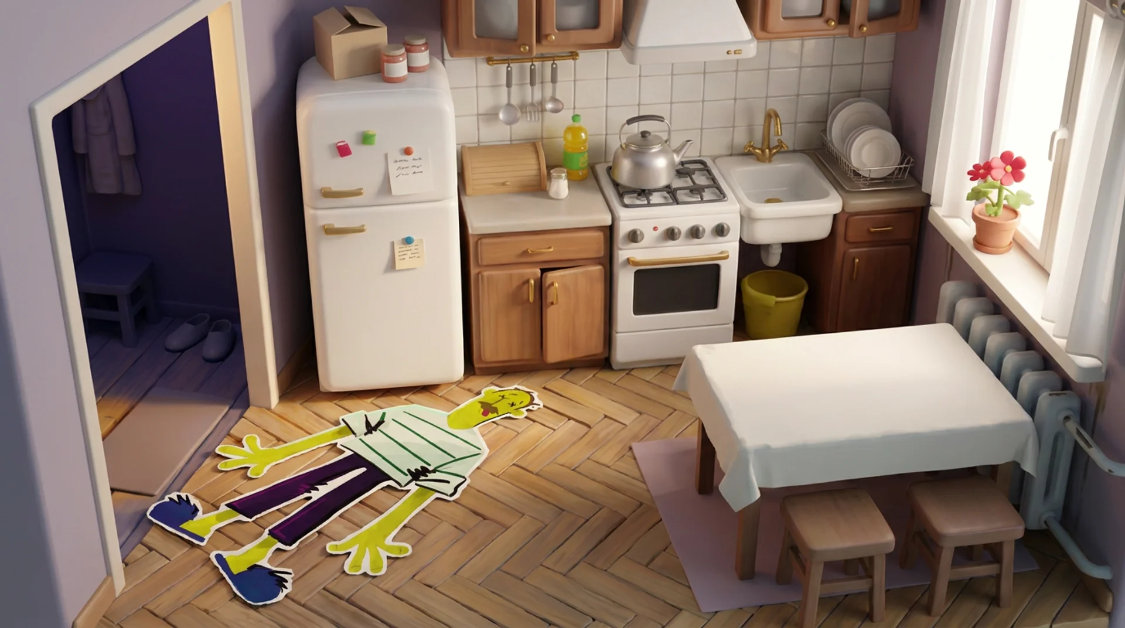
Let's say we want to make an animation of two-dimensional cartoon characters living in a three-dimensional kitchen。
So, the style frame should be a direct expression of this combination
3. List the material that needs to be produced when the style is established
Once the style map is established, the list of material can be compiled based on the script。
For example, an animation occurring in a kitchen may require:
The main character reference。
Kitchen scene reference。
Key props like cups, plates, etc。
Special action reference diagrams for characters to complete。
This allows Codex to list these needs according to the script and to create a hint for each material。
Here's to note, Codex is mainly used to help organize scripts, lists of materials and tips. When actually producing a picture or video, the corresponding image or video generation tool is still needed。
Once the list of materials has been established, it will not be possible to find in half the lack of key figures or props。
Chapter III: What do people's assets do to keep their roles consistent
1. Why is it not enough to produce only one figure
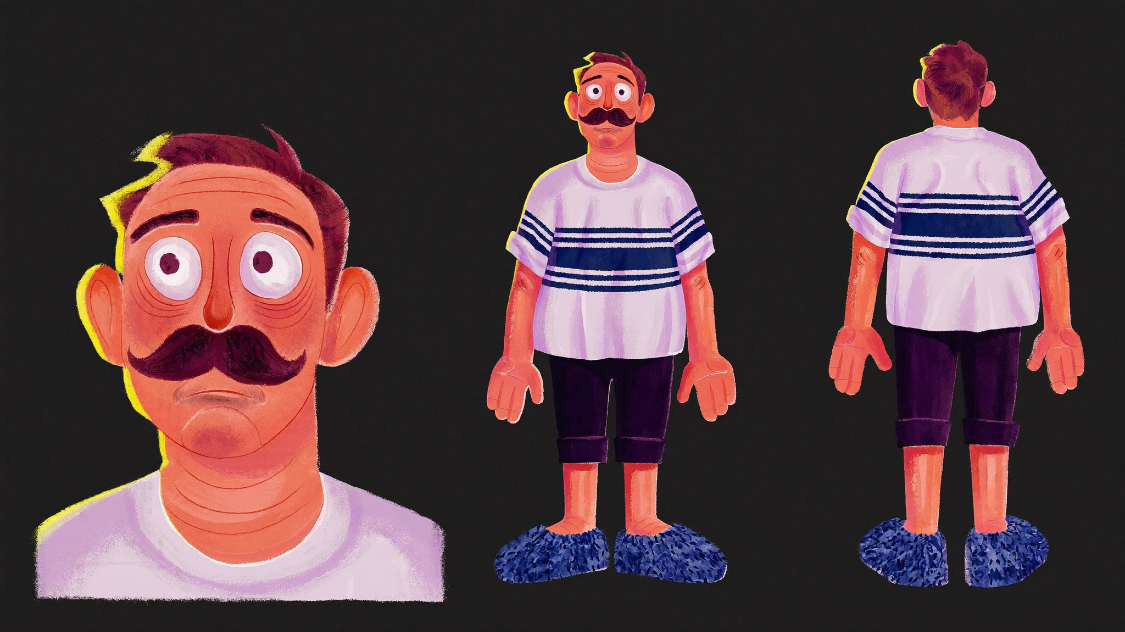
A positive profile showing the person ' s face, hair, clothing and body ratio。
But when people turn around, bend over or exaggerate, the model also needs to extrapolate parts that are not shown in the reference map。
For example, when the front chart does not present a complete picture of the back of the dress, the model may fill the structure of the dress itself; the person would have been a mere standing position and the body ratio could have changed in the bend lens。
It would therefore be preferable to prepare more complete reference maps in advance for those who need to be repeated in multiple lenses。
2. What should be included in the role reference map
It is recommended that priority be given to:
Positive body chart: used to determine the overall size of the person, clothing, shoes and accessories。
A side body map: used to determine the profile of the head, the thickness of the body and the side structure of the clothing。
The whole body of the back: is used to determine the design and placement of hair, the back of clothes。
The emoticon reference map is used to determine the expression characteristics of a person in a state of happiness, surprise, stress, anger, etc。
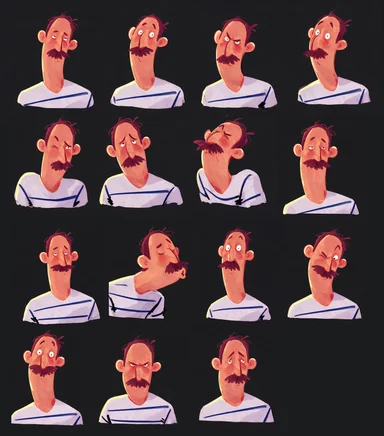
If the person has to complete a complex operation, he or she may be able to prepare additional positions such as bending, hand lifting and jumping。
Dozens of maps for each role need not be produced from the outset. Let's start by judging what the characters are going to do, and then add the error-prone part。
3. How can a unified role reference board be generated
The following phrase may be used:
Role asset alert
three different angles of the same cartoon character — three-quarters of a half-body, full-body face, full-body back-face — were lined up in a deep-bray gray-level background #1e1e1e.e. no text, no label, no border。
Styles: Sensitious waterworks, visible dry pen and granular paints, with uneven paint cover, asymmetrical shapes and a slight swing. From each perspective, the warm main light comes out of the upper left: light on the edge of the light is light lemon yellow, cold lavender shades are projected on the white fabric, and darker red on the side of the skin. Coarse black ink graffiti (#060606) quickly covers paints: fast serrated graffiti in shades of wrinkles (under armpits, under shirts, knees, slippers), as well as intermittent black contour fragments on curly sleeves. It's not perfect, it's fast, it's strong, it's like an animator's hand-drawn sketch。
The three characters are the same person, the same color, the same proportion, the same light and the same style。
copy
Chapter 4: How should animated hints be written
1. Not just character moves
A lot of people write animated tips that only describe what people do, for example:
“A man sits at a table, knocks on the table, looks at his wife, smiles, then stands up.”
This statement, while explaining the movement, does not indicate the appearance of the person, the location of the camera, the style of the painting and what cannot be changed。
For animations of two-dimensional drawing characters combined with three-dimensional scenes, it is suggested that the following sequence be organized:
Reference Pictures: Make it clear whether each picture is responsible for the person, scene or face details。
Cameras and diagrams: Description of the space, the view, the location of the person, and whether the camera moved。
Action timeline: Describes the movement of the person in chronological order。
Role constraints: Identify which parts can move and which features must remain unchanged。
Painting of the wind and the environment: An indication of how the person and the scene are presented, and which objects must remain static。
The following, combined with a specific case, looks at how these elements should be written。
2. Timeline description of actions
Do not crowd all actions in the same sentence, but describe them in the sequence of events。
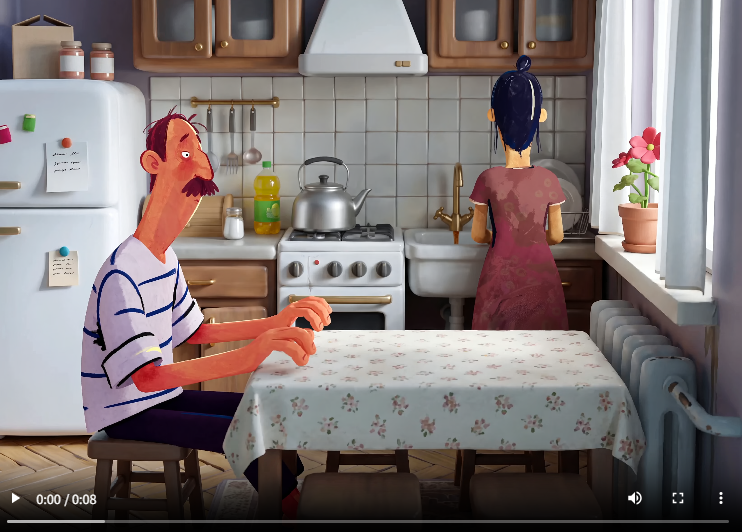
For example, the person sits at the table, first knocks on the table, then looks at the wife, smiles, stretches out, and finally stands up。
It can be written as follows:
0-1.2 seconds: The person remains seated, his finger is slammed on the tablecloth and then stopped。
1.2-2.2 seconds: The head remains intact, only the eye is turned to the wife, and the mouth gradually becomes a smile。
2.2-5 seconds: The person slowly lifts his or her arms and stretchs his or her laziness, stops briefly and returns his or her hands to the desktop。
5-8 seconds: The person suddenly rises up, the body moves up vertically, and remains standing. The wife is still busy by the sink。
The focus here is to clarify the starting point, process and outcome of the action. If an action is particularly complex, it can continue to be broken down。
It needs to be noted that the time line is primarily used to help models understand the sequence and rhythm of actions, and does not mean that the results will always be accurate at every point in time。
3. Clarify where the person cannot change
For hand-drawing, it is not enough simply to describe the action. Faces, clothing and body ratios may also change when the person moves。
Therefore, the necessary constraints need to be supplemented。
For example:
WIFE: DESIGNING AND DRAWING THE LOOK OF THIS SHEET, WITH FULL REFERENCE TO THE BACK VIEW OF THE SHEET - THE DARK INK OF THE CYAN HAIR WITH A LIGHT-HAIRED FILAMENT, WITH A BRICK-COLORED BROWN DRESS FALLING VERTICALLY FROM THE SHOULDER. - THE HUSBAND'S IMAGE IN LIFE: RED-COLOURED SKIN, GINGER-COLOURED BEARDS, GINGER-COLOURED HAIR, STRIPED T-SHIRTS, EGGPLANT LONG PANTS, FULLY CONSISTENT WITH THIS WORKSHEET. - HIS EYES, HIS EYES AND HIS MOUTH: THE EXACT EXACT COLOUR STYLE, THE SHAPE OF HIS EYES, THE SIZE AND COLOUR OF HIS PUPILS, THE FORM OF HIS SMILE。
copy
If a person needs to stand up, it also needs to be clear whether to move up or step forward and avoid the model increasing its movements。
The action description tells the model how to move and binds to tell the model where it cannot change。
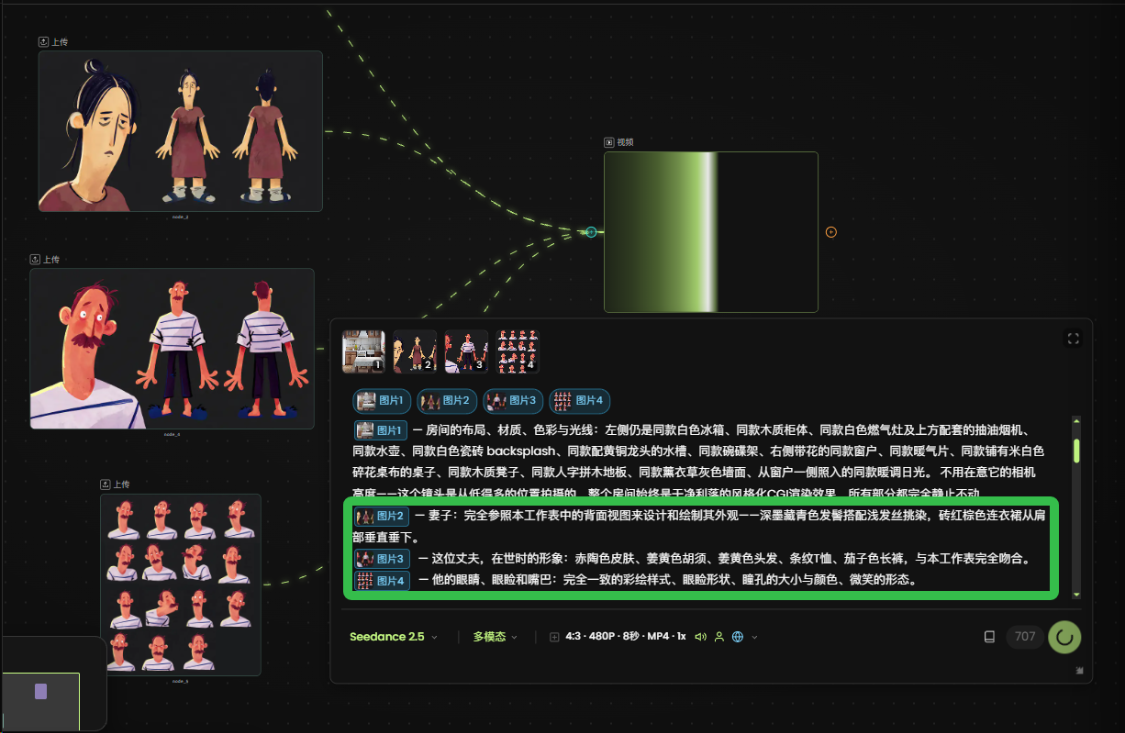
4. Persons and scenes are shown separately
If you're making an animated two-dimensional drawings that combine the three-dimensional scene, you can't just say, “Keep the same style.”。
It should be stated separately:
Person: Keep hand-drawn contours, irregular lines, flat pieces and pen texture. The character's drawing characteristics are not altered by changes in behaviour。
Scenario: Three-dimensional space introspection, object size, material and light. The location of furniture and props remained stable。
Space relations: Clarify the relationship between the person and the table and chair, the ground and other objects, avoiding the person passing through the furniture or suddenly changing his position。
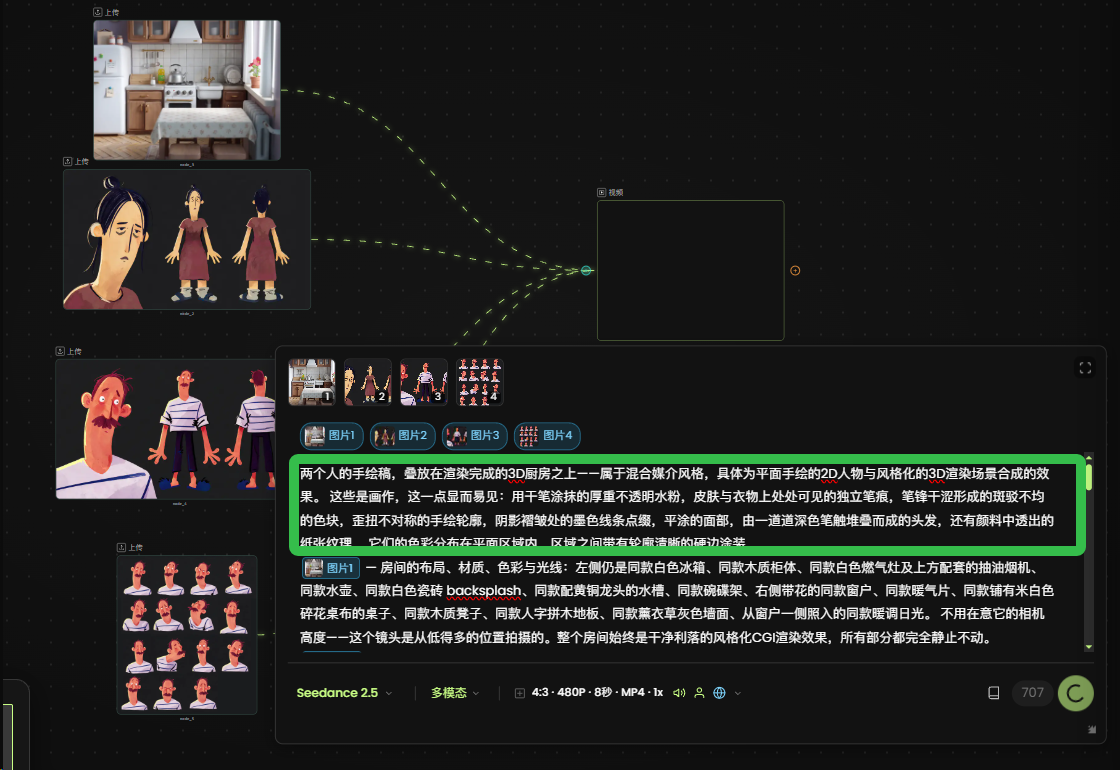
If the pattern is not correct, the corresponding style description is changed; if the person is not acting correctly, the action time line is adjusted or the position reference is supplemented, and the entire hint is not required to be rewritten each time。
5. Final addition of static restraints and sound
Once the description of the action is completed, check what should remain on the scene。
For example:
Cameras are fixed. Refrigerators, cabinets, tables and chairs, utensils and curtains remain in place without any additional exercise. The wife continues to wash by the sink and does not turn around. The old stool remained in place after the husband had risen。
copy
The sound can also be described in a separate manner, such as the friction of a finger hitting the tablecloth, the water sound of washing, and the stool and scratching of the ground as it rises。
Only the sound that corresponds to the action of the image is added, and no sound is required for each image。
In conclusion, an animated reminder does not require infinitum. First the reference diagram, then the lens and action, and finally the role constraints, the style and environmental requirements. When problems were encountered, it would be more effective to find the corresponding parts to modify them than to add adjectives repeatedly。
Chapter 5: What do we do
Why is it not enough just to write a hint
Text may indicate what the person wants to do, but some actions involve complex physical positions and spatial relationships, which cannot be easily described by text alone。
For example, “one person pulls another person off the ground”。
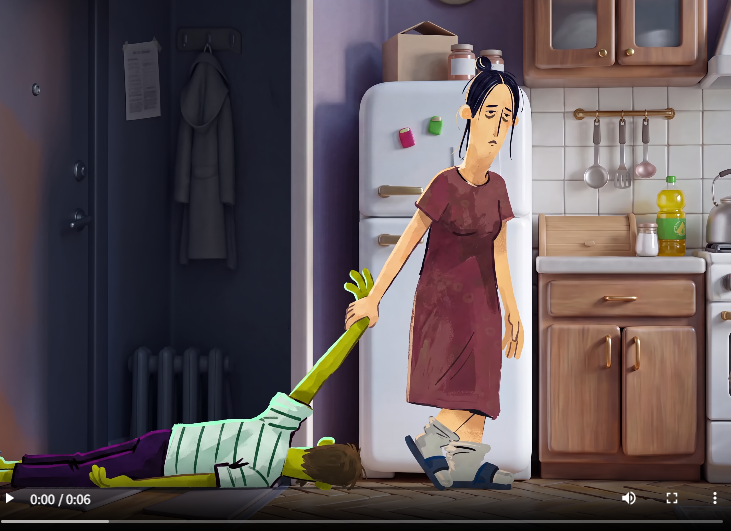
This sentence does not indicate where each of the two persons is directed, where the hand should be seized, how the person being pulled bends his body and how far he or she should remain。
Models may understand the meaning of “pull up”, but they produce wrong hand positions and physical positions。
If the same problem arises in successive generations, additional action references should be considered, rather than changes to a few adjectives。
2. Use hand-drawing sketches to show how people move
The sketches need not be well painted, nor do they need full colour and detail。
It needs only a few messages:
People stand where, or fall where。
The body is in which direction。
Hands and feet are about what position。
How two persons or persons were exposed to the props。
The action should be in which direction。
For example, it is necessary to create a picture of one person bending over and pulling up another person, by drawing the contours of two persons with a simple line, and then indicating the position of the hand contact and the direction of the body。
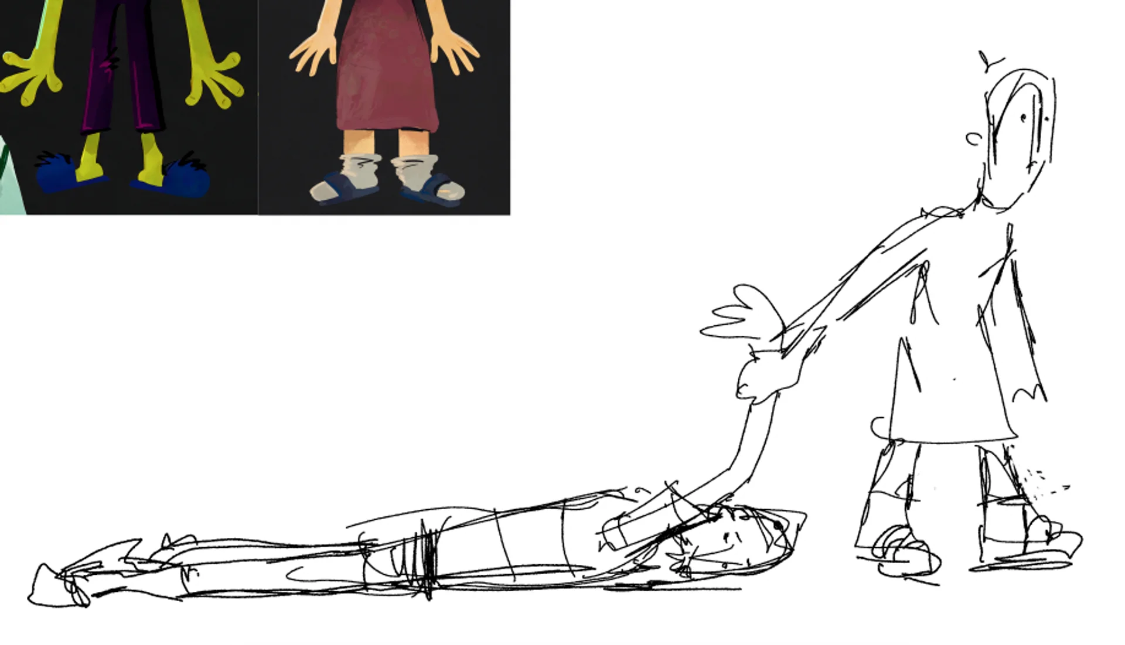
In this way, the model does not have to rely entirely on words to guess the person's position。
3. How should sketches and character reference maps fit together
When uploading material, a clear distinction should be made between their use。
The sketch is responsible for the movement position, position and contact relationship。
Personal reference maps cover the role ' s face, hair, clothing, body ratio and style。
The scene reference map is responsible for the environmental layout, furniture location and spatial relationship。
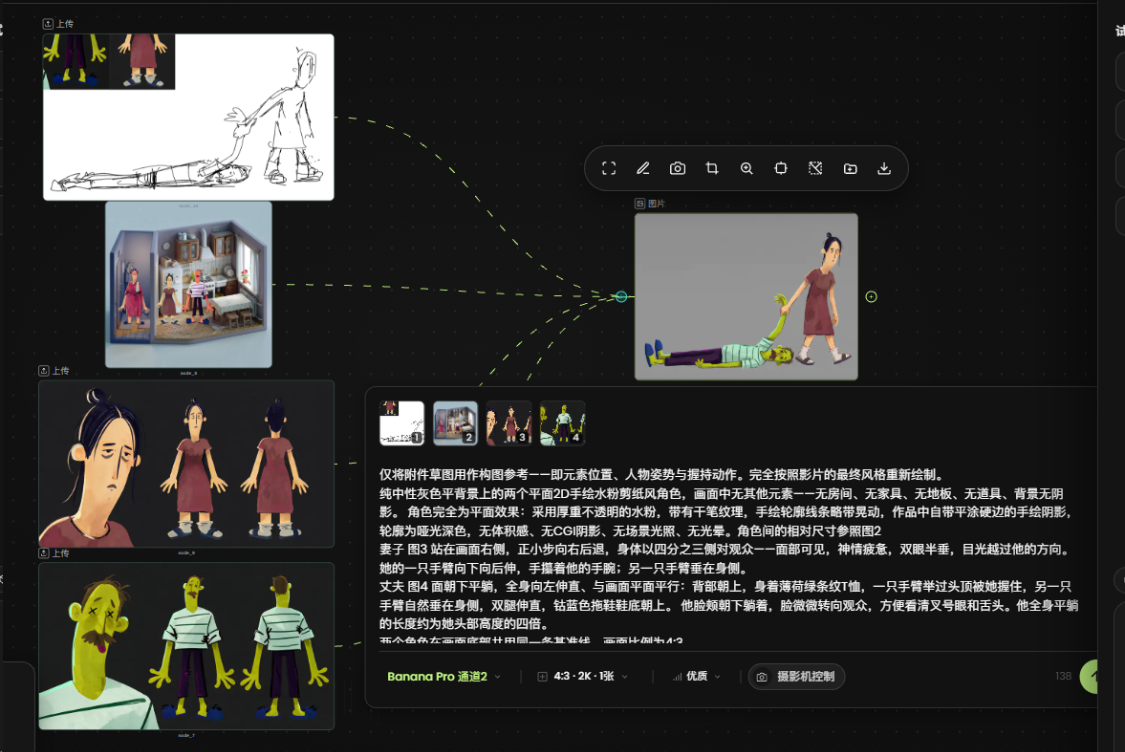
The following phrase may be used:
ONLY THE ANNEX SKETCHES ARE USED AS A FRAME REFERENCE — I.E. THE POSITION OF THE ELEMENTS, THE POSITION OF THE PERSON AND THE HOLDING ACTION. REDRAW THE FILM IN ITS FINAL STYLE. TWO TWO-D-HAND-PAINTED PAPER-CUTTING ROLES IN A PURELY NEUTRAL GREY BACKGROUND, WITH NO OTHER ELEMENTS - NO ROOM, NO FURNITURE, NO FLOOR, NO PROPS, NO BACKGROUND. THE ROLE IS ENTIRELY PLANE-BASED: IT USES HEAVY AND NON-TRANSPARENT WATER POWDER, WITH DRY PEN TEXTURE, HAND-PAINTED CONTOUR STRIPS, HAND-PAINTED SHADOWS WITH HARD EDGES IN THE WORK, CONTOURS OF DUMB DARK, NO VOLUME, NO CGI SHADOWS, NO SCENE LIGHT, NO LIGHT. THE RELATIVE SIZE OF THE ROLE IS BASED ON FIGURE 2 WIFE, FIGURE 3 ON THE RIGHT SIDE OF THE PICTURE, WALKING RIGHT BACK AND BACK, WITH THREE-QUARTERS OF THE BODY TO THE AUDIENCE -- VISIBLE TO THE FACE, EXHAUSTED, HALF-EYED, LOOKING IN HIS DIRECTION. ONE OF HER ARMS STRETCHED BACKWARDS, WITH HER HAND ON HIS WRIST, AND THE OTHER ON THE SIDE. HUSBAND, FIGURE 4 LIES FACE DOWN, STRETCHES STRAIGHT TO THE LEFT, PARALLELS THE SCENE: ON THE BACK, SHE HELD ONE ARM ABOVE HER HEAD, AND THE OTHER WAS NATURALLY ON THE SIDE, WITH BOTH LEGS STRETCHED STRAIGHT AND THE BOTTOM OF THE COBALT-BLUE SLIPPER UP. HE LAY DOWN ON HIS CHEEKS AND TURNED HIS FACE SLIGHTLY TOWARDS THE AUDIENCE TO SEE THE FORK'S EYE AND TONGUE. THE LENGTH OF HIS BODY LYING FLAT WAS APPROXIMATELY FOUR TIMES HER HEAD HEIGHT. BOTH ACTORS SHARE THE SAME BASELINE AT THE BOTTOM OF THE PICTURE. THE PICTURE IS 4:3。
The final picture retains the established style of the role reference。
If you want to generate a continuous video, you need to add the sequence in which the action takes place. For example, the person reaches out, then grabs the wrist of the other person and then pulls back。
The sketch shows what the person should pose and how the action happened. Together, they reduce the misperceptions of complex actions in models。
Chapter 6: Select the camera, finish the final clip
1. Generating success does not mean that the lens will work
Sometimes, models produce very beautiful images, but character moves are not done according to the script。
For example, it would have been necessary for the person to reach out and catch the plate, which, while clear and beautiful, was not actually captured by the person。
Even if it's of good quality, it can't be used directly in the final film。
The selection of the lens depends first on the correctness of the action, then on the location of the person and the props, and then on the style, structure and details。
2. Check for consistency of lenses
When multiple video clips are put together, it is necessary to check the continuity of the person ' s appearance, clothing, props and movements。
If the last shot ends with the person, the next shot should continue from a reasonable hand position。
If the person had just fallen in one shot, the next shot should have remained in a reasonable state of health rather than suddenly stood up。
If there is a visible leap between the lens, one of the fragments can be regenerated or the editing sequence adjusted。
3. Final refinement of rhythm and sound
After the sequence of the lens is determined, the pace of the clip is adjusted to the actions and emotions。
Where the movement is rapid, more compact clippings can be used; where the person stops or emotional changes, the image can be kept appropriately。
If the animation contains a clear movement, it can be supplemented by sound effects such as footsteps, object collisions, clothes frictions, etc. to make the movement clearer。
Ultimately, the whole animation story is checked for completeness, the person is stable, the movement is consistent, and is re-produced in a film。
wind up
MAKE ANIMATED AI, NOT PUT ALL THE DETAILS IN A HINT。
Write the story first, then determine the style, then make the characters and scene assets, and then write video alerts. The role references are supplemented by problems of personal instability; problems of disharmony are identified in terms of the use of material; problems of creating errors in complex actions are supported by hand-drawing sketches。
The entire production process is much clearer when one issue is addressed at every step。
The hint does not need to be written longer, but rather to let the model know what's in the picture, how people should move and what cannot change。
WHEN SCRIPTS, REFERENCE CHARTS AND ACTION DESCRIPTIONS ARE READY, AI ANIMATION CAN MOVE FROM REPEATED ERROR TO A REUSABLE CREATIVE PROCESS。