



along withAI short videoThe hotness of tools (such as Sora, Veo, Instant Dream AI, PixVerse, etc.), a lot of people began to use AI to make movies, commercials, music videos, but do you often encounter this situation:
Used a cool cue word and the picture is mediocre?
The subplot seems complete, but lacks rhythm?
I don't know what to use."lens handling techniques"to express the atmosphere?
Don't worry - in today's article, let's talk about the lens language knowledge that AI directors must learn. Lens language is the core syntax of "AI film and television composition + lens", which is the key to make the picture really tell a story. Master it, you can use AI to shoot a real texture, mood, rhythm of the visual blockbuster.
I. What is the language of the camera?
Cinematic Language (Cinematic Language) is a visual expression that conveys emotions, information and atmosphere through different framing methods, shooting angles, camera movements and lens combinations.
Simply put: the words write the plot, the camera tells the emotion.
For an AI director, the language of the camera is your ability to use cues to control composition and camera movement. It determines whether the audience will "step into the heart of the character" or "stand at a distance and watch the drama".
Second, the lens language common classification (super practical)
Below, we talk through the common lens language from 5 dimensions, each with real-world examples + cue words, to ensure that you can immediately get up and reproduce with AI tools!
1. Landscape: determining information density and emotional distance
|
|
|
|
|
|---|---|---|---|
|
|
|
|
|
|
|
|
|
|
|
|
|
|
|
|
|
|
|
|
📌 Case prompt words (vision)
Vincentian cue word: cinematic wide shot of a lone wanderer walking across a vast desert, epic scale, golden hour lighting, volumetric shadows, -ar 16:9

Tucson video cue word: a wide cinematic drone shot of a person walking through a desert, emphasizing isolation and scale, slow dolly-out movement
🎯Tip: Use a distant view at the beginning to both "pull in the mood" and set the scene.
2. Angle: determining the audience's emotional perspective
|
|
|
|
|
|---|---|---|---|
|
|
|
|
|
|
|
|
|
|
|
|
|
|
|
|
|
|
|
|
📌 Case Cue Words (Elevated)
Vincennes cue word: low angle shot of a cyberpunk hero standing under a neon-lit rain, powerful posture, dark dramatic lighting -ar 9:16
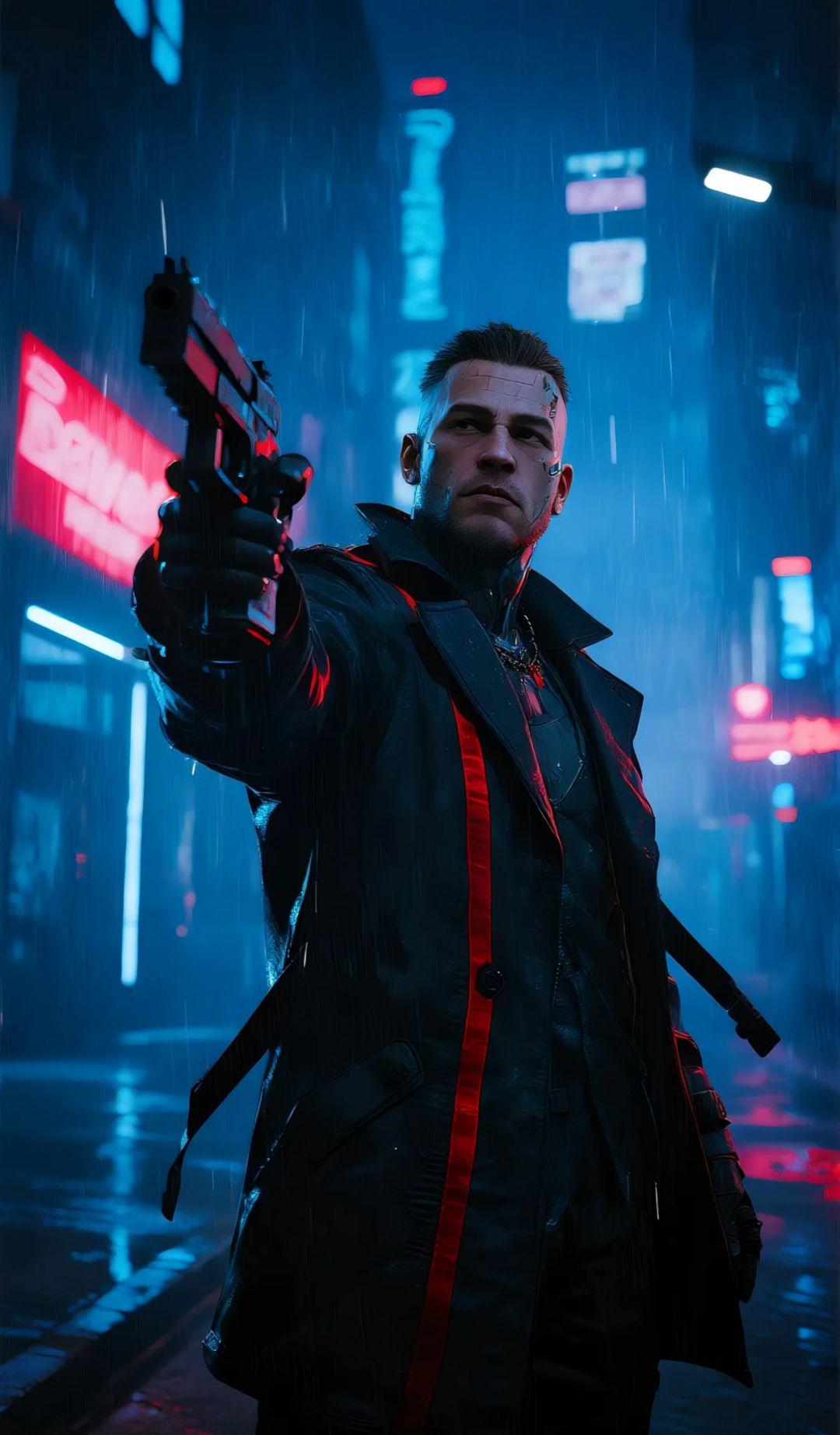
Tucson video cue word: low angle camera slowly tilting up to reveal a confident cyberpunk man under neon lights, rain falling in slow motion
🎯 Tips for using it: elevated shot + low saturated colors + slow-mo = power debut moment!
3. Camera movement: let the picture "breathe"
|
|
|
|
|
|---|---|---|---|
|
|
|
|
|
|
|
|
|
|
|
|
|
|
|
|
|
|
|
|
|
|
|
|
|
📌 Case prompt words (wrap around)
Vincentian cue words: a knight standing on a cliff during sunset, cinematic lighting, detailed armor -ar 9:16
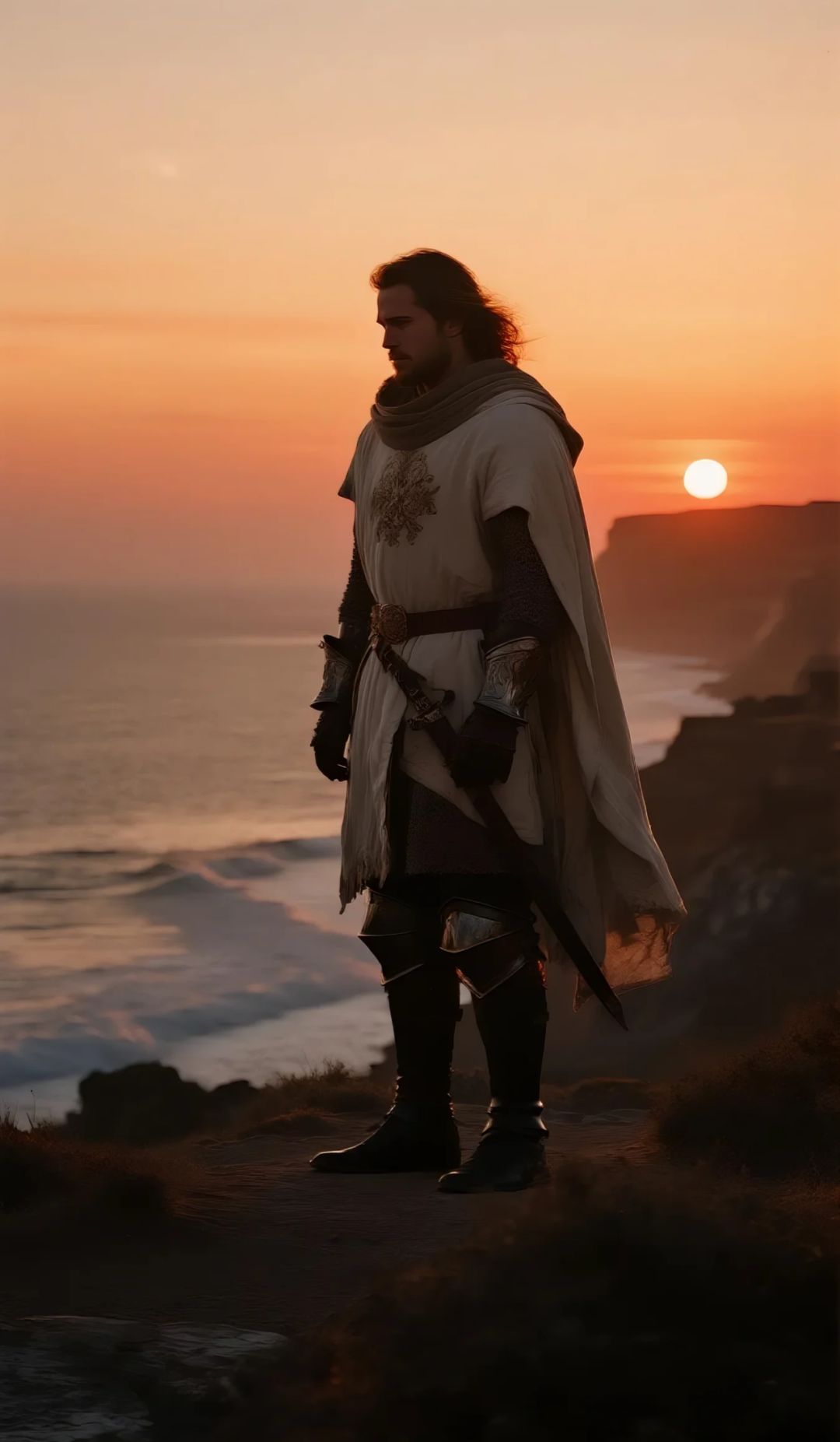
Tucson video cue words: dynamic orbit shot around a knight on a cliff, sun setting in the background, dramatic orchestral music
🎯 Tips for using it: character still + camera movement = protagonist feeling!
4. Depth of field and focus: focusing visual information
|
|
|
|
|---|---|---|
|
|
|
|
|
|
|
|
📌 Case cue word (shallow depth of field)
Vincentian cue words: portrait of a young woman crying in soft light, shallow depth of field, cinematic bokeh-ar 16:9

🎯Tips for use: crying scenes, monologues, and meditations are all suitable for creating emotional intensity with shallow depth of field.
5. Camera sequences: the metronome of rhythm and mood
|
|
|
|
|---|---|---|
|
|
|
|
|
|
|
|
|
|
|
|
|
|
|
|
📌 Case Cue Words (Continuous Shot)
Vincent's video cue words: one continuous cinematic shot following a ballerina dancing through a foggy theater, camera tracking smoothly, dramatic lighting
🎯Tips: Continuous footage is suitable for creating "uninterrupted realism" and is often used in dance and performance AI videos.
Case Study: How can the language of the camera enhance storytelling?
Case 1: Suspenseful Short Film Opening
Cue word: telephoto + push camera + close-ups
- Distant view: an empty street at night, the protagonist's back walks alone.
- Push Shot: the camera slowly advances, the protagonist's pace quickens, and the tension builds.
- Close-up: the protagonist's palms are sweating as his cell phone screen flashes mysterious text messages.
Ans: By explaining the environment through distant views, pushing the camera to create tension, and close-ups to strengthen the details, the audience is instantly brought into a suspenseful atmosphere.
Case 2: Emotional MV Climax
Cue word: close up + panning + subjective shots
- Close up: the hero and heroine look at each other and emotions flow.
- Panning: the camera follows the two as they run and the emotions are released.
- Subjective Shot: the male viewpoint of the female protagonist, the audience feels as if they are there.
Ans: Close up captures the emotion, panning increases the sense of movement, subjective shots bring the audience closer to the characters, and emotional outbursts are more immersive.
Case 3: AI creation of short videos
Cue word: elevated shot + pulled lens + overhead shot
- Elevated shot: the AI robot stands in the city square, tech-savvy.
- Pull Shot: the camera moves from near to far to show the AI living with humans.
- Top shot: a bird's eye view of the city, where AI and human activity are intertwined.
Ans: The elevation shot highlights the power of AI, the pull shot shows the grand scene, and the overhead shot allows the audience to look down on the whole situation, where technology and humanity coexist.
IV. Practical Suggestions for AI Director's Lens Language
1、Combine with AI tools: use AI to generate lens scripts and subplotting diagrams to enhance the efficiency of creation.
2, emotional priority: the lens choice to serve the emotional expression, don't show off for showmanship and showmanship.
3, rhythm control: lens switching to have a sense of rhythm, to avoid clutter.
4, do not pile cue words, to speak "lens logic".
You don't just add cinematic, epic, or volumetric and call it "blockbuster." You have to use the right lens according to the plot.
5, composition + angle + lens = AI lens language three-piece suite
Let's say you're doing "Character Awakening."
- Composition: Center + Elevation
- Lighting: backlighting + rim lighting
- Mirroring: Push + Slow Motion
This is the kind of AI footage that tells a story.
6, see more AI video master how to use the language of the camera
Search keywords such as "one shot", "orbit", "dolly in" on Veohub, Seedance, and the Dream Community for inspiration + Imitate.
V. Summarizing the sentence:
Lens language = grammar book for AI visual expression.
Learning to "talk through the camera" is the only way to make AI videos, commercials, and episodes that people will stop and watch.
This is what I shared today, did you learn it?