



Previous articleShared.How to do cinematic dribbling with AI? Dribbling tips to make AI short videos into blockbusters in secondsThis article continuesLensesThe topic of language is discussed withAI Video CreationEmotional expression of lens language during the process, and lens selection techniques.
This is a very central issue, the emotional impact of AI video creation, 90% depends on the choice and use of lens language. Different lens types can not only shape the visual style, but also directly manipulate the audience's emotions. Below I will start from the common types of lenses, explaining how they express emotions, how to choose, as well as using AI cue words real life cases to help you land the operation.
I. Comparison Table of Lens Types and Emotional Expressions
|
|
|
|
|
|---|---|---|---|
|
|
|
|
|
|
|
|
|
|
|
|
|
|
|
|
|
|
|
|
|
|
|
|
|
|
|
|
|
|
|
|
|
|
|
|
|
|
|
|
Second, the actual case analysis + prompt word
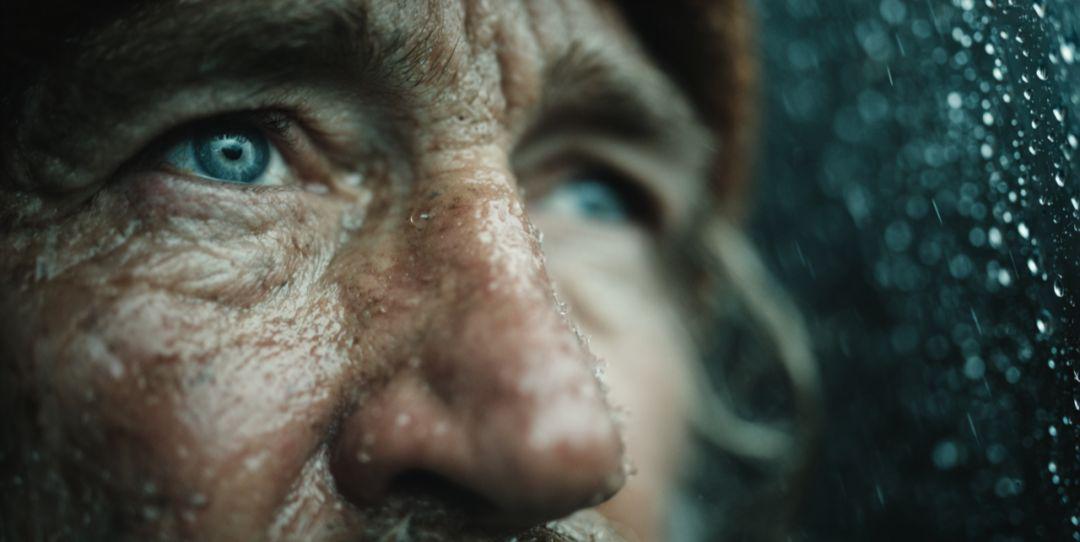
Case 1: Close-ups to express pain and vulnerability
SCENE SETTING: An old man remembers his deceased lover in a rainstorm, tears mixing with rainwater across his cheeks.
Emotional Goal: To make the audience feel profound sadness and loneliness.
Cue word (Midjourney): elderly man, close-up, crying in the rain, cinematic lighting, high detail, teardrops blending with rain, melancholy tone, film still, -ar 16:9
Tips for use:
- Close-ups focus on eyes and tears, and the audience is naturally driven by emotion.
- The use of diagonal light enhances the texture of the raindrops and the skin, amplifying the "suffering".
Case 2: Low-angle shots create a heroic aura
SCENE SETTING: A female protagonist stands in the rubble after an explosion with a blazing fire behind her.
Emotional Goal: To portray a strong, invincible hero.
Cue word (Midjourney): female warrior, low-angle view, standing in ruins, fire and smoke background, epic lighting, determination in eyes, powerful posture, action film aesthetic -ar 16:9-style cinematic

Tips for use:
- The low angle highlights the character's "tallness" and creates a sense of admiration.
- Combine this with the wind blowing in your hair and the firelight shining in your face to enhance your hero's aura.
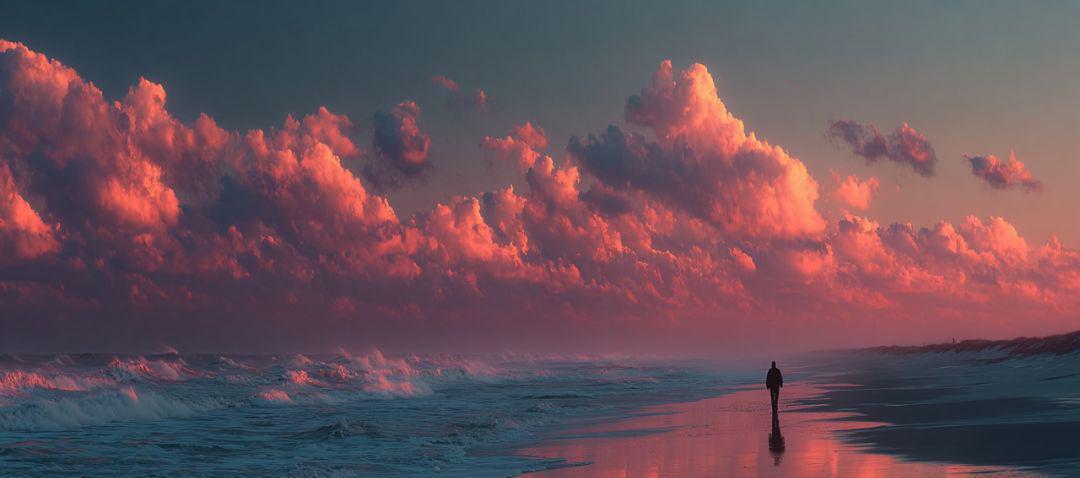
Case 3: Distant Lens Creates Solitude and Poetry
Scene Setting: a man walking alone on the beach at dusk, the scene is empty.
Emotional Goal: To convey the complex emotions of loneliness, longing, and freedom.
Cue word (Midjourney): solitary figure walking on beach at sunset, long shot, wide landscape, soft warm tones, poetic atmosphere, ocean waves, cinematic frame -ar 2:1 -style soft
Tips for use:
- White space enhances solitude.
- Use long focal lengths to compress the depth of field and emphasize the "smallness" of the people in the environment.
Case 4: Handheld camera creates tension
Scene Setting: a character panics and crosses a dark alleyway, being chased from behind.
Emotional Goal: Create a sense of urgency and chaos.
Cue words (Vincent video cue words): urban alley at night, handheld perspective, running man, shaky cam style, intense chase, dark moody lighting, thriller tone -A 16:9-style documentary-motion blur.
Tips for use:
- Handholding + shaking creates a sense of "documentary" to enhance realism and immersion.
- Narrow alleyway composition + fast switching shots to create oppression.
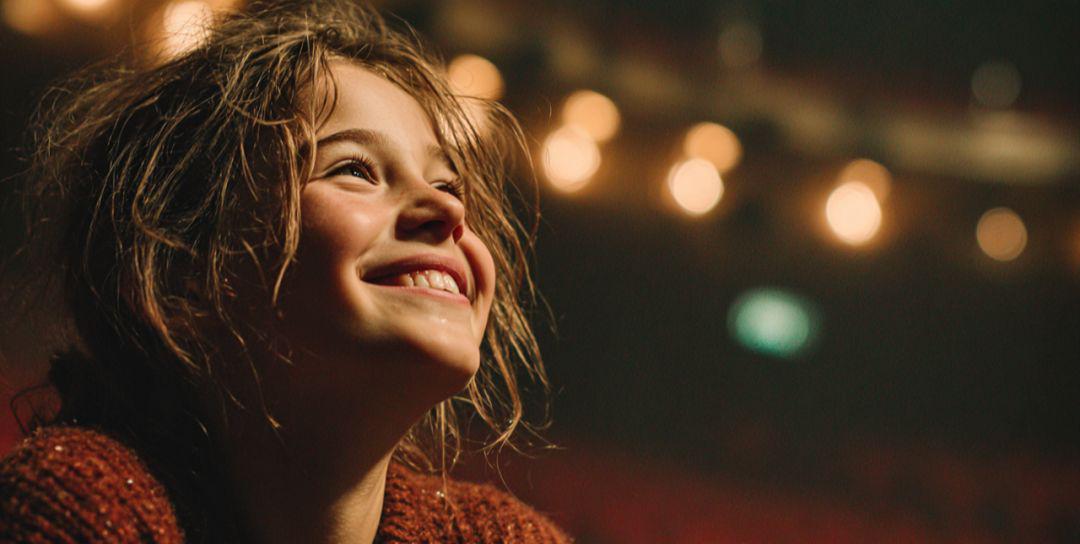
Case 5: Slow Push Shot Creates Emotional Warming
SCENE SETTING: A young girl slowly turns on stage and smiles in front of the audience.
Emotional Goal: Emotional climax and gentle warming.
Cue word (Midjourney): young girl on theater stage, dolly in camera movement, spotlight, emotional smile, slow motion, soft glow, cinematic lighting, dreamlike-ar 16:9
Tips for use:
- Slowly approaching, with soothing music, the audience follows the camera's "heartbeat".
- Focus on expressions and light changes to create layers of atmosphere.
Third, the lens selection techniques and recommendations
1、Select the lens from the emotion
Emotion first, camera second. You don't want the camera to show off, you want the audience to feel "wow, I know him".
2、Alternate the use of near and far lenses to pull the rhythm
Close up → far away → mid shot cycle switching to create emotional ups and downs with a sense of breath.
3, light and shadow and camera angles combined to amplify emotions
For example, close-ups + side-lighting to create the "sculpture" of tears, low angle + backlighting to create a sense of epicness.
4, keep the lens language style a
Different shots serve a mood, rather than mixing cuts to show off.
5. When expressing inner emotions, give priority to close-up shots, combined with soft light and shadow, highlighting details and emotional fluctuations.
6. When showing the relationship between the environment and the characters, use oversized telephoto or medium shots to show the atmosphere of the scene and the spatial position of the characters.
7. When showing authority or threat, use a low angle lens to enhance the sense of oppression of the subject.
8, the performance of vulnerable and helpless, with a high angle lens, so that the subject appears small.
9, the performance of action tensions, use follow the lens, enhance the sense of dynamics and sense of generation.
10、Control the lens logic through AI cue words
Explicitly include keywords such as:
- "low-angle view" → low angle
- "wide shot" / "long shot" → long shot
- "close-up" / "portrait framing" → close-ups
- "dolly in" / "tracking shot" → style of running the camera
- "handheld" / "shaky cam" → handheld lens
IV. Which camera techniques are most likely to move the audience's inner emotions
The following camera techniques are the most crucial in terms of moving the audience's inner emotions:
- close-up (filmmaking)
Close-ups are able to capture the subtle facial expressions and eye changes of the character, directly conveying the character's inner emotions, and are especially suitable for expressing strong emotions such as tension, sadness, and joy, so that the audience will have a strong resonance.
- Camera movement (push, pull, follow, pan)
Pushing the camera closer can bring the audience closer to the psychological distance between the characters and enhance emotional engagement; fast following the camera and panning can create a tense, uneasy atmosphere and mobilize the audience's emotional fluctuations.
- Change of scene (far to near or near to far)
The transition from distant view to close-up shows the emotion from low to high, gradually focusing on the core of the emotion; on the contrary, it shows the estrangement or depression of the emotion, helping the audience to feel the ups and downs and layers of the emotion.
- Use of angles (low vs. high)
Low-angle shots make the character appear powerful and majestic, conveying a sense of strength or oppression; high-angle shots make the character appear vulnerable and helpless, enhancing the viewer's desire for sympathy and protection.
- Lighting and color matching
Through the contrast of warm and cold tones, light and dark changes to strengthen the emotional atmosphere, such as warm tones to create a sense of warmth, cold tones to bring loneliness or tension, the use of light and shadow can deepen the emotional expression of the picture.
- Composition and Perspective
The front shot directly expresses the character's emotion, while the back shot expresses negative emotions such as loneliness and helplessness, and the side or 3/4 side shot shows the character's emotional level in a more three-dimensional way.
Used in combination, these techniques can accurately guide the viewer's emotional response and enhance the impact and immersion of the video or movie.
Brief example: In a scene showing sadness, using close-ups to capture the protagonist's tearful eyes, with a low angle lens to highlight his inner struggle, and then using a close-up lens to draw the audience's line of sight closer, with a cold light and shadow, enables the audience to deeply feel the character's pain and helplessness.
V. Which camera techniques best create an atmosphere that resonates with the audience
The camera techniques that best create an empathetic atmosphere for the audience include:
- Close-ups: Capture the delicate expressions and emotional details of the characters to enhance the audience's sense of emotional involvement and empathy.
- High and low angle shots: low angle shots make the character appear powerful and majestic, conveying a sense of strength; high angle shots make the character appear small and vulnerable, inspiring the audience to sympathize and protect.
- The use of foreground elements: add foreground objects in the picture to increase the sense of layers in the picture, guide the viewer's eyes and enrich the emotional atmosphere.
- Wide shot: Showing environmental space, creating a sense of isolation or grandeur, and helping the audience to feel the situation and emotions of the characters.
- Camera movement (push and pull, follow the camera, swing arm): dynamic shots to enhance the picture tension and sense of immersion, create tension, excitement or warmth and other atmospheres.
- Lighting and color design: Use soft light and warm tones to create warmth and comfort, and cool tones and backlighting to create a sense of mystery or solitude and enhance emotional expression.
- Rhythm and editing: fast editing with camera switching, to enhance the video vitality and compactness, mobilize the audience's emotions.
Summary: Through the reasonable choice and combination of these lens techniques, with the light and shadow color and rhythm control, can effectively create an atmosphere that causes deep emotional resonance of the audience, so that the video or film work more infectious and immersive.
VI. Common lens techniques and AI cue word templates
|
|
|
|
|---|---|---|
|
|
|
|
|
|
|
|
|
|
|
|
|
|
|
|
|
|
|
|
|
|
|
|
|
|
|
|
Practical examples of scenarios with cue words
1. Warm family moments
- Close-up, mother and child smiling and interacting, warm sunlight, soft light, background bokeh, happy and cozy atmosphere

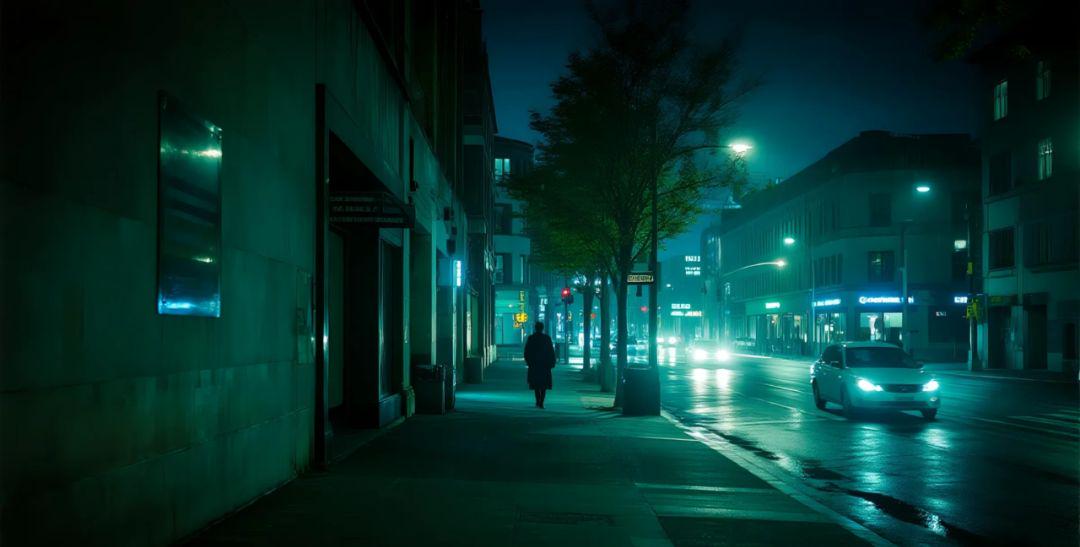
2. Urban loneliness at night
- Wide shot, city street at night, protagonist walking alone, cold lighting, empty environment, loneliness
3. Tense chase scenes
- Follow the camera as the protagonist runs through the streets, with rapid camera movements, strong contrasts of light and shadow, and a tense and exciting atmosphere
4. Moments of strength and nobility
- Low angle shot, protagonist looking up into the distance, sunlight from behind, power, dramatic atmosphere
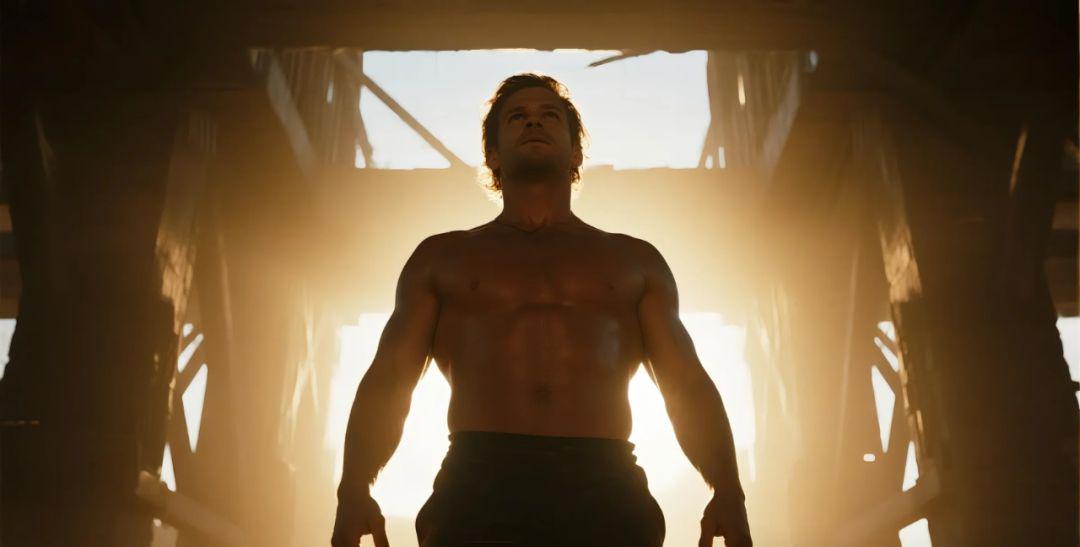
Recommendations for use
- Flexibility in adapting cue word descriptions to combine different camera techniques and emotional atmospheres.
- Explicitly express the four elements of "shot type + emotional atmosphere + subject action + light and shadow color", AI generates more accurate results.
- Detailed vocabulary can be added or subtracted according to actual needs, such as "in the rain", "backlighting", "slow motion" and so on.
VII. Summing up in a nutshell
Emotions are not performed by the actors, they are "cut" into the audience's heart with your camera.
Choosing the right shot is your first step as an AI director. Remember, every shot is an emotional scalpel.
This is what I shared today, did you learn it?