



WHEN A LOT OF PEOPLE DO THE A.I., THE FIRST REACTION IS TO GO WITH WORDS。
It's like a movie, a sense of excellence, a sense of truth, a feeling of atmosphere, a feeling of greatness。
BUT YOU'LL FIND THAT THOSE WORDS ARE ALSO WRITTEN, AND SOME OF THEM ARE CREATED LIKE A MOVIE SCREENSHOT, SOME OF THEM ARE CREATED AS AN AL. IT DOESN'T HAVE TO BE A MODEL, IT DOESN'T HAVE TO BE A DRAWING, BUT YOU DIDN'T TELL AI WHERE IT SHOULD BE。
The lens angle determines the relationship between the audience and the person。
Homogeneity brings viewers and characters to the same height, with more real and close images; sublime vision makes them look like they are observed, crushed, fit to express themselves and stress; and looken to the character field, with a sense of oppression and ritualism as they emerge。
So this section, we don't talk about complex mirrors or hard movie theory. We speak only of the three most basic, but most easily neglected, lenses: vision, look down, look up。
AS LONG AS YOU'RE CLEAR ON THESE THREE ANGLES, YOUR AI WILL IMMEDIATELY MOVE FROM A "GOOD-LOOKING PICTURE" TO A "PHOTOGRAPHIC WITH A LENS."。
I. Why the lens angle is more important than the style word
A LOT OF PEOPLE ARE USED TO WRITING THE AI TIP, STARTING WITH THE RESULTS。
For example: a girl sitting in a café, a sense of film, real photography, advanced light, a sense of atmosphere, soft color。
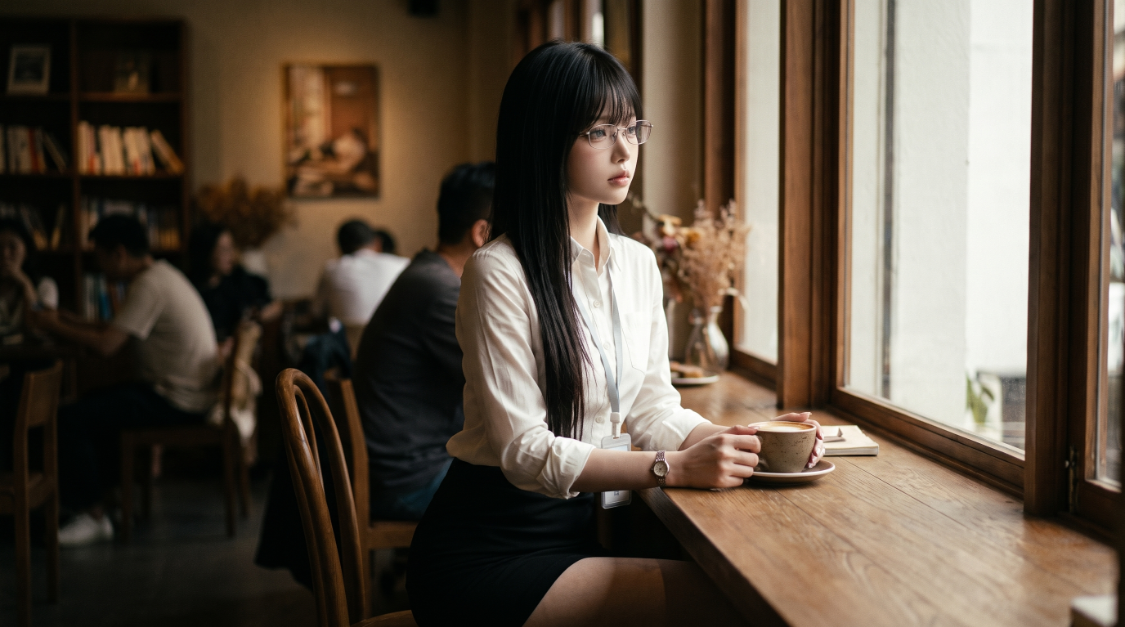
Pictures generated by a hint
OF COURSE, THIS SENTENCE PRODUCES IMAGES, BUT ITS PROBLEM IS TOO BROAD. AI KNOWS YOU WANT A PRETTY PICTURE, BUT DOESN'T KNOW WHERE THE AUDIENCE SHOULD LOOK AT THE GIRL。
Is she sitting across from the same table
Looking down at her loneliness from above
Or the feeling of oppression from the lower plane
These three images express completely different emotions。
If the camera is visual, the audience will feel that they are talking to her。
If the camera was overlooking, the audience felt that she was surrounded by the environment and that the person was in some sort of trouble。
If the camera is looking, the audience will feel the role is stronger and more present。
SO THE MOST IMPORTANT THING IN THE HINT IS NOT JUST "THE PICTURE LOOKS GOOD," BUT LET AI KNOW: THE LOCATION OF THE LENS, THE HEIGHT OF THE LENS, THE RELATIONSHIP BETWEEN THE LENS AND THE PERSON。
A full shot of a hint, with at least five messages:
The angle of the lens: horizon, look down, look up。
Speculation distance: Vision, medium view, periscope, close-up。
Focus: Wide angle, standard lens, long focus。
Space relations: perspectives, perspectives and distribution of context。
Personal status: What the person is doing, looking at where, how emotional。
IF IT'S JUST A "FILM FEELING," AI WILL USE THE DEFAULT AESTHETIC TO FILL YOUR PICTURE。
IF YOU WRITE THE ANGLE OF THE CAMERA, AI WILL ORGANIZE THE PICTURE ACCORDING TO YOUR DIRECTOR'S INTENTIONS。
ii. Panoramic lens: most common, most tested design
Many people think it's normal when they hear a flat shot。
Because the panorama doesn't look so special, and it doesn't look so high. It often appears in daily conversations, person interviews, life clips, so many people misperceive that the lenses are not film-free。
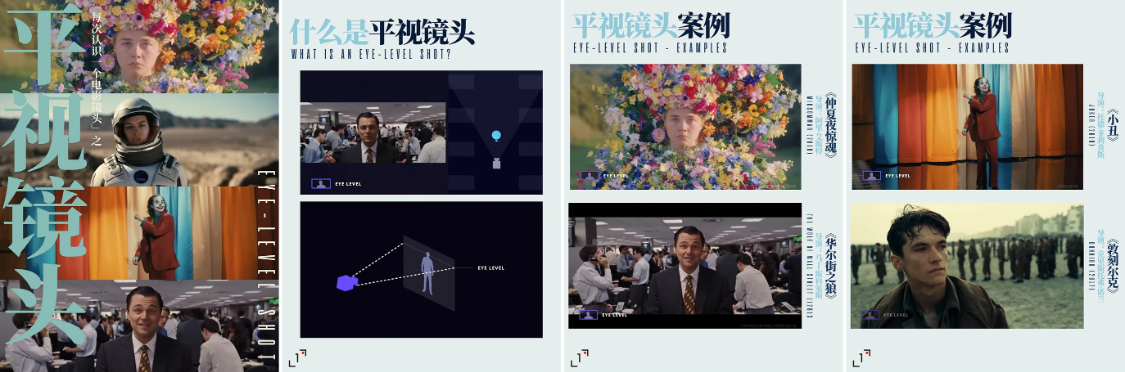
Image from Little Red Book
But the truth is the opposite。
It's the angle of the most test image design. Because it doesn't have a real angle. It's an exaggeration. It's not "unique" for the audience. It must rely on the structure, light, focus and character state to create layers。
The greatest advantages of the panorama are:
It makes the audience feel like they're in the same space as the person. People are not looked upon or examined, but are present in the picture on an equal footing with the audience。
We take this role as a case in point:
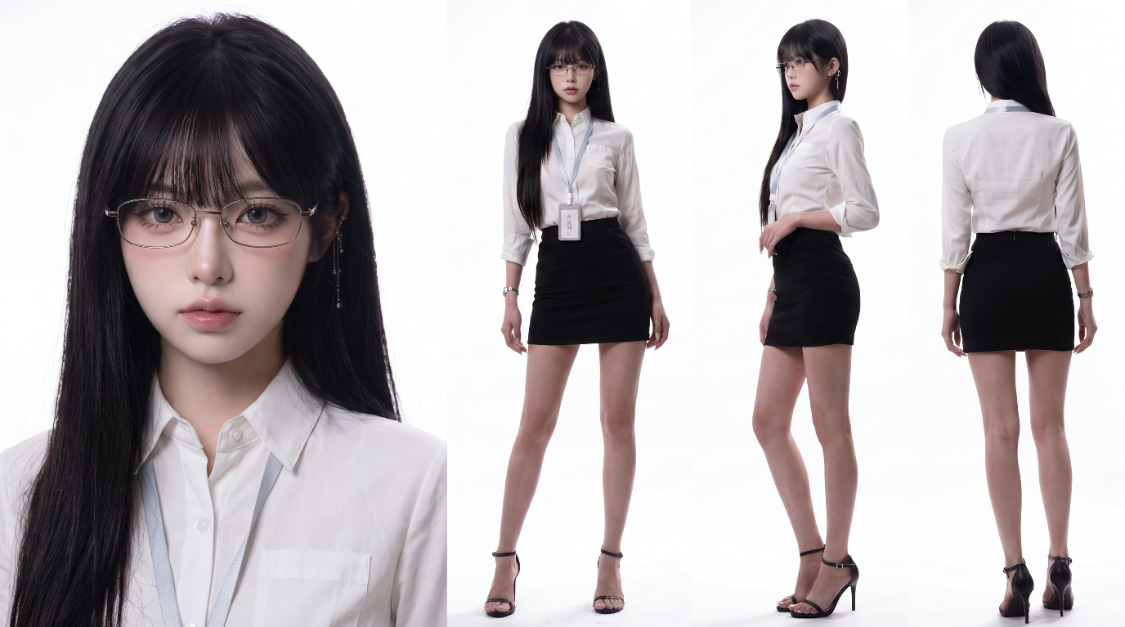
So the panoramic lens is particularly suited for three things:
The first is a sense of daily life。
Girls, for example, sit in cafes, with iced coffee on their hands, and there are vague urban lights outside the windows. The camera remained at the same height as her eyes, and the audience felt like it was sitting across from her。
The second is emotional。
For example, people are bowing their heads and their fingers are squeezing the glass. Evening is not forced to magnify emotions, but it makes them more restrained and more real。
The third is cultural。
In particular, the distance between the person and the background is reduced when the focus is increased. Background lights, glass reflections, streetwalkers and characters are even closer, and the picture has a quiet but complex mood。
There are two very good ways to write in the panorama。
The first one is "Small and focus."。
The focus will compress the space and make the characters and the background look closer. It is suitable for background-level scenarios such as cafes, streets, stations, rainy nights, classrooms. The person is in the future and the environment is behind it, but because the focus is condensed, the background is not too far from the person and the picture is more narrative。
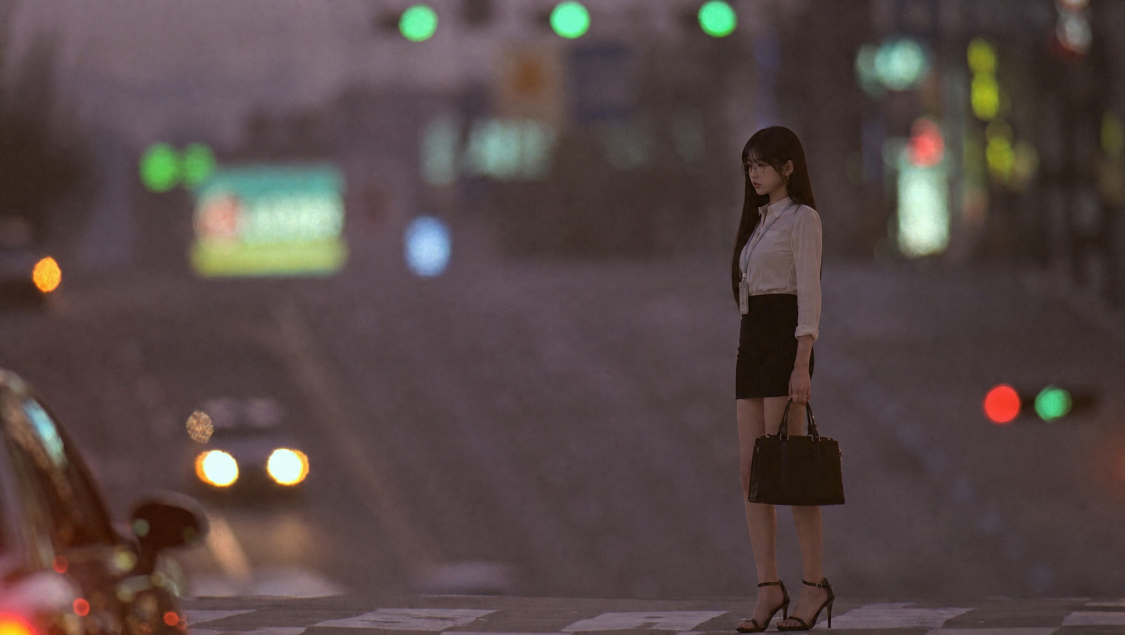
That's what you can say
photos, 200 mm ultra-focused long-range photography, full-body images of people standing alone near the zebra line in the evening city streets, wearing white shirts and black half-dressed skirts, silver-colored frame glasses, black commuting packs in their hands, and their faces quiet and restrained. the camera was far from the character and looked at her from the other side of the street. the background is a condensed stream of cars, red and green lights, neon lights and urban buildings with a very long focus. space is flattened, long-distance lights form a large, soft and scattered view, with a vandalized vehicle edge on the lower left corner of the outlook, with a light mist and low-saturated, purple evening air. the character is clear, the background is highly defunct, real film and photography, and the metropolitan atmosphere is quiet。
The second is “a wide-angle vision”。
The wide angles and the long focus are the opposite. The wide-angle will open up space and make the audience feel like they really are standing in front of people. It is appropriate to express space relations, such as corridors, rooms, street corners, kitchens, offices。
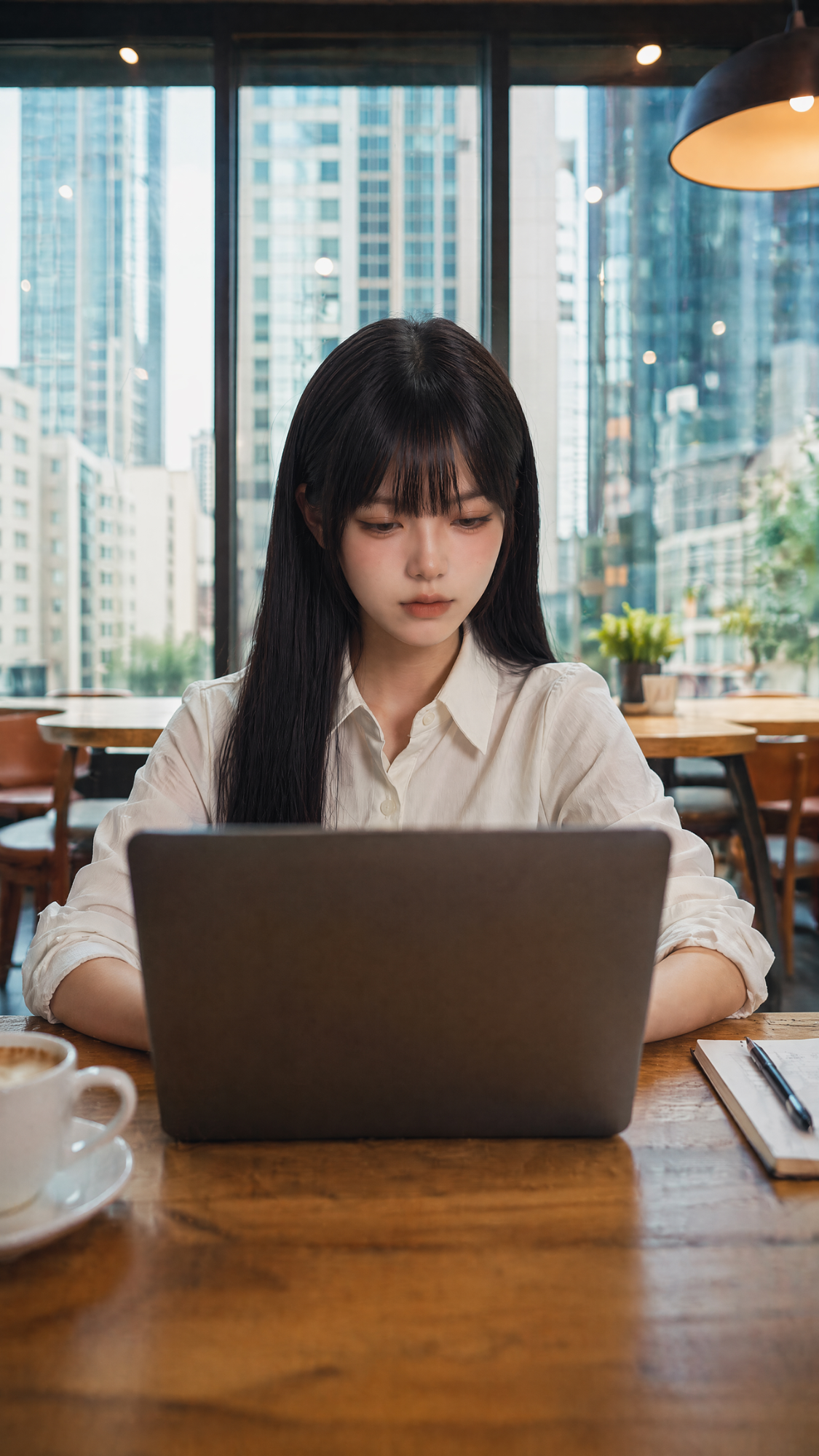
That's what you can say
The camera, which is the same level of view as the person's eyes, the medium view, the person sitting at the coffee shop table, and the audience looking at her like she was sitting opposite. She was wearing a white shirt, black long hair, natural Liu Hai, low face to the laptop, quiet face, no exaggeration, coffee cups, pens and wood table details on the table. The background is a large area of glass windows, high-rise urban buildings and indoor tables and chairs, with a clear vision, medium view, background level and a real sense of daily life in general, as well as a mild sense of reflection and stress, a soft and natural light, a real film of quality, a shallow view and a sense of urban life。
copy
The focus here is on “Audiences standing in front of people”. Wide corners make space more open and the audience more involved。
So it's not boring. The key is not to level the camera, but to add a focus and space design to it。
iii. Overlooking lenses: not only weak, but also visible situations
There is a misunderstanding among many about the view lens: it's just from the top down to show the weak。
This understanding is correct, but incomplete。
Overlooking lenses really weaken a person's aerobics, because the camera is above, the person's below, and the audience naturally has a feeling of being watching him. But the more important thing is to put people in a space relationship。
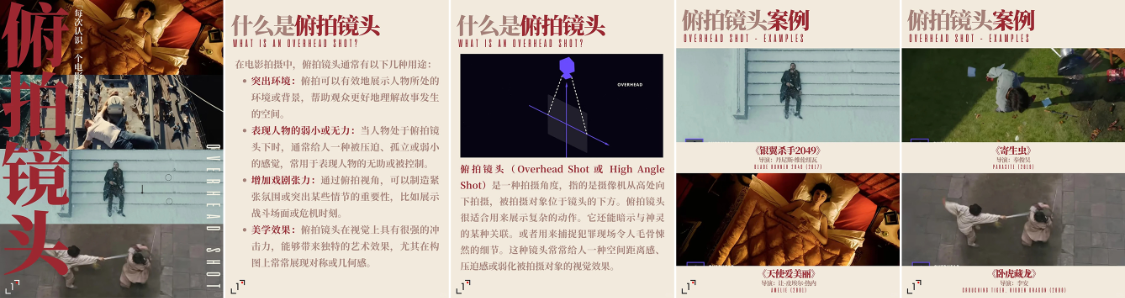
Image from Little Red Book
When you look up and down, the person is no longer a separate subject, but part of the environment。
For example, one person sits at a table, and the flat-vision is like a day job; but if you do it from above, the desktop, the computer, the document, the coffee cup, the mobile phone, the person's position is seen at the same time. The audience will begin to understand the man's state: he's busy, tired, surrounded by things。
So the over-vision lens is right for three things。
The first is the situation of the person。
People, for example, lie on couches, surrounded by paper, mobile phones and clothing. The overlooking lens allows viewers to see the relationship between the person and the environment, and the image has a sense of “her being surrounded by life”。
The second is space order。
For example, office desktops, classroom seats, dining tables, room layouts. The over-vision lens can quickly communicate the space structure, making the image more like a designed scene。
The third is tension and scrutiny。
If the view is higher and corrected, the person looks like he/she is being monitored, observed, trapped in a certain range. This lens is particularly suited to suspicion, stress, depression。
the hint of the overlooking lens cannot be simply "fram above". you need a clear view of the height and purpose。
If you want to act like you're weak, you can write that:
Right above the top, vertically overlooking, young women lying alone in the workplace. At the centre of the huge, dark-coloured meeting table, the person wears a white shirt, a black high waist skirt, a black thin heels, a thin glasses and a working-card rope, with long hair scattered over the table and a quiet and tired face. The figure was small, the table occupied a large area of the picture, the green chair was organized in full, the conference interface and the connection line was under the table, and the outer side was large green carpets and dark ground. The sense of space order is strong and the person appears to be in the centre of the meeting room and desktop frame, small, lonely, watched and trapped. Soft and cold indoor light, low saturation colour, real film drama, geometric maps, suppression of the atmosphere of restraint。
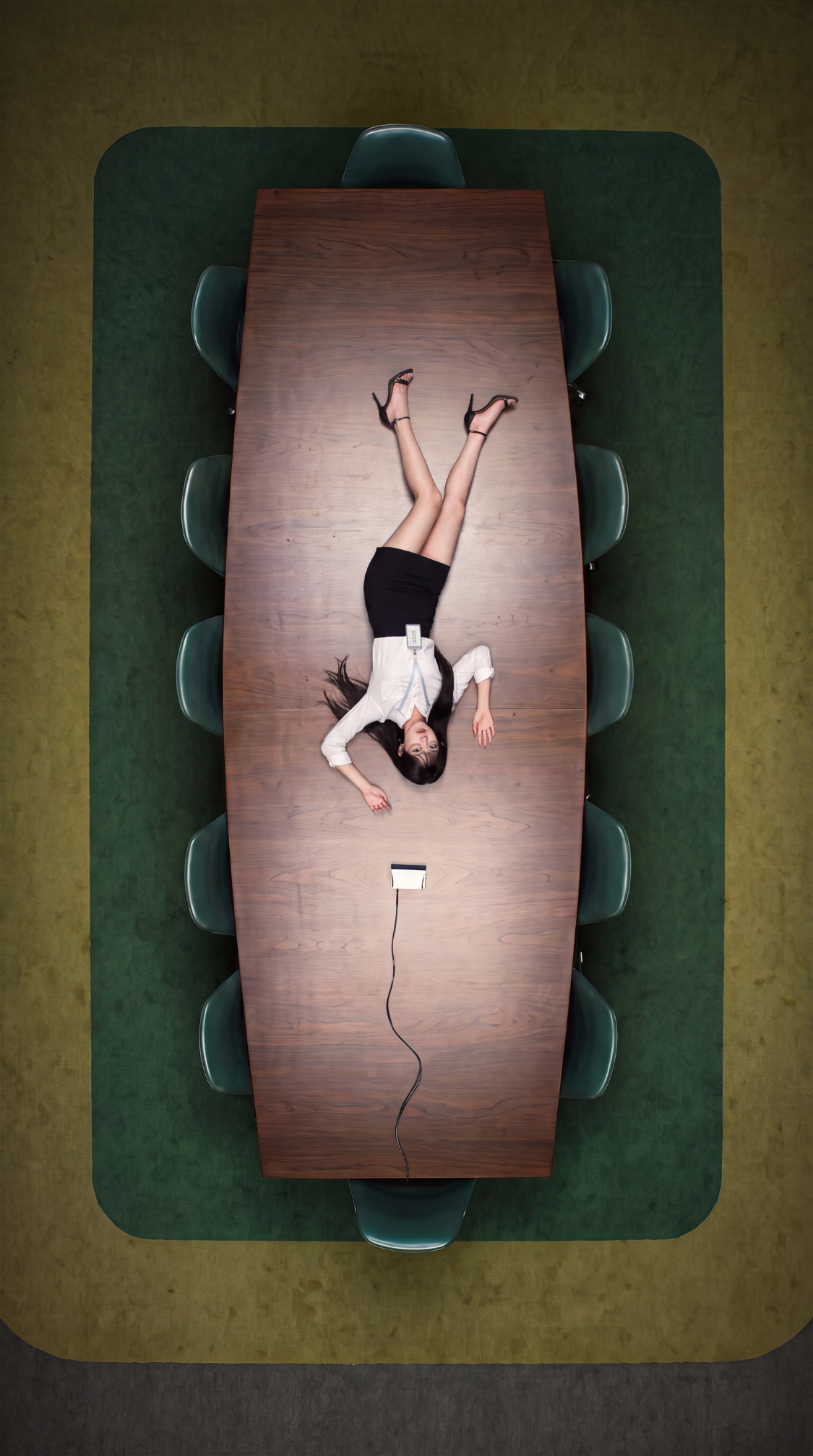
If you want to express a relationship in space, you can write that:
Over-wide proximity, fish eyeglasses, light altitude viewing, young working women standing in the middle of the subway car, close to the face, with a slight look at the camera, one hand-lifted frame glasses, white shirts, black short skirts, and a working-card rope. The picture is based on a central map, around which are described as the distribution of handmen, rings, top lanterns and passengers on both sides, and where the entire subway car space is presented in its entirety, with lines coming together and people and space relations are clear and strong. Real commuting scenes, cold white lights, low-saturation urban atmosphere, light fish eye feelings, real movie drama senses。
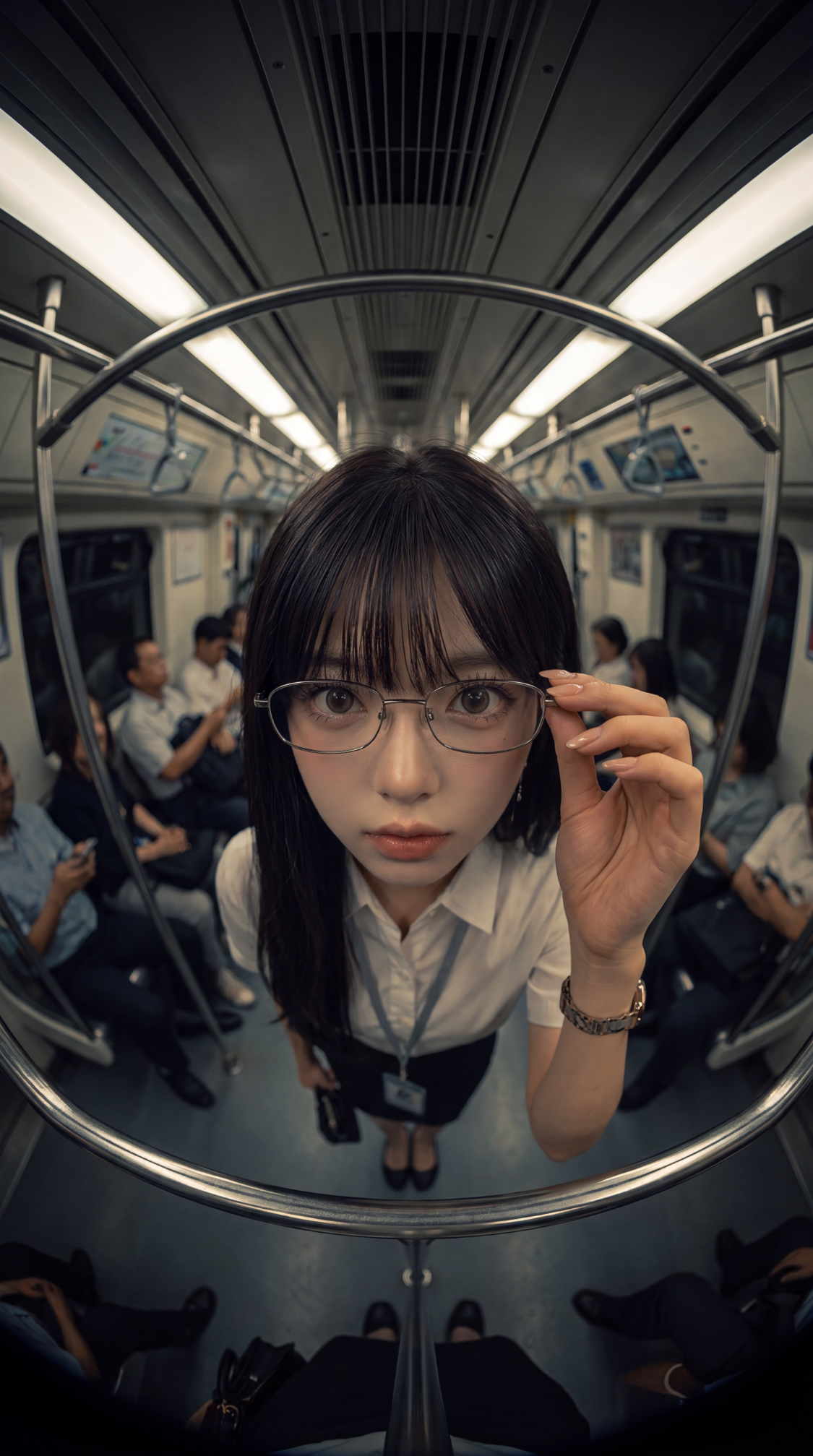
So you don't just write "Downview" when you're writing. Write: Why are you looking down。
iv. Eyes on the camera: let the characters have their breath first, then the story
It's the opposite of looking at the camera。
Overlooking makes people look like people, and looking makes people more powerful. The lower the camera, the greater the visual weight of the person in the picture. The audience needs to look up and look at the person。
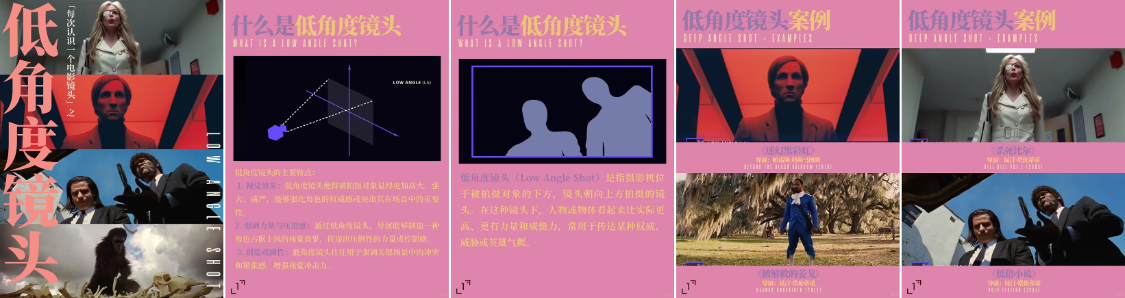
Image from Little Red Book
The first is to strengthen the character field。
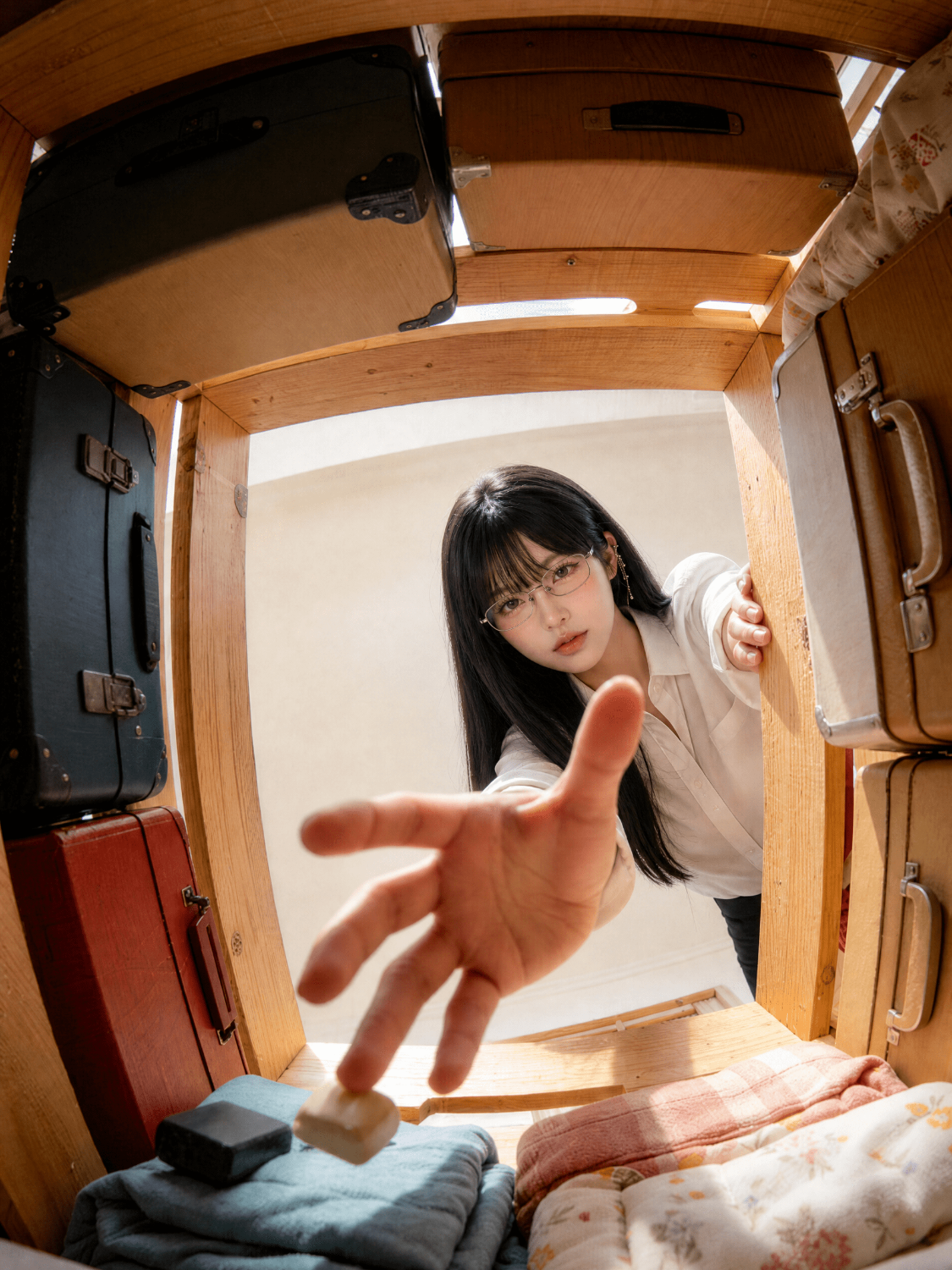
In this image, for example, the person in the trunk came from the airport porch, and the camera went down and up. The character did not act exaggerately, but she felt very present at first glance because of the low air space and the total space line that came to her。
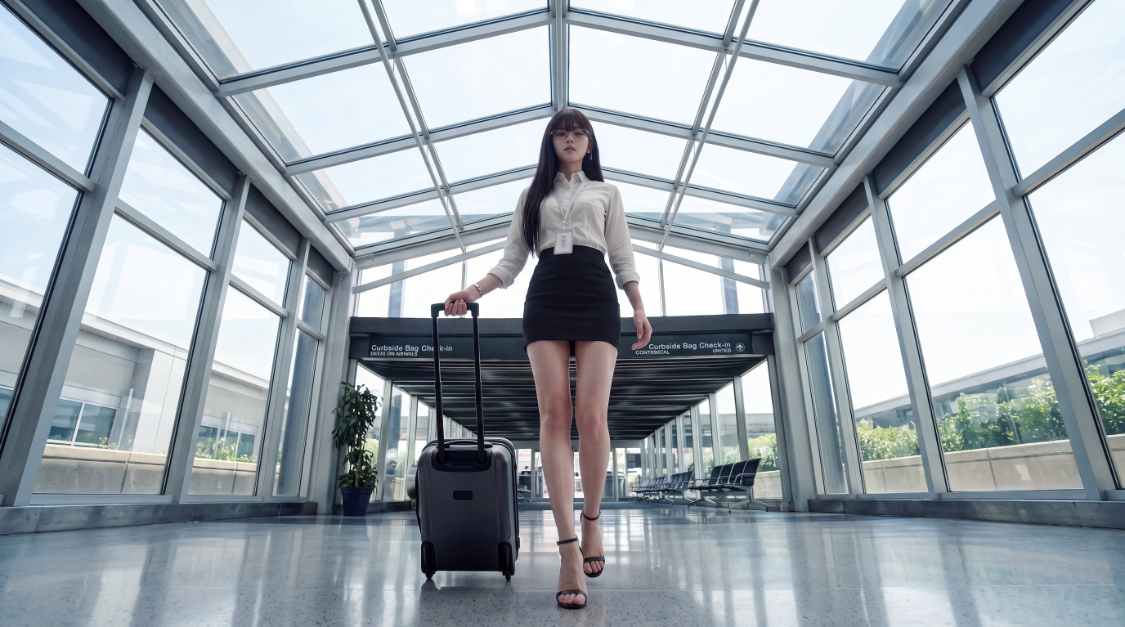
The prompt words are as follows:
the reference person is the woman, keeping her five officials, black long hair, zilonghai, silver frame glasses, white shirts, grey worklines, black high waist, short skirts, black thin heels. low-level view lenses, 24 mm wide-angle film photography, full-body mapping, camera close to the ground, and a little bit in front of the person. the hostess walked alone in the glass gallery of the airport, holding a black boarding box with one hand, steady in pace, with the body facing the camera, quiet, calm and restrained, with a visible working elite. the image is based on a central map, where glass roofs, metal frames on both sides and ground-to-ground view lines gather to figure, creating a strong sense of space direction and presence. there is a brightly visible airport corridor, with large glass skylights on its top, with an average of natural sunlight spilling down and a slight reflection on the ground, with a background of airport chairs, corridors and signage, with a clean, modern and orderly picture. real cinematography, light wide-angle vision, natural skin texture, accurate representation, air, oppression and ceremonial appearance。
The second is to create a sense of oppression。
The viewing lens, in addition to magnifying the air field, is well suited to create a sense of oppression。
This image, for example, is a typical low-altitude case. The camera was close to the ground, slightly up ahead of the person, who walked alone in the narrow corridor of the office building。
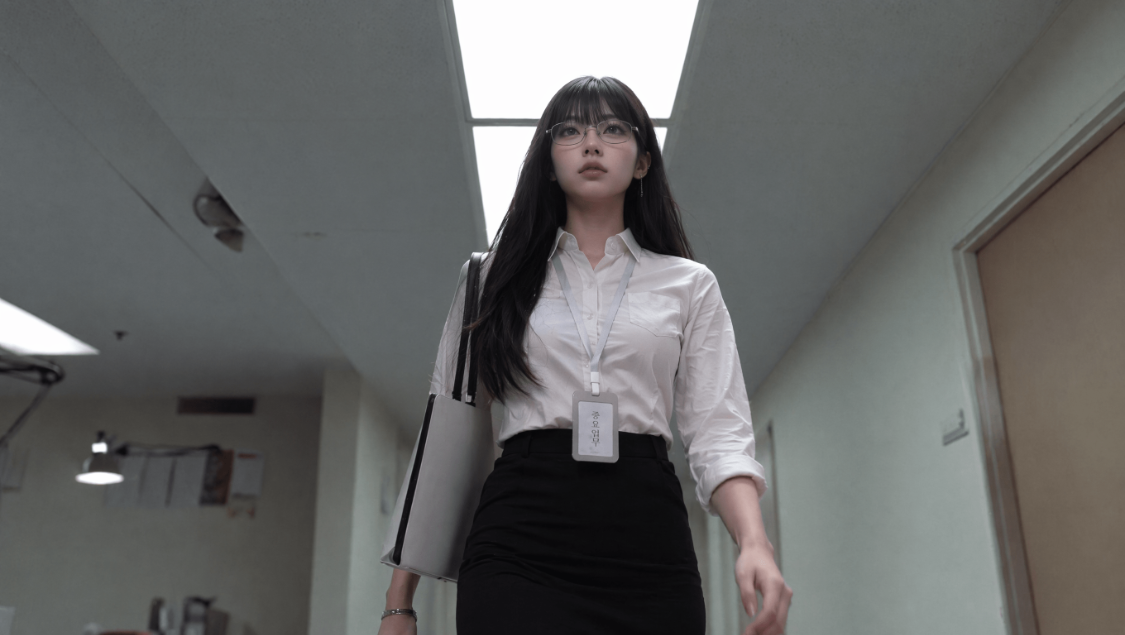
The corresponding hint can be:
low-altitude view, 24 mm wide-angle photography, static single picture, young women in the workplace walking alone in the hallways of a narrow office building, wearing white shirts, grey working ropes, black high-side short skirts, silver-colored borderglasses on their shoulders, light-coloured commuting packs on their shoulders, body-to-scenes, and calmly. the camera was close to the ground and was taken slightly upwards from the right front, with the top minister's light, the sides of the wall and the line of the door frame coming together, creating a clear sense of proximity and oppression. the environment is quiet, cold and white, with restraint, a real film is of good quality, a light wide-angle view and a low-saturated urban environment。
There is also a very good way to look at the camera: not always from a clean low, but from a mask。
For example, from the cracks in the crowd。
Like from below the door frame。
For example, from the grass, the bottom of the table, the edge of the door, the stairwell。
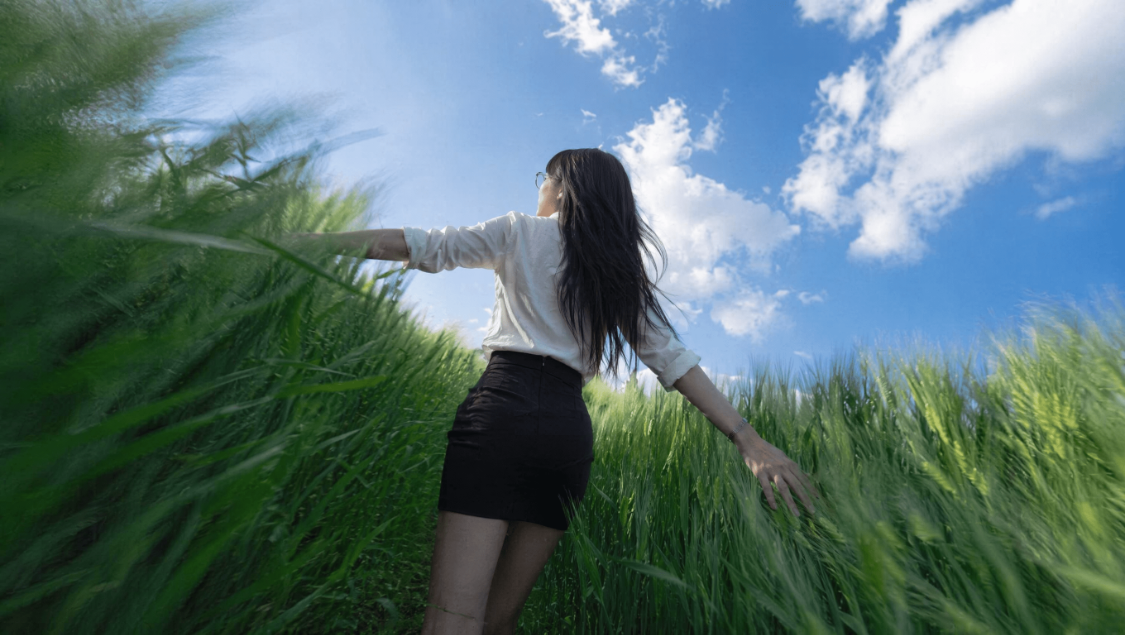
It's not just a gas field, it's an extra sense of space and vision。
Five, the angle of the lens cannot be written in isolation
A lot of people would write a hint, "Screen view," "Scene view," "Scene view."。
Of course this is useful, but it is not enough。
Because the lens only determines the height of the camera, the focus segment determines how the space is viewed。
Again, the focus of peace is completely different from the angles。
The focus will compress the space and the picture will be quieter and more elegant。
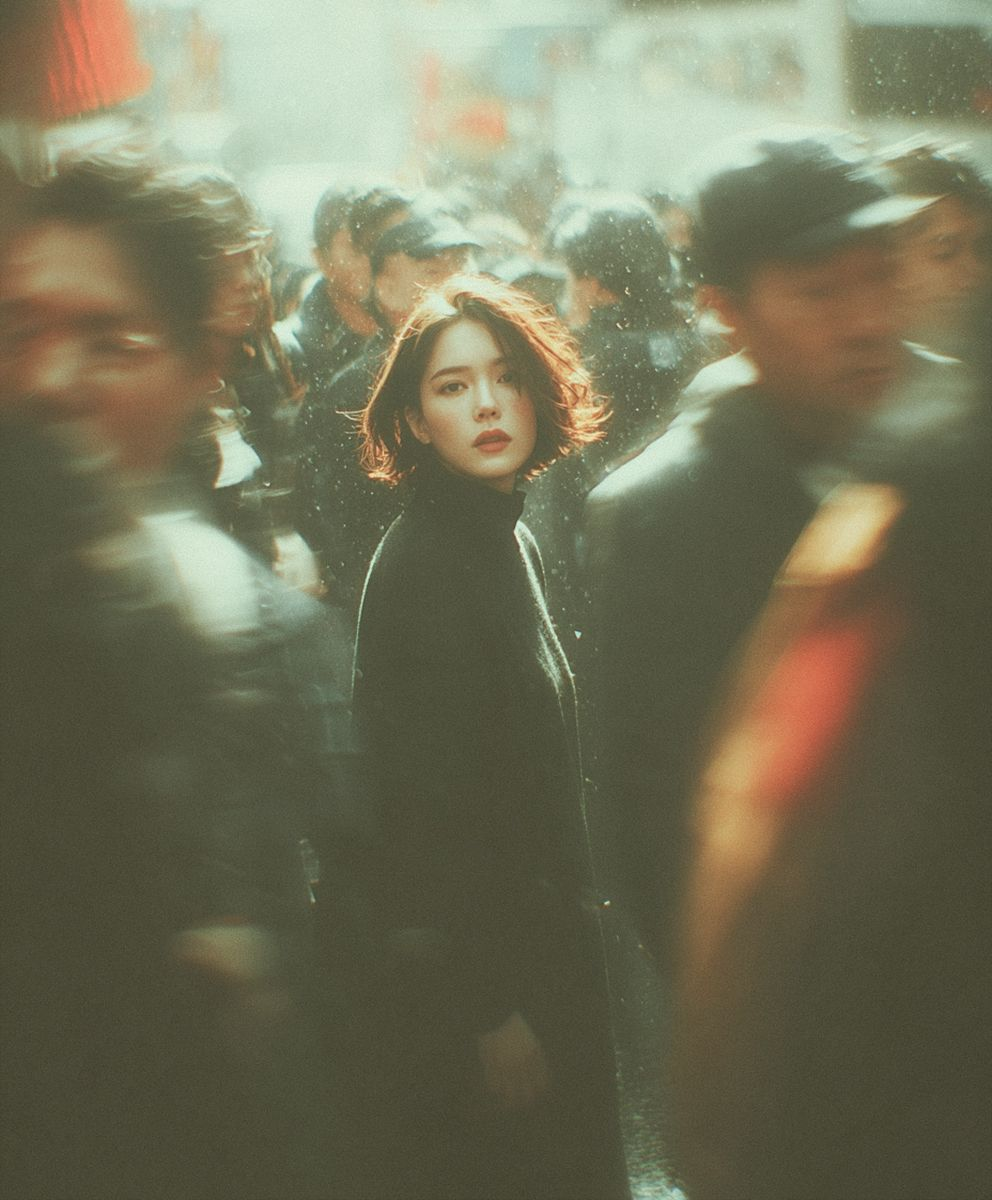
The wide-angle will open up space and the image will be more live and immersed。
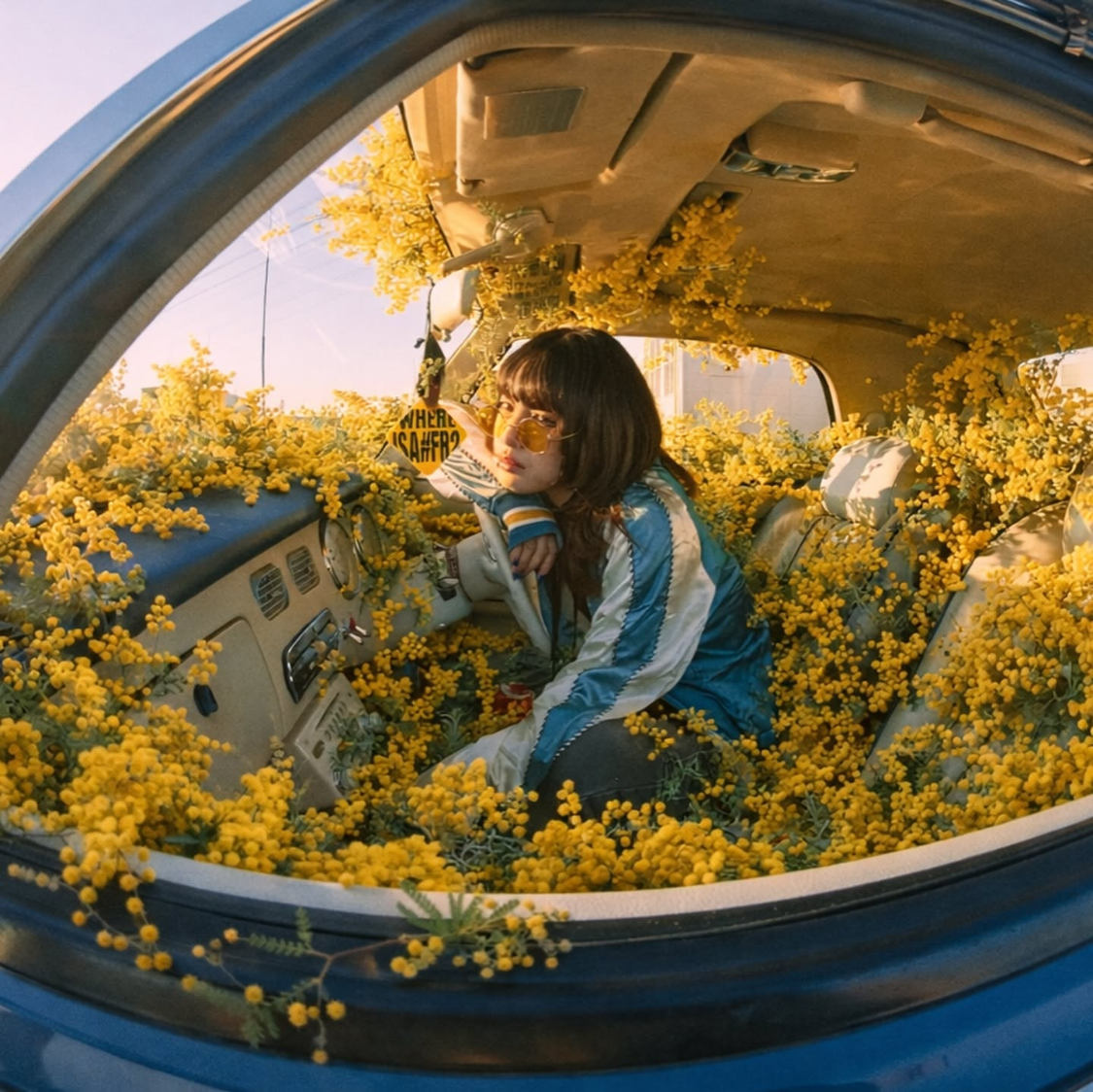
it's just the same, 35mm and 85mm。
35mm low altitude will have space tension and be suitable for the field。
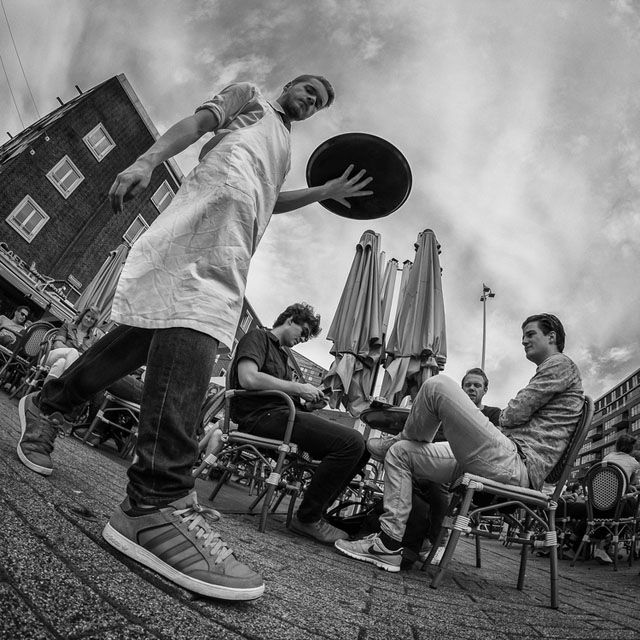
the 85mm low-altitude will be more focused on the character, suitable for a close-up and sense of oppression。
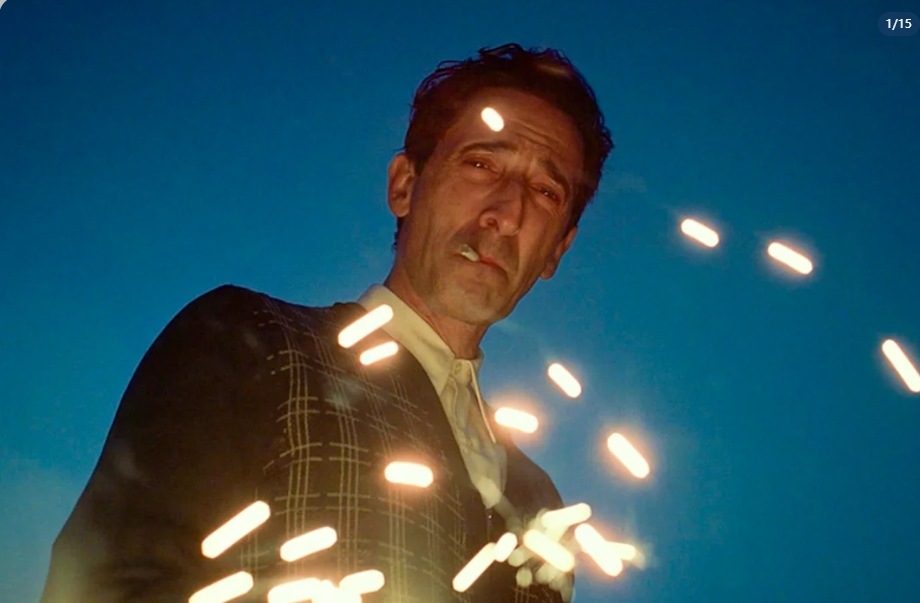
It's also overlooking, with a wide-angle top shot highlighting the space structure
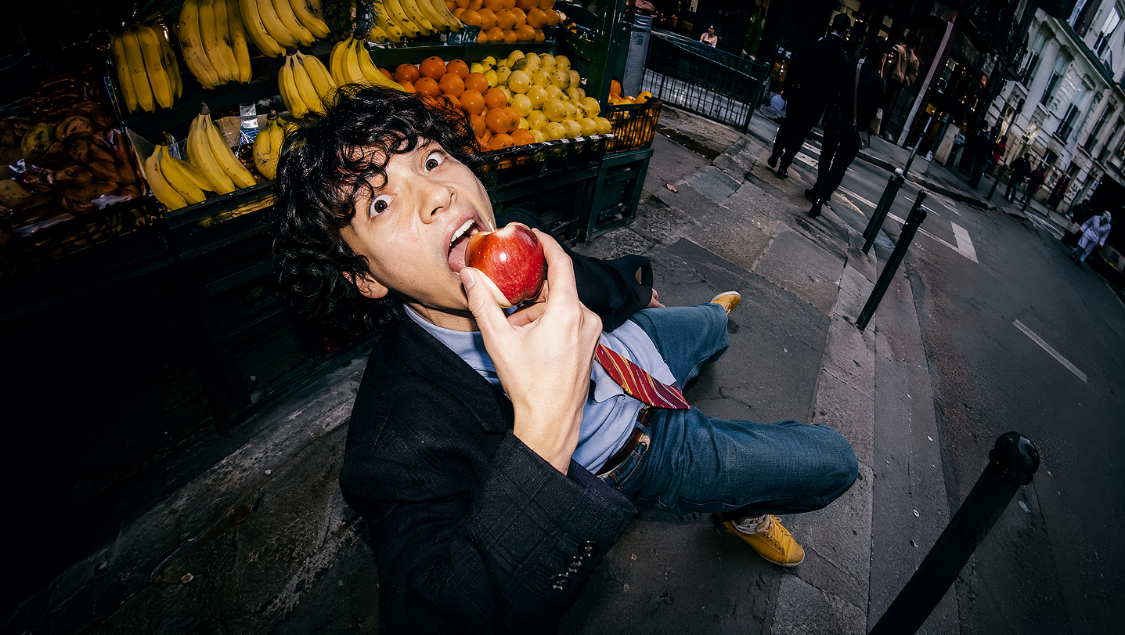
The long-focused poaching will be more like being observed from afar。
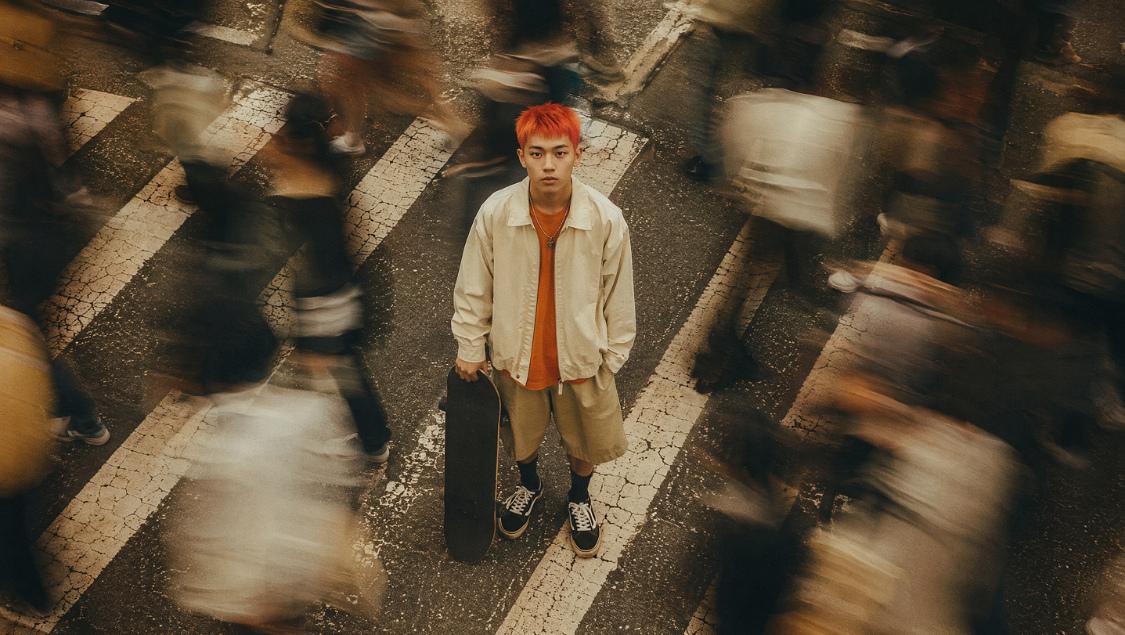
So the more stable way to write is not just to say, "Sight, look down, look back," but to figure out what this shot is about。
When the target is determined, the angle of the lens, the altitude of the space, the focus, the view, the status of the person, space relations and the light atmosphere are filled。
A more complete narrative structure could be:
Image object + lens angle + altitude/ distance + focal segment perspective + image image + person static status + space relations + light color + image limit words。
For example, when you're writing on camera, you shouldn't just say:
Low-altitude viewer, movie sense。
It should read:
created a sense of oppression, low-level view, 24 mm wide-angle photography, static single picture, medium periphery, camera close to the ground and slightly upward from the right front of the person. the hostess stood alone in the corridor of a narrow office building, with the body facing the camera and calmly restrained. the top ministerial lights, the walls on both sides and the door frames converge to create a clear sense of proximity and oppression. cold, white indoor light, low saturated urban working climate, real film drama, accurate figures, and no exaggerated deformation。
SO WHAT AI GETS IS NOT JUST A “VISITING PERSON”, BUT A PICTURE WITH A CLEAR EXPRESSION OF PURPOSE。
VI. A template for generic indicators at three angles
In order to facilitate direct use at the back, we can organize the lens angle into three generic templates。
But here, let's be aware that the first thing on the template is not the lens angle, but the image。
Panorama Template
The lens is suitable for the expression of real, daily, restrained emotions or for the creation of a literary sense through a long focus。
It's written to focus on the viewers and characters at the same height。
Panorama template:
Image: Daily/emotional / cultural / artistic / scenery, photo with the same view height as the person's eye, photo with [focal] camera, [spectural] image, person in [position], person in a static state [sitting/ standing/ bowing/looking outside the window/looking at the desktop], viewing the outlook with [foreseeing elements], background with [background elements], picture with a clear vision, medium view, background level, light [type of light], colour to [cold and warm] color, overall appearance [real life sense/ restraining emotions/urban sense], real film drama sense, natural skin texture。
Example:
daily sense, horizon lenses, lenses with the eyes of the person, 50 mm of photography, medium and peri-view images, young working women sitting at a table in a café, looking down at the laptop and looking quiet. the horizons are defunct coffee cups and desktop edges, in the context of large-scale landing windows, urban buildings and indoor tables and chairs, with real front and back layers. soft and natural sun, warm indoor atmosphere, real sense of life, cinematography, natural skin texture。
Overview camera template
Overlooking lenses are appropriate for the expression of a person ' s position, spatial relationship and sense of perspective。
It does not focus on “top-down”, but rather on the relationship between the person and the environment。
The character was swallowed up by space
Is it surrounded by desktops
Or is the geometric boundary in the middle of the picture
Overview camera template:
[Photo object: weak sense / space relationship / perceptive], over-vision lens / positive top shot, camera shot from above the person [45 degrees / vertical positive above / high angle long range], [spectrum] figure, person in [space position], person in a static state [sitting/ lying/ standing/ bowing], around which [environmental elements], person and environment [encircled/ bounded/ compressed/ observed], image expressed by [large white/ geometric boundary / desktop object/ spatial order] [single/ oppression/ viewing/ order], light is [light type], colour is [cold and warm], real sense of photography, film image。
Example:
Weakness, direct top shot, vertical viewing, young women lying alone in the workplace. In the middle of the huge, dark-coloured table, long hair spreads over the table, with quiet and tired expressions. The figure is small, the table is large, and the green chair is organized in full, with large green carpets and dark ground on the outside. The space order is strong, and the person appears to be alone, weak and viewed by the center of the room and the desktop frame. Soft and cold interior light, low saturation colour, real film drama, and clear geometry。
View camera template
The viewing lens is appropriate to reinforce the character field, create a sense of oppression or magnify the ritual。
It's written in terms of low lenses and a larger visual weight for people。
View camera template:
[Photo: personal gas field / oppression / ceremonial sense], low view view, camera in [higher ground / knee / bottom of door frame / crowd gap], photo [coording], [specific] image, person in [centre / outlook / end of corridor / center of space], person in a static state of [stand / mirror lens / micro-rise / cool look], view of the view, including [ground reflection / door frame / vehicle edge / official crowd blinding], background [coach / airport corridor / rain / night street / office space], space line through [board / wall / door / door / glass structure] to the person, air field / near/ vehicle percussion/ official view / crowd blinding], in the context of [columin/ airport corridor / rain / night street], space line is a real film-filing type, but a low image, accurate image。
Example:
the sense of oppression, low altitude viewing, 24 mm wide-angle photography, a medium near-view picture, young working women standing in the corridor of a narrow office building, with their bodies facing the lens, their faces calm, and their shoulders carrying light coloured commuting bags. the camera was close to the ground and was taken slightly upwards from the right front, and the top minister's light, the side wall and the door frame came together, creating a clear sense of proximity and oppression. the environment is quiet, cold and white, with restraint, a low-saturation urban working climate, a real film-like sense of quality, an accurate proportion of people, and no exaggerated distortion。
The core of these three templates is not to allow you to apply a mechanical angle, but to judge first what the picture is about。
If you want to make a person more real, you have to look。
If you want a character to get into a situation, you look down。
If you want to make people more aggressive, look at them。
When the picture is clear, the lens angle, the focus, the image, the character status, the spatial relationship and the light atmosphere are filled, and the hint is changed from “describe a picture” to “design a lens”。
VII. FINAL SUMMARY
IT'S NOT ENOUGH TO PUT THE WORD "FILM SENSE" IN A HINT。
The real effective way is to see the camera as an eye。
Just think about it:
Where does the audience stand to see this character
Sit across from her
Looking at her from above
Or did you see her coming from the bottom
When you can answer that question, the hint is not just a picture, but a design lens。
I've got a visual to make it real。
The view camera puts the picture in jeopardy。
Look at the camera and give the character a vibe。
These three angles are not per se complex, but they determine where the audience looks at them first and where the mood begins。
SO I'M GOING TO WRITE AN A.P., AND DON'T COME UP WITH A SENSE OF EXCELLENCE, A BIG ONE, A MOVIE. FIRST, THE LENS IS CLEARLY WRITTEN, THEN THE FOCUS, THE SCENE, THE OUTLOOK, THE BACKGROUND, THE LIGHT AND THE STATUS OF THE PERSON。
When the camera is in the right place, the picture will naturally have a narrative。