



In the process of creating skits with AI, have you ever encountered this kind of problem: in the first scene, you are still acting in an idol drama, but in the next scene, the male lead suddenly turns into a comedian? The female lead has long hair in the first episode, and inexplicably has short hair in the third episode? Obviously it's a serial drama, but the actors' clothing style and facial details change every episode?
The inconsistency in characterization isAI skitsThe hardest part of the production that is most often spouted and pulls down the viewing experience.
The good news is: today we're going to talk about understanding thatAI directorWhat should I do to ensure visual consistency of characters?
I. What is "character visual consistency"?
Simply put, that is, the role in different shots, different scenes, and even different plot passages in the image can not be "fat, thin, male and female". It includes:
|
|
|
|---|---|
|
|
|
|
|
|
|
|
|
|
|
|
|
|
|
If you've done multi-camera videos or serials with AI, you should know - it's actually harder than generating good-looking characters!
Second, why is it easy for AI sketches to "break character"?
There are three main reasons for this:
- The model is highly stochastic
Whether it's a graph-generated graph (e.g. Midjourney, SD) or a text-generated graph/video (e.g. i.e. Dreams, Vidu, Sora), there's a randomization factor by default, and the characters may change slightly each time they're generated.
- Lack of a seed harmonization mechanism
Many platforms don't have "character bindings" like 3D software, so it's like "recreating a new person" every time.
- Lack of clarity or inconsistency in cue details
The same character, in the cue it says "short-haired girl" and then changes it to "cold-hearted murderess", and the result is, of course, a Transformer.
Third, how can AI directors address character consistency? Four strategies to help you!
✅Strategy 1: Character "ID" cue word unification method
Create a character's "visual ID" - that is, a complete, fixed set of character description cues to be used for all graphic and video production tasks.
👉 Case demonstrations
Characterization: the heroine is a hacker girl in the darkness of the night, cold but pretty with a contrasting sense of humor
Cue word (Midjourney/i.e. Dreams Universal):
"beautiful young woman, pale skin, silver short hair, wearing black hoodie with glowing cyber-blue lines, cold eyes, sitting in neon-lit room, anime style, futuristic, ultra-detailed". "beautiful young woman, pale skin, silver short hair, wearing black hoodie with glowing cyber-blue lines, cold eyes, sitting in neon-lit room, anime style, futuristic, ultra-detailed"
Chinese translation: a pretty girl with short silver-white hair, cold temperament, wearing a black hoodie with blue neon lines, fair skin, sitting in a cyberpunk-style neon room, drawing style uniformly anime or hyper-realistic

📌 This cue word is to be used as a female lead visual reference template and referenced in all out-of-photo/out-of-video/out-of-camera scripts.
✅Strategy 2: AI "feed the graph" + graph-born graph reinforcement method
Use the AI graph generation function (e.g. Kerin, Dream, Vidu Graph Generation Video) to use the character stereotype as a "feed map" for the AI to use as a reference to generate the next frame.
👉 Hands-on case study (using Instant Dream 3.0 as an example):
1, first generate a character stereotype map (such as Midjourney out of the map):
Prompt words: pale skin, silver short hair girl, black neon hoodie, in dark room, cinematic light

2、Use this picture as the starting point of the "graphic video", input the action/scene description: the main female character sits in front of a neon window and knocks on the code, her eyes sweep coldly to the camera, the camera slowly pushes forward.
3. Get video segments with coherent characters, consistent costumes and stable faces.
🎯 Ideal for generating: close-ups, static action, slow-motion scenes, etc.
✅ Strategy 3: Role Model Binding/Seed Consistency Approach
For some platforms that support "Seed Value" or "Character Setting Binding" (e.g. Dream, Kerin, Runway, etc.), it is possible to use technology to lock down the character's image. By fixing the seed value and precise descriptions (including hairstyle, facial features, outfit, etc.), the AI can generate images from the same sampling starting point every time.
For example:
- i.e., Dream+ Seed images: refer to angular features, portrait portraits, character poses, etc., or use smart references directly
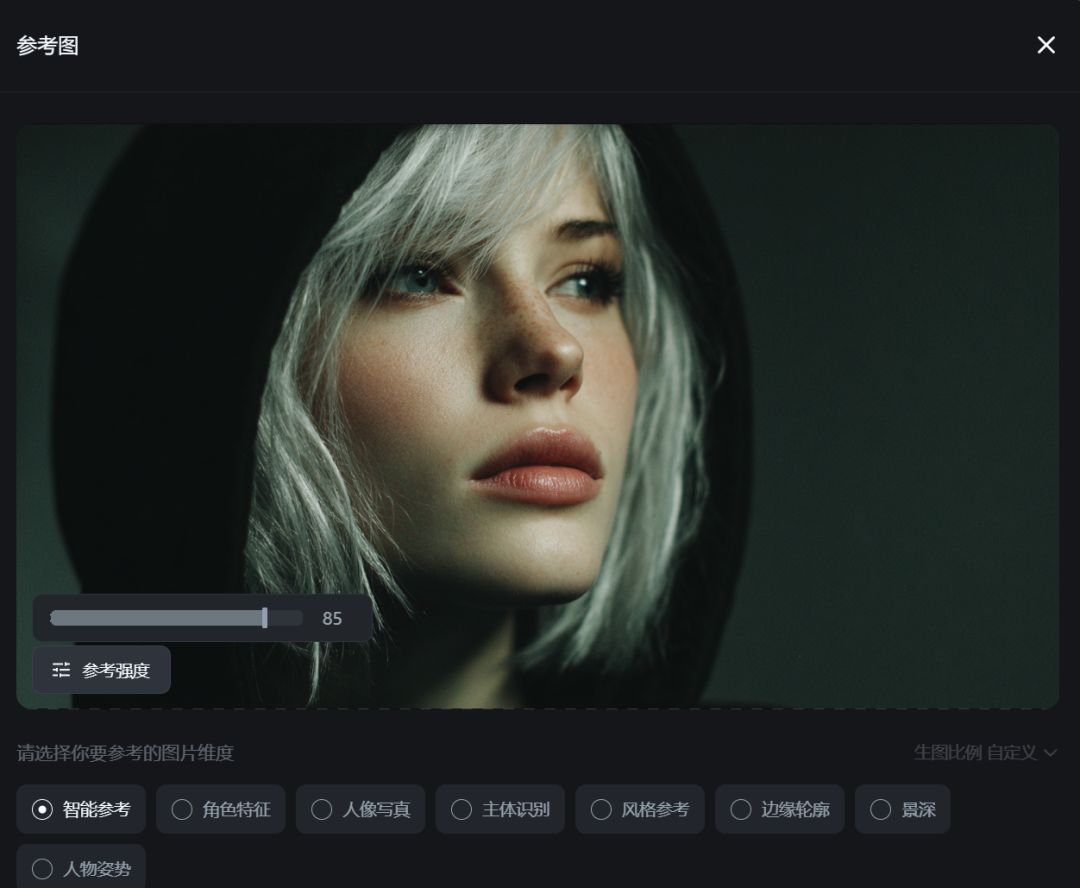
- Korin+seed images: refer to angular features, portrait lengths, etc., or use generic mat maps directly
📌The key point is: don't let the AI "freehand" the character's appearance, but artificially limit its "imagination".
✅Strategy 4: Multi-graph reference and character base model depth binding
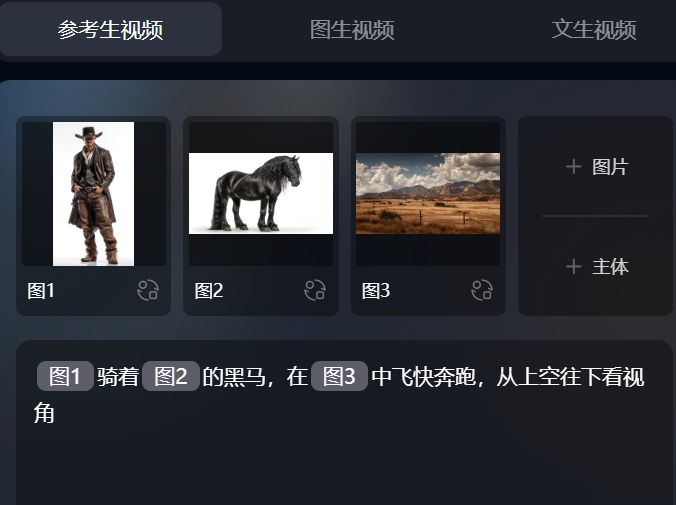
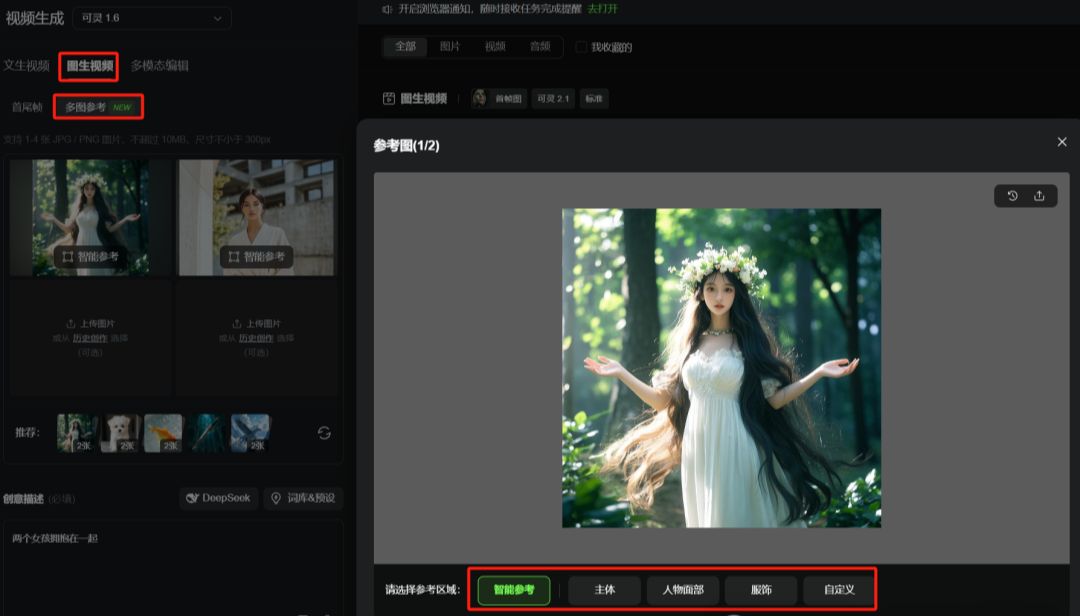
By uploading multiple character reference photos, the AI will comprehensively extract the appearance features and then automatically restore them according to different scenes.
Typical examples: Vidu, Korin, Runway, and other platforms. They can "lock in" character traits in successive scenes or episodes to prevent the style from going off the rails.
Pros: High consistency of face, hair, and clothing is ensured in continuous shots and across scenes.
Vidu multi-graph reference raw video:
The Koling polygraph reference generates a graph:

Korindo graphic reference raw video:
Fourth, the actual case: an episode of AI short drama, the role of the whole process does not collapse!
🎬 Case 1: urban light comedy heroine "deer" unified image building
Plot Background: A working girl in the big city, metrosexual, gentle and a bit funny. There are 5 scenes in total, and you need to keep a unified character image.
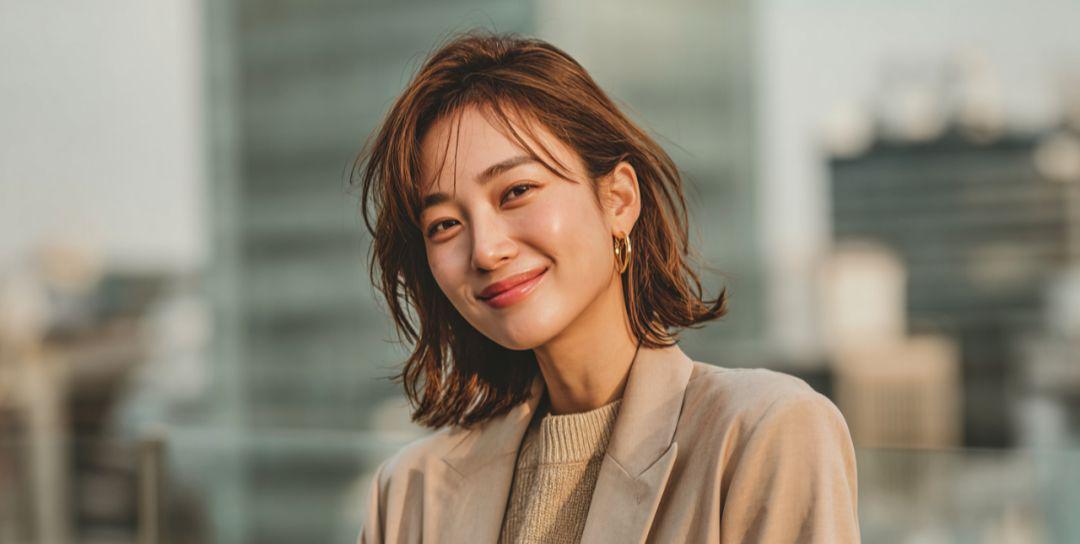
Step 1: Start by generating character set photos with Midjourney
Cue word: portrait of a cute young Asian woman, shoulder-length chestnut hair, wearing beige office suit, soft lighting, city background, fashion editorial style
▲Character "Fawn" makeup image:
Step 2: Generate the episode screen with Imagine Dream/Keling/Pat Me AI, upload the fixing photo to make a video.
Video cue: a metrosexual girl sitting in front of her workstation, snacking while tapping on the keyboard, sunlight pouring in through the office window, light comedy vibe
Tusheng video mode, uploaded "deer" makeup photos, set as the main character.
▲Keep the character's facial features, hairstyle, and clothing consistent
Effect:
- Character styles remain highly uniform in all shots
- Reasonable changes in light and shadow in different scenes
- Emotional performances that are consistent and natural, so the audience doesn't get out of the moment.
🎬 Case 2: the ancient style drama character "Shen Gongzi" traversed three scenes, the image of the whole stable
Cue word keywords (shared): handsome Chinese young man, long black hair, wearing white ancient robe, elegant and calm, cinematic lighting
▲The unified image of "Mr. Shen" in three scenes
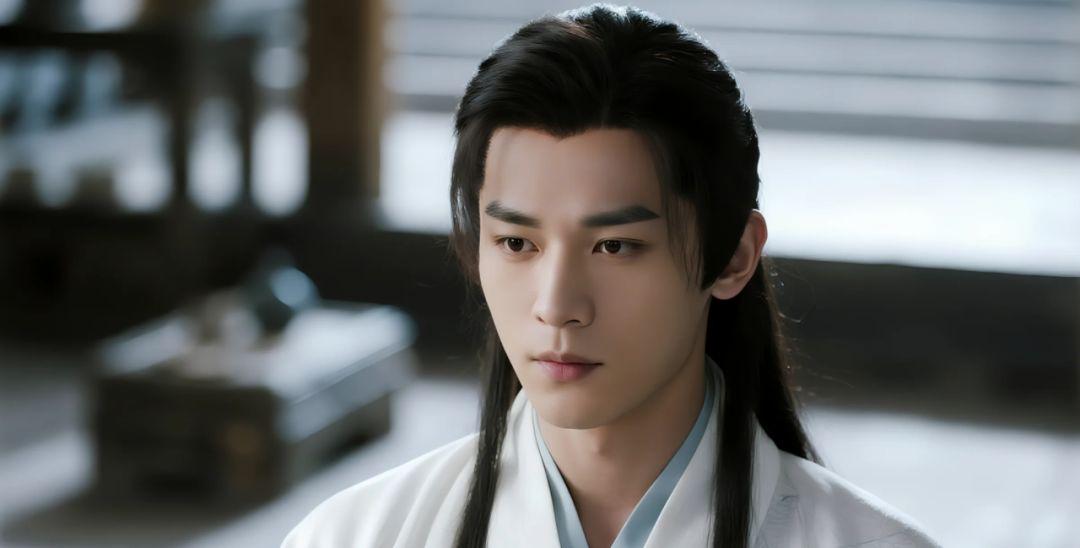
Scene 1: Dueling with someone under the night rain in a bamboo forest
Video Cue: Ancient white gentleman in bamboo forest with a sword against someone, drizzle, moonlight sprinkled on the sword, slow-motion, movie feel
Scene 2: Fiddling by the bridge in the early morning
Video cue word: white man in ancient costume sitting on the arch bridge to play the zither, the morning mist, the sunshine through, ethereal and beautiful!
Scene 3: Writing letters under indoor lights
Video Cue: Ancient style man writing a letter with a pen by candlelight, looking focused, with rice paper spread on the table, and the night outside the window is hazy
Technical points:
- Tupelo video using the same character prototype drawing
- "White ancient robe" and "long black hair" remain the same throughout the cue descriptions.
- Use the same character model/Seed to maintain facial similarity
V. Advanced Suggestions: Managing AI Skit Characters with Character Cards + Cue Word Templates
🧾 You can create "Character Image Cards" that include:
- character name
- Physical description (face, hair, skin color, expression)
- Dressing style (fixed keywords)
- Personality temperament keywords (e.g. cool/sunny/mysterious)
- AI prompt word template (English + Chinese)
🔁 Every time a new script or shot comes out, just copy and paste the character card cue words and the AI won't run amok!
Graphic Explanation: 'Consistency AI Skit' Advanced Workflow
|
|
|
|
|
|---|---|---|---|
|
|
|
|
|
|
|
|
|
|
|
|
|
|
|
|
|
|
|
|
|
|
|
|
|
Sixth, conclusion: AI can do a good short drama? The key to see whether you control the "persona"!
Visual consistency is the most "traditional" and most important aspect of AI creation.
And it's a logic that you can actually use right now:
- Midjourney / i.e. Dream: Character Setting
- Instant Dream / Kerin / Vidu / Shoot Me AI / PixVerse: Graphic Video
- Cue word template: precise description, repeated reuse
- Seed & Face ID (if supported): binds to the character model
Character consistency determines the immersion and professionalism of an AI sketch. When you see the protagonists in each scene "look the same", dress uniformly, and have a consistent style, your audience will truly believe that this is a complete story.
🧠 So stop letting the AI "free play", master the cue words, lock the role, feed the stereotypes, in order to really be a good AI director!
This is what I shared today, did you learn it?